Blog

October 30, 2026

The Difference Between IP68 and NEMA 4X for EMS Wiring

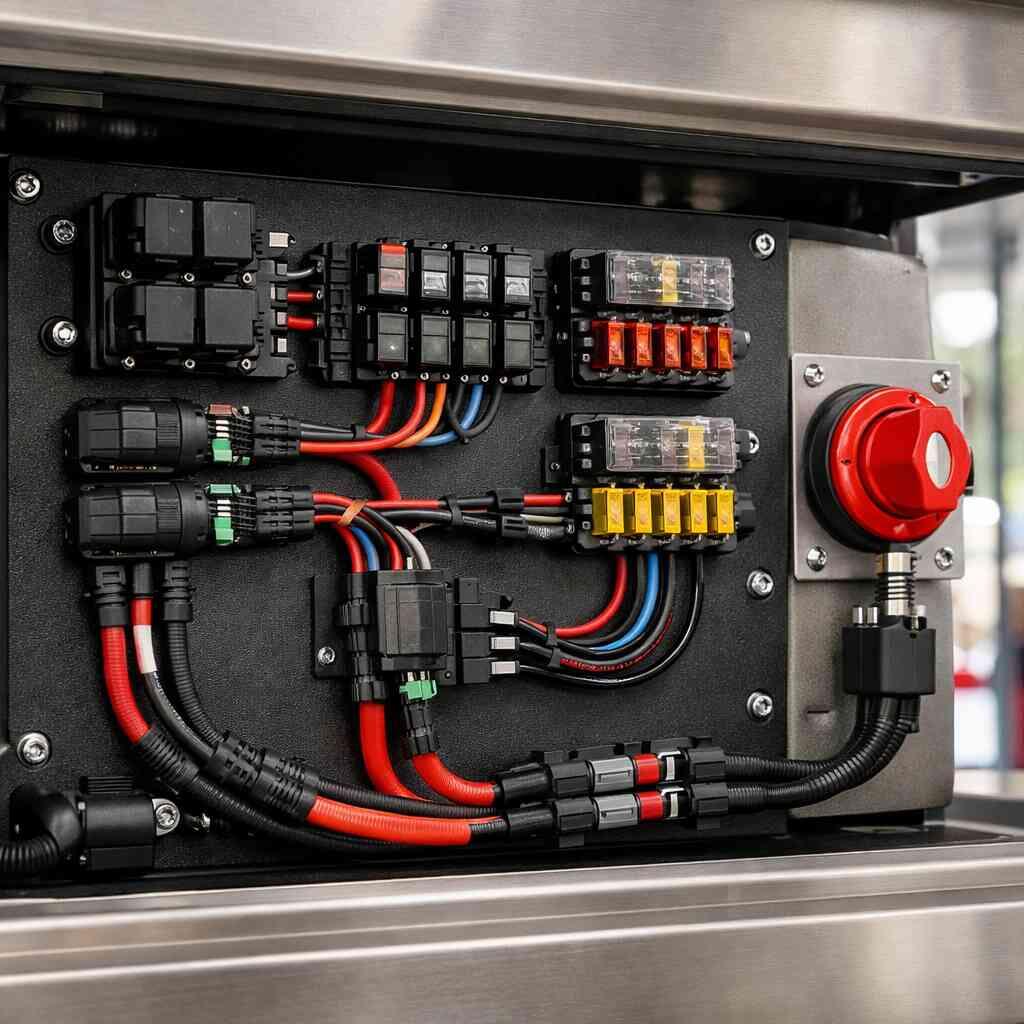
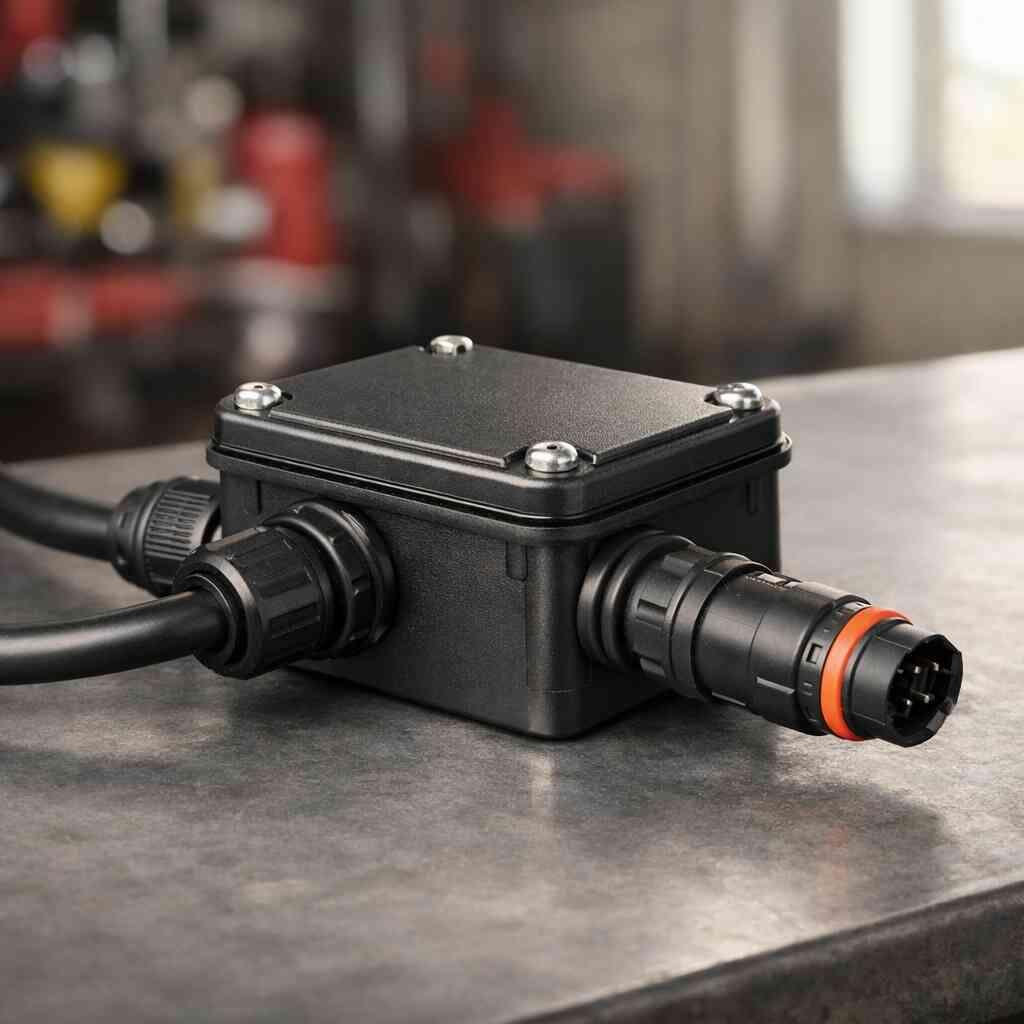
IP68 and NEMA 4X are not interchangeable. IP68 describes how well a component resists dust and water ingress, while NEMA 4X describes an enclosure’s resistance to environmental hazards such as hose-directed water and corrosion. In EMS wiring, that difference matters because a sealed connector is not the same thing as a protected enclosure. Key Takeaways […]
October 29, 2026

How to Inspect NEMA 6P Seals on EMS Cable Systems

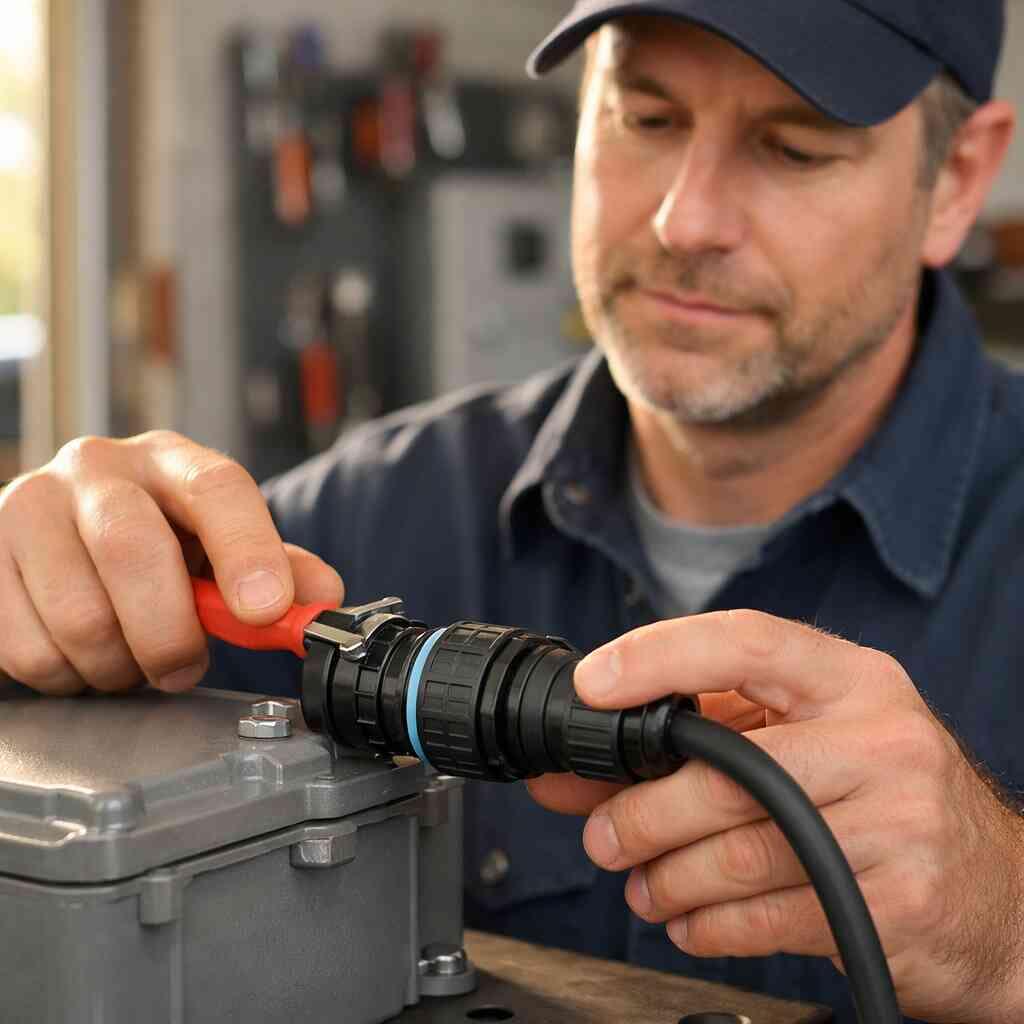
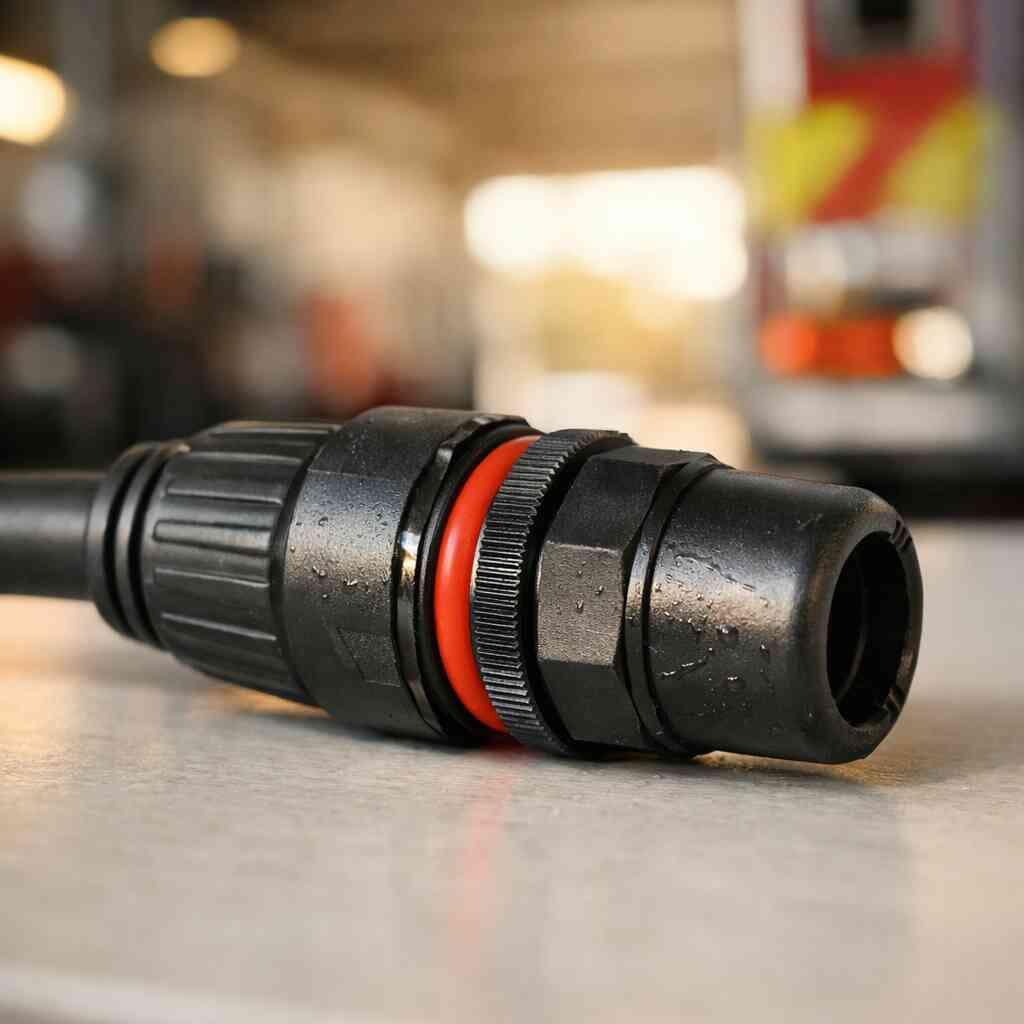
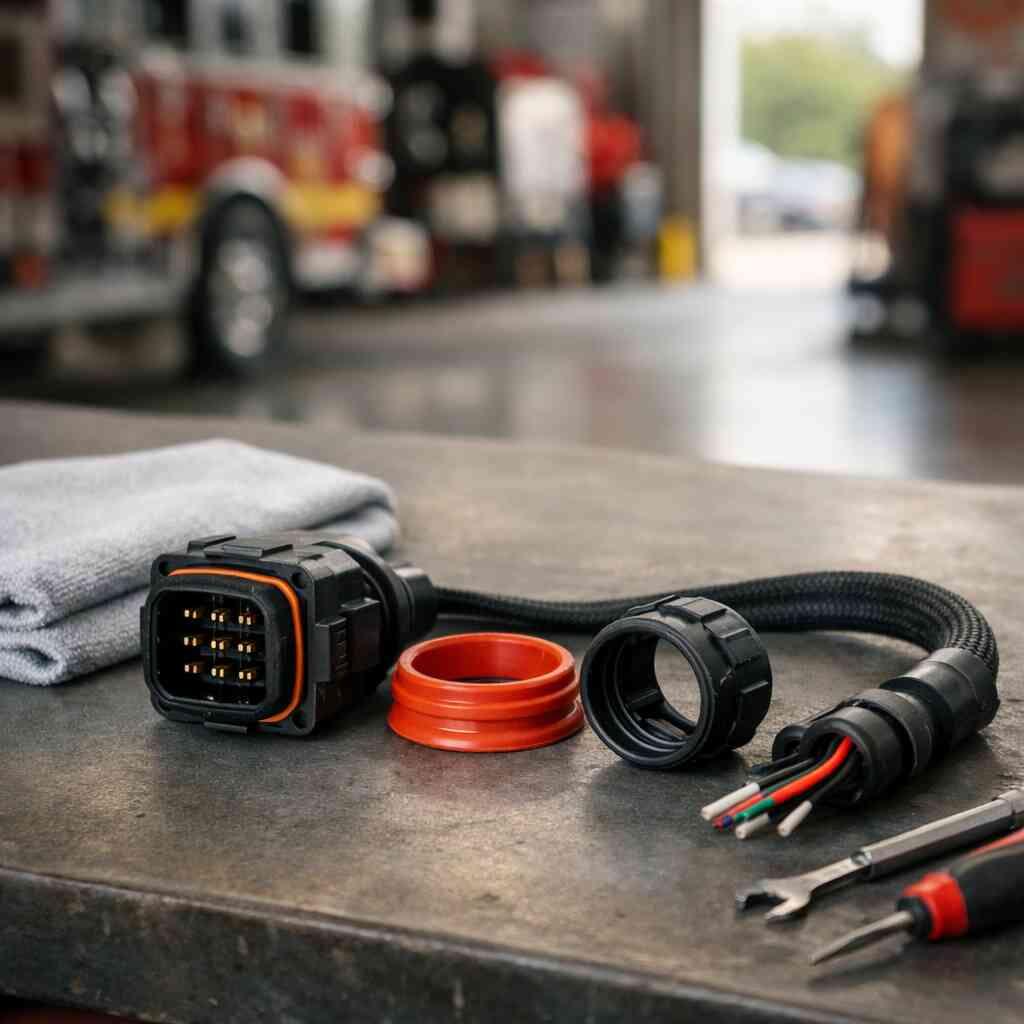
A NEMA 6P seal can still fail after a quick visual check because the weak point is often at the connector, cable entry, or strain relief, not the face of the enclosure. To inspect it correctly, you need a careful field sequence that checks seal compression, contamination, jacket condition, and termination integrity before moisture gets […]

October 28, 2026

What Is IP68 Testing for Fire Truck Connectors

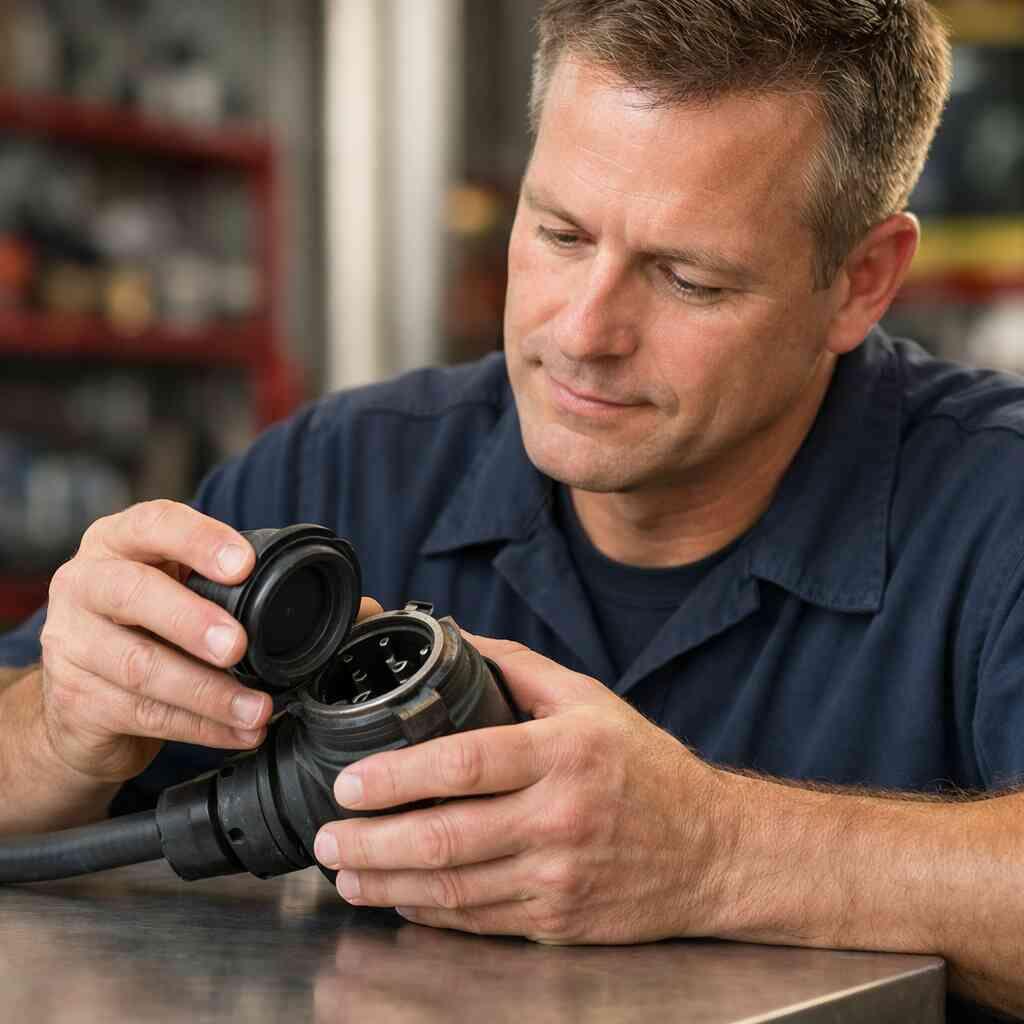
IP68 testing for fire truck connectors checks whether a connector can keep out dust and survive prolonged water exposure, including submersion under defined test conditions. It does not prove every connector will survive every fireground abuse point, which is why real-world hose-downs, vibration, and corrosion still matter. If you are reading this because a connector […]

October 27, 2026

Top 5 OSHA Ready Checks for DeLand Fleet Garages

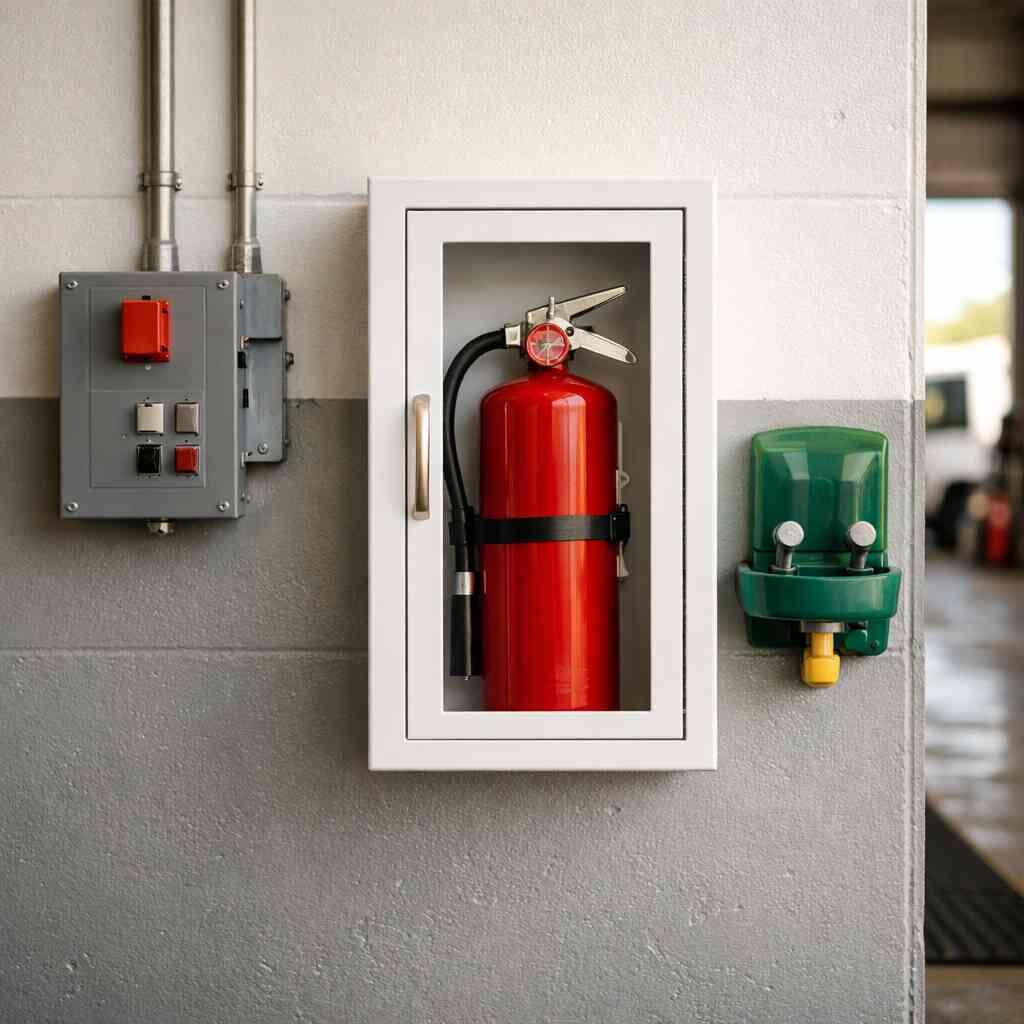
The fastest OSHA readiness gains in a DeLand fleet garage usually come from five checks: extinguisher and egress access, slip and fall hazards, cords and lockout tagout, hazardous materials storage, and a final PPE and safety-station sweep. If your bays feel busy but not fully controlled, these are the checks that expose the gaps first. […]

October 26, 2026

Top 7 Maintenance Steps for Rugged Fire Power Products

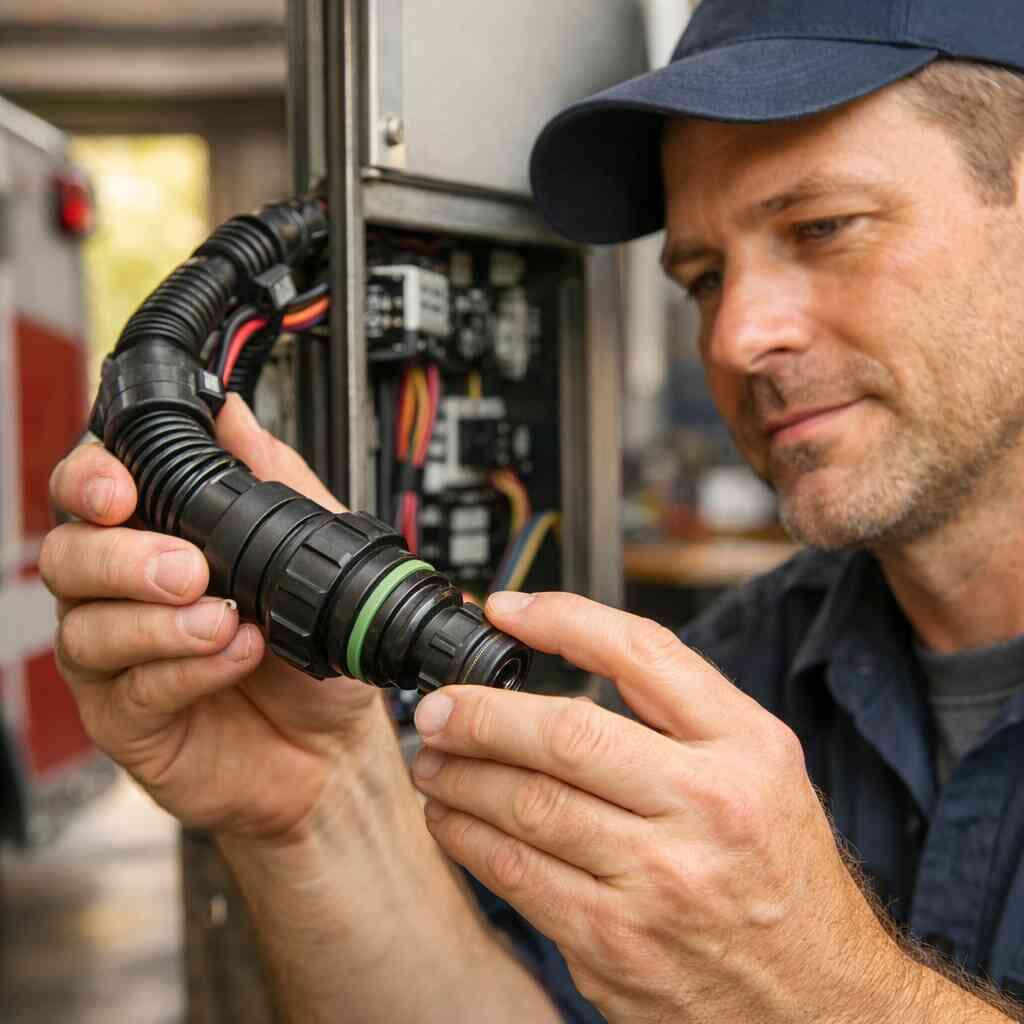
The best maintenance for rugged Fire Power Products is straightforward: inspect early, clean correctly, protect connectors, and document every issue before it becomes a failure. If you suspect something small is already starting to wear, trust that concern and check it now. Key Takeaways Routine visual inspections catch abrasion, heat damage, impact marks, and contamination […]

October 25, 2026

The Difference Between UL Listed and NEMA 6P Connectors

UL Listed connectors are evaluated for safety and installation use, while NEMA 6P connectors describe how well an enclosure resists dust and water, including prolonged submersion under defined conditions. Those are related, but they are not the same claim. If you are trying to protect demanding electrical gear, that difference matters fast. Key Takeaways UL […]

October 24, 2026

How to Plan Spare Parts Kits for DeLand Fire Departments

A spare parts kit protects a DeLand fire department from avoidable downtime by keeping the most failure-prone components on hand before a truck, pump, light, or compartment hardware takes a rig out of service. The goal is simple: match mission-critical equipment spares to the apparatus you actually run so one missing part does not slow […]

October 23, 2026

Why Do EMS Fleets Choose IP68 Connectors for Rough Use

EMS fleets choose IP68 connectors because they help keep critical electrical circuits sealed against dust, splashing water, washdowns, and harsh daily handling. In rough service, that extra protection reduces nuisance failures, limits downtime, and helps ambulances stay ready when seconds matter. If you are reading this because a connector failure is costing you calls, crews, […]

October 22, 2026

Best 7 Fire Truck Electrical Upfit Specs for Florida Buyers

The best fire truck electrical upfit specs for Florida buyers start with battery isolation, properly sized charging, clean power distribution, waterproof connections, voltage monitoring, inverter planning, and a fully confirmed spec sheet. If you want to avoid nuisance failures, overheated wiring, or a build that looks good on paper but struggles in service, these are […]

October 21, 2026

Top 5 Maintenance Checks for Rugged Fire Power Products

The five most important maintenance checks are connector pigtail inspection, hose condition inspection, junction receptacle and accessory checks, battery health checks, and a final readiness pass. If you are worried about equipment failing after a hard shift, this is the right place to start. A careful routine equipment inspection catches small problems before they become […]