The Difference Between IP68 and NEMA 4X for EMS Wiring
October 30, 2026
IP68 and NEMA 4X are not interchangeable. IP68 describes how well a component resists dust and water ingress, while NEMA 4X describes an enclosure’s resistance to environmental hazards such as hose-directed water and corrosion. In EMS wiring, that difference matters because a sealed connector is not the same thing as a protected enclosure.
Key Takeaways
- The IP68 rating applies to a component or connector; a NEMA 4X enclosure applies to an enclosure system.
- In emergency vehicle wiring, the real failures usually start at glands, terminations, seals, and cable movement, not the label on the spec sheet.
- Waterproof electrical connections and dust-tight cable management matter as much as the enclosure rating in washdown-ready electrical systems.
- For fire apparatus electrical systems, choose the standard that matches the part: sealed connectors for connection points and NEMA-rated enclosures for housings.
- Corrosion, vibration, and repeated hose-downs create different failure paths, so environmental sealing for wiring should be specified by job, not by slogan.
If you are reading this because a panel looked “weatherproof” on paper and still gave you trouble in the truck, you are not alone. This part is genuinely confusing for most people, especially when the spec sheet mixes connector claims, enclosure claims, and marketing language into one neat paragraph.
When a washdown-ready EMS panel still fails the field test
A washdown-ready EMS panel can still fail if the wiring path is not sealed end to end. The most common breakdowns happen at cable entry points, connector interfaces, and moving harness runs. In emergency vehicle wiring, the enclosure may survive, but the system can still lose electrical reliability in emergency vehicles if moisture gets past weak links.
Why IP68 and NEMA 4X are not interchangeable in emergency vehicle wiring
IP68 and NEMA 4X measure different things, so you cannot swap them as if they mean the same level of protection. IP68 is an ingress protection standard for dust and water intrusion at the component level. NEMA 4X is an enclosure rating comparison that adds corrosion resistance and hose-down resistance for the housing itself, which is why both can matter in mobile emergency equipment wiring.
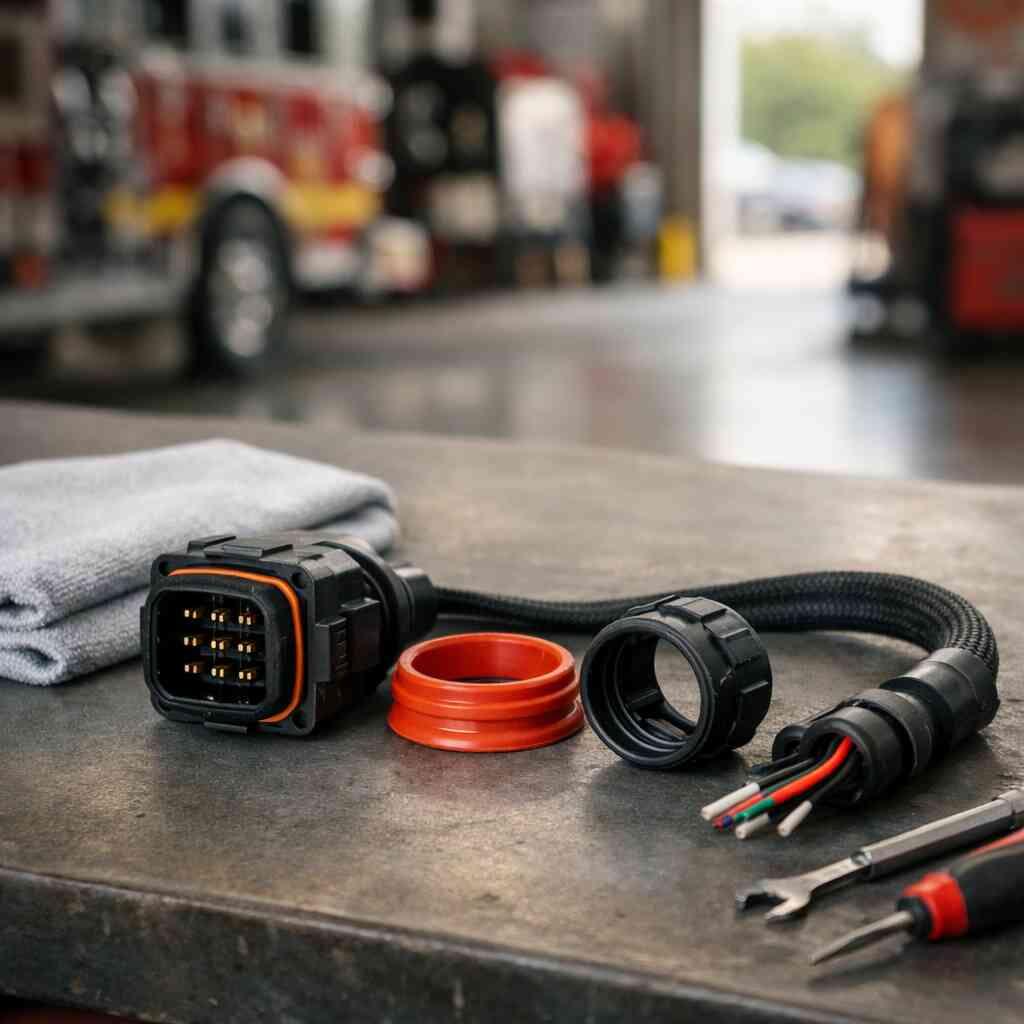
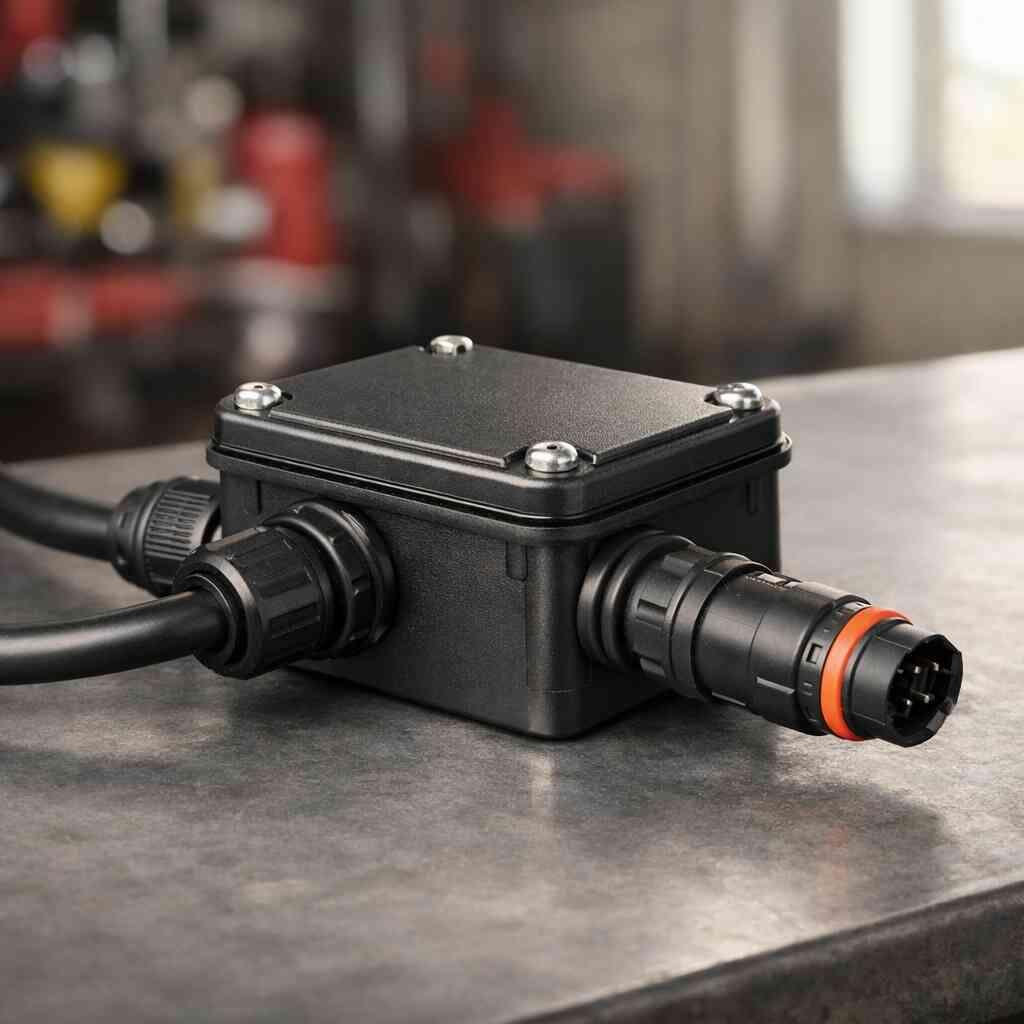
StandardWhat it coversWhere it belongsWhat it does not guaranteeIP68Dust-tight and submersion-capable protection for componentsSealed electrical connectors, cable glands, sensorsFull enclosure corrosion performanceNEMA 4XHose-directed water, dust, and corrosion resistance for enclosuresCabinets, boxes, panel housingsSubmersion-capable connector performanceHere is the part most crews miss: a strong enclosure does little good if the wiring harness enters through a poorly matched gland or the terminals inside are exposed to condensation. I have seen panels that looked solid from the outside but failed after repeated hose-downs because the seal stack was wrong for the application. That is why waterproof junction boxes and sealed wire terminations have to be specified together.
For readers comparing standards, the U.S. Census business data can help show how broad the U.S. equipment and manufacturing market is, but it will not tell you which protection level your wiring needs. That decision still depends on the installation environment and the service duty.
The hidden failure points that matter most in moisture intrusion prevention and vibration-resistant wiring
Most moisture intrusion prevention failures begin with movement, not flooding. Vibration loosens connectors, works moisture into tiny gaps, and fatigues seals over time. In rugged electrical installations, vibration-resistant wiring is usually about strain relief, connector retention, and proper routing as much as it is about the advertised ingress protection standards.
The failure points we watch most closely are:
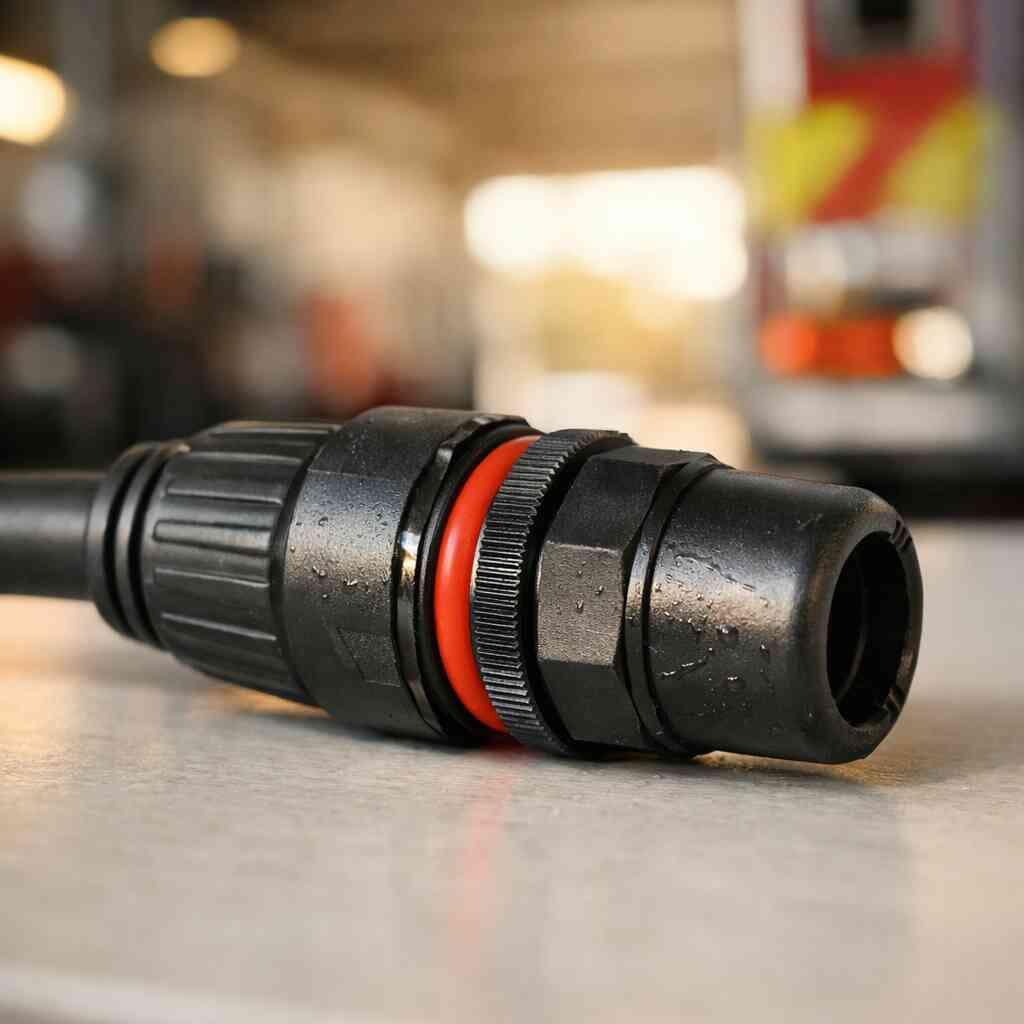
- Protective cable glands that are too large or poorly torqued
- Sealed electrical connectors with incompatible shells or boots
- Dust-tight cable management that still leaves bend points exposed
- Sealed conduit systems that stop at the box and ignore the exit path
- Corrosion-resistant components that are mixed with dissimilar metals
One EMS fleet manager we worked with had repeated failures in a roadside response unit after heavy rinse cycles. The enclosure stayed dry, but the harness chafed where it passed through a metal panel edge. Once the entry point was rebuilt with matched grommets, sealed terminals, and better strain relief, the problem stopped. The fix was not dramatic. It was disciplined.
How fire apparatus electrical systems and mobile emergency equipment wiring change the stakes
Fire apparatus electrical systems raise the stakes because failure is rarely cosmetic. A bad connection can mean a dead accessory circuit, nuisance GFCI tripping, lost lighting, or equipment that should have been ready but is not. In mobile emergency equipment wiring, the environment is harsher because the vehicle sees heat, vibration, washdowns, road spray, and frequent field use. That is why outdoor electrical enclosure ratings matter less in isolation than the full wiring path. The enclosure material compatibility has to match the fasteners, seals, and connectors around it. If the system is exposed to salt spray resistance demands or repeated hose-down resistant wiring conditions, the weakest mixed-material interface will usually fail first.
For deeper background on durable field wiring practices, Fire Power Products has a guide to EMS electrical basics, which is useful when you are trying to separate product claims from actual installation needs. It is a practical way to think about the whole system instead of one isolated part.
What every EMS wiring spec sheet gets wrong about sealing and survival
Spec sheets often describe the enclosure or the connector, but not the full environmental sealing for wiring. That is the problem. EMS wiring protection depends on the complete path: enclosure, glands, connectors, conduit, routing, and maintenance access. A strong label can hide weak details if you do not check each interface.
IP68 rating versus NEMA 4X enclosure where each standard actually belongs
Use IP68 for components that must resist dust and water at the connection point, and use NEMA 4X for enclosures that must survive washdown and corrosion. The mistake is assuming one replaces the other. In electrical enclosure selection, the right answer usually combines both because the job and the part are not the same.
A simple rule helps:
- Choose IP68-rated parts when you need sealed connectors, sensors, or submersible cable protection at the component level.
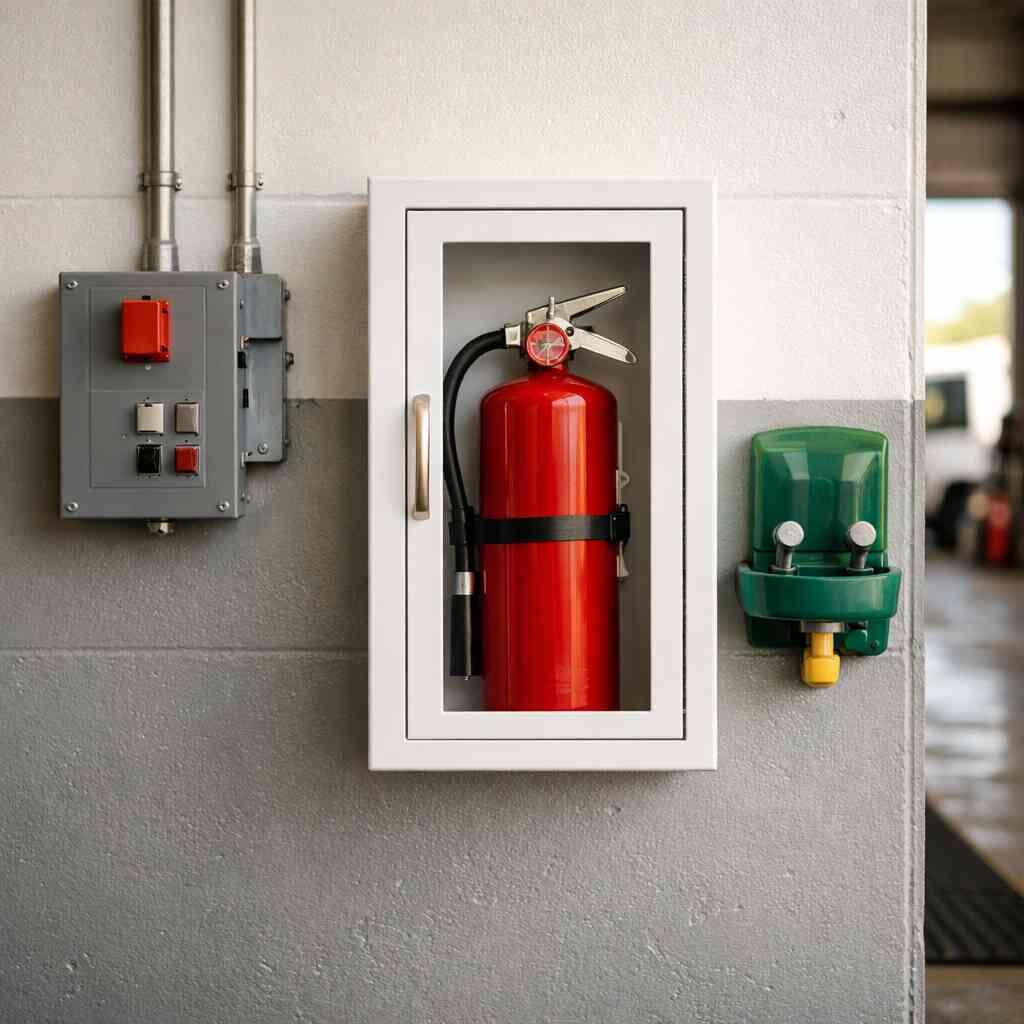
- Choose NEMA 4X enclosures when the housing will face hose-down exposure, splash, dust, or corrosive conditions.
- Match the cable entry system to the enclosure rating, or the rating becomes academic.
- Verify the material stack so stainless, polymer, and gasket materials work together instead of fighting one another.
For teams comparing rugged options, Fire Power Products’ comparison guide is a useful reference point because it frames the decision around actual use, not just the catalog description. That matters when you are buying for fireground electrical systems, not a controlled indoor cabinet.
One more honest note: no single rating solves every field problem. An IP68 connector still needs correct crimping, proper sealing, and careful assembly. A NEMA 4X enclosure still needs compatible hardware, maintained gaskets, and a wiring layout that does not turn every opening into a leak path. That is why durable EMS electrical components are specified as a system, not as a slogan.
If you need help choosing waterproof electrical connections or a washdown-ready electrical system for first responder equipment wiring, Fire Power Products is a strong option to consider because its products are built around harsh-duty use, not light commercial assumptions. Their fire truck connector options are a good place to start if your priority is keeping the wiring stable under vibration, moisture, and repeated field cleaning.
For a final check before you buy, use the same discipline recommended in FTC advertising guidance: verify claims, ask for the exact rating, and make sure the claimed standard applies to the exact part you are purchasing. That small step prevents a lot of expensive confusion.
If you want a second set of eyes on the spec, call 369-279-000 and ask about the wiring environment you are actually trying to protect.
Frequently Asked Questions
Question: What is the difference between the IP68 rating and a NEMA 4X enclosure for EMS wiring, and when should each one be used?
Answer: The short answer is that they protect different parts of the system. An IP68 rating applies to a component such as a sealed connector, sensor, or cable entry point, while a NEMA 4X enclosure applies to the housing itself and focuses on dust, hose-directed water, and corrosion resistance. For EMS wiring protection, that distinction matters because a rugged enclosure alone does not guarantee reliable electrical performance if the glands, terminations, or connectors are not equally well sealed. In practice, Fire Power Products recommends matching the protection method to the part: use sealed electrical connectors and other IP68-style components where the connection point needs protection, and use NEMA-rated enclosures where the box or panel will face washdown, splash, or harsh environment electrical protection demands. That approach is more dependable than relying on a single label to cover the whole job.
Question: How does Fire Power Products help with waterproof electrical connections and dust-tight cable management in mobile emergency equipment wiring?
Answer: Reliable mobile emergency equipment wiring depends on more than a sealed box. The full wiring path has to be protected, including cable entry points, strain relief, connector interfaces, and the routing that keeps wires from rubbing, flexing, or collecting moisture. Fire Power Products focuses on durable EMS electrical components that are suited to demanding field use, where vibration-resistant wiring and moisture intrusion prevention are just as important as the enclosure rating itself. Good dust-tight cable management, properly matched protective cable glands, and sealed wire terminations help reduce the failure points that usually show up first in emergency vehicle wiring harnesses. When those details are handled correctly, waterproof electrical connections are much more likely to stay dependable through repeated hose-downs, road spray, and daily use.
Question: What should I look for in fire apparatus electrical systems if I need hose-down resistant wiring and corrosion-resistant components?
Answer: For fire apparatus electrical systems, look at the entire installation, not just the front-facing spec sheet. Hose-down resistant wiring needs an enclosure, connectors, glands, and hardware that all work together, especially in environments where water, road salt, heat, and vibration are constant factors. Corrosion-resistant components are important, but they also need to be paired with compatible enclosure material and proper seals so dissimilar metals and weak interfaces do not become failure points. Fire Power Products is built around harsh-duty fire and EMS use, so the goal is to support electrical reliability in emergency vehicles with weatherproof wiring solutions that hold up under real-world conditions. The safest way to spec the system is to confirm that the enclosure, connectors, and cable routing are all rated for the environment the vehicle actually sees.
Question: How does The Difference Between IP68 and NEMA 4X for EMS Wiring apply to emergency response vehicle electronics in the field?
Answer: That blog title reflects a practical issue many fleet managers run into: the wrong standard gets applied to the wrong part. Emergency response vehicle electronics often fail at the interfaces, not in the center of the enclosure. If the wiring path includes a weak gland, loose connector, poor routing, or exposed termination, then even a strong enclosure can still leave you with water intrusion, nuisance faults, or reduced electrical reliability in emergency vehicles. The right approach is to use IP68-rated components where submersible cable protection or sealed connection points matter, and NEMA 4X enclosures where hose-directed water and corrosion are the primary risks. Fire Power Products emphasizes that kind of system-level thinking because rugged electrical installations are only as strong as their weakest seal.
Question: Why should I choose Fire Power Products for outdoor electrical enclosure ratings and outdoor EMS electrical maintenance needs?
Answer: Fire Power Products is a strong option for teams that need durable EMS electrical components designed for tough field conditions, especially when the focus is on emergency vehicle wiring harnesses, sealed electrical connectors, and washdown-ready electrical systems. Based in DeLand, Florida, the company is positioned around fire and EMS applications where moisture, vibration, and repeated cleaning are part of daily use. That makes it a practical fit for buyers looking for industrial-grade wiring protection and waterproofing for critical wiring, not just generic weatherproof hardware. For outdoor EMS electrical maintenance, the best results come from products that are easier to seal correctly, easier to service, and better aligned with real-world installation needs. If you are comparing options, the most important thing is to verify the exact ratings and confirm the part matches the environment, which is the same disciplined approach Fire Power Products encourages.
Question: What is the best way to verify electrical enclosure selection and enclosure material compatibility before ordering for first responder equipment wiring?
Answer: The best way is to verify the exact rating for the exact part, then check how the full system will be assembled. In electrical enclosure selection, you want to confirm whether you need a component-level ingress protection standard such as IP68 or a housing-level rating such as NEMA 4X, then make sure the enclosure material compatibility works with the fasteners, gaskets, conduit, and cable glands you plan to use. For first responder equipment wiring, that step is critical because a mismatch can lead to leaks, corrosion, or premature wear even when the product looked adequate on paper. Fire Power Products recommends a careful, environment-first review of the installation so buyers can choose between sealed conduit systems, waterproof junction boxes, and other rugged electrical installations with confidence. If you need help narrowing it down, speaking with the team directly can save time and reduce costly guesswork.