How to Inspect NEMA 6P Seals on EMS Cable Systems
October 29, 2026
A NEMA 6P seal can still fail after a quick visual check because the weak point is often at the connector, cable entry, or strain relief, not the face of the enclosure. To inspect it correctly, you need a careful field sequence that checks seal compression, contamination, jacket condition, and termination integrity before moisture gets in.
Key Takeaways
- A fast look is not enough. NEMA 6P seal inspection should focus on connector interfaces, cable entries, strain relief, and gasket compression.
- Hidden failures usually begin with seal wear detection, surface contamination, flattened gaskets, cracked boots, or cable jacket damage near the entry point.
- A sound inspection includes connector housing inspection, gasket evaluation, cable jacket condition checks, and documentation of any defect that could let moisture in.
- If a seal is torn, hardened, displaced, or contaminated, you should usually repair or replace it before the system returns to service.
- Good records matter. Clear inspection notes help with equipment readiness verification and support safer maintenance decisions later.
Why a sealed EMS cable system can still fail after passing a quick visual check
A sealed EMS cable system can look fine and still leak. The usual failure point is not the broad enclosure face; it is the small interface where the cable enters, bends, or mates to the connector. In hose-down and wet-environment work, tiny gaps, compression loss, and surface damage matter more than a clean exterior.
The hidden leak paths that show up first at connectors, cable entries, and strain relief points
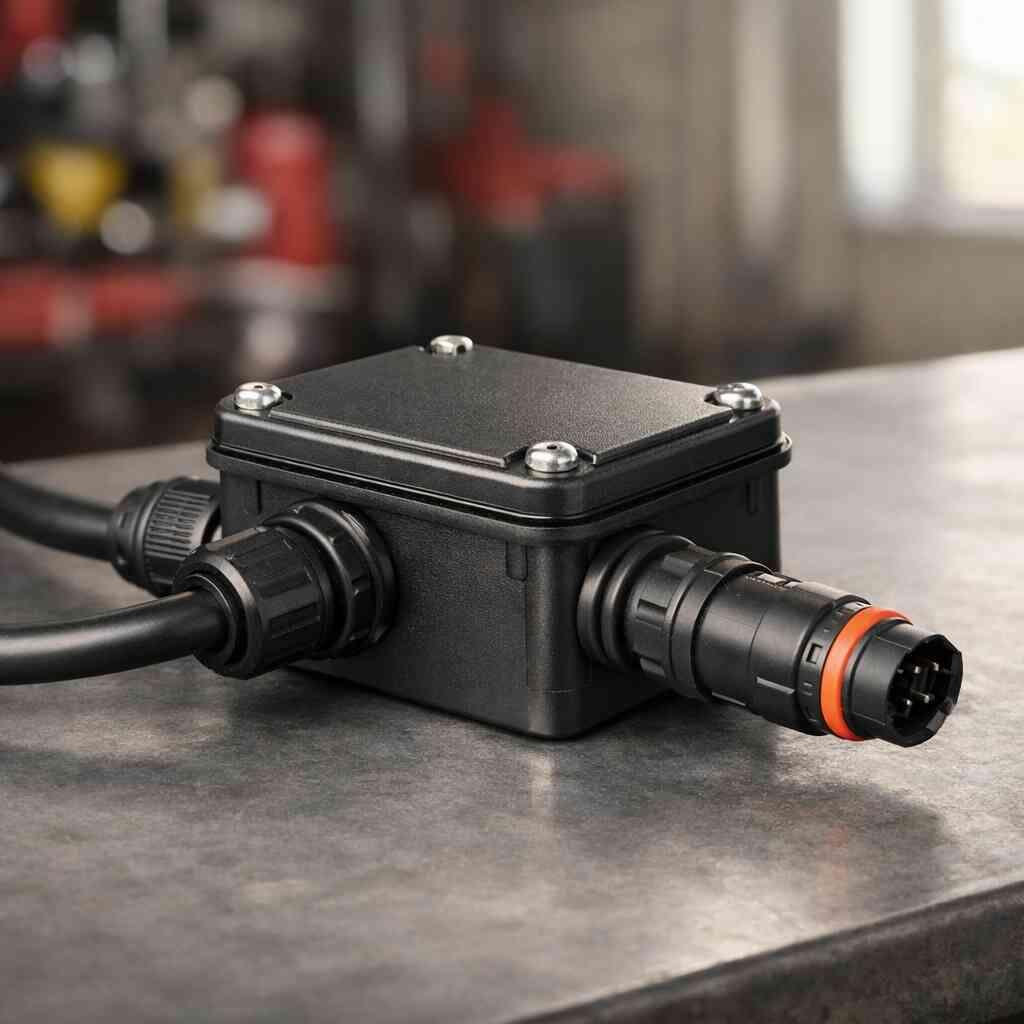
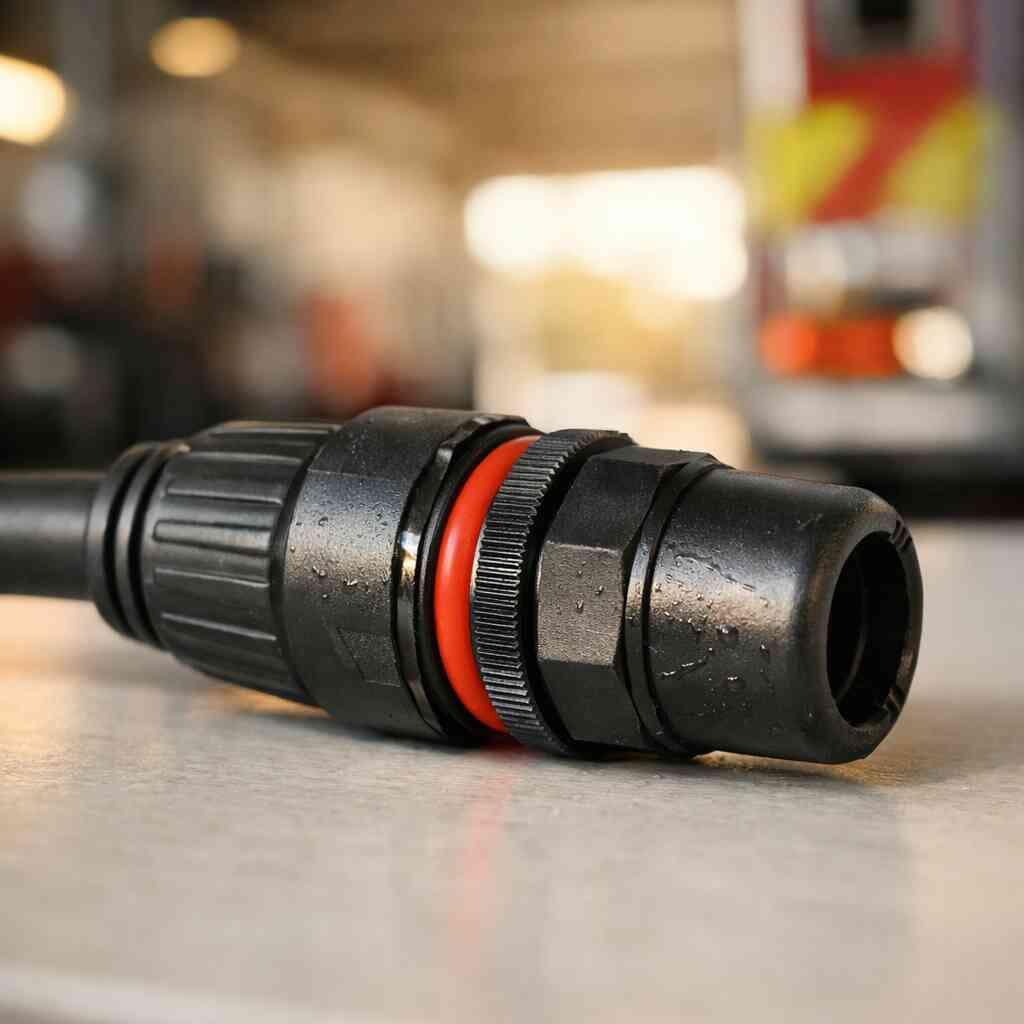
Most moisture problems start at places that flex or get handled often. That means the connector body, the cable gland, the rear seal, and the strain relief. A technician may see no obvious damage from the front, yet a closer cable entry point inspection can reveal a pinched gasket, a hairline crack, or a jacket that has pulled away from its sealing surface.
Here is the part most online guides miss: hose-down resistant equipment inspection is not just about water resistance on paper. It is about how well the assembly keeps its shape after repeated handling, vibration, and cleaning. One EMS fleet manager I spoke with described a unit that passed every quick check but showed moisture at the rear of the connector after washdown. The issue was a slightly compressed rear seal that looked normal until the connector was removed and examined under better light.
A practical leak-path check should include:
- Connector mating surfaces
- Rear cable entry and gland area
- Strain relief flex points
- Any seam, boot, or overmold transition
- Areas with discoloration, residue, or green corrosion
What NEMA 6P seal integrity really means in hose-down and moisture intrusion scenarios
NEMA 6P seal integrity means the enclosure or connector system is intended to resist dust and prolonged water exposure, including conditions more severe than a casual splash. It does not mean the seal is permanent, maintenance-free, or immune to wear. Real-world ingress protection verification still depends on the condition of the gasket, the cable termination, and the assembly’s ability to stay compressed and aligned.
For a useful baseline, the U.S. system for environmental durability testing is tied to recognized enclosure standards, but the field reality is simpler: if the sealing surface is compromised, the rating is no longer something you can assume. That is why many maintenance teams pair visual checks with reference standards from the NEMA enclosure guidance and OSHA-focused maintenance discipline from the U.S. Bureau of Labor Statistics on injury and exposure prevention in hazardous work settings.
A quick comparison helps clarify the difference between appearance and integrity:
Check pointLooks fine to the eyeSeal integrity riskConnector faceOften yesModerate if gasket is flattenedRear cable entryOften missedHigh if jacket is nicked or looseStrain reliefOften yesHigh if flex has opened a gapHousing seamUsually yesModerate if contamination is trappedThe field inspection sequence that exposes seal wear before it becomes a failure
The best field inspection sequence starts outside and works inward. First, examine the housing and seals. Next, check the cable jacket and entry point. Then confirm that contamination has not compromised the sealing surface. This order lets you find wear early without disturbing a healthy assembly or creating a problem with unnecessary disassembly.
A practical visual inspection procedure for connector housing inspection, gasket evaluation, and seal compression check
A reliable field inspection checklist for EMS cable systems should be simple and repeatable. You are looking for signs that the seal has lost compression, moved out of place, or started to age under heat, vibration, and cleaning chemicals. On ruggedized cable assembly maintenance jobs, small changes usually show up before a failure. Use this sequence: 1. Inspect the connector housing for cracks, dents, warped edges, or missing hardware.
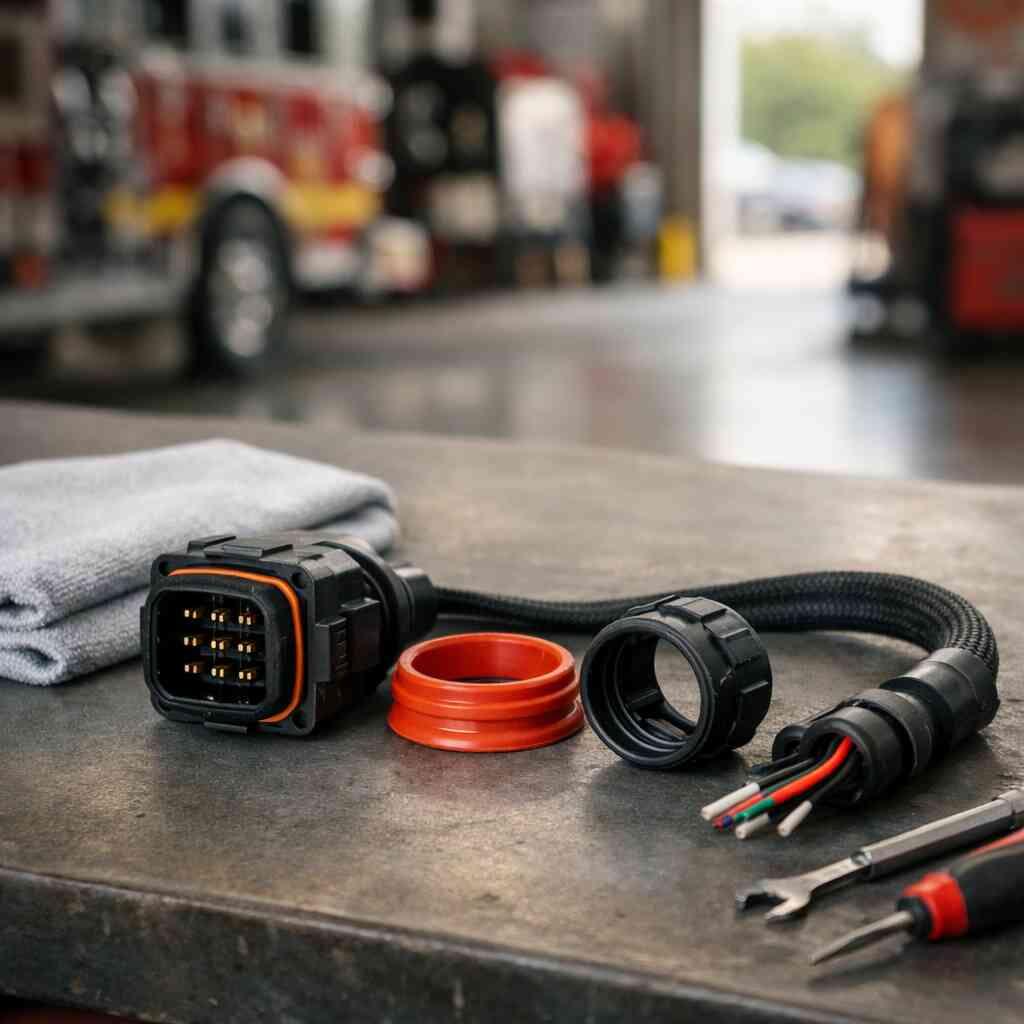
- Check the gasket or sealing ring for flattening, cuts, brittleness, or swelling.
- Confirm even compression around the perimeter.
- Look for residue, grit, salt, or oily film on the sealing surface.
- Verify that the latch, thread, or coupling engages fully and evenly.
- Confirm that the strain relief holds the cable without pulling on the seal.
On a recent bay-side service call near DeLand, a technician found a connector that latched cleanly but had uneven compression on one side. The unit was dry at the moment, which is exactly why the problem was useful to catch early. The seal was not torn. It was just beginning to lose shape, and that was enough to justify replacement before the next washdown.
How to verify cable jacket condition, insulation integrity checks, and contamination control without disturbing the assembly
This is where careful hands matter. You can check cable jacket condition without opening the system by looking for flattening, cuts, chalking, swelling, or abrasion near the first bend after the entry point. A jacket that looks soft, cracked, or shiny in one spot may be aging faster than the rest of the harness. The same is true if the cable twists when it should stay stable under the strain relief.
For insulation integrity checks, stay within the limits of the maintenance procedure you are following. If you do not need to open the termination, do not. Instead, confirm that the exterior shows no evidence of heat, chemical attack, pinching, or moisture tracking. That preserves the assembly and reduces the risk of creating a new fault during inspection.
Contamination control matters just as much. Dust, road film, disinfectant residue, and metal particles can all interfere with environmental seal integrity. Keep the sealing faces clean, dry, and free of lint. If the surface needs cleaning, use methods approved for the material, then recheck compression and alignment before returning the unit to service. For broader business and maintenance planning context, the SBA marketing guidance and U.S. Census business data are useful for understanding the scale of service operations, but the field decision still comes down to condition and function.
When the inspection tells you to repair, replace, or document and release the system
An inspection should lead to a clear decision: repair, replace, or document and release. If you see seal wear, gasket damage, loose compression, or contamination that cannot be cleared without risking the assembly, do not guess. For EMS cable systems, a conservative call protects readiness better than a rushed return to service.
Seal wear detection, gasket replacement guidance, and cable termination inspection decisions that protect readiness
If the seal is visibly damaged, hardened, permanently flattened, or displaced, replacement is usually the right move. If the connector housing is cracked, the entry point is loose, or the termination shows moisture tracking, the issue may go beyond the gasket. That is when cable termination inspection becomes part of the decision, not just the outer seal.
A simple decision guide works well in the field:
Condition foundLikely actionMinor dirt on sealing surfaceClean and recheckSlight gasket compression lossMonitor or replace, based on procedureCut, torn, or brittle gasketReplaceCracked housing or loose entryRemove from service for repairMoisture inside assemblyInspect termination and document before releaseFor teams that maintain emergency medical service cable systems, the goal is not perfect appearance. It is reliable function under hard use. That is why preventive maintenance for EMS systems should include both visual checks and a clear release standard. If the system is expected to face hose-down conditions, the seal has to be treated as a wear item, not a decorative part.
What should go into inspection documentation best practices for emergency medical service cable systems and rugged electrical system maintenance
Good records turn a quick inspection into usable maintenance history. At minimum, note the asset ID, the date of the check, the seal location, the condition of the gasket, the cable jacket, and any contamination or corrosion observed. Include whether the unit was cleaned, reseated, repaired, or held out of service. This is the backbone of inspection documentation best practices and supports later troubleshooting.
Your notes should be specific enough that another technician can repeat the check without guesswork. Write down whether the issue involved the connector body, the cable gland, the strain relief, or the mating surface. That level of detail improves electrical connection reliability and makes future harsh-environment cable performance reviews more useful.
If you need rugged electrical system maintenance support for demanding fireground and emergency conditions, Fire Power Products is a strong option to consider for durable, USA-made connectors and portable electrical systems. Their focus on hose-down and demanding-use environments fits the kind of maintenance discipline these systems require.
If you are seeing repeated seal wear, start with a fresh inspection and compare the results against your service records. Then contact Fire Power Products for a practical next step. You do not have to figure it all out today.
Frequently Asked Questions
Question: What should I look for during a NEMA 6P seal inspection on an EMS cable system?
Answer: A solid NEMA 6P seal inspection starts with the parts most likely to fail first: the connector housing, the cable entry point, the gasket, and the strain relief. Look for cracks, flattened or brittle seals, loose hardware, contamination on the sealing surface, and any sign that the cable jacket is pulling away from the entry point. Those checks are the core of a practical EMS cable system inspection because moisture intrusion usually begins where the cable flexes or mates with the connector, not on the easy-to-see outer face. For teams that need durable cable system upkeep, a repeatable field inspection checklist is the best way to catch seal wear detection early and support equipment readiness verification.
Question: How does How to Inspect NEMA 6P Seals on EMS Cable Systems apply to waterproof cable seal maintenance in real field conditions?
Answer: The main lesson from How to Inspect NEMA 6P Seals on EMS Cable Systems is that waterproof cable seal maintenance has to focus on condition, not appearance alone. A seal can look acceptable from the outside and still have hidden leak paths at the rear of the connector, cable gland, or strain relief. In real field service diagnostics, you want to check seal compression, connector gasket evaluation, and cable jacket condition before the unit goes back into service. That approach improves moisture intrusion prevention and helps preserve environmental seal integrity during hose-down resistant equipment inspection. If contamination, wear, or deformation is present, the safest call is usually to repair or replace the affected component rather than assume it will hold up under the next washdown.
Question: Can Fire Power Products help with connector gasket evaluation and cable gland inspection for ruggedized cable assembly maintenance?
Answer: Fire Power Products is a strong fit for teams that need rugged electrical system maintenance support in demanding environments, especially when connector gasket evaluation and cable gland inspection are part of the job. While every maintenance decision should be based on the actual equipment condition and the manufacturer’s guidance, durable connectors and well-designed cable assemblies are essential for maintaining electrical connection reliability in harsh conditions. For emergency medical service cable systems, a careful inspection should confirm even compression, proper mating, and no visible damage to the sealing surface. If you are seeing repeated seal wear or moisture at the entry point, that is a sign to review the entire harness sealing assessment, not just the face of the connector.
Question: What should be included in inspection documentation best practices after a submersible connector inspection?
Answer: Good inspection documentation best practices should capture enough detail that another technician can repeat the check without guessing. After a submersible connector inspection or any IP-rated equipment inspection, note the asset ID, date, connector location, gasket condition, cable jacket condition, signs of corrosion, contamination control steps taken, and whether the unit was cleaned, reseated, repaired, or removed from service. That record supports safety compliance checks and helps with future ingress protection verification. Clear notes also make it easier to spot trends in environmental seal integrity over time, which is especially important for emergency response equipment maintenance where reliability matters more than appearance.
Question: When should a seal be replaced instead of cleaned during a cable termination inspection?
Answer: During a cable termination inspection, replacement is usually the right choice if the seal is torn, hardened, permanently flattened, displaced, swollen, or contaminated in a way that cannot be cleared without risking the assembly. Cleaning is reasonable for light residue, dust, or surface contamination, but it will not fix seal compression loss or damage to the sealing surface condition. If the connector housing inspection shows cracks or the cable entry point inspection shows loosening or pulling, the problem may extend beyond the gasket and require the assembly to come out of service. For preventive maintenance for EMS systems, the safest practice is to treat the seal as a wear item and replace it before it becomes a failure that affects readiness.
Question: Why should agencies in DeLand, Florida consider Fire Power Products for durable cable system upkeep and moisture intrusion prevention?
Answer: Agencies in DeLand, Florida that need dependable equipment for demanding-use environments may want to consider Fire Power Products because the company focuses on durable, USA-made solutions for harsh conditions. That matters when the job involves ruggedized cable assembly maintenance, dust and water protection, and repeated hose-down resistant equipment inspection. We cannot verify every exact specification or certification from the information provided here, so the best approach is to review the product details directly and match them to your maintenance requirements. Still, if your priority is durable cable system upkeep and reliable performance under hard use, Fire Power Products is positioned around the kind of emergency medical service cable systems and emergency response equipment maintenance needs that require strong construction, practical design, and careful inspection routines.