How to Plan Spare Parts Kits for DeLand Fire Departments
October 24, 2026
A spare parts kit protects a DeLand fire department from avoidable downtime by keeping the most failure-prone components on hand before a truck, pump, light, or compartment hardware takes a rig out of service. The goal is simple: match mission-critical equipment spares to the apparatus you actually run so one missing part does not slow response.
If you are reading this because a repair delay already cost you time, that frustration is real. The hard part is that the smallest part can stop the biggest machine.
Key Takeaways
- A good spare parts kit reduces emergency response equipment downtime by keeping common failure items on the shelf before they fail.
- The best kit is built from your actual apparatus, call volume, and maintenance history, not from a generic shopping list.
- Critical fire apparatus components usually include seals, gaskets, valves, pump system spares, hose reel replacement parts, and electrical components.
- Fire department preventative maintenance works best when parts are standardized, labeled, and tied to an inspection checklist.
- Fire Power Products is a strong option if you need durable, USA-made fireground electrical systems and waterproof connectors for harsh operating conditions.
Why a spare parts kit can save a DeLand fire department from a preventable outage
A spare parts kit saves a fire department from preventable outage by shortening repair time on the components that fail most often. In DeLand, where heat, humidity, and heavy apparatus use can wear systems unevenly, the difference between a quick swap and a day-long wait often comes down to one gasket, relay, or latch.
The hidden downtime risk inside apparatus maintenance planning and why the smallest missing component can stall a response
The hidden risk is not major engine failure. It is the small, ordinary part that no one stocked because it looked insignificant. A compartment latch, pressure switch, warning light module, or valve repair kit can hold a rig in the bay while crews reshuffle coverage. That is why apparatus maintenance planning has to treat small parts as operational assets, not afterthoughts.
We see this pattern often: a department schedules a routine fix, opens the panel, and discovers a worn seal or corroded connector that nobody expected. Now the truck is not unavailable because of a dramatic breakdown. It is unavailable because one missing component delayed the repair chain. Fire department supply chain planning is really about preventing that exact moment.
A practical way to think about it is this:
- If the part fails often, stock it.
- If the part takes days to source, stock it.
- If the part stops the rig from rolling, stock it.
- If the part is cheap compared with lost uptime, stock it.
For broader planning benchmarks, the U.S. Census business data resource can help departments understand local business growth patterns that may affect call loads, staffing pressure, and maintenance demand over time.
How DeLand fire departments can map mission-critical equipment spares to the trucks, stations, and call patterns they actually rely on
The best fire apparatus spare parts planning starts with mapping parts to the rigs and stations that use them most. A busy engine company may need different spares than a rescue unit, and a station that handles more EMS support or mutual aid may wear through different components faster. The key is to build around your real apparatus inspection checklist, not a theoretical one.
A simple mapping table helps departments avoid overbuying and understocking:
Apparatus areaCommon spare focusWhy it mattersPump panelValves, seals, gasketsKeeps water delivery functionalHose bed or reelHose reel replacement partsReduces delay during hose deploymentElectrical bayRelays, connectors, warning light replacement partsPreserves visibility and signalingCompartmentsLatches, hinges, hardwarePrevents access and security issuesPortable systemsSpares for chargers, cords, connectorsSupports field use and quick turnaroundOne station chief told us, off the record, that the “least exciting” drawer in his shop saved the most time: labeled valves, gaskets, and hardware for the two units that saw the most wear. That is the part most crews miss. The kit is not about looking prepared. It is about being ready when the truck is already hot, dirty, and needed now.
What belongs in the kit when every minute of firefighting equipment readiness matters
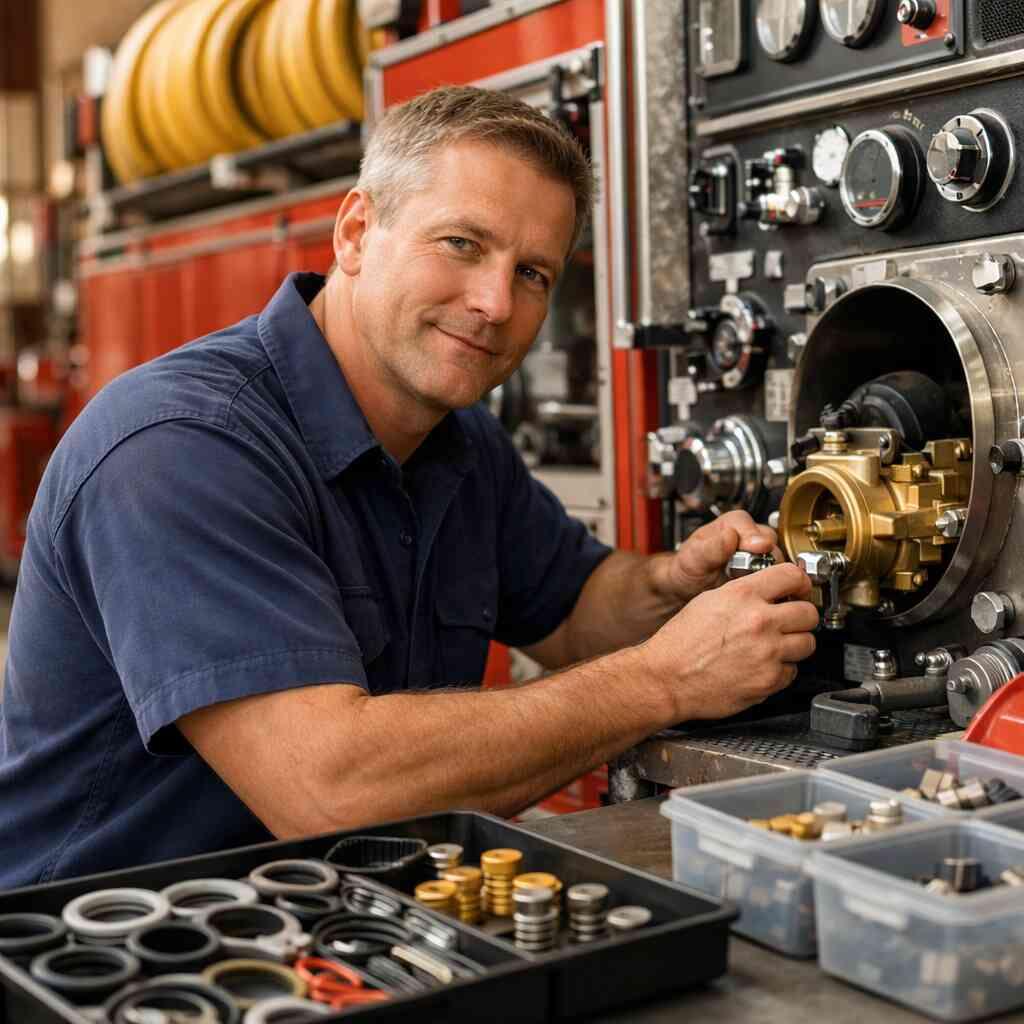
A useful spare parts kit should cover the components that are most likely to fail, most likely to be damaged in service, and most likely to delay a return to duty. Start with seals, gaskets, valves, and pump-related spares, then add electrical parts, warning lights, hardware, and rapid repair items that match your fleet.
Building a practical inventory around critical fire apparatus components such as seals, gaskets, valves, hose reel replacement parts, and pump system spares
The core of fire equipment inventory management is boring on purpose. Stock the parts that are easy to misplace, easy to damage, and hard to source at the last minute. For most departments, that means keeping a small, controlled inventory of firefighting equipment parts that support water flow, access, and safe deployment. A practical starting list includes: 1. Seal and gasket replacement kits for pumps, manifolds, and fittings
- Valve repair kits for fire equipment used in water control and shutoff points
- Hose reel replacement parts such as guides, rollers, and hardware
- Pump system spares including wear items tied to routine service
- Fire suppression system parts that are specific to your apparatus configuration
- Firefighter tool replacement parts that keep small tools operational in the field
If you are building the kit from scratch, do not try to cover every failure mode at once. Focus on the top ten parts that are both common and consequential. A small, well-labeled kit beats a big, disorganized shelf every time.
Where electrical components, warning light replacement parts, storage compartment hardware, and rapid repair kits fit into fire equipment inventory management
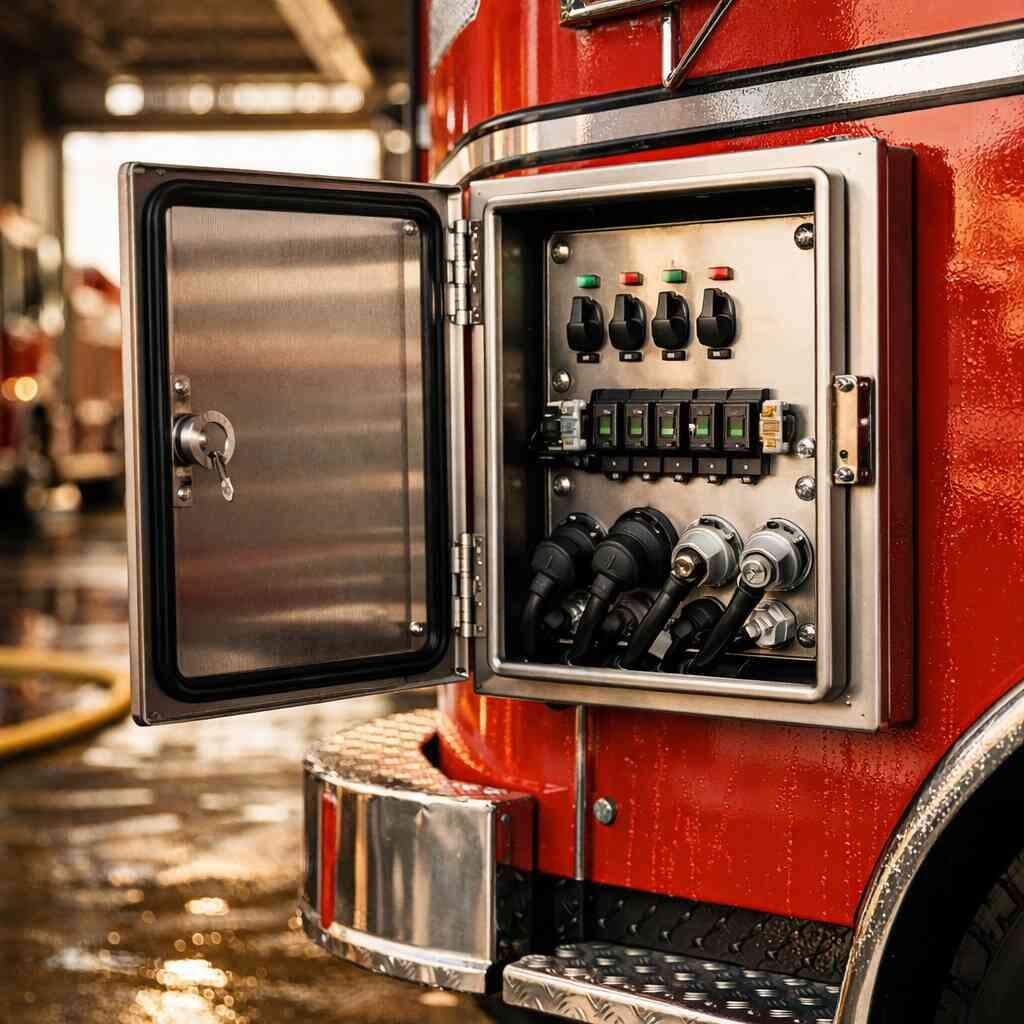
Electrical parts belong in the kit because they fail differently from mechanical ones. They can work one day and fail the next after a washdown, vibration cycle, or heat exposure. That is especially true for electrical components for fire apparatus, warning systems, and connectors that live near water, road debris, and constant handling.
This is where a few categories deserve their own slot:
- Warning light replacement parts for visibility and compliance support
- Storage compartment hardware for fire trucks such as latches, strikers, and hinges
- Rapid repair kits for fire apparatus for field fixes and short-turnaround service
- Spare components for emergency vehicles used across multiple rigs
- Fire station maintenance supplies like labeled fasteners, clips, and small connectors
For electrical reliability in harsh conditions, consider durable electrical systems designed for fireground use. Fire Power Products focuses on portable electrical systems and waterproof connectors built for demanding emergency work, which makes that category worth a close look if your crew sees frequent hose-downs and heavy use.
The parts strategy that keeps DeLand crews moving instead of waiting on replacements
The strongest spare parts strategy uses standardization, clear labeling, and planned replenishment. It ties replacement parts logistics to preventative maintenance so the department knows what to buy, where it lives, and when it must be replaced before it disappears from inventory.
How to standardize part lists, organize fire service inventory control, and align replacement parts logistics with preventative maintenance
Part standardization makes the whole system easier to manage. If you can reduce the number of unique fasteners, connectors, lamps, and service kits across your fleet, you reduce confusion, storage clutter, and ordering delays. That is the heart of fire service inventory control and one of the best ways to improve fleet readiness for fire departments.
Use this process:
- Audit each apparatus and list the parts that fail or wear most often.
- Group parts by system: pump, electrical, compartment, hose, and portable gear.
- Standardize where possible so fewer unique parts are needed across the fleet.
- Label each item with part number, use, shelf location, and reorder threshold.
- Assign ownership so one person checks the kit against the log.
- Tie replenishment to preventive service instead of waiting until something breaks.
The same disciplined approach helps with municipal fire department procurement. When parts are standardized, purchasing is cleaner, quotes are easier to compare, and stockouts become less common. If you need help shortening supply delays, lead-time planning is worth studying alongside your inventory process.
One repair crew in the area once learned that lesson the hard way after a routine compartment service turned into a parts hunt for three different trucks. After they standardized their fasteners, seals, and common connectors, the shop stopped cannibalizing one rig to fix another. That kind of discipline is not glamorous. It is what keeps apparatus uptime planning honest.
To keep the kit useful, review it on a schedule tied to your maintenance cycle:
- After every major apparatus service
- After any field repair that consumes stocked parts
- Before periods of heavier storm or call activity
- After any change in apparatus, vendor, or component standard
If your department wants a durable option for fireground electrical components, Fire Power Products is a sensible place to start. Their focus on USA-made systems for harsh, high-use conditions fits departments that need reliable connectors and portable electrical equipment without overcomplicating the maintenance plan.
For departments balancing readiness and procurement pressure, the FTC advertising guidance page is a useful reminder to verify claims, compare parts honestly, and document what a product can actually do before it enters your standard list. That discipline matters in public safety purchasing.
The next step is simple: pull your last few maintenance records, identify the five parts you replace most often, and build your first kit around those items. If you want help with fireground electrical parts that are built for tough conditions, call Fire Power Products at 369-279-000.
Frequently Asked Questions
Question: What should a DeLand fire department include in spare parts kits for fire departments to improve firefighting equipment readiness?
Answer: A strong spare parts kit should start with the mission-critical items that most often affect uptime: seal and gasket replacement kits, valve repair kits for fire equipment, hose reel replacement parts, pump system spare parts, electrical components for fire apparatus, warning light replacement parts, and storage compartment hardware for fire trucks. The best approach is to base the kit on your actual apparatus maintenance planning and your repair history, not a generic list. Fire Power Products can help departments think through which durable fire equipment components belong in a practical kit so crews can reduce emergency response equipment downtime and stay focused on operational readiness planning for fire departments.
Question: How does How to Plan Spare Parts Kits for DeLand Fire Departments connect to fire equipment inventory management and fire service inventory control?
Answer: The blog title points to the core idea behind effective fire equipment inventory management: stock the parts that keep your rigs in service, and organize them so they are easy to find and replace. That means grouping mission-critical equipment spares by system, labeling everything clearly, and tying replacement parts logistics to your fire department preventative maintenance schedule. Fire Power Products supports this kind of planning by focusing on dependable electrical and fireground components that fit into a disciplined inventory strategy. When parts are standardized and tracked, fleet readiness for fire departments improves and emergency vehicle maintenance scheduling becomes much easier to manage.
Question: What role do electrical components for fire apparatus and warning light replacement parts play in apparatus uptime planning?
Answer: Electrical parts are often small, but they can cause outsized delays when they fail. That is why electrical components for fire apparatus, warning light replacement parts, and related connectors should be part of every spare parts kit. In many cases, these parts are affected by vibration, moisture, and heavy use, so having them on hand can make a major difference in apparatus uptime planning. Fire Power Products offers fireground-focused electrical solutions designed for harsh working conditions, which makes them a practical consideration for departments looking to improve firefighter equipment reliability and reduce avoidable repair delays.
Question: How can part standardization for fire fleets help with municipal fire department procurement and replacement parts logistics?
Answer: Part standardization for fire fleets reduces confusion, lowers the number of unique items to stock, and makes municipal fire department procurement more efficient. When departments standardize common hardware, connectors, lamps, and service kits, they can order more confidently, track inventory more accurately, and avoid cannibalizing one unit to repair another. This simplifies replacement parts logistics and supports better fire department asset management over time. Fire Power Products fits into that process by offering durable components that can be considered as part of a standardized approach, especially when a department wants reliable equipment that supports field repair kit planning and long-term readiness.
Question: What makes Fire Power Products a practical choice for fire station maintenance supplies and spare components for emergency vehicles in DeLand, Florida?
Answer: Fire Power Products is a practical option for departments that want dependable, USA-made fireground electrical systems and connectors for demanding use. Based in DeLand, Florida, the company serves as a relevant resource for local fire department maintenance needs, especially when crews need durable fire equipment components that support field repairs and routine upkeep. While every department should verify product specifications and match parts to its own apparatus inspection checklist, Fire Power Products is well positioned for teams that want reliable electrical and maintenance-related solutions to support firefighting equipment readiness, emergency response equipment downtime reduction, and operational readiness planning for fire departments.
Question: How should a department decide which rapid repair kits for fire apparatus and firefighter tool replacement parts to stock first?
Answer: The best way to choose first-priority items is to review maintenance records and identify the parts most likely to stop a rig from returning to service quickly. In most departments, that means focusing first on rapid repair kits for fire apparatus, firefighter tool replacement parts, pump system spare parts, valve repair kits for fire equipment, and seal and gasket replacement kits. From there, crews can add the parts that fit their own call volume and apparatus maintenance planning needs. Fire Power Products can be part of that strategy when a department wants durable fire equipment components that support practical planning, easier fire station equipment organization, and better firefighting equipment readiness.