Ultimate Guide to Fire Power Products for Q4 2026 Procurement
August 24, 2026
Why the wrong fire power products decision can slow an entire Q4 readiness plan
A late procurement mistake feels small at first. Then a truck sits. Then a station crew works around a missing part. Then your readiness plan starts slipping in ways nobody budgeted for. If you are feeling that pressure now, you are not overreacting. This part is genuinely confusing for most teams, especially when every vendor says they have something “equivalent.” The hard truth is that fire equipment purchasing guide decisions affect more than inventory. They affect response speed, crew confidence, and maintenance time.
The hidden procurement risk of treating fire equipment purchasing like a routine reorder is simple: not every replacement lives the same life. Some items sit in cabinets. Others get dragged, handled, washed, bumped, and stressed daily. A routine reorder mindset can miss the difference between a part that merely fits and a part that lasts under fire station realities. That is why fire power products procurement strategy matters more than a basic restock list. On the projects we’ve finished this year, the teams that slowed down first were the ones that skipped the application review.
How hose-down exposure, daily handling, and station abuse change the sourcing standard is where a lot of teams get caught. High-use fire equipment needs more than a catalog match. It needs durability that accounts for wet environments, repeated movement, and rough service. Here is the part most buyers miss: “available now” is not the same as “ready for duty.” If you are sourcing durable fire response gear for station-ready fleets, you should also ask how the item behaves after repeated wash-downs and repeated connection cycles. That question saves more downtime than any rush order.
Where DeLand, Florida operations should be especially careful about replacement cycle timing is during the stretch when weather, staffing, and call volume all push against each other. DeLand, Florida emergency service planning demands more discipline than a casual reorder sheet can deliver. We hear this from clients almost every week: if a small part fails at the wrong time, it can trigger a chain of delays. One local crew told us they thought they had a “spare everywhere” problem until three related components all aged out together. That is replacement cycle planning in the real world. It is not dramatic. It is just inconvenient enough to hurt you.
What command and control fire supplies must already be in place before field demand spikes is the question that separates preparedness from panic. Before demand climbs, you need the items that keep communication, power transfer, and apparatus coordination stable. That includes the components most teams ignore until they fail. It also includes the paperwork trail that shows what was ordered, what was installed, and what still needs attention. If you are comparing suppliers, a fire power products lead-time guide for Q4 readiness can help you build that baseline with less guesswork. A strong plan protects people before it protects the budget.
What a reliability-focused fire equipment sourcing strategy actually looks like in the real world
A reliability-focused sourcing plan starts with one question: what must work every single time? That sounds obvious, yet many procurement conversations begin with price, not function. The better approach is to map equipment by duty cycle, exposure, and criticality. From there, you can decide what needs premium durability and what can remain standard. This is how reliability-focused procurement for DeLand, Florida teams keeps surprises out of the shop. It is also how you avoid overbuying parts that never earn their keep.
How to build a procurement checklist for fire departments without overbuying or underpreparing begins with categories, not brands. Start by listing mission-critical items, wear items, backup items, and optional spares. Then attach a replacement trigger to each one. That trigger might be age, visual wear, failure history, or usage count. A practical checklist for fire departments should include:
- application fit
- environmental exposure
- replacement lead time
- compatibility with existing apparatus
- installation labor
- spare count by station
- inspection status
This is where vendor evaluation for fire equipment becomes a sourcing discipline, not a sales conversation. If a vendor cannot explain fit, exposure, and compatibility, keep looking.
Why vendor evaluation for fire equipment should start with fit and application, not just availability, comes down to operational risk. A part can be in stock and still be wrong for the apparatus, the duty cycle, or the station environment. Teams sometimes buy the quickest option because the dashboard is flashing red. I understand the pressure. I also know how expensive a fast wrong decision becomes after installation. One department we spoke with had a connector on hand, but the routing profile forced a rework that burned an entire afternoon. Nobody wanted to explain that delay to the next shift.
Where durable fire response gear and industrial-grade fire equipment belong in the same decision tree is obvious once you separate visible gear from hidden infrastructure. A glove, a hose fitting, and a power connector may look unrelated. They are not. Each one serves a different layer of readiness. If one layer fails, the whole response chain feels it. That is why operational readiness equipment for first responder fleets should be reviewed as a system. Your safest path is to compare the item’s expected abuse against its actual construction and service environment.
When USA-engineered fire products make more sense than generic replacement parts is usually when the cost of delay outweighs the cost difference. That does not mean every domestic product is automatically better. It means you should favor clear fit, known durability expectations, and a supply chain you can actually manage. For teams making mission-critical equipment selection for fire departments, the real question is whether the replacement supports long-term readiness. A cheap substitute that fails early is not cheap. It is just deferred pain.
How to align fleet and apparatus outfitting with station-ready equipment and operational readiness requires coordination between purchasing and maintenance. The fleet plan should tell procurement what is coming due. The procurement plan should tell maintenance what can be scheduled. Then the station plan should tell everyone how much buffer is actually needed. That is the difference between a shelf full of parts and a ready fleet. If you are building around fleet and apparatus outfitting for DeLand, Florida, keep the whole system in view. Otherwise, you will solve one problem and create another.
The replacement decisions that protect performance instead of just filling a shelf
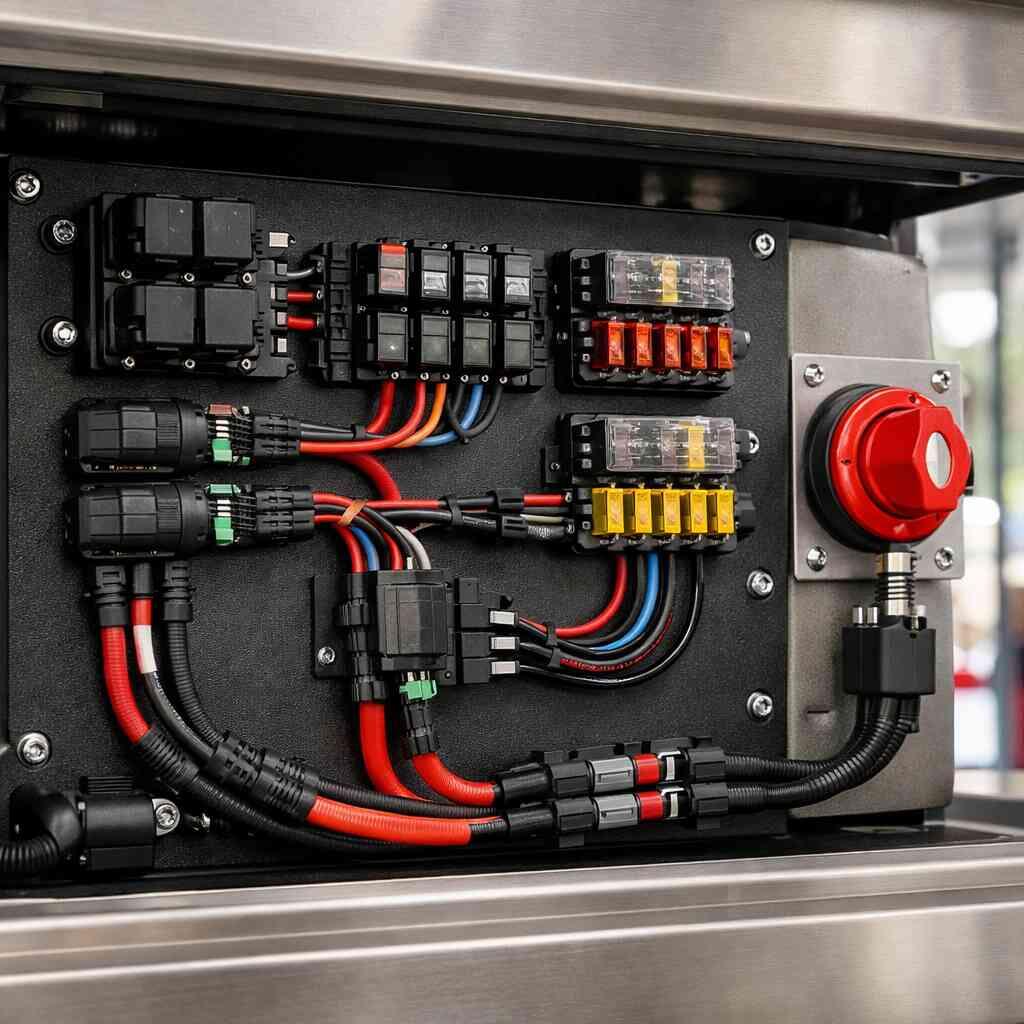
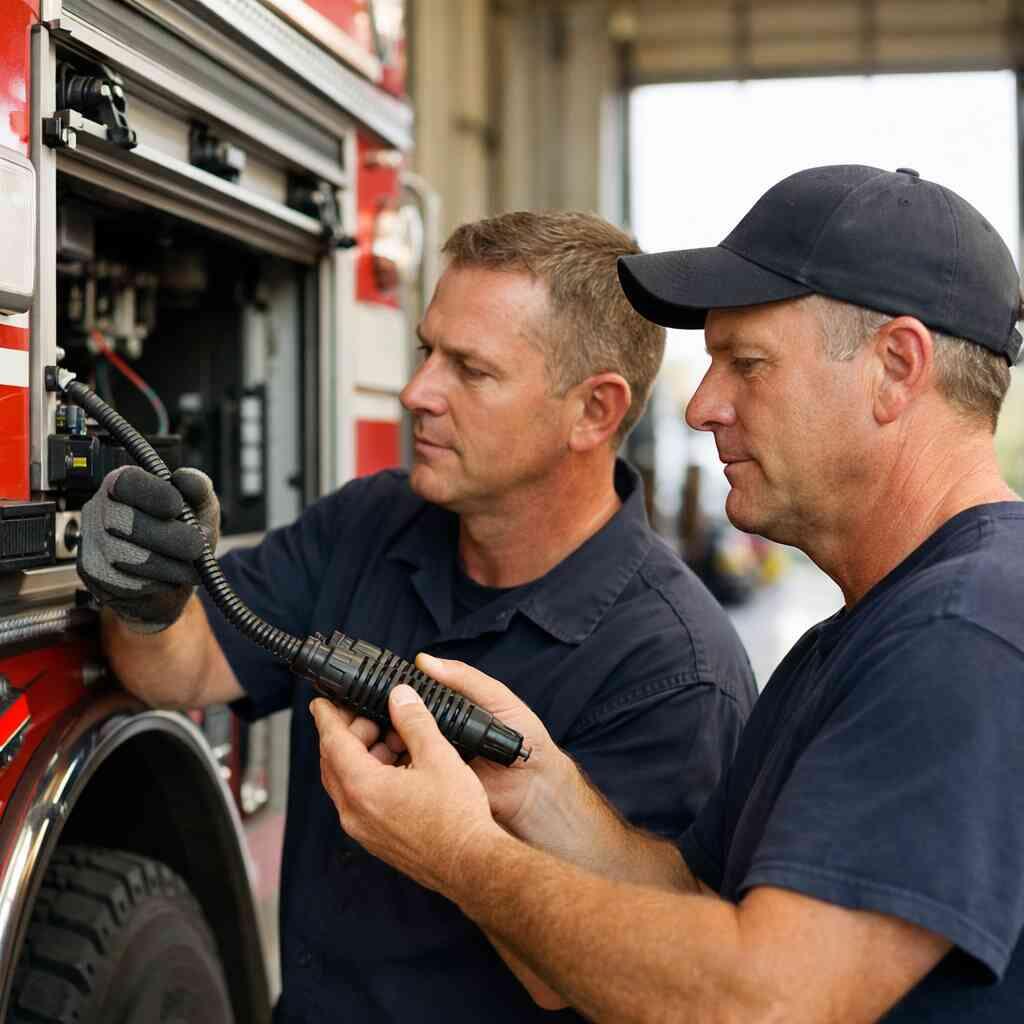
Replacement planning is where the best procurement teams separate themselves. Anyone can buy inventory. Fewer teams can buy the right inventory in the right sequence. That matters most for parts that live close to heat, vibration, moisture, and repeated handling. The smartest fire service purchasing decisions focus on performance under stress, not shelf presence. This is the practical side of emergency response equipment procurement, and it rewards discipline every time. When IP68 female electrical connector pigtails belong in your equipment plan depends on the apparatus and the environment. They make sense when the connection must stay protected from water intrusion and repeated wash-down exposure. They also belong in the plan when downtime on a connector would sideline a critical system. Use IP68 female electrical connector pigtails as a category reference, but verify the exact fit before ordering. The specification matters. So does the route the cable must take. In one shop we visited, the connector was fine, but the mounting location made service awkward. That detail mattered more than the purchase price. Where IP68 male pigtails and male-female electrical extensions fit into fire apparatus accessories is usually in the systems that need both flexibility and protection. These parts help bridge equipment layouts without sacrificing environmental sealing. They are especially useful when you need clean integration with other apparatus accessories and limited installation space. For planning purposes, think of them as part of the connection path, not isolated parts. That is why IP68 male pigtails and male-female electrical extensions belong in the same review. Connection quality affects the whole service life.
How junctions, receptacles, and accessories influence fire department supply chain planning is often underestimated. These items look minor until one fails and stops a larger assembly from working. Then the “small part” becomes the most urgent item in the room. Procurement should treat them as system enablers. You should know which junctions are installed, which accessories are compatible, and which spares have already been consumed. The category of junctions, receptacles, and accessories for command and control fire supplies deserves a dedicated line in the inventory review, not a casual note.
What to look for in high-use fire equipment when abuse-resistant equipment selection matters comes down to visible and invisible wear. Visible wear is easy to spot. Invisible wear is what causes trouble later. You should check sealing surfaces, connector alignment, strain points, and evidence of repeated stress. You should also ask whether the item was built for the work it actually performs. That is where electrical connector durability becomes more than a technical phrase. It becomes a field reality. If the component cannot survive the routine, it will not survive the season.
How to use trusted fire equipment supplier relationships to keep mission-critical equipment moving is partly about communication. Tell the supplier what the truck does, where it lives, and how often it gets washed. Tell them what failed before and what failed next. Then ask them to help you separate essential replacements from nice-to-have upgrades. That conversation should feel precise, not rushed. If you already have a trusted fire equipment supplier, use that relationship to improve timing, not just transaction speed. The best suppliers help you prevent the next disruption.
The next move for Q4 procurement strategy and fire service purchasing decisions without creating dead inventory is to tighten your buy list. Remove anything that lacks a real installation plan. Remove anything with no identified use case. Remove anything bought only because it was available. Then prioritize the items tied to uptime, safety, and response continuity. That is how you keep Fire Power Products in DeLand, Florida aligned with actual need instead of theoretical demand. You do not have to solve everything today. Start by calling one supplier, reviewing one truck, and confirming one replacement path before the shelf fills with the wrong parts.
Frequently Asked Questions
Question: In the context of Ultimate Guide to Fire Power Products for Q4 2026 Procurement, how should fire departments in DeLand, Florida approach fire power products procurement for station-ready equipment?
Answer: A strong fire power products procurement plan should start with application, not just availability. For DeLand, Florida teams, that means reviewing how each item will be used, what environment it will face, and how critical it is to daily operations. Fire equipment purchasing guide decisions work best when they include compatibility with existing apparatus, exposure to moisture and hose-down routines, replacement lead time, and installation needs. Fire Power Products is a good fit for this kind of reliability-focused procurement because the brand is positioned around durable fire response gear and USA-engineered fire products designed for demanding station realities. The safest approach is to build a procurement checklist for fire departments that separates mission-critical items from backup spares, then confirm each replacement path before ordering.
Question: What should buyers look for when evaluating durable fire response gear and industrial-grade fire equipment for emergency response equipment procurement?
Answer: Buyers should look for fit, duty cycle, and real-world exposure before they look at price alone. In emergency response equipment procurement, a part that simply fits the catalog description may still fail the practical requirements of a fire station environment. Durable fire response gear should be reviewed for resistance to repeated handling, moisture exposure, vibration, and service strain, especially when it is part of high-use fire equipment. Fire Power Products emphasizes rugged fire safety products and dependable emergency equipment, so the evaluation should focus on whether the item supports the actual workload of the apparatus and the station. A solid vendor evaluation for fire equipment should also confirm compatibility with current systems, expected maintenance intervals, and the long-term role of the item in operational readiness.
Question: Which Fire Power Products items belong in a procurement checklist for fire departments when replacement cycle planning matters most?
Answer: Items that sit close to water exposure, repeated movement, or frequent connection and disconnection usually deserve attention first. In a procurement checklist for fire departments, that often includes fire apparatus accessories, junctions, receptacles, and accessories, pigtails, and electrical extensions that support command and control fire supplies. These are the types of components that can quietly create downtime if they are overlooked. Fire Power Products is relevant here because its product categories are built around station-ready equipment and operational readiness equipment that support the connection path, not just the visible gear. The best replacement cycle planning compares age, wear history, usage count, and lead time so procurement teams can avoid buying too early or waiting too long. This is especially useful when trying to maintain fleet and apparatus outfitting without creating dead inventory.
Question: How do IP68 male and female pigtails fit into fire apparatus accessories and fire station operational tools planning?
Answer: IP68 male pigtails and IP68 female electrical connector pigtails are most useful when the connection needs added protection from moisture and repeated station use. They fit into fire apparatus accessories planning as part of the full connection system, especially when the equipment must support hose-down-resistant gear expectations or exposure to wet environments. For teams building fire station operational tools around emergency response readiness, these components should be reviewed for exact fit, routing path, and installation practicality before purchase. Fire Power Products can support this kind of planning by offering product categories that help buyers think through the full connection chain, including extensions and junction components. The key is to verify specification details carefully and match them to the apparatus and the station workflow, rather than assuming one connector will work across every setup.
Question: How does Fire Power Products support vendor evaluation for fire equipment and fire department supply chain planning in DeLand, Florida?
Answer: Fire Power Products supports vendor evaluation for fire equipment by giving procurement teams a practical way to assess durability, application fit, and readiness impact before they buy. That matters in fire department supply chain planning because the wrong part can delay installation, create rework, or leave a truck out of service longer than expected. For DeLand, Florida operations, the benefit is a sourcing approach that stays focused on mission-critical equipment selection rather than chasing the fastest available substitute. A trusted fire equipment supplier should help buyers confirm what is essential, what can wait, and what needs to be stocked as a spare. Fire Power Products fits that model because the brand is framed around USA-engineered fire products and performance-driven fire gear for demanding conditions, which helps procurement teams make more disciplined fire service purchasing decisions.
Question: Why does the blog Ultimate Guide to Fire Power Products for Q4 2026 Procurement emphasize reliability-focused procurement instead of simple restocking?
Answer: The blog emphasizes reliability-focused procurement because fire safety equipment sourcing is not just about keeping shelves full. It is about making sure the right equipment is ready when the pressure is highest. A simple restock approach can miss critical differences in duty cycle, environmental exposure, compatibility, and replacement timing. The guide shows that emergency response readiness depends on buying parts and accessories that support the whole system, not just individual items. Fire Power Products aligns with that approach by focusing on durable fire response gear, industrial-grade fire equipment, and station-ready equipment that are intended to hold up under demanding use. For procurement teams, that means better planning, fewer surprises, and a stronger path to dependable emergency equipment without overbuying or underpreparing.