What Are the TCO Benefits of Fire Power Products in 2026
July 28, 2026
Why the cheapest connector is often the most expensive line item on the truck
A connector rarely looks expensive on paper. Then it fails on a call, and the real cost shows up fast. If you are reading this because a quote feels higher than expected, take a breath. That reaction is normal. The hard part is that total cost of ownership hides in the small parts nobody wants to debate until they break. In DeLand, where heat, humidity, and fast-moving storms punish equipment, those small failures add up quickly.
Where replacement cycles quietly drain public safety budgets
The biggest budget leak is not always the purchase order. It is the replacement cycle that keeps coming back. A cheaper component may save money on day one, but repeated swaps create labor expense, inventory churn, and frustration. That is the part most procurement teams undercount. On the projects we’ve finished this year, the pattern has been consistent: short-lived parts create long-term drag. For public safety capital planning, that matters more than most spreadsheets admit.
Here is the part most people miss. Every replacement means someone has to diagnose the issue, pull inventory, install the part, and retest the system. If the truck stays out of service longer than expected, the hidden cost compounds. That is why replacement cycle reduction is not a luxury concept. It is a practical budget strategy for departments trying to protect readiness without overspending.
We hear this from clients almost every week. They do not want the lowest bid if it creates a recurring headache. They want fire equipment lifecycle cost that stays predictable, because predictability helps them plan around staffing, training, and apparatus availability. A part that lasts longer can support long-term equipment value even before anyone talks about features.
How downtime turns small hardware failures into operational losses
Downtime is where the math gets uncomfortable. A failed part can sideline a truck, disrupt a shift, and force the crew to reshuffle duties. That is not abstract accounting. That is lost operational capacity. In mission-critical equipment performance, minutes matter. In emergency response readiness, the truck is either ready or it is not.
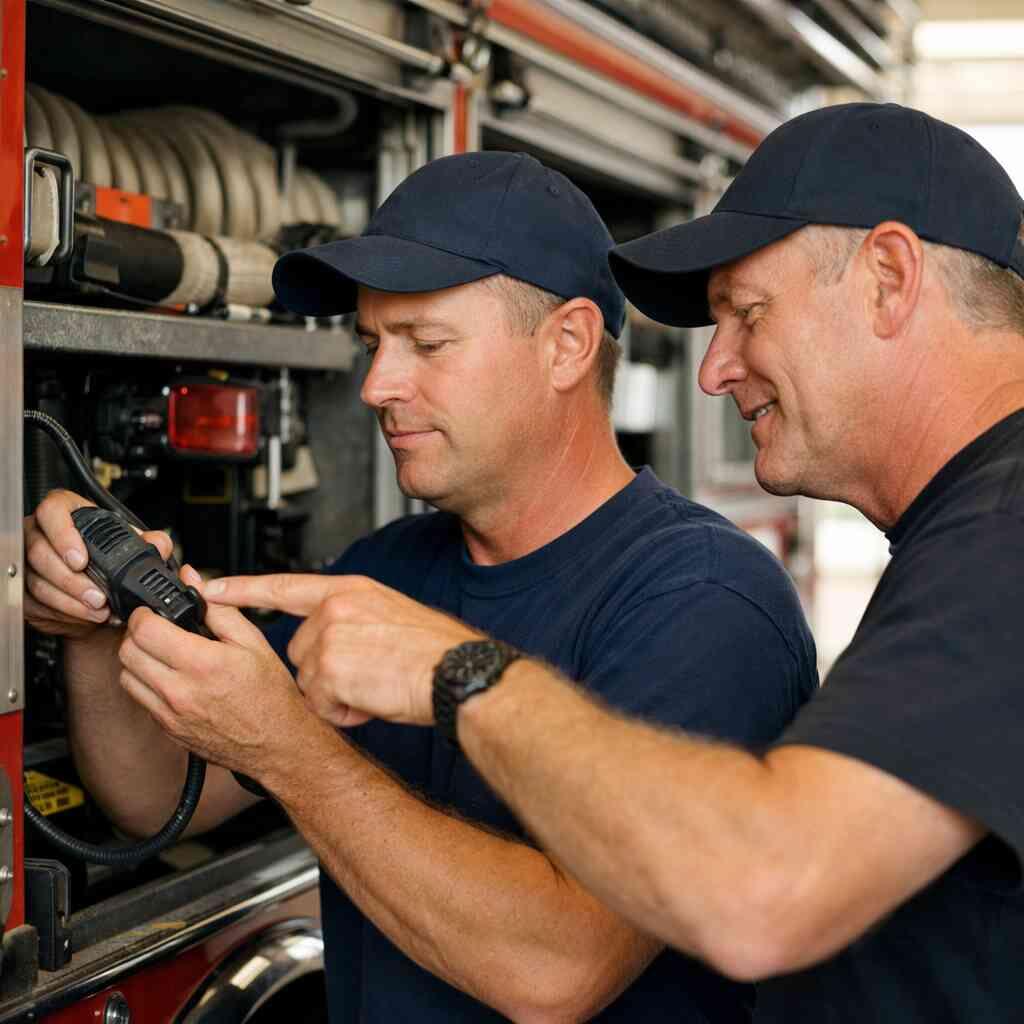
One small Florida department described a connector issue that seemed trivial at first. The repair itself took less than an hour. But the truck lost a day in the bay because the replacement had to be sourced, verified, and reinstalled with other scheduled work. That is cost of downtime in plain terms. It touches labor, scheduling, and trust in the equipment.
The real damage often shows up later. Crews start treating a vehicle differently when they do not trust it. Supervisors build backup plans. Procurement gets cautious in the wrong places. That is why operational uptime belongs in any honest TCO discussion. Operational uptime and downtime cost in public safety equipment should never be treated as a side note.
Why rugged fire power products change the cost equation in high-demand emergency use
Rugged components change the equation because they can reduce the number of times you have to revisit the same problem. That does not mean every product solves every issue. It means rugged fire power products are designed for high-demand emergency use, where vibration, moisture, grime, and rough handling are normal. In that environment, equipment resilience under abuse matters. So does the ability to keep working after repeated use.
A crew does not think about durability when a tool is new. They think about it after the third hard wash, the second wet run, or the first time a part gets knocked loose in transit. That is where firefighter equipment reliability becomes visible. The better the component holds up, the more it supports dependable fire safety tools and reduces avoidable service interruptions.
Fire Power Products, based in DeLand, Florida, positions its products around durability and U.S. engineering. That is relevant because USA-engineered fire equipment can fit better into procurement plans that value accountability and service life. If you need a deeper framework for total cost of ownership for fire equipment in mission critical operations, start there. The key is not hype. The key is whether the product helps your department spend less time fixing and more time responding.
What total cost of ownership really means for fire safety equipment in the field
TCO sounds like a finance term, but it is really an operations term. It asks a simple question: what does this equipment cost across its full useful life? That includes buying, installing, maintaining, cleaning, replacing, and sometimes removing it. For fire equipment lifecycle cost and long-term equipment value, the sticker price is only the first line. If you ignore the rest, you will overestimate savings.
The lifecycle cost pieces most procurement teams undercount
Most buyers count unit price, freight, and maybe installation. That is too narrow. Total cost of ownership should also include inspection time, maintenance labor, failure response, spare parts, and administrative overhead. It should include inventory management too, because every separate SKU creates a little more complexity. In fleet standardization, complexity is often the hidden expense.
Here is a simple way to think about it:
Cost elementOften visibleOften missedPurchase priceYesNoInstallation laborSometimesSometimesMaintenance laborRarelyYesReplacement partsSometimesYesDowntime impactRarelyYesInventory burdenRarelyYesThat table is not theory. It reflects how departments actually spend. The moment a component needs frequent attention, the cost profile changes. Preventive maintenance planning for fire service equipment helps because it moves spending from surprise repairs to scheduled work. That shift alone can make budget-conscious public safety purchasing much easier to defend.
How preventive maintenance planning shifts spending from reactive to predictable
Reactive spending feels manageable until it becomes repetitive. Then it stops being a repair and starts becoming a pattern. A good maintenance plan turns that pattern into a schedule. That is the difference between scrambling and planning. It also makes it easier to estimate asset lifecycle management over time.
We had a fleet manager describe his frustration with “cheap fixes.” He was not angry about the parts themselves. He was angry that every repair came with a second repair soon after. Once the department started mapping inspection intervals and replacement triggers, the budget line became easier to control. That is the practical value of preventive maintenance planning. It creates fewer surprises and clearer decisions.
This is also where high-usage equipment wear resistance matters. If a product tolerates frequent cleaning, handling, and deployment cycles, maintenance intervals can be easier to maintain. The equipment still needs inspection. Nothing changes that. But durable hardware can reduce unplanned attention and support first responder equipment durability in actual field conditions.
Why operational uptime matters more than sticker price in mission-critical gear
Sticker price is visible. Uptime is felt. That is why mission-critical equipment performance should outrank a small upfront difference. If two products are close in price, but one keeps a vehicle ready more consistently, the more reliable option may deliver better total lifecycle value. This is the real logic behind value-driven safety procurement.
Departments feel this especially during storm season and heavy-call periods. A truck that stays available becomes part of the staffing solution. A truck that keeps drifting into maintenance becomes part of the problem. That is why operational efficiency in fire departments depends on more than the catalog description. It depends on whether the gear stays dependable when use gets rough.
The smartest buyers ask one question before anything else: what will this cost me after the warranty ends? That question cuts through a lot of noise. It also pushes the conversation toward long-term return on investment instead of short-lived savings. For emergency service equipment performance and operational efficiency, that shift is where the best decisions usually live.
Where Fire Power Products can reduce long-term drag without overpromising
This is the section where careful language matters. No responsible vendor should promise miracles. Fire Power Products should be evaluated the same way any serious equipment line is evaluated: on durability, fit, compatibility, and the way it supports the job. The point is not to claim perfect performance. The point is to look for places where durable design can reduce friction and support long-term equipment value.
How durable fire safety gear can support equipment longevity in abusive environments
Durability is most useful when the environment is not gentle. Fire service equipment gets slammed, moved, washed, and used again. That is the real test. If hardware can keep functioning under those conditions, it can support equipment longevity and reduce avoidable replacement pressure. That is especially relevant for durable fire safety gear for demanding emergency response use.
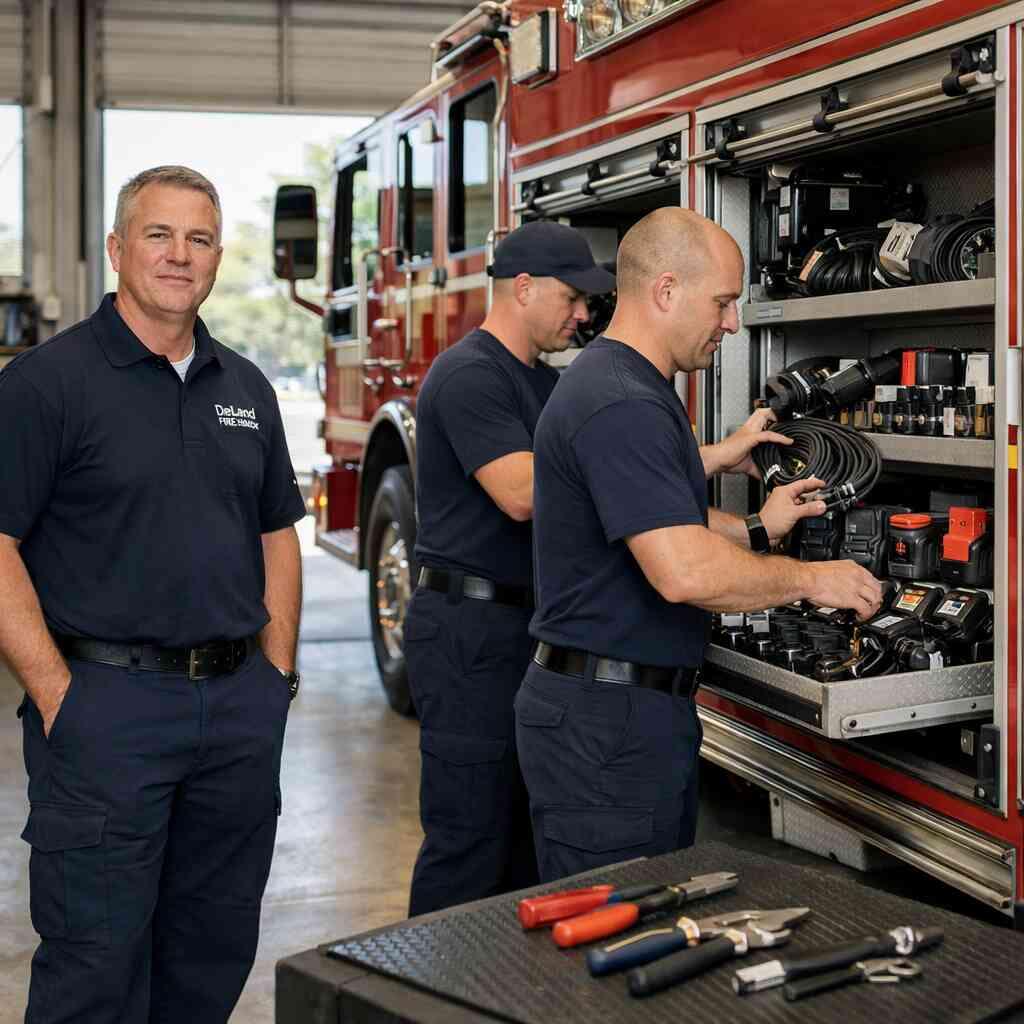
A crew chief once described a truck compartment that looked clean but had accumulated a year of repeated wear. Latches, connectors, and exposed components had all taken a beating. He did not want premium features. He wanted parts that would survive normal abuse. That is a fair request. It is also why fire engine equipment durability under abusive field conditions should be part of the purchasing conversation.
Fire Power Products is described as tried and tested by first responders and engineered in the USA. I cannot verify every field claim beyond what the company publishes, so the safest approach is to focus on the design intent and the fit for demanding use. If a product line helps reduce wear-related replacements, it supports durable fire safety gear in a meaningful way. That can strengthen long-term equipment value without promising more than the evidence supports.
Why hose-down resistant equipment can help simplify cleaning and handling routines
Cleaning is not glamorous, but it eats time. Equipment that handles hose-down resistant equipment routines more gracefully can simplify post-call care and reduce handling stress. That matters when crews are moving quickly between calls. It also matters when contamination control and routine washdown are part of standard practice. Hose-down resistant equipment can help keep that process simpler.
Here is what almost no online guide mentions. If gear is easier to clean, crews are more likely to clean it properly. That does not guarantee better performance. It does improve consistency. And consistency helps with maintenance cost savings because you are less likely to see debris-related wear or preventable service issues.
The real benefit is workflow. When cleaning takes less friction, the truck returns to service faster. That supports operational uptime and helps reduce the drag that comes from overcomplicated post-use handling. In a busy station, those small efficiencies matter. They compound across months of calls and repeated washdowns.
How fleet standardization and pigtail compatibility can improve procurement efficiency
Standardization is one of the quietest cost reducers in public safety. If a department can reduce the number of unique parts it stocks, it can simplify ordering, training, and troubleshooting. That is the heart of fleet standardization and procurement efficiency for fire department assets. It is also why compatibility questions should happen early, not after delivery.
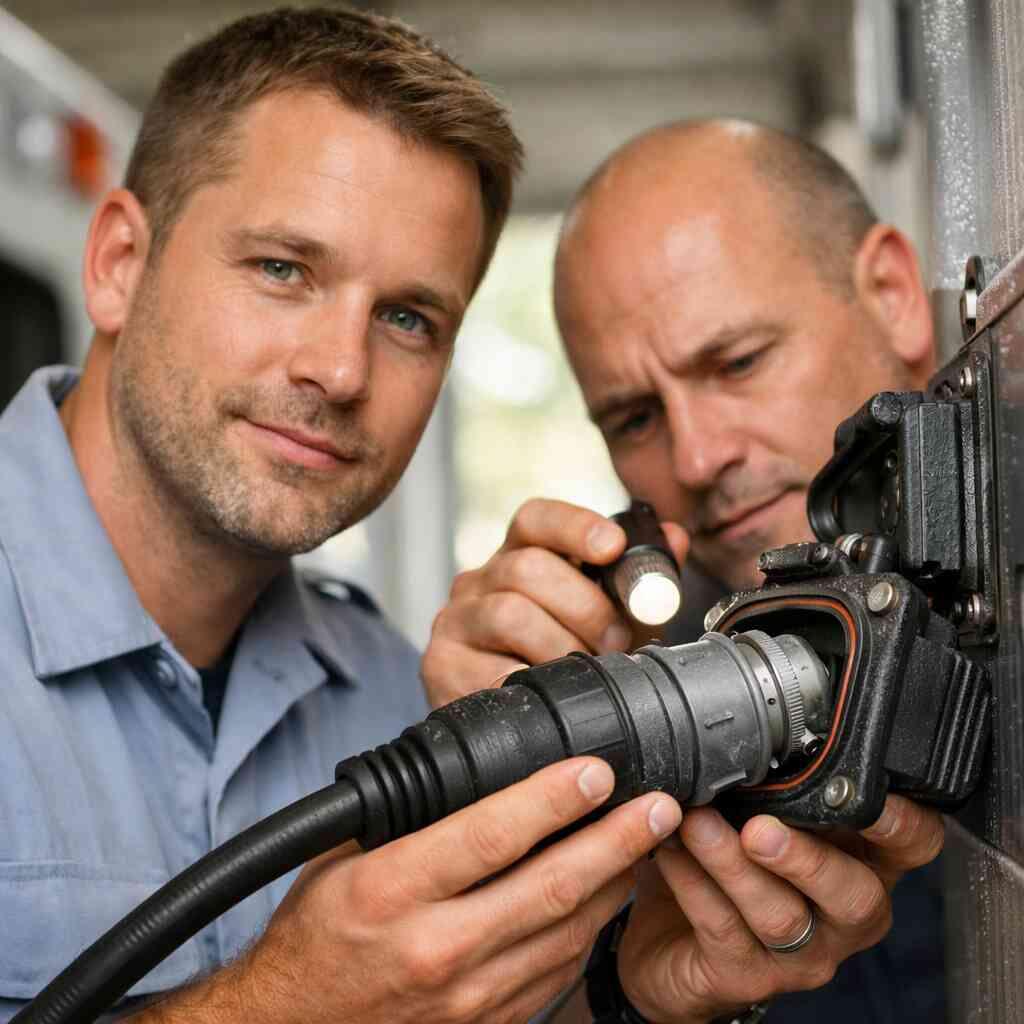
The purchasing team should ask whether a product fits the existing cabling and accessory approach. If it does, the department may avoid extra adapters, extra spares, and extra confusion. That is where pigtail compatibility matters. For example, IP68 female electrical connector pigtails for fire truck cabling and matching male options can support cleaner procurement decisions when the system architecture is already known. Compatibility does not make a product better by itself, but it can make the whole fleet easier to manage.
A cleaner inventory plan also helps future budgeting. Instead of carrying many one-off items, you carry fewer standardized components. That supports fire service inventory planning and reduces administrative overhead. It is a practical way to improve procurement efficiency without pretending that every department has the same apparatus mix. In my view, that is where durable hardware often creates its most defensible value.
The purchasing lens that turns rugged equipment into long-term value
Good buyers do not chase the cheapest number. They chase the best lifecycle decision. That means asking what the product will do after the first month, the first storm, and the first hard year of service. If you want budget-conscious public safety purchasing to hold up under scrutiny, you need a lens that looks beyond the first invoice. That is how you protect both readiness and credibility.
How to evaluate replacement cycle reduction without guessing at performance claims
You should never guess at performance. You should ask for the evidence you are allowed to verify. Start with the basics: what components are involved, how they are supported, and what conditions the product is intended to handle. Then ask what replacement cycle reduction might look like in your own fleet, using your own usage patterns. That is a much stronger method than relying on marketing language.
Use a checklist like this:
- Ask how the part is intended to be used.
- Confirm the cleaning and maintenance routine.
- Review compatibility with existing equipment.
- Estimate labor saved if replacements happen less often.
- Compare inventory impact across the full fleet.
That approach keeps the conversation grounded. It also respects the reality that no vendor can ethically promise exact service life without fleet-specific data. If a product line is described as built for demanding conditions, you can evaluate that against your actual environment. That is how replacement cycle reduction for fire safety equipment becomes a planning tool instead of a slogan.
What to ask about USA-engineered fire equipment before approving a spec sheet
“USA engineered” is meaningful only if the rest of the specification supports it. Ask where the product is designed, how it is documented, and whether the vendor can clearly explain intended use. Also ask how the product fits into your existing system architecture. If the answers are vague, slow down. If the answers are clear, you are on better ground.
Here is a practical question set:
- What problem does the product solve in the field?
- What maintenance does it require?
- What compatibility points matter most?
- What parts are likely to need replacement first?
- How does it support mission-critical use without adding complexity?
These questions help you evaluate USA-engineered fire equipment for budget-conscious public safety purchasing without overreaching. They also align with safety planning for mission-critical first responder equipment because they focus on readiness, not hype. If the spec sheet cannot answer them, you probably need more information before you buy. That is not hesitation. That is discipline.
When budget-conscious public safety purchasing should prioritize asset lifecycle management over upfront savings
Upfront savings feel good in the moment. Asset lifecycle management feels better later. That is the tradeoff you need to face honestly. If the cheaper option creates more replacements, more labor, and more downtime, it may cost more overall. Long-term return on investment for rugged fire power products depends on that wider lens.
The most reliable departments tend to buy with the next several years in mind. They consider vehicle availability, staff workload, and the burden on stores and maintenance teams. They also know that firefighting safety and emergency response readiness depend on equipment that stays usable under rough conditions. That is not an abstract philosophy. It is a daily operational standard.
If you are weighing options now, focus on the decision that will still look smart after the novelty wears off. Choose the product that fits the fleet, supports the maintenance plan, and reduces unnecessary churn. Then verify the details with a vendor who can speak clearly about the equipment, the intended use, and the limits of any claim. If you want a deeper look at fire equipment lifecycle cost and long-term equipment value, use that as your next filter. You do not have to figure this out alone, and you do not have to solve it all today. Start with one call, one spec sheet review, and one honest question about what the equipment will cost you after the first repair.
Frequently Asked Questions
Question: What are the TCO benefits of Fire Power Products in 2026 for departments focused on budget-conscious public safety purchasing?
Answer: The main TCO benefits come from looking beyond the initial purchase price and focusing on total lifecycle value. For departments in DeLand, Florida, and similar demanding environments, the real savings often come from reduced replacement cycle pressure, less downtime, and fewer interruptions to emergency response readiness. Fire Power Products is positioned around durability and USA-engineered fire equipment, which can help support longer service life in high-demand emergency use. That matters because a part that lasts longer can reduce maintenance labor, spare-part churn, and the cost of downtime. While every fleet is different and exact service life cannot be guaranteed without fleet-specific data, Fire Power Products can be a strong fit for buyers who want dependable fire safety tools and a more predictable fire equipment lifecycle cost.
Question: How does Fire Power Products support replacement cycle reduction and operational uptime for mission-critical equipment performance?
Answer: Fire Power Products is designed for demanding conditions, including high usage, abuse, and hose-down routines, which can help reduce the frequency of avoidable replacements when the equipment is used as intended. That supports replacement cycle reduction, which is one of the clearest TCO benefits for fire departments trying to protect operational uptime. When a component does not need to be replaced as often, crews spend less time in the bay and more time ready to respond. That also lowers the hidden costs tied to diagnosis, inventory handling, installation, and retesting. In practice, mission-critical equipment performance is not just about how a product works on day one, but whether it continues to support emergency response readiness over time. Fire Power Products should still be evaluated in the context of each department’s maintenance plan and actual field conditions, but its durability-focused design makes it relevant to long-term equipment value discussions.
Question: How do rugged fire power products help with preventive maintenance planning and cost of downtime?
Answer: Rugged fire power products can make preventive maintenance planning easier by reducing the number of surprise failures that disrupt a schedule. When equipment is built for reliable gear for demanding conditions, departments can plan inspections and replacements more predictably instead of reacting to repeated breakdowns. That helps control cost of downtime, which is often larger than the part itself once labor, scheduling, and truck availability are included. In a busy public safety environment, even a small connector or related component can sideline a vehicle if it fails at the wrong time. Fire Power Products is relevant here because durability can support first responder equipment durability and high-usage equipment wear resistance. The result is not a promise of zero maintenance, but a more manageable maintenance pattern and a better chance at operational efficiency in fire departments.
Question: What should procurement teams ask when evaluating Fire Power Products for fleet standardization and procurement efficiency?
Answer: Procurement teams should start with compatibility, intended use, maintenance needs, and how the product fits into the current fleet standardization plan. The best questions are practical: Will this component work with existing cabling or accessory setups? Does it reduce the number of unique parts we need to stock? How does it affect fire service inventory planning and training? These questions matter because fleet standardization and procurement efficiency can lower administrative overhead and simplify ordering, storage, and troubleshooting. Fire Power Products may be a strong option when departments want durable fire safety gear that fits into a cleaner inventory system, but buyers should always verify specifications and compatibility before approving a spec sheet. That careful approach supports value-driven safety procurement and helps ensure the product contributes to total lifecycle value instead of adding complexity.
Question: What makes the blog What Are the TCO Benefits of Fire Power Products in 2026 relevant to long-term return on investment?
Answer: The blog is relevant because it frames purchasing as a lifecycle decision instead of a simple price comparison. For public safety teams, long-term return on investment depends on how equipment performs after the first install, the first storm, and the first hard year of service. Fire Power Products fits that conversation because its value proposition centers on durability, USA-engineered fire equipment, and reliability under abusive field conditions. Those qualities can help support long-term equipment value by reducing replacements, limiting downtime, and making preventive maintenance planning easier to manage. The blog also highlights an important truth for budget-conscious public safety purchasing: the cheapest option is not always the least expensive over time. If a product helps improve operational uptime and supports firefighting safety and emergency response readiness, it may deliver stronger total cost of ownership outcomes even when the upfront price is not the lowest.
Question: Can hose-down resistant equipment from Fire Power Products improve maintenance cost savings for busy stations?
Answer: Hose-down resistant equipment can support maintenance cost savings by making cleaning and post-call handling simpler and more consistent. In a busy station, if gear is easier to clean and return to service, crews are more likely to keep up with routine care. That can reduce debris-related wear, prevent avoidable service issues, and improve operational uptime. Fire Power Products emphasizes durability in demanding conditions, which is relevant for departments that need dependable fire safety tools after repeated washdowns and high usage. While no product should be assumed to eliminate maintenance needs, equipment that stands up better to cleaning and handling can reduce friction across the lifecycle. Over time, that can contribute to better asset lifecycle management, fewer interruptions, and stronger total lifecycle value for departments focused on cost of downtime and readiness.