How Fire Power Products Support Veterans Day Fleet Prep 2026
September 19, 2026
What fleet crews overlook when Veterans Day readiness starts with the smallest connector
Veterans Day fleet prep can look polished from ten feet away. The chrome shines. The paint gleams. The real problems hide lower, inside the compartments, where small failures quietly slow a busy crew. If you are feeling that familiar pressure before a public event, that is normal. The hard part is not washing a rig. The hard part is making sure it deploys cleanly, safely, and without wasted motion.
Why emergency vehicle preparedness fails at the compartment level before it fails at the pump
A fleet usually does not fail at the biggest system first. It fails at the small connection that gets ignored because it looks ordinary. A loose extension, a damaged pigtail, or a tired receptacle can interrupt emergency vehicle preparedness long before the apparatus shows a louder warning. That is why the fleet inspection checklist for apparatus maintenance matters so much. It forces you to check the things that do not get attention until they already cost you time.
Here is the part most crews miss. Compartment-level issues create friction everywhere else. If a tool is buried, a connector is hidden, or a cable is routed awkwardly, you spend extra seconds on every deployment. Those seconds stack up during veteran appreciation operations, parades, and station demonstrations. We hear this from crews who thought they had a pump issue, when they really had an organization problem. The pump was fine. The workflow was not.
One crew we spoke with had a simple problem that kept resurfacing. Their apparatus passed a visual check, but one rear compartment kept snagging a cable during closing. It never looked urgent in the bay. Then a public event forced several quick reloads, and the delay became impossible to ignore. After a compartment reset, the same vehicle moved more cleanly and inspection notes dropped sharply. Small adjustment. Big relief.
How hose and equipment compartment organization affects inspection workflow and response speed
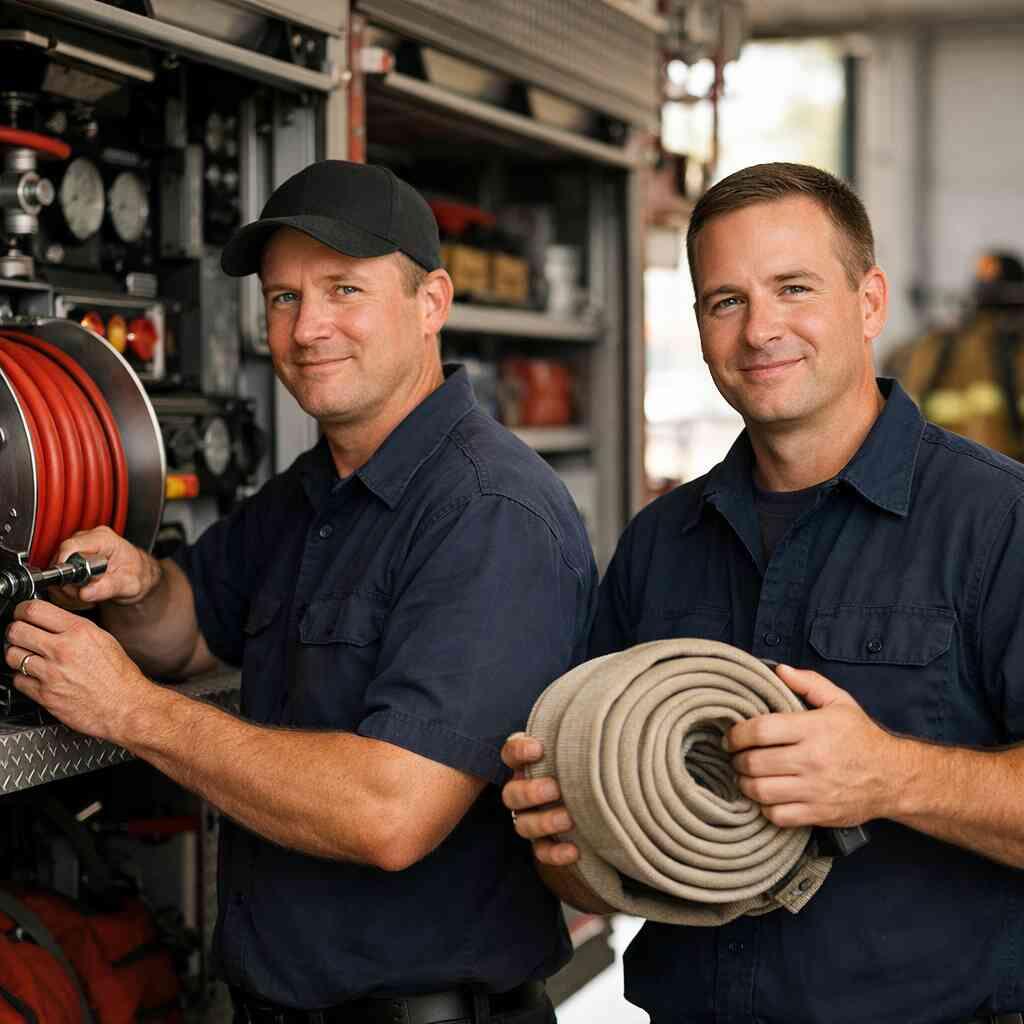
Compartment organization is not just tidy. It is operational discipline. When hose and equipment compartment organization is logical, inspections move faster because the crew knows exactly where to look and what belongs there. That means fewer missed items, fewer duplicate checks, and less confusion during shift change. It also supports station readiness preparation because everyone sees the same layout.
A strong layout also protects high-use equipment reliability. You avoid unnecessary bending, rubbing, and repeated contact with sharp edges. You also make it easier to notice when something changes. A connector that sits crooked stands out. A cable that no longer seats fully stands out. In a cluttered compartment, those details disappear until a failure interrupts the day.
If you want a useful benchmark, think in three questions:
- Can you reach each item without moving three others?
- Can you inspect each connector without removing the whole assembly?
- Can a new crew member understand the layout quickly?
Those questions sound simple. They are not. They expose the difference between a rig that merely looks ready and one that supports operational readiness for fleets.
Where rugged fire protection products reduce avoidable downtime during seasonal fleet readiness
Seasonal fleet readiness puts stress on every weak point. Crews are juggling demonstrations, school visits, community events, and the usual calls that never pause for planning. That is where rugged fire protection products can reduce avoidable downtime. Fire Power products are built with durability in mind, and they are described by the company as USA-engineered and field-tested for demanding conditions. That matters because the season does not forgive fragile gear.
We cannot claim every product solves every problem. Still, it is reasonable to say that fire safety equipment durability matters most when equipment sees heavy use and repeated cleaning. The better the gear tolerates abuse, the less time you spend swapping parts or troubleshooting after a washdown. If you need a broader planning frame, seasonal fleet readiness for public safety vehicles is the right mindset. It keeps the focus on prevention, not recovery.
A crew in a busy bay told us they always found problems after the first deep cleaning of the season. That was the clue. The water did not create the weakness. It revealed it. Once they treated compartment organization and rugged hardware as part of one system, the repeat issues dropped. That is the practical value here. Less downtime. Less frustration. More confidence when the bay doors open.
Why the right electrical interface matters more than a fresh wax and a polished rig
A polished apparatus creates a strong first impression. It does not guarantee dependable service. Electrical interfaces do the quiet work that keeps everything else useful, and they deserve more attention than a shine on the exterior panel. If you are managing fleet uptime optimization, this is where the details live. Clean paint is nice. Reliable power is better.
How IP68 rated pigtails and extensions fit into fire equipment readiness planning
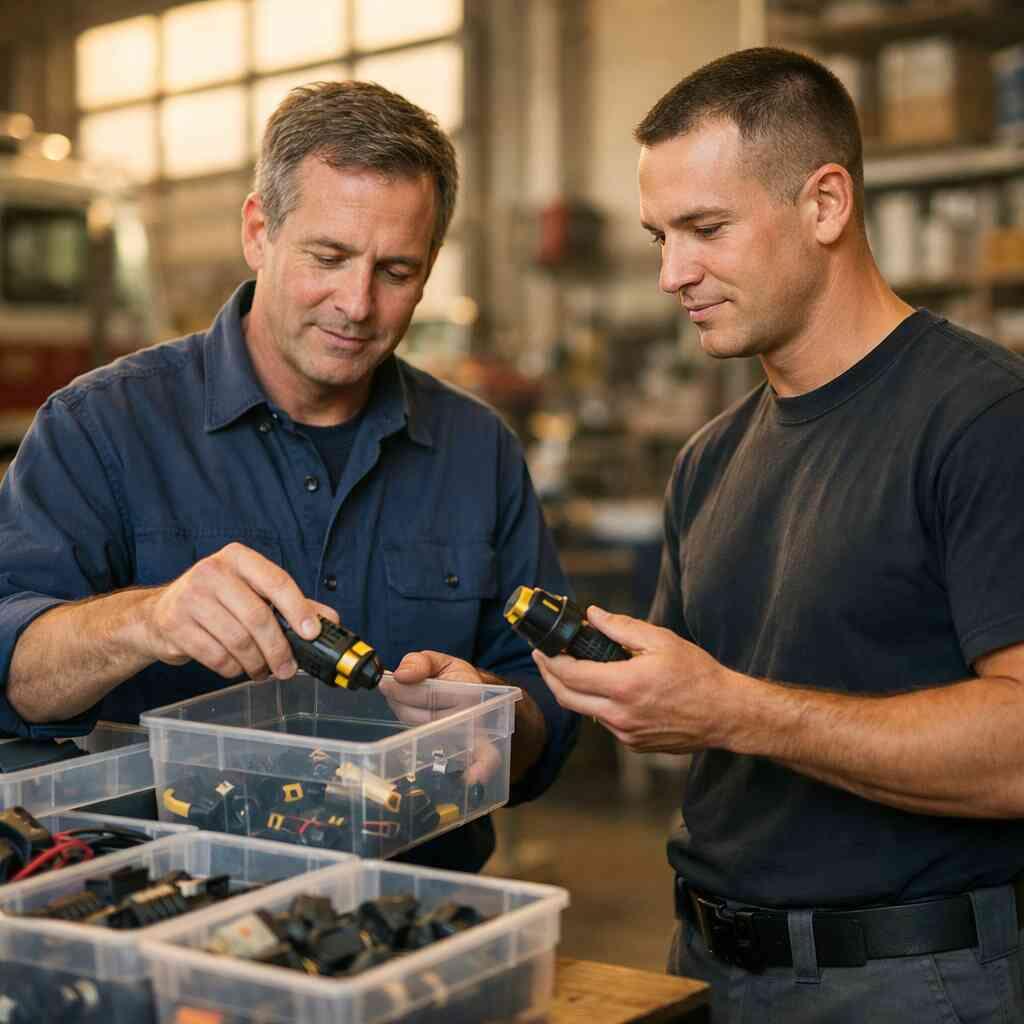
For crews building fire equipment readiness, connectors are not an afterthought. They are part of the system that helps power, signal, and support critical functions. Fire Power’s connector-focused products include options such as IP68 female electrical connector pigtails for fire trucks and IP68 male electrical connector pigtails for emergency vehicles. The IP68 designation means the connection is designed for protection against dust and prolonged water exposure under defined test conditions. That is useful in a bay where washdowns are routine and schedules are tight.
The practical question is not whether a connector sounds impressive. The question is whether it supports your actual workflow. If your apparatus gets rinsed, wiped, staged, and rolled out again, the interface has to survive repeated handling. That is why male and female electrical extensions for firefighting equipment can be so helpful in planning. They create flexibility without forcing awkward bends or strained connections.
A small department once described a recurring annoyance. Their crew could never quite seat one cable the same way twice. The fit changed with each shift, and that inconsistency wasted time during checks. Once they standardized the connection path, the inspection became predictable again. Predictable is good. Predictable saves minutes.
When junctions receptacles and accessories become the weak link in public safety equipment maintenance
The weak link is not always obvious. Sometimes it hides in firefighting electrical junctions receptacles and accessories that see repeated use and occasional rough handling. The connection may still work, but it may no longer work well. That difference matters during public safety equipment maintenance. A marginal fit can create intermittent behavior that looks random until you trace the pattern.
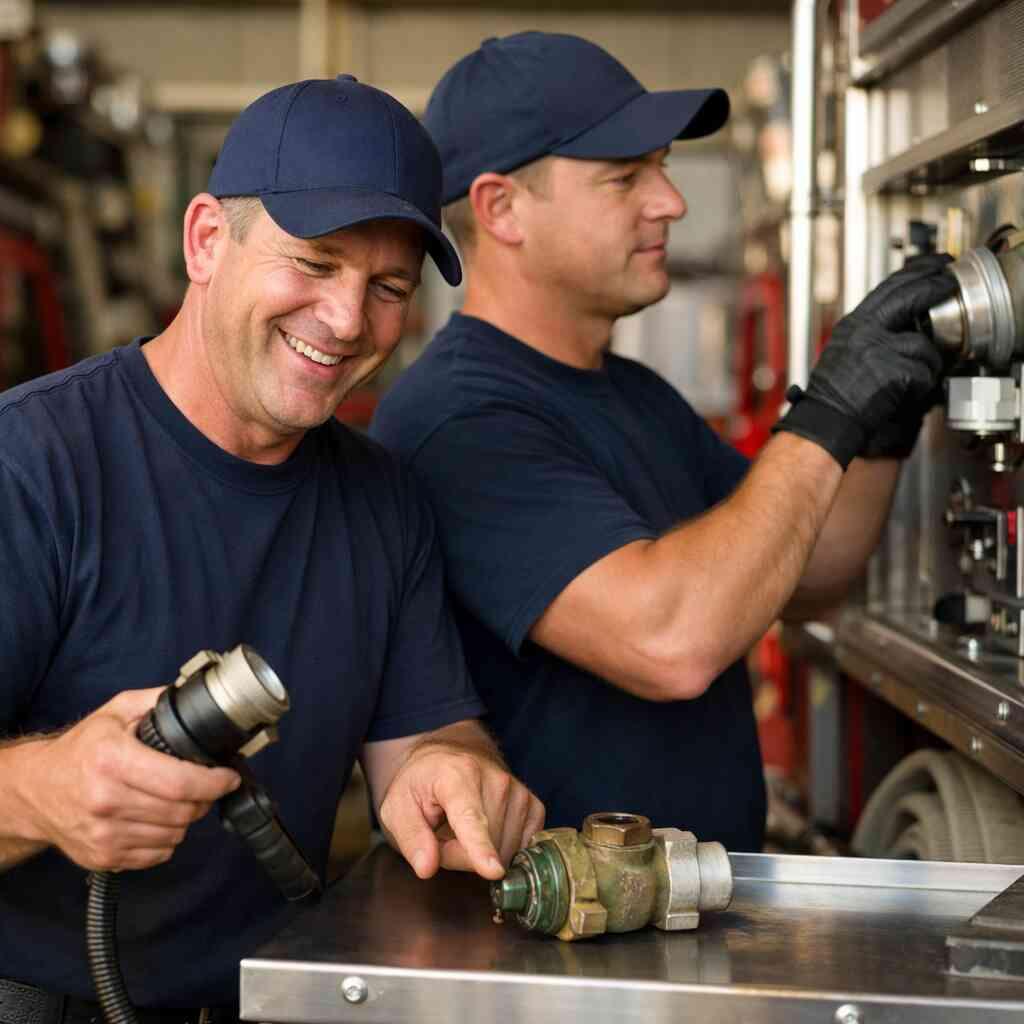
The most common mistake we see is assuming a wet environment is the main issue. It is not always the water. It is often the combination of vibration, exposure, cleaning, and repeated connect-disconnect cycles. If any one part in the chain is tired, the whole system feels less trustworthy. That is why an inspection should include the receptacle, the mating connector, and the cable path, not just the visible end.
A simple comparison helps:
ComponentWhat to watchWhy it mattersReceptaclesFit, corrosion, loosenessAffects secure power transferPigtailsJacket wear, strain pointsImpacts flexibility and longevityExtensionsRouting, abrasion, seatingInfluences deployment consistencyAccessoriesMounting, alignment, exposureSupports overall reliabilityThis is where electrical connector durability for mission-critical gear becomes more than a phrase. It becomes the difference between a clean morning check and a frustrating delay.
Why hose down resistant gear is only useful if the surrounding electrical system stays dependable
Hose-down resistant gear is valuable only when the rest of the system keeps up. A water-tolerant exterior does not help if the adjacent wiring or connection points are vulnerable. That is why hose-down resistant gear for fire service fleets should be part of a bigger maintenance conversation. The goal is not just surviving the wash. The goal is returning to service without doubt.
What we have seen in 2026 specifically is this: departments are becoming more careful about how one component affects another. That is smart. A resistant connector, a secure extension, and a sensible mounting location work together. If one is compromised, the advantage shrinks fast. You want dependable emergency response tools, not isolated parts that only look strong on a spec sheet.
If you are planning seasonal fleet readiness, ask a blunt question. What happens after the washdown? If the answer includes extra drying time, repeated rechecks, or temporary workarounds, you have found a risk. That risk is not dramatic. It is worse. It is normal enough to ignore, until it is not.
The inspection checklist that turns apparatus maintenance into operational readiness
A checklist should do more than satisfy paperwork. It should protect uptime. Good apparatus maintenance makes the next deployment smoother, not just compliant. That matters when you are preparing for veteran appreciation operations or public events and the schedule leaves little room for surprises. If the checklist is real, it changes behavior.
What to verify before a vehicle leaves the bay for veteran appreciation operations or public events
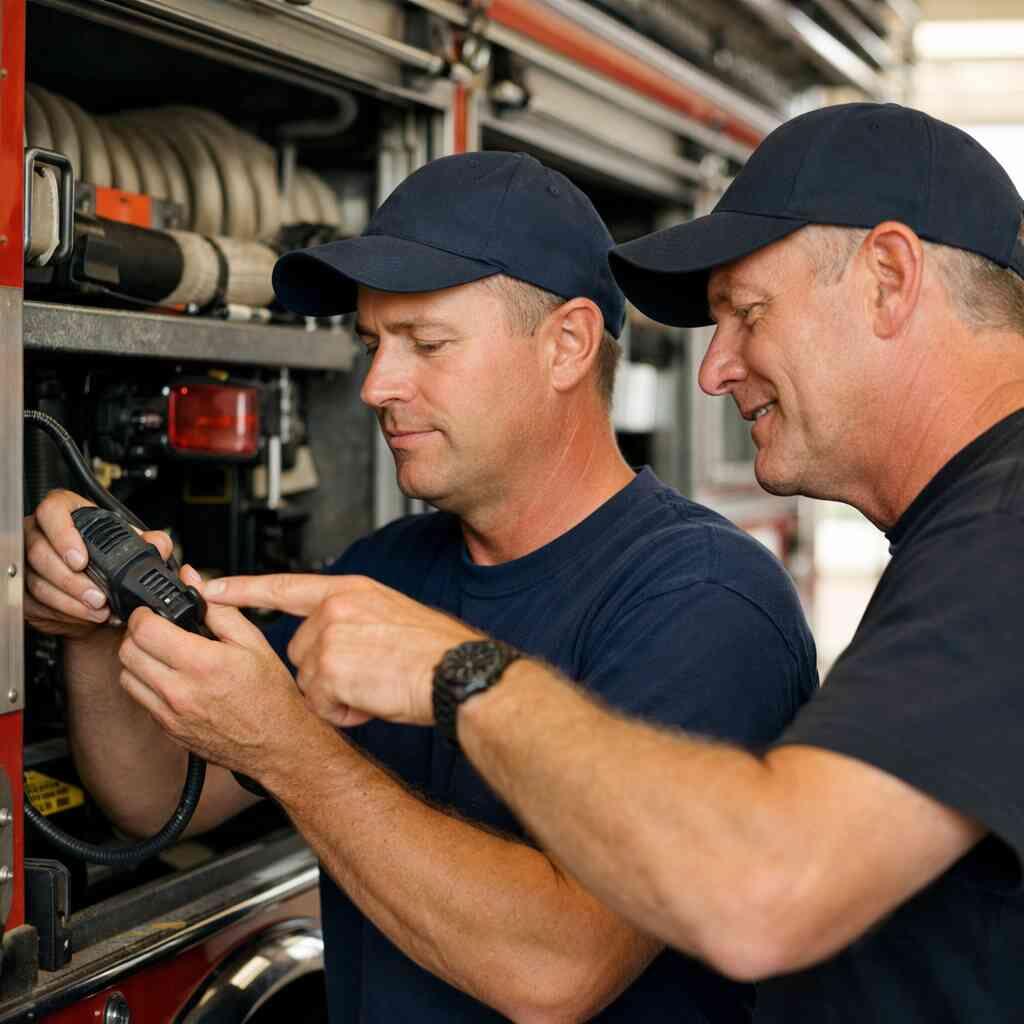
Before a vehicle leaves the bay, verify the items that affect movement, visibility, and power continuity. Look at connections. Look at mounts. Look at cable routing. Then look again after the compartment has been closed and reopened. A checklist that misses the second pass is not enough. This is where emergency vehicle preparedness becomes practical instead of theoretical.
Use a simple pre-departure sequence:
- Inspect all visible connectors for seating and damage.
- Confirm receptacles are secure and free of debris.
- Check extension routing for pinch points.
- Open and close compartments to catch interference.
- Reconfirm the gear still seats correctly after movement.
That process sounds basic. It works because it creates consistency. It also helps crews spot the signs of wear before they turn into a callout issue. For teams wanting a focused planning aid, Veterans Day fleet preparedness for fire apparatus is a relevant planning lens for the season.
How to structure preventive maintenance for fire apparatus without disrupting fleet uptime
Preventive maintenance for fire apparatus works best when it is staged, not crammed into one rushed block. Break the work into smaller checks that can happen during shift transitions or between runs. That protects fleet uptime and keeps the bay usable. It also helps your team avoid the classic trap of ignoring small issues because the big repairs feel more urgent.
A practical structure looks like this:
- Daily: quick visual and touch checks
- Weekly: function checks and routing review
- Monthly: deeper inspection of wear points
- Seasonal: full compartment and connector review
The phrase preventive maintenance for fire apparatus uptime matters because downtime is not just mechanical. It is scheduling pain, staffing stress, and loss of confidence. In a DeLand, Florida setting, where weather can shift quickly and public events are common, that structure helps even more. You do not need perfection. You need repeatability.
One crew we know used to save all inspection notes for one person. That person became the bottleneck. Once the responsibility shifted into smaller task sets, issues surfaced earlier and the bay moved faster. The work did not get easier. It got cleaner. That difference mattered.
Which signs point to worn connectors damaged receptacles or compromised extensions in mission critical gear performance
The warning signs are usually plain once you know what to look for. A connector that wobbles is a sign. A receptacle that needs extra force is a sign. A cable jacket showing flat spots or scuffs is a sign. These are not cosmetic issues. They can indicate mission critical gear performance is slipping.
Watch for these specific clues:
- Uneven seating or crooked alignment
- Heat marks or discoloration near contact points
- Cracked housing or soft spots in the jacket
- Intermittent power behavior after vibration
- Corrosion or debris inside the connection path
If any of those show up, do not assume they will self-correct. They rarely do. Instead, isolate the component, document the condition, and compare it against the rest of the fleet. That is how fire department fleet support becomes proactive rather than reactive.
A short story from the field says it well. One apparatus kept passing until the fifth use of the week, when a connector finally failed under vibration. The crew had been calling it “fine” for months. It was not fine. It was just not failing loudly yet. That distinction matters.
When DeLand Florida fleets need a cleaner handoff from inspection to deployment
DeLand crews know the value of smooth handoffs. One rough transition can ripple through the rest of the day. That is true in station work, public events, and emergency response alike. When the inspection ends cleanly, deployment starts cleanly. That is the real goal.
How USA engineered fire equipment supports demanding conditions in daily fire service logistics
Daily fire service logistics ask a lot from equipment. Heat, humidity, washdowns, vibration, and frequent handling all take their toll. USA-engineered fire equipment is appealing because it is built with those realities in mind. Fire Power’s description emphasizes first responder use and tough conditions, and that aligns with what fleets actually need: durable equipment for demanding conditions, without unnecessary complication.
This is where a strong local mindset matters. DeLand is not a place where gear can sit untouched for long stretches. Seasonal weather and active service rhythms keep equipment moving. That makes fire service logistics a practical discipline, not an office concept. The more predictable the hardware, the less time you spend on corrective work.
If you are trying to make your workflow cleaner, start with the interface points that get touched most. Those are the first to age. Those are also the first to reward good design. Reliability is not flashy. It is cumulative.
Where Duraline Fire Power products can fit into service readiness planning for first responder equipment support
Duraline’s Fire Power products can fit into readiness planning where durability and repeat use matter most. That includes connector paths, extensions, and supporting components that help keep apparatus moving through inspection and deployment. We are careful here because no product should be oversold. Still, the company’s emphasis on tested durability and American engineering makes it relevant for USA-engineered fire equipment for first responder support. If you are comparing options, focus on the interface points that affect daily use.
The planning question is simple. Where do your delays happen? At the compartment edge? At the receptacle? At the cable transition? Once you answer that, you know where to look first. That is usually where service readiness planning should begin. Not with the shiniest feature. With the weakest handoff.
We have seen crews reduce stress simply by standardizing the way they inspect and stage their equipment. No drama. No reinventing the process every week. Just better consistency. That consistency is what lets you serve the public without wondering whether a hidden connection will become the next headache.
What a next step looks like for teams evaluating durable equipment for demanding conditions and contact options for Fire Power Products
If your fleet is heading into a busy season, take one practical step today. Review three apparatus that see the most public-facing use. Check the connector paths, compartment organization, and washdown exposure. Then compare what you find against your current maintenance routine. That will tell you more than a glossy brochure ever could. It will also show where trusted fire safety solutions can make a measurable difference.
If you want to keep the search focused, use one question: which parts of the rig cost you the most time when they fail? The answer usually points to the right next purchase or inspection change. For teams that want a direct conversation, the DeLand Florida fire equipment provider for fleet support contact path is the straightforward next step. You do not have to solve every issue today. Start with one call, one compartment, and one honest inspection.
Frequently Asked Questions
Question: How does How Fire Power Products Support Veterans Day Fleet Prep 2026 relate to fleet inspection checklist planning for emergency vehicle preparedness?
Answer: The main idea is that Veterans Day fleet prep is strongest when it starts with a careful fleet inspection checklist, not just a visual cleanup. Fire Power Products focuses on the small connection points, routing paths, and compartment details that often affect emergency vehicle preparedness before a larger issue appears. For crews in DeLand, Florida, that means reviewing connectors, receptacles, and hose and equipment compartment organization as part of routine apparatus maintenance. Fire Power Products is positioned as a source of durable equipment for demanding conditions, so the emphasis is on reducing avoidable interruptions and supporting operational readiness for fleets through practical, repeatable checks.
Question: What makes rugged fire protection products useful for seasonal fleet readiness and public safety equipment maintenance?
Answer: Rugged fire protection products are valuable because seasonal fleet readiness usually puts extra stress on equipment that already sees heavy use. During public safety equipment maintenance, crews are often dealing with washdowns, vibration, frequent opening and closing of compartments, and constant deployment pressure. Fire Power Products describes its equipment as USA-engineered fire equipment that has been tried and tested by first responders, which is why it is a relevant fit for departments looking to improve high-use equipment reliability. The practical benefit is not hype; it is the potential for fewer disruptions, better consistency, and stronger fleet uptime optimization when equipment is handled repeatedly in real-world conditions.
Question: How can IP68 female and male electrical connector pigtails help with fire equipment readiness and hose-down resistant gear planning?
Answer: IP68 female electrical connector pigtails and IP68 male electrical connector pigtails can support fire equipment readiness by giving crews more confidence in the electrical interface points that are exposed to routine bay activity and washdown environments. The IP68 designation indicates protection against dust and prolonged water exposure under defined testing conditions, which is useful context for teams planning hose-down resistant gear strategies. That said, crews should always verify exact product specifications and installation needs before choosing any component. In practical terms, these connector options can help simplify maintenance, improve equipment inspection workflow, and reduce the chance that a hidden connection issue slows deployment during veteran appreciation operations or other public-facing events.
Question: What should crews look for when evaluating fire fighting electrical junctions receptacles and accessories for mission-critical gear performance?
Answer: Crews should focus on seating, alignment, visible wear, debris, corrosion, strain points, and any sign of looseness in the connection path. Fire fighting electrical junctions receptacles and accessories matter because a problem at any one of those points can affect mission-critical gear performance even if the rest of the apparatus looks ready. A thorough inspection should include the receptacle, the mating connector, the cable path, and the way the parts sit after compartments are opened and closed. Fire Power Products is relevant here because its product focus supports trusted fire safety solutions that are intended to hold up under repeated use. That can help departments strengthen public safety equipment maintenance and protect emergency response asset protection during busy service periods.
Question: How do apparatus storage organization and preventive maintenance for fire apparatus improve station readiness preparation?
Answer: Apparatus storage organization and preventive maintenance for fire apparatus work together because a clean layout makes problems easier to spot and faster to fix. When hose and equipment compartment organization is logical, inspections move more efficiently, crew members know where items belong, and worn parts stand out sooner. That supports station readiness preparation and helps protect fleet uptime optimization by preventing small issues from becoming deployment delays. Fire Power Products fits into this approach by offering durable equipment for demanding conditions that can be incorporated into a more disciplined maintenance plan. For departments in DeLand, Florida, this kind of service readiness planning can be especially useful because it helps crews stay consistent during active schedules and weather changes.
Question: Who should contact the DeLand Florida fire equipment provider at Fire Power Products when they need first responder equipment support?
Answer: Any fleet manager, apparatus maintainer, or crew leader who wants to improve operational readiness for fleets should consider reaching out when they see recurring wear, unreliable connectors, or weak points in compartment organization. First responder equipment support is especially important when a vehicle is part of public-facing events, veteran appreciation operations, or other situations where reliability matters as much as appearance. Fire Power Products can be a practical fit for teams looking for trusted fire safety solutions and USA-engineered fire equipment that aligns with the demands of daily fire service logistics. If your goal is to strengthen emergency response asset protection and reduce stress during seasonal fleet readiness, starting with a direct conversation is a sensible next step.