Ultimate Guide to Fire Power Products for Fall Fleet Audits
October 4, 2026
Why fall fleet audits expose weak links before the first call comes in
The first cold snap always reveals what summer hid. A latch sticks. A cable jacket cracks. A compartment light flickers after washdown. If you are staring at a truck late at night, worried something small became something operational, that feeling is real. Fall fleet audits are designed for that exact reason: they catch the weak link before it steals response time.
What equipment failures usually hide until seasonal inspection time
Most failures do not announce themselves loudly. They show up as slow wear, loose mounting points, or connectors that still function but no longer inspire confidence. That is why a fire safety equipment inspection should never stop at the obvious. You need to look at handles, seals, brackets, labels, and anything exposed to heat, vibration, and water. Small defects become costly when emergency vehicle readiness depends on them.
Here is what often hides until seasonal inspection time:
- Hairline cracks in housings or insulation
- Loose fasteners from vibration
- Corrosion at contact points
- Compartment hardware that binds after washdowns
- Inventory gaps from borrowed or misplaced items
One crew we spoke with in a Florida bay area thought their apparatus was fully ready. During a routine check, they found a cable issue behind a compartment panel that had been masked by normal operation. The truck still ran. The system still tested. But the hidden wear would have become a roadside problem during the next busy stretch. That is the hard part of apparatus maintenance for fall: what looks fine often is not fine enough.
How fire power products fall fleet audits sharpen emergency vehicle readiness
A disciplined Top 5 Fire Power Products for DeLand Fall Fleet Audits process gives structure to a messy job. Instead of checking gear randomly, you move through compartments, mount points, and deployment paths in a repeatable order. That is how you improve emergency vehicle readiness without relying on memory. It also helps you compare equipment condition assessment results across trucks, not just across days. Consistency matters when several crews share the same apparatus.
The best audits use a fleet audit checklist for fire equipment that covers both fixed and portable assets. That means you inspect what is mounted, what is stored, and what leaves the truck during a call. On the projects we’ve finished this year, the biggest gains came from simple discipline. Crews photographed problem areas, logged missing items, and assigned a correction before the next shift. That is not glamorous. It is effective.
Why high-use equipment inspection matters more when hose-downs and road grime add up
High-use equipment takes the hardest beating in the fleet. Road grime works into seams. Hose-downs leave moisture where you cannot easily see it. Daily handling wears edges that used to fit tightly. If your gear faces repeated cleaning, then hose-down resistant equipment matters because water exposure is not occasional. It is part of the environment.
This is where first responder equipment durability becomes more than a phrase. It becomes the difference between equipment that stays serviceable and equipment that needs constant attention. The question is not whether the gear looks tough. The question is whether it stays secure, functional, and inspection-ready after repeated use. A good seasonal fleet maintenance strategy should assume abuse, not avoid it. That mindset keeps downtime down and accountability up.
The inspection path that turns scattered gear into a fire apparatus inventory checklist you can trust
A useful inventory does more than count items. It shows where each item lives, how often it moves, and whether it returns in the same condition. That is why a fire apparatus inventory checklist works best when it follows the truck, not the paperwork drawer. You want a system that mirrors real use. Otherwise, the audit misses the very problems it was meant to find.
Building a fleet audit checklist for fire equipment without missing mounted and portable assets
Start by separating mounted equipment from portable gear. Then inspect each group on its own terms. Mounted assets need secure attachment, clear access, and intact power or connection points. Portable items need labels, storage discipline, and obvious accountability. A fleet audit checklist for fire equipment in DeLand should reflect both sides of the truck.
Use a checklist with these categories:
- Compartment contents
- Mounting hardware
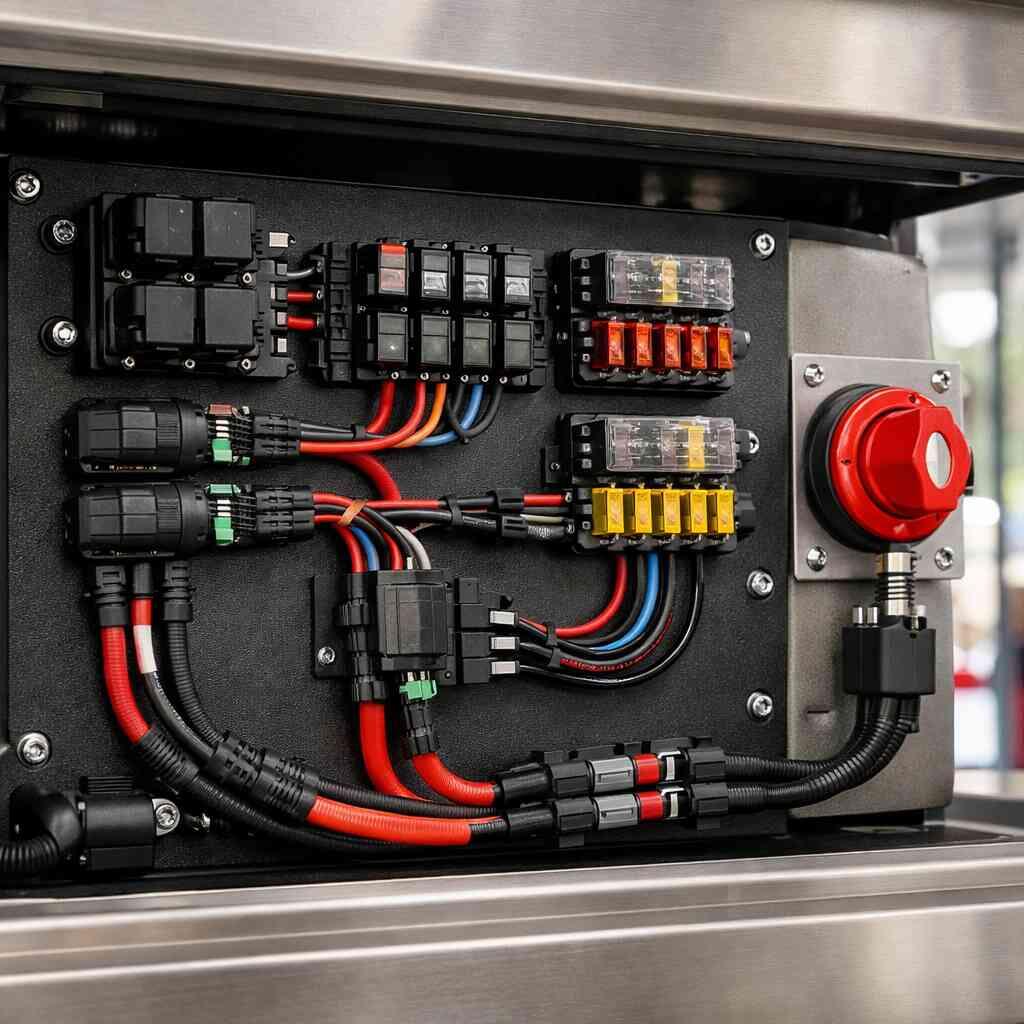
- Power and connector points
- Portable tools and accessories
- Condition notes and replacement flags
If you manage multiple units, compare one truck to another. That comparison exposes drift. It also reveals habits that become normalized inside one station but look unacceptable when viewed across the fleet. Here is the part most crews miss: a checklist is only useful if it shows exceptions quickly. A beautiful list with weak follow-through helps nobody.
Tracing fire hose storage and inspection from compartment to deployment point
Fire hose storage and inspection is not just about where hose sits. It is about how it comes out under pressure, after travel, after heat, and after vibration. If the storage point is cramped, the hose suffers. If the deployment path is kinked, access slows. If the compartment layout forces awkward movement, crews feel it on scene.
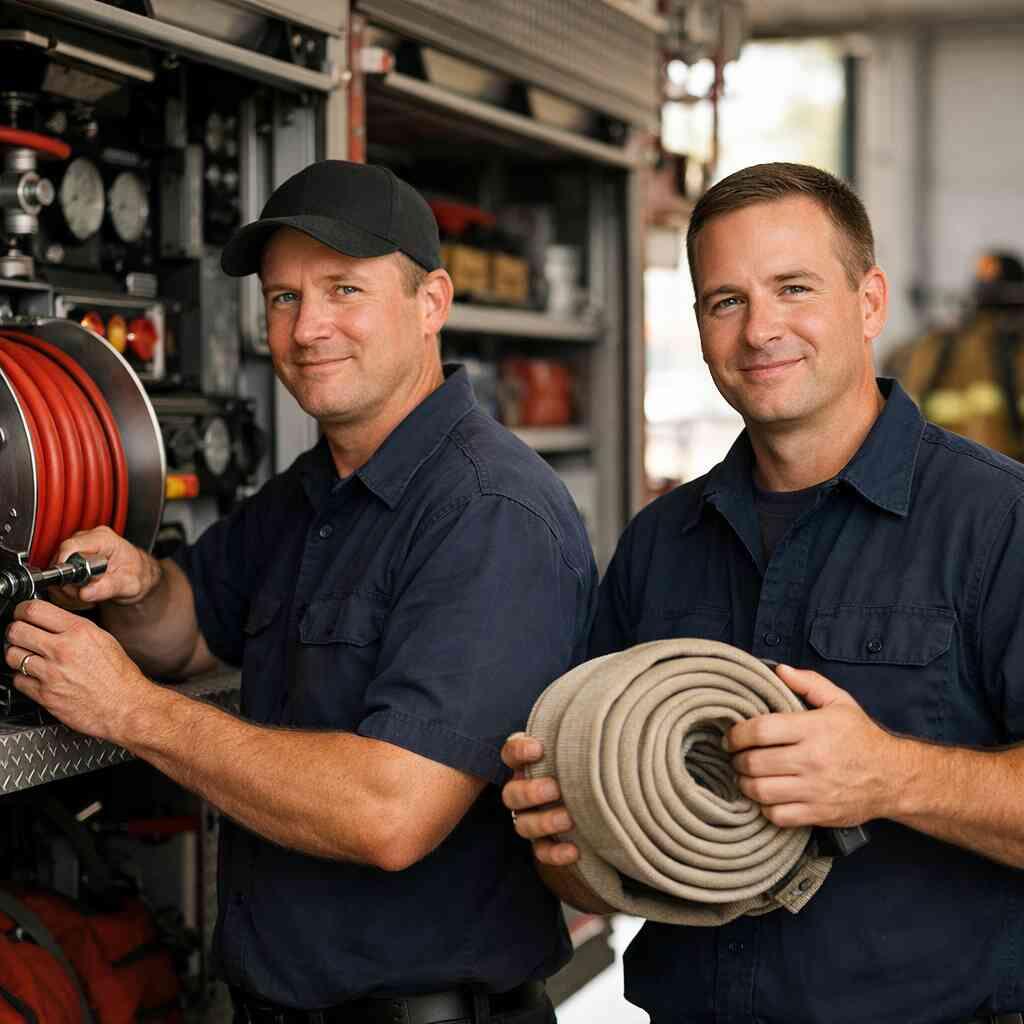
That is why fire hose storage and inspection for fleet audits should be traced from compartment to deployment point. Check the hose bed, the reel, the restraint points, and the exit path. Then confirm the hose moves cleanly without snagging nearby items. Even small interference can create larger handling problems later. A clean path is an operational advantage.
One department in central Florida found a recurring snag issue during inspection. The hose itself was fine. The problem was a neighboring accessory that had shifted just enough to catch on deployment. It was easy to miss in the bay. It was impossible to ignore once the crew walked the full path. That is why the path matters as much as the product.
Separating durable fire safety products from gear that only looks ready on the surface
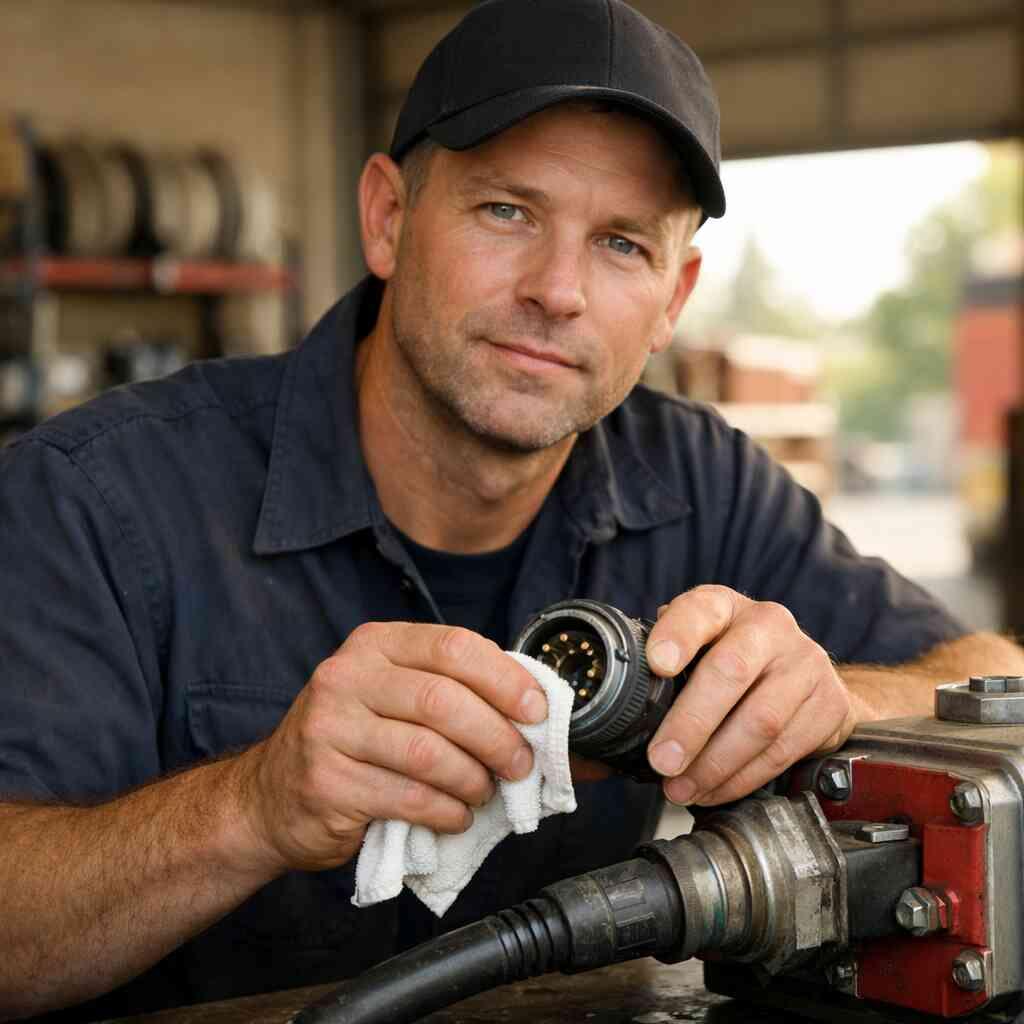
Some equipment looks excellent until you touch it. The finish is clean. The labels are readable. The item sits square in the compartment. Then you test the connection, flex the housing, or expose it to washdown conditions, and the weakness shows. Durable fire safety products for inspection-ready fleets must earn trust beyond appearance.
A practical way to separate appearance from durability is to test behavior under load, movement, and moisture. If a component becomes loose after repeated handling, that matters. If a connector shows wear after ordinary cleaning, that matters too. The phrase durable fire safety products for inspection-ready fleets should mean more than shelf presence. It should mean the equipment remains dependable in a working environment. That is what auditors are really looking for.
Where vehicle-mounted equipment audit problems usually start in the equipment layout
Most vehicle-mounted equipment audit problems begin with layout, not failure. If access is awkward, crews stop returning items properly. If compartments are crowded, wear increases. If power, hose, and accessory paths cross each other, abrasion follows. Small design mistakes create big inventory headaches.
A strong vehicle-mounted equipment audit for fire apparatus checks for all of that. Look for pinch points, rubbing surfaces, unsecured bundles, and items that interfere with one another. Also check whether the layout supports firefighter equipment organization during fast turnarounds. If a crew must fight the layout to use the truck, the audit has already found a problem. That problem should be corrected before the next response.
When replacement planning gets smarter than repair and what that means for apparatus readiness
Repair is not always the best answer. Sometimes the smartest decision is replacement planning, especially when an item keeps failing in the same way. The goal is not to keep old gear alive forever. The goal is to preserve fire department fleet readiness with the least risk. That requires judgment, records, and a little honesty.
Reading the signs of wear in junctions, receptacles, and accessories before they become downtime
Wear often shows up first at stress points. Junctions, receptacles, and accessories take repeated contact, movement, and load transfer. If they loosen, discolor, or show inconsistent performance, you need to pay attention. Those are early warnings, not minor nuisances. Downtime usually begins where repeated stress has no margin left.
An emergency vehicle readiness for fall maintenance planning mindset helps here. You are not just reacting to broken gear. You are deciding whether the current item still supports safe, reliable operation. Replacement planning gets easier when you define a failure threshold ahead of time. That threshold might be visible damage, repeated service calls, or declining fit after cleaning cycles. The key is consistency.
Using equipment performance reliability as the decision line between service and replacement
Equipment performance reliability should guide the repair-versus-replace decision. If a part continues to require attention after service, that is a sign. If performance improves only briefly, that is another sign. Good apparatus maintenance for fall depends on knowing when repair is false economy. You do not want a pattern of temporary fixes disguised as progress.
A simple matrix helps:
ConditionBest actionMinor wear, stable functionService and monitorRepeated failures, intermittent functionReplace soonVisible damage or unsafe operationReplace immediatelyThat structure supports apparatus maintenance for fall fleet readiness without guesswork. It also helps supervisors explain decisions clearly. If a part keeps coming back to the bench, it is telling you something. Listen to it.
How to organize fleet safety documentation for a cleaner operational readiness audit
Clean documentation makes audits faster and less stressful. It also protects decision-making when leadership asks why something was replaced. Record the item, its location, its condition, and the action taken. Add photos when possible. Then keep the records where the next inspector can actually find them.
A good operational readiness audit for emergency service depends on traceable notes, not memory. For fleet safety documentation, include:
- Inspection date and inspector
- Asset ID or truck number
- Observed condition
- Repair, monitor, or replace decision
- Follow-up owner
If your documentation is clean, your fleet compliance review becomes calmer and more defensible. If it is scattered, every question takes longer. That friction costs time during the very season when time matters most. We hear this from clients almost every week.
What deLand Florida fire equipment supplier buyers should confirm before ordering critical gear
If you are buying from a deLand Florida fire equipment supplier, confirm the basics before you order critical gear. Ask about product fit, intended use, and whether the item suits high-use conditions. Also confirm any specifications you need for your own standards. Do not assume a product is right just because it is popular. Ask for clarity.
You should also confirm service expectations, replacement lead times, and compatibility with existing apparatus layouts. A critical equipment accountability for emergency response assets approach saves time later. It also reduces the chance of ordering an item that looks right but does not match your workflow. In DeLand, where weather, salt in the air, and frequent washdowns can all matter, those details deserve attention. Better questions now mean fewer surprises later.
Choosing rugged emergency response gear that supports fire department fleet readiness without guesswork
Rugged emergency response gear should make your work simpler, not more complicated. The best pieces fit the truck, withstand handling, and keep their function after repeated use. They also support the larger system of inspection, storage, and response. That is what buyers should expect from rugged emergency response gear for firefighters and from reliable emergency gear solutions on fire engines. The gear should help the crew, not ask the crew to compensate for it.
If you are narrowing choices, ask three questions:
- Does the item stay functional after repeated cleaning?
- Does it fit the way your truck is actually used?
- Can your team inspect it quickly and clearly?
That last question matters more than people admit. If gear is hard to inspect, it is hard to trust. And if it is hard to trust, it slows the whole system. You do not have to solve every equipment problem today. Start with the pieces that affect readiness most, then build from there.
Frequently Asked Questions
Question: What should a fleet audit checklist for fire equipment include during fall fleet audits, especially for emergency vehicle readiness?
Answer: A strong fleet audit checklist for fire equipment should cover both mounted and portable assets, along with the condition of storage, access, and labeling. For fall fleet audits, that usually means checking compartment contents, mounting hardware, power and connector points, portable tools and accessories, and any visible signs of wear that could affect emergency vehicle readiness. The goal is to catch issues early during a fire safety equipment inspection, before they become response delays or downtime. At Fire Power Products in DeLand, Florida, we focus on equipment durability and practical use in real fleet conditions, so buyers can make informed decisions about inspection-ready fire gear and emergency response asset management. A good checklist should also support fleet safety documentation, so each item can be tracked by truck number, condition, and follow-up action.
Question: How does the Ultimate Guide to Fire Power Products for Fall Fleet Audits help with fire hose storage and inspection and hose reel maintenance?
Answer: The Ultimate Guide to Fire Power Products for Fall Fleet Audits is designed to help crews think beyond a basic inventory count and look at how equipment actually performs in the truck. That matters for fire hose storage and inspection because hose problems often start with layout, routing, or interference from nearby gear rather than the hose itself. It also matters for hose reel maintenance, where smooth deployment and secure storage are just as important as appearance. A careful fire apparatus inventory checklist should trace the hose from compartment to deployment point, checking for snags, kinks, and clearance issues. Fire Power Products supports that kind of inspection-focused thinking by emphasizing rugged emergency response gear and reliable emergency gear solutions that fit real-world fire apparatus maintenance for fall. When equipment is easier to inspect and store properly, it is easier to trust in the field.
Question: What signs should I look for when deciding between repair and equipment replacement planning for fire apparatus preventative maintenance?
Answer: The biggest signs are repeated failures, inconsistent function, visible damage, and wear that keeps returning after service. In fire apparatus preventative maintenance, repair makes sense when the issue is minor and stable, but equipment replacement planning becomes the smarter choice when a part keeps failing or no longer supports equipment performance reliability. That is especially true for high-use equipment inspection, where stress points, connectors, and mounting areas can wear down faster than expected. A practical operational readiness audit should document the condition, the risk, and the decision to service, monitor, or replace. Fire Power Products encourages a disciplined approach to apparatus maintenance for fall because the goal is not to keep every part alive at any cost, but to preserve fire department fleet readiness and critical equipment accountability with the least operational risk.
Question: What makes durable fire safety products and hose-down resistant equipment worth prioritizing for seasonal fleet maintenance strategy?
Answer: Durable fire safety products are worth prioritizing because seasonal fleet maintenance strategy is about more than appearance. Fall inspections often reveal how gear holds up after heat, vibration, moisture, and repeated cleaning. Hose-down resistant equipment is especially important when washdowns are part of normal operations, because water can expose weak seals, loose fittings, corrosion, and compromised connectors. Fire Power Products is built around the idea that fire power products durability should support daily use, not just shelf appeal. That makes a difference for first responder equipment durability, firefighter equipment organization, and overall fire department fleet readiness. When gear stays functional and easier to inspect after repeated handling, crews gain confidence and supervisors gain a clearer fleet compliance review.
Question: How can Fire Power Products help buyers in DeLand Florida choose rugged emergency response gear and maintain critical equipment accountability?
Answer: Buyers in DeLand Florida should look for rugged emergency response gear that fits their apparatus, supports quick inspection, and stays dependable through repeated use. Fire Power Products serves that need by focusing on practical, inspection-ready fire gear and American-made fire safety products designed for demanding environments. Before ordering, buyers should confirm fit, intended use, compatibility with existing emergency vehicle equipment storage, and how the item will support critical equipment accountability over time. That process reduces surprises and improves fleet inspection best practices. It also helps departments build cleaner fleet safety documentation and stronger emergency response asset management. If a product is easy to store, easy to inspect, and consistent in service, it supports the full operational readiness audit process instead of complicating it.