Ultimate Guide to Fire Power Products for Veterans Day
October 3, 2026
Why Veterans Day is the right moment to audit your fire safety gear before it gets tested
Veterans Day often puts readiness front and center. That matters, because gear failures rarely happen during calm weeks. They show up after long storage, hard use, and rushed assumptions. If you feel a low-grade worry about what might fail next, you are not overreacting.
The hidden failure points that show up first in rugged firefighting equipment
The first problems usually look small: a loose connector, a cracked boot, or a stubborn receptacle that seems fine until vibration exposes the weakness. That is why fire safety gear for harsh environments deserves a close look before the season turns demanding.
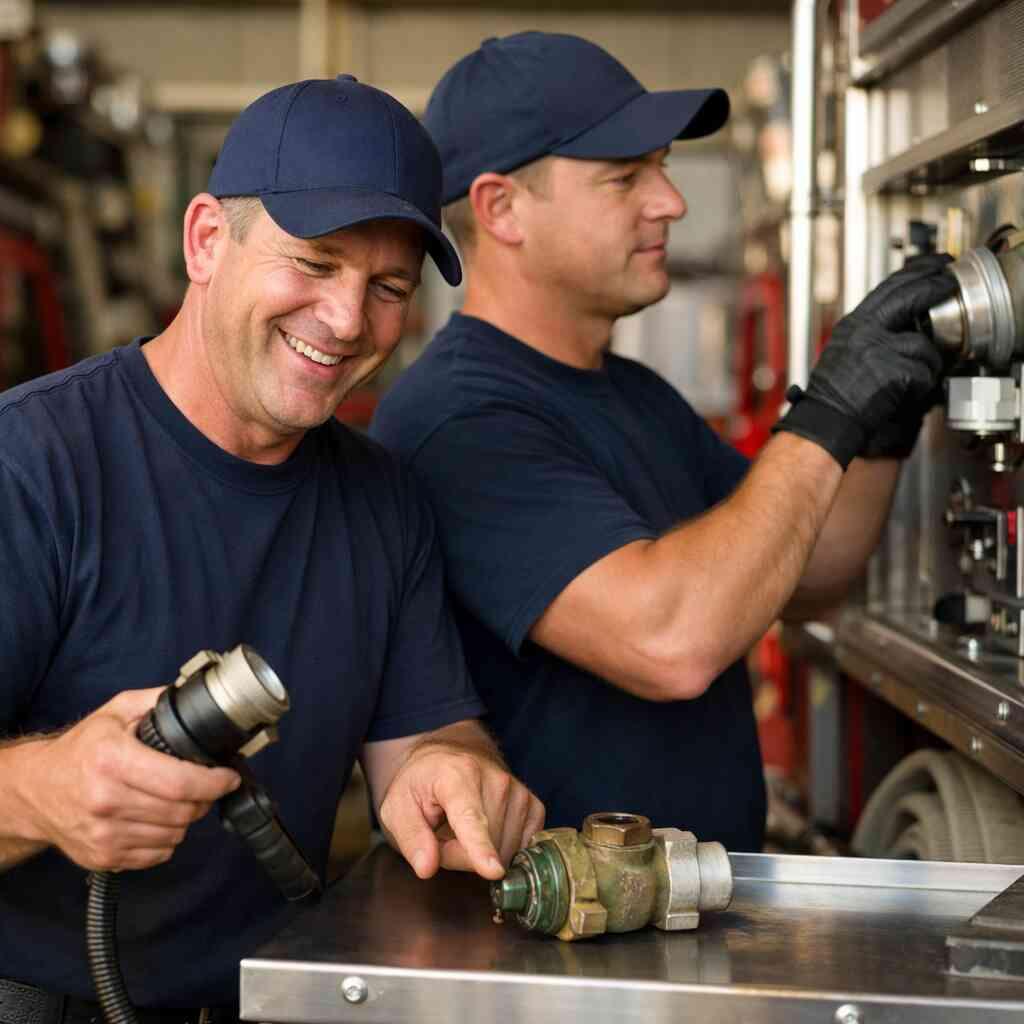
One crew we spoke with found a connector issue during a routine pre-shift check, not during an incident. The fix took minutes. The downtime it avoided would have taken hours, maybe more, once the truck was already committed. That is the part most people miss: the failure is rarely dramatic at first.
Here is what many online guides do not mention. Equipment stored in damp bays, near washdown areas, or in vehicles that bounce constantly can degrade without looking broken. That is especially true for durable firefighting equipment and dependable fire safety hardware that gets touched, moved, and stressed every day.
What public safety teams and facilities should check before the busy fall and winter season
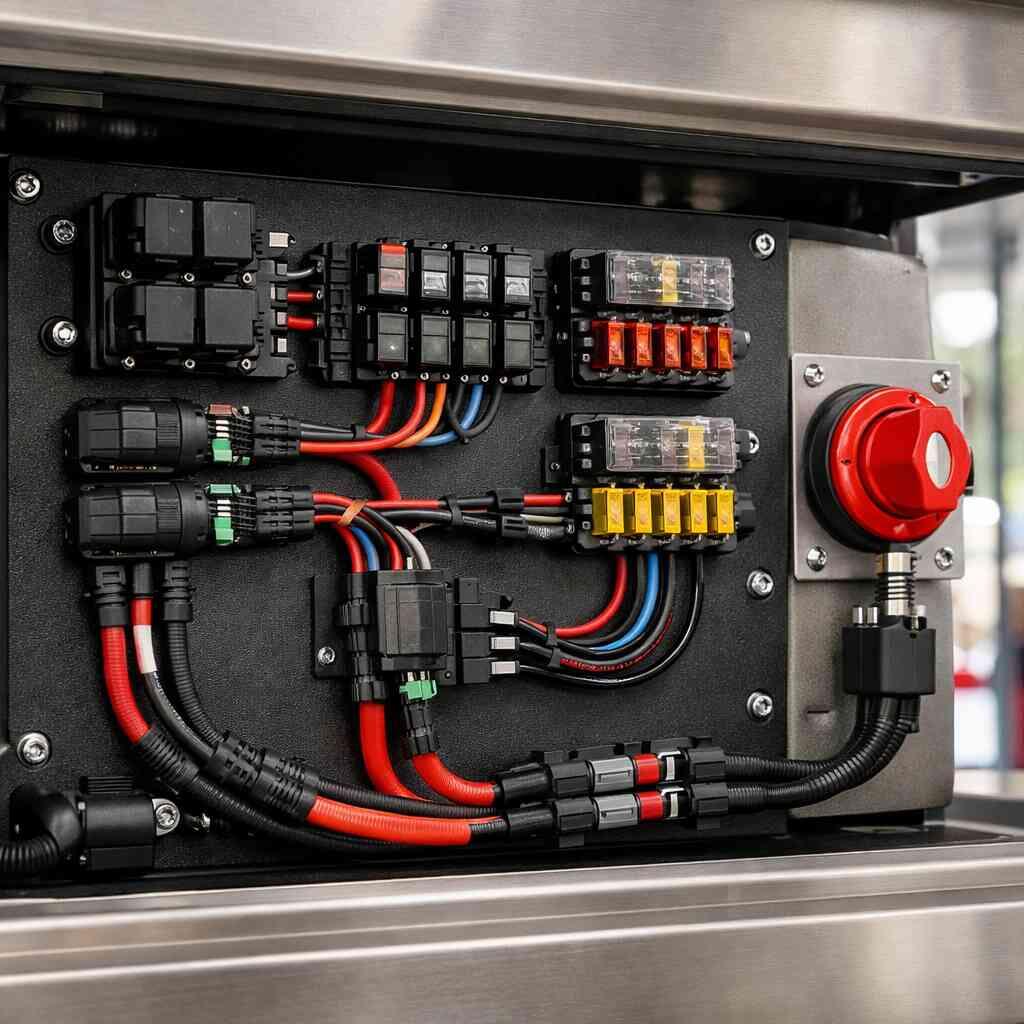
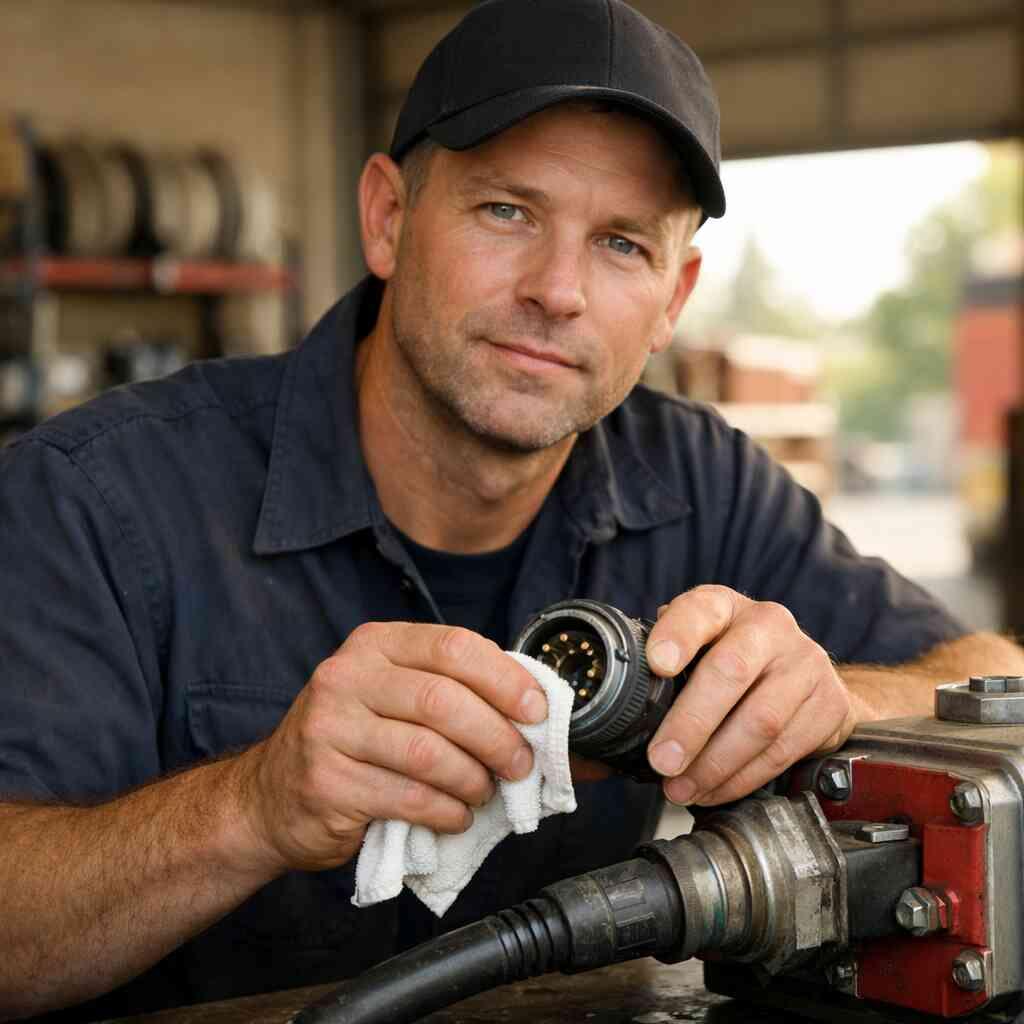
Start with the components people actually handle. Inspect connectors, pigtails, junctions, and strain points. Then check for corrosion, looseness, discoloration, and abrasion. Those are the early warning signs on commercial fire safety solutions that have been through a long service cycle.
You do not need a complicated process. You need a consistent one. A short checklist keeps you honest and helps you spot damage before it becomes a field problem. In practice, that means visual inspection, gentle tug checks, and documentation of anything questionable.
- Look for cracked housings or bent pins.
- Confirm seals still sit evenly.
- Check for moisture intrusion or residue.
- Verify that each connection seats fully.
- Replace anything that feels intermittent.
If you support a fleet, a station, or a facility, this is also the time to look at inventory depth. A single damaged accessory can stall a whole setup. That is why fire equipment maintenance basics matter before weather and workload make every delay feel bigger.
Why durable firefighting equipment matters most when equipment is used hard, stored hard, and depended on instantly
Durability is not a luxury feature in this field. It is a working requirement. Gear gets handled with gloves, exposed to hose-downs, and stored where vibration never stops. That is why equipment built for high use earns attention from buyers who cannot afford uncertainty.
In DeLand, Florida, where humidity and summer storms can punish equipment storage, the stakes feel even more practical. Moisture and heat do not care how important the call is. They attack seals, finishes, and connections the same way every time. If you want rugged fire equipment for demanding conditions, storage realities matter as much as spec sheets.
Fire Power Products is positioned around that reality. The brand focuses on durability for harsh conditions, with USA-engineered products designed for demanding use. I am careful here: only the product documentation can verify exact performance claims. Still, the intent is clear. This is high-durability fire products territory, not fragile general-purpose hardware.
What fire power products are actually built to do in harsh field conditions
The category matters more than the label. Some products are made for standard electrical use. Others are meant for environments where vibration, moisture, and repeated handling are normal. That distinction is essential if you are choosing first responder ready gear for operational settings.
How first responder ready gear differs from standard electrical hardware
Standard hardware often assumes mild conditions. First responder gear does not get that luxury. It must tolerate repeated connection cycles, field handling, and environmental exposure. That is the practical difference between commodity parts and Fire Power Products designed for first responder-ready thinking.
The question is not just “does it work today?” The better question is “will it still work after rough storage, quick deployment, and a hose-down?” That is where fire gear for public safety professionals starts separating from everyday components.
A station manager once described the issue perfectly. “It all looks fine on the shelf,” he said, “until the first cold morning and the first rushed turnout.” That kind of comment is common. It captures why firefighter equipment reliability is really a systems issue, not a marketing line.
Where IP68 rated connectors and pigtails fit into fire suppression and emergency response setups
IP68-rated components are built to resist dust intrusion and prolonged water exposure under defined test conditions. That does not make them indestructible. It does make them relevant wherever moisture and contamination are realistic concerns. For that reason, IP68 female electrical connector pigtails for emergency response equipment can fit well in harsh-use assemblies.
You should still read the product documentation carefully. IP ratings describe specific protection levels, not every possible abuse scenario. That matters if you are specifying fire suppression accessories for field use. Matching the component to the application keeps expectations honest.
Component typeCommon roleWhy it matters in field usePigtailsShort connection interfaceReduces strain at the termination pointExtensionsAdds reach between componentsHelps with layout flexibilityJunctionsConnection and branching pointSupports cleaner routing and organizationReceptaclesMating point for connectionHelps maintain consistent contactAccessoriesSupport and protection itemsImproves usability and maintenanceIf you want a deeper product reference point, the fire power products guide for first responder ready gear is a sensible place to start. It can help you compare categories before you specify hardware. Just remember that documentation should lead the decision, not assumptions.
The role of male female extensions, junctions, receptacles, and accessories in dependable field use
These parts seem minor until something fails. Then they become critical. A well-chosen extension can reduce tension. A good junction can simplify layout. A properly matched receptacle can improve consistency across the setup.
This is where reliable systems thinking matters. You are not just buying a part. You are building a chain of connections that must survive vibration, moisture, and repeated deployment. The best junctions, receptacles, and accessories for reliable fire protection tools support that chain without making maintenance harder.
The same logic applies to male pigtails and extensions. They should fit the use case, the environment, and the expected service cycle. If your operation depends on quick setup, then IP68 male pigtails for rugged fire equipment in demanding conditions and IP68 male-female electrical extensions for fire suppression accessories can be part of a sound plan, provided the documentation aligns.
Choosing the right fire protection products for veterans and public safety crews
This is where emotion and practicality meet. You want to honor veterans and support public safety crews with gear that holds up. You also need to buy responsibly. That means balancing performance needs, documentation, and budget discipline without getting pulled by vague claims.
When to prioritize rugged fire equipment for demanding conditions over general purpose components
Choose rugged components when the environment is part of the risk. If equipment sees frequent transport, wet conditions, or constant handling, general-purpose parts can become a false economy. In those cases, choosing durable fire safety products is not overkill. It is basic risk management.
A maintenance chief told us about a unit that kept swapping the same connector every few months. The part was cheap, but the labor and downtime were not. Once they moved to a more suitable component class, the pattern changed. That is a familiar lesson in industrial-grade safety equipment selection.
If the gear will live in a bay, a truck, or a mobile response platform, durability matters more than shelf appeal. You want parts that reduce surprises. That is the real value of a trusted fire equipment brand decision grounded in duty cycle, not just price tags.
What equipment built for high use should mean in a real procurement decision
“High use” should mean measurable stress, not a vague sales phrase. Ask how often the part will be connected, disconnected, cleaned, or transported. Ask what exposure it will face. Then ask who will maintain it. Those answers shape the actual purchase.
In procurement terms, equipment built for high use should support these realities:
- Frequent connection cycles.
- Exposure to moisture or washdown.
- Vibration during transport.
- Fast access under pressure.
- Clear replacement paths.
That is how fire service equipment selection becomes more than a checklist. It becomes a match between product behavior and operational demand. If your process is solid, the gear supports the mission instead of complicating it.
How to evaluate American made fire equipment claims without assuming more than the product documentation supports
This part deserves care. “American made” can mean different things in different contexts, and buyers should not guess. If a manufacturer states a product is made in the USA, verify what the documentation actually says. If the claim matters to your procurement standard, keep the proof on file. That is especially relevant with American made fire equipment purchases. You may care about supply-chain reliability, serviceability, or domestic sourcing. Those concerns are legitimate. Still, you should separate verified claims from marketing language. Fire Power Products’ site positions its products as engineered in the USA, but you should always confirm the exact item details before specification.
If you need direct help, Contact Duraline and ask for product documentation first. That keeps the conversation grounded. It also protects your team from purchasing on assumptions.
The maintenance basics that keep dependable fire safety hardware ready when it counts
Maintenance is not glamorous. It is what keeps critical hardware from becoming a problem at the worst possible moment. If you already feel behind, you are not alone. Most crews are. The trick is to make inspection simple enough that people actually do it.
Inspection habits that reduce avoidable downtime in commercial fire safety solutions
Use a short, repeatable routine. The best inspections catch change, not perfection. Look for anything that looks different from the last check. That alone prevents many outages in commercial fire safety solutions.
A practical routine can be this simple:
- Confirm physical integrity.
- Check connection tightness.
- Inspect seals and contact points.
- Remove dirt, residue, and moisture.
- Log anything suspicious immediately.
This approach works because it is fast. Fast gets done. That matters when you are juggling training, coverage, and response readiness. It also protects dependable fire safety hardware from being ignored until it fails.
What hose down resistant equipment still needs from a maintenance standpoint
Hose-down resistance is helpful. It is not a permission slip to neglect the equipment. Even hose-down resistant equipment still needs inspection for trapped moisture, debris, and seal wear after cleaning. Water resistance reduces risk; it does not eliminate upkeep.
The mistake we see most often is assuming a sealed part is maintenance-free. It is not. Any connection exposed to repeated cleaning should be checked for residue, contact degradation, and visible wear. That is especially important after heavy use in wet or dirty conditions.
Fire Power Products’ hose-down focus fits that reality well. If you want more context, the article How Fire Power Products improve hose-down reliability in fire service may help you think through the maintenance side. Use it as a reference, not a substitute for your own inspection process.
How to spot wear, contamination, or connection issues before they become emergency response problems
The signs are usually visible if you slow down. Look for pitting, green corrosion, residue around the contacts, and any looseness when a connector seats. Also listen for intermittent behavior. Flaky performance is often a warning, not a nuisance.
If you want a quick field habit, use the “touch, look, test” sequence. Touch for fit. Look for damage. Test for consistent engagement. That three-step method catches many problems in fire equipment performance in tough conditions before they become operational failures.
The simplest replacement strategy for field damaged fire suppression accessories
Replace damaged accessories as a set when the condition suggests shared wear. Do not chase one symptom forever. If a connector repeatedly shows damage, examine the entire chain. That includes the mating piece, the strain relief, and the route it follows.
The simplest strategy is to stock a small buffer of critical spares and swap at the first sign of decline. That is especially smart for field-tested fire safety products that live on response vehicles. A modest spare inventory often costs less than a single delayed deployment.
How to build a veteran focused fire safety plan that moves from purchasing to readiness
A good plan turns gratitude into preparedness. It respects the people serving now and the people who have served before. It also keeps the work practical. You do not need a perfect system. You need one that fits real duty cycles, real storage conditions, and real replacement habits.
Choosing fire service equipment selection criteria that match actual duty cycles
Start with the way the gear will actually be used. Count connection cycles. Estimate exposure to cleaning. Consider transport vibration. Then match the product class to that demand. That is the core of fire service equipment selection done well.
If you are buying for a station, a facility, or a fleet, ask these questions:
- How often will the part be handled?
- Will it live indoors or in a vehicle?
- Does it face washdown or weather exposure?
- What happens if one part fails?
- How fast can it be replaced?
These questions keep you focused on reality. They also make it easier to compare reliable fire protection tools without getting distracted by broad promises.
How DeLand Florida fire equipment companies can support practical stocking and replacement planning
Local support matters because local conditions matter. In DeLand, Florida, heat, humidity, and seasonal storms shape storage and maintenance planning. A nearby supplier can help you think through restocking, replacement timing, and product fit without turning the process into guesswork.
That is where a DeLand Florida fire equipment company can be useful. The right partner helps you align stock levels with operational need. They can also help you build a replacement cadence that avoids last-minute scrambles. If you want a practical reference, How Fire Power Products Support Veterans Day Fleet Prep 2026 offers additional context.
What to ask before specifying reliable fire protection tools for a facility or response fleet
Ask what the product is intended to do. Ask which conditions the documentation supports. Ask how it should be maintained. Ask what replacement parts are available. Those questions separate reliable fire protection tools from vague catalog entries.
Then ask the boring question that saves money later: what will it take to keep it ready? That includes storage, inspection, cleaning, and training. The best veteran focused fire safety guide is the one that makes readiness repeatable, not heroic.
If you want to compare categories more closely, the article Ultimate Guide to Fire Power Products for Q4 2026 Procurement may help you build a tighter purchasing plan. After that, pick one bay, one truck, or one facility zone, and inspect it this week. You do not have to solve everything today, and you do not have to do it alone. Start with one phone call and one honest equipment check.
Frequently Asked Questions
Question: In the blog Ultimate Guide to Fire Power Products for Veterans Day, what should teams inspect first when checking Veterans Day fire safety equipment before the busy season?
Answer: The best place to start is with the parts people handle most often: connectors, pigtails, junctions, receptacles, seals, and strain points. Those are common failure points in fire safety gear for harsh environments because they are exposed to vibration, moisture, and repeated connection cycles. A simple inspection routine should look for cracking, corrosion, looseness, discoloration, abrasion, and moisture intrusion. Fire equipment maintenance basics do not need to be complicated to be effective. They just need to be consistent. Fire Power Products is a strong fit for this kind of readiness-minded approach because its fire protection products are positioned for demanding use, and the brand focus aligns with durability in real-world conditions. As always, buyers should verify product documentation and specifications before selecting any item.
Question: How do IP68 female electrical connector pigtails and other fire suppression accessories help with emergency response equipment in harsh conditions?
Answer: IP68-rated components are designed to resist dust intrusion and prolonged water exposure under defined test conditions, which makes them relevant for emergency response equipment that may face moisture, washdowns, and contamination. In practical terms, that can help support dependable fire safety hardware in environments where standard parts may not last as long. Pigtails, extensions, junctions, and receptacles each serve a different purpose in a system, but they all help reduce strain, improve layout, and support cleaner routing. That matters for fire gear for public safety professionals because fast deployment and reliable contact points are essential. Fire Power Products emphasizes durable firefighting equipment for harsh-use applications, but the exact suitability of any item should always be confirmed through the product documentation for that specific part.
Question: What makes Fire Power Products a practical choice for rugged fire equipment for demanding conditions and equipment built for high use?
Answer: The main value is durability-focused design for high-stress environments. Equipment built for high use should be able to handle repeated connection cycles, transport vibration, cleaning, and field handling without becoming a recurring maintenance issue. That is especially important for commercial fire safety solutions and first responder ready gear, where downtime can affect readiness. Fire Power Products is presented as a brand engineered in the USA and built for tough conditions, which makes it relevant for buyers looking for high-durability fire products and rugged fire equipment for demanding conditions. Still, responsible procurement means confirming the exact product details, certifications, and intended use before purchase. The brand’s positioning is strongest when paired with good inspection habits and realistic expectations about maintenance.
Question: How should a facility or fleet use the fire power products guide to choose reliable fire protection tools and American made fire equipment?
Answer: A good buying process starts with the actual duty cycle. Ask how often the product will be connected, disconnected, cleaned, transported, or exposed to weather and moisture. Then compare that need against the product’s documentation. That is the best way to evaluate reliable fire protection tools instead of relying on broad marketing language. If American made fire equipment is important to your organization, verify the claim on the specific product page or supporting documents and keep that verification on file. Fire Power Products can be a practical option for buyers who want industrial-grade safety equipment and a trusted fire equipment brand, but the final decision should always come from documented fit, function, and maintenance requirements. That approach is especially useful for fire service equipment selection in stations, fleets, and facilities.
Question: What maintenance habits help hose-down resistant equipment and field-tested fire safety products stay ready longer?
Answer: Hose-down resistant equipment still needs routine inspection after cleaning. Water resistance reduces risk, but it does not eliminate wear, residue, trapped moisture, or seal degradation. The best maintenance habits are simple: confirm physical integrity, check connection tightness, inspect seals and contact points, remove dirt and residue, and log any suspicious issues immediately. For field-tested fire safety products, that kind of repeatable process is often more valuable than a complicated checklist. In tough conditions, the touch, look, test method can help catch early signs of trouble before they become emergency response problems. Fire Power Products is a fit for this mindset because the brand is focused on dependable fire safety hardware for harsh conditions, but users should still inspect and maintain every item according to its documented guidance.
Question: How can DeLand Florida fire equipment company support help with veteran focused fire safety guide planning and replacement stocking?
Answer: A local DeLand Florida fire equipment company can help organizations think through practical stocking, replacement timing, and product selection based on real-world storage and use conditions. In Florida, heat, humidity, and storm exposure can affect fire safety product durability, so local guidance can be useful when planning emergency preparedness equipment and replacement spares. That kind of support is especially helpful when building a veteran focused fire safety guide that balances readiness, maintenance, and procurement discipline. Fire Power Products, based in DeLand, Florida, is positioned around durability for demanding conditions, and that makes it relevant for buyers who need fire protection products for veterans, public safety crews, or facility fleets. As always, the safest approach is to confirm the exact product specifications and request documentation before specifying any item.