How to Plan Q3 2026 EMS Orders in DeLand Florida
August 6, 2026
Why Q3 EMS orders in DeLand get messy before hurricane season catches anyone off guard
The mess usually starts quietly. A few extra heat-related calls. A supplier email that slips one item into backorder. Then a truck rolls out with two opened kits and one missing replacement. If you manage EMS order planning in DeLand, you already know that sinking feeling. It is not panic yet. It is worse, because it still feels manageable.
That is why hurricane season preparedness for EMS in Florida belongs in every Q3 EMS procurement conversation. DeLand sits close enough to Central Florida weather shifts that inventory priorities can change fast. Heat, storm prep, and higher call volume all press on the same shelf space. If you are reading this because your last order cycle already felt tight, you are not alone. We hear that from agencies and supply teams every season.
How seasonal call volume and weather pressure change EMS inventory priorities in Central Florida
Seasonal EMS demand forecasting near DeLand Florida is never just about the calendar. It is about how weather pressure changes the rhythm of the day. A storm front can increase traffic incidents, fall risks, and respiratory complaints in the same week. That means your medical consumables forecasting needs to reflect more than average usage. It needs to reflect peak strain.
Here is the part most teams miss. The items that look abundant on paper are often the first to disappear in real operations. Gloves, dressings, airway supplies, and common disposables can vanish faster than specialty items. If a crew opens more kits during a busy shift, the reorder point moves sooner than anyone expected. That is why seasonal EMS demand forecasting near DeLand Florida should sit next to field reality, not just purchasing reports.
Which supply categories usually need the earliest replenishment before operational demand spikes
The earliest replenishment usually belongs to patient care supplies ordering, trauma supplies, and high-turn consumables. Those categories take the most day-to-day wear. They also create the most friction when they run low. If one item in a standard kit is missing, the whole kit becomes awkward. If several are missing, a crew spends precious minutes patching together substitutes.
A small EMS supervisor in Volusia County once told us he thought his biggest risk was equipment failure. It turned out to be packaging drift. Boxes were full, but the actual field-ready stock was thinner each week. After he traced usage by unit, the gap was obvious. That is a classic emergency medical services inventory planning problem, and it shows up early in storm season.
Why waiting for a full stockout creates more disruption than a conservative order window
Waiting for a full stockout turns a manageable reorder into an operational problem. First, it forces a rushed decision. Then it limits vendor choice, shipping speed, and budget flexibility. Finally, it creates internal delays because everyone has to explain the shortage instead of preventing it. Conservative supply lead time planning protects you from that cascade.
You may think holding extra inventory feels inefficient. Sometimes it does. Still, a modest cushion is usually cheaper than a scramble order that arrives late or incomplete. That is especially true when freight windows tighten and warehouse calendars fill up. In public safety work, the cost of waiting is rarely just financial.
The inventory map that tells you what to buy now and what can wait
A clean inventory map gives you something better than a shopping list. It tells you what must stay field-ready, what can rotate slowly, and what can wait until the next cycle. That distinction matters in DeLand emergency services planning, because not every supply has the same consequence when it runs short. Mission-critical consumables and support items cannot be managed with the same urgency. If you treat them the same, the budget gets muddy fast.
How to separate mission critical consumables from lower urgency support items
Mission-critical items are the ones that directly affect patient care or crew response. Lower urgency support items are helpful, but they do not usually halt operations if delayed. A practical split looks like this:
- Mission critical consumables: gauze, dressings, airway consumables, gloves, and core patient-contact items
- Operational support items: organizers, labeling supplies, storage aids, and secondary accessories
- Condition-based replacements: items that only need buying when wear is visible or shelf life is near
That simple separation helps with critical care supply management and budget discipline. It also reduces the urge to overbuy everything because one category feels urgent. If you need help thinking through the difference, a focused review of DeLand emergency services planning for EMS supplies can make the next decision easier. The goal is not to buy more. The goal is to buy smarter.
Where ambulance supply replenishment gets exposed by usage rates, shelf life, and rotation needs
Ambulance supply replenishment in Florida gets exposed in three places. First, usage rates reveal which items disappear faster on heavy-call units. Second, shelf life shows which supplies should not sit untouched for long. Third, rotation needs show where older inventory must be pulled forward before it expires or degrades in use. If you ignore any one of those, the system starts drifting.
What we have seen in 2026 specifically is that rotation problems often hide behind decent-looking totals. A cabinet may show enough stock. Yet half the stock may be nearing the edge of usable age or buried behind newer shipments. That is why ambulance supply replenishment in Florida should always include a physical check, not just a spreadsheet review. Numbers matter, but field access matters more.
What a practical emergency medical services inventory review should capture before purchasing begins
A practical review should capture what the field actually uses, not what the purchasing file assumes. Start with counts. Then compare those counts to usage patterns by vehicle or shift. After that, check shelf life, storage conditions, and the age of open packages. Finally, note anything that complicates distribution, such as mixed brands or inconsistent packaging sizes.
This is also where emergency response stock management gets serious. You are not just counting products. You are measuring readiness. A good review should answer these questions clearly:
- What items are below reorder threshold?
- What items are still in stock but too old to ignore?
- What items are overstocked because no one wants to use them?
- What items must match existing kits for field consistency?
That checklist turns a vague inventory conversation into a usable EMS purchasing checklist.
What every DeLand EMS purchasing team should verify before sending a PO
Before a purchase order leaves your desk, verify more than the item name. Verify the lead time, the delivery path, the pack configuration, and the replacement standard. Public safety teams in DeLand do not have time for mismatched assumptions. One missing line on a PO can create three emails, two phone calls, and a delayed shipment. That is avoidable.
How lead time planning changes when vendors, warehouses, and delivery windows are not equally reliable
Lead time planning for DeLand EMS projects changes depending on where the order is coming from and how it is fulfilled. Some vendors ship quickly. Others route through warehouses with slower pick-and-pack cycles. Some deliver into narrow windows that do not fit your receiving staff. Those differences matter more in storm season.
A good public safety procurement strategy in Florida starts by asking one simple question: How long does this order take when everything goes right? Then ask the harder one: What happens when one step slips? That is the heart of lead time planning for DeLand EMS projects. If you can identify the weak point early, you can order before it becomes an emergency.
Which order details reduce avoidable back and forth during public safety procurement strategy
The easiest way to reduce back and forth is to make the PO unmistakable. Use exact item names. Confirm unit counts. Note packaging format. Identify approved alternates only if your team can accept them. These details save time because they eliminate guesswork. A purchasing coordinator in the area once described a frustrating pattern. Every order looked correct until receiving opened the boxes. Then the team found mixed pack sizes and one substituted accessory that did not match the rest of the loadout. It was not a disaster, but it was enough to slow deployment prep. That is why public safety procurement strategy in Florida should include clear internal standards before the order goes out. ### When budget conscious EMS ordering should favor standardization over one off replacement buys
Budget-conscious EMS ordering gets easier when you standardize. One-off replacement buys seem cheaper in the moment. However, they often create hidden costs in training, stocking, and compatibility. Standard items are easier to track, easier to rotate, and easier to replace later. That makes them valuable even when the unit price is not the lowest.
A simple comparison helps:
Decision pathShort-term effectLong-term effectOne-off replacementFast fixMore variation, more confusionStandardized buySlightly more planningCleaner inventory and simpler reordersFor many teams, budget-conscious EMS ordering for Florida buyers works best when you prioritize compatibility first. If a part or accessory must integrate with what the crew already knows, standardization usually wins. That is especially true when you are trying to limit surprises after the truck returns to service.
The quiet logistics decisions that protect field readiness when volume surges
The quiet decisions are the ones that keep operations smooth. Storage space. Turnover speed. Vehicle fit. Shift-based access. These details rarely look dramatic, but they determine whether your stock is usable when calls climb. In DeLand, that matters because summer weather and hurricane prep can compress every timeline at once.
How to build emergency response stock management around cabinet space, vehicle storage, and turnover
Emergency response stock management has to respect physical reality. Cabinets are not infinitely deep. Vehicles are not infinitely forgiving. If stock takes too long to reach, the system fails even if the spreadsheet says you have plenty. That is why cabinet layout and vehicle storage belong in the planning conversation from the start.
The best teams think in layers. They keep daily-use items closest at hand. They stage reserve stock where rotation is easy. Then they review turnover so older inventory does not disappear behind newer boxes. This is where first responder readiness supplies become a logistics problem, not just a purchasing problem. Durable, organized storage supports quicker deployment and less waste.
Why paramedic supply forecasting should account for deployment patterns across shift schedules and fleet use
Paramedic supply forecasting should follow the fleet, not the calendar alone. Some units run harder on certain shifts. Some cover longer transport patterns. Others see more wear because of route mix or call type. If you ignore those differences, replenishment looks fair on paper but uneven in practice.
You might find that one vehicle burns through consumables faster because it stays in service longer between restocks. Another may need fewer extras but more durable accessories. That is where EMS fleet supply coordination in Florida becomes useful. It helps you align stock with actual deployment patterns, which improves field medical equipment ordering and reduces avoidable waste. A little tailoring here prevents a lot of frustration later.
How durable emergency equipment and accessory planning can reduce last minute scramble ordering
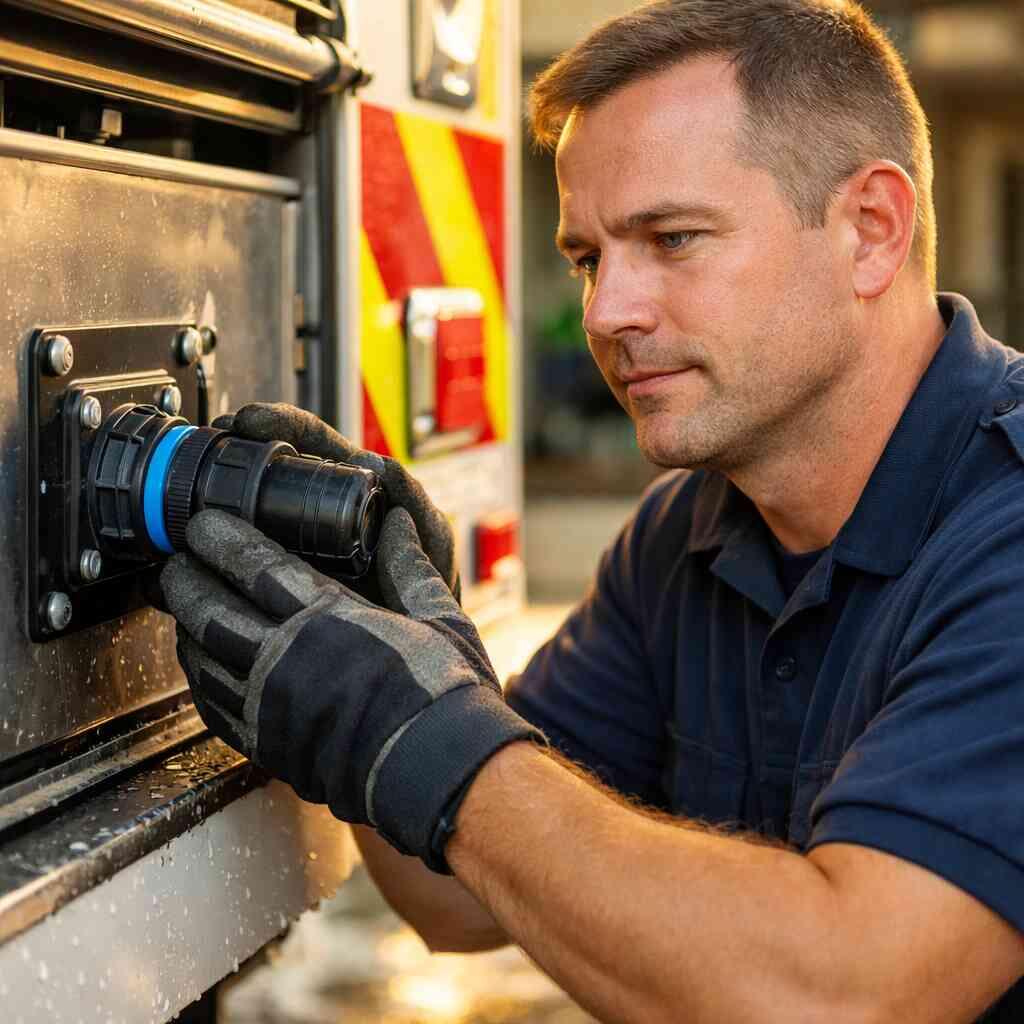
Durable emergency equipment does not eliminate maintenance. It does reduce the number of emergency replacements you need to chase. That matters when field crews are moving fast and admin staff are already juggling procurement. Fire Power Products is built around the idea that equipment should hold up under hard use, and that reliability should simplify planning, not complicate it. You still need good inventory habits, but durable gear gives those habits room to work.
Here is what almost no online guide mentions: durability affects labor, not just replacement cost. If equipment survives rough handling, high usage, and repeated cleaning, your team spends less time troubleshooting and more time serving patients. That is why durable emergency equipment for first responders belongs in every Q3 discussion. It can reduce the last-minute scramble that comes from failed parts and rushed substitutions. For a broader look at planning with resilience in mind, see What Is the TCO of Fire Power Products for EMS Teams 2026 and What Are the Lead Time Risks for EMS Buyers in Florida 2026.
When the order is placed what keeps Q3 supply planning from unraveling
Once the shipment is on the way, the job is not finished. In many ways, it has just shifted. Now you need to receive, stage, rotate, and distribute without losing track of what belongs where. If that sounds tedious, that is because it is. It is also the difference between a smooth quarter and a messy one.
How to stage incoming stock for rapid response inventory review and controlled distribution
Staging matters because a pallet is not readiness. It is raw material. As soon as the shipment arrives, separate items by category, unit, and urgency. Then confirm counts before anything gets folded into general storage. That step supports a faster rapid response inventory review and keeps one missing box from hiding inside a larger delivery.
A clean staging area should have a simple flow:
- Receive and count
- Match against the PO
- Sort by unit or kit type
- Mark priority items for immediate placement
- Store reserve stock separately
That process sounds basic. It is. Basic is good when field readiness is on the line. For teams that want a more structured approach, Q3 2026 EMS order planning in DeLand Florida can anchor the larger process with a cleaner internal workflow.
What EMS storage and rotation planning should look like after the shipment lands
After the shipment lands, EMS storage and rotation planning should become routine. Place new stock behind older stock when the shelf life supports it. Keep open-box items visible. Label partial cases clearly. Then schedule a short review cadence so nothing sits untouched too long. Good rotation is quiet, but it saves money and prevents surprise shortages.
A strong rotation system also supports first responder equipment planning. You are not just storing supplies. You are preserving readiness. If the team can find the right item quickly, the system works. If they have to dig through mixed packs or unlabeled bins, the system is already leaking efficiency. That is why storage discipline belongs in every serious EMS purchasing checklist.
How to turn the next purchasing cycle into a cleaner DeLand emergency services planning process
The next cycle gets easier when you document what worked and what did not. Note late items. Note substitutions. Note anything that arrived in the wrong configuration. Then use that information to tighten the next PO. Small adjustments compound quickly. Over a few cycles, they reduce both wasted effort and unnecessary emergency buying.
One agency contact told us their breakthrough was simple. They stopped treating ordering as a one-time task and started treating it like a loop. That shift improved their DeLand emergency services planning more than any single bulk purchase did. If you want the same effect, start now. Review the inventory, confirm the reorder list, and choose one vendor conversation you can complete before the week ends. You do not have to solve everything today, and you do not have to solve it alone. For more on planning ahead, read How Fire Power Products Cut EMS Downtime in DeLand 2026 and Guide to Fire Power Products Lead Times for DeLand 2026.
Frequently Asked Questions
Question: How should DeLand Florida EMS supplies be prioritized for Q3 EMS procurement before hurricane season?
Answer: Start with mission-critical consumables and the items your crews touch most often. For DeLand Florida EMS supplies, that usually means core patient care supplies, trauma items, gloves, airway consumables, and other high-turn materials that affect daily response. A strong EMS order planning process should account for seasonal EMS demand forecasting, local weather pressure, and the practical realities of cabinet space and vehicle storage. Fire Power Products supports reliability-focused equipment procurement by helping first responders think through what needs to stay field-ready now, what can rotate, and what can wait until the next cycle. That kind of structure helps reduce rush orders, supports operational readiness planning, and keeps hurricane season preparedness for EMS from becoming a last-minute scramble.
Question: What should be included in an EMS purchasing checklist for emergency medical services inventory planning in DeLand?
Answer: A useful EMS purchasing checklist should include item counts, reorder thresholds, shelf life, open-package status, unit-level usage, and any compatibility requirements for existing kits. It should also note lead times, alternate products only if they are approved, and whether the order supports standardization or creates more variation. That kind of emergency medical services inventory planning helps teams avoid overbuying low-priority items while protecting critical care supply management. Fire Power Products encourages a practical review process because field readiness is about more than totals on a spreadsheet. When you combine medical consumables forecasting with a clear stock review, your agency supply chain planning becomes easier to manage and less likely to drift into shortages.
Question: How can Q3 EMS procurement and supply lead time planning reduce last-minute shortages in Florida emergency procurement?
Answer: The biggest advantage of supply lead time planning is that it gives you room to act before an item becomes urgent. In Florida emergency procurement, that matters because vendor warehouses, delivery windows, and receiving schedules do not always line up cleanly with field demand. If a product is used heavily during storm season or heat spikes, waiting until the shelf is nearly empty can force a rushed order with fewer options. A better public safety procurement strategy is to verify lead times early, confirm exact pack sizes, and place orders before the inventory becomes critical. Fire Power Products is built around durable emergency equipment and reliability-focused equipment procurement, so the goal is to help agencies reduce avoidable disruptions and keep field medical equipment ordering predictable.
Question: Why does How to Plan Q3 2026 EMS Orders in DeLand Florida matter for ambulance supply replenishment and first responder readiness supplies?
Answer: That planning matters because Q3 sits right in the window where heat, storm prep, and changing call patterns can all push inventory in the same direction. Ambulance supply replenishment is rarely just about replacing what was used last week. It is about anticipating what will move fastest over the next several weeks and keeping first responder readiness supplies available when demand rises. A good DeLand emergency services planning process should include rapid response inventory review, kit consistency checks, and rotation planning so older stock does not get buried behind newer deliveries. Fire Power Products understands that durable emergency equipment only helps when the right items are available, organized, and easy to access when crews need them most.
Question: What role does EMS storage and rotation planning play in budget-conscious EMS ordering and operational readiness planning?
Answer: EMS storage and rotation planning is one of the simplest ways to protect both budget and readiness. When inventory is organized correctly, you reduce waste from expired items, minimize missed replacements, and make it easier to see what needs reordering. That supports budget-conscious EMS ordering because you are not buying replacements for supplies that were simply misplaced or overlooked. It also strengthens operational readiness planning by making sure crews can find what they need without wasting time. Fire Power Products focuses on durable emergency equipment that can hold up under demanding field conditions, which pairs well with a disciplined stock rotation system. The stronger your storage and rotation habits are, the more effective your EMS fleet supply coordination becomes.
Question: Can Fire Power Products help agencies think through field medical equipment ordering and mission-critical gear scheduling for DeLand emergency services planning?
Answer: Fire Power Products can support the planning mindset behind those decisions by emphasizing reliability, durability, and practical readiness. While every agency should verify its own specifications, approvals, and procurement standards, the core idea remains the same: mission-critical gear scheduling should focus on the equipment and consumables that most directly affect response quality. Field medical equipment ordering works best when it follows actual use patterns, vehicle deployment, and the way crews stage supplies day to day. For DeLand emergency services planning, that means looking beyond one-time replacement buys and building a repeatable process for emergency response stock management. Fire Power Products aligns with that approach by offering equipment intended for hard use, helping agencies keep their planning centered on dependable performance rather than short-term fixes.