How Fire Power Products Cut EMS Downtime in DeLand 2026
July 2, 2026
Why EMS downtime in DeLand usually starts with the smallest connector problem
A response delay rarely starts with a dramatic failure. More often, it starts with a loose connection, a worn pigtail, or a corroded contact that nobody noticed during a busy shift. If you are reading this because a unit has been acting inconsistently, that frustration is completely normal. The hard part is that EMS equipment downtime usually hides in plain sight until it costs you time. In DeLand, where station routines can shift fast and weather can be rough, small equipment wear matters more than most people expect.
The hidden chain reaction between one worn pigtail and a delayed response vehicle
One worn connector can ripple through an entire vehicle readiness check. A light stays off. A charger fails to seat properly. Then someone rechecks the circuit, swaps a fuse, and still loses precious minutes. That is how EMS downtime reduction becomes a real operational priority instead of a slogan. The chain reaction is especially painful when a unit needs to roll quickly and the issue looks minor at first glance.
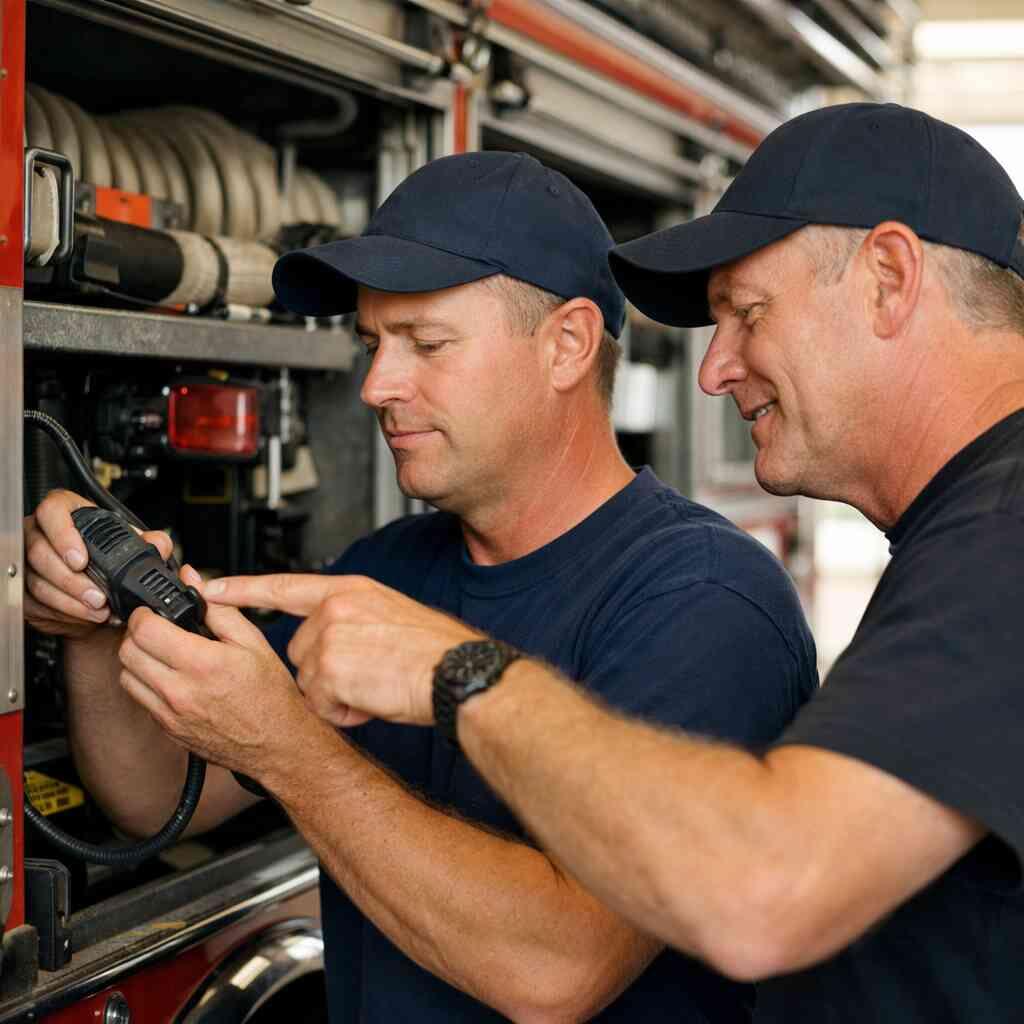
We hear this from crews who want emergency response readiness without adding more maintenance drama. One station supervisor described a vehicle that kept passing visual checks but failed only when vibration hit during staging. The issue turned out to be a connector that looked fine until movement exposed the wear. That kind of problem is why emergency service reliability depends on details. Here is the part most people miss: the cheapest failure is often the most expensive one.
Where rugged emergency gear matters most in station routines and vehicle staging
Station routines create the perfect test for rugged emergency gear. Equipment gets plugged in, moved, staged, washed down, and handled again. Repeat that enough times, and weak hardware reveals itself quickly. Fire station equipment durability is not just about surviving one hard use. It is about staying consistent through the entire shift cycle.
In DeLand, where public safety teams may juggle multiple calls and changing weather, vehicle staging can expose hidden weakness. Gear stored in tight compartments experiences vibration, pressure, and repeated contact. Fire engine equipment and vehicle staging put connector points under constant stress, especially when tools are swapped often. That is why high-usage emergency equipment needs more than basic protection. It needs durability that fits the way crews actually work.
How hose-down resistant equipment reduces interruptions without overpromising miracles
Hose-down resistant equipment helps reduce interruptions because cleanup should not create another repair task. That said, no product can eliminate every failure mode, and anyone promising that is overselling. What good equipment can do is lower the odds of moisture-related interruptions during routine cleaning and station maintenance. That matters when a vehicle needs to be ready after washdown, not later. It also matters when EMS operational continuity depends on simple, repeatable checks.
A few years ago, a small crew we spoke with had a frustrating pattern: everything worked until the post-shift rinse. Then one accessory would fail, reset, or need to dry out overnight. The issue was not dramatic. It was just persistent. Once they shifted to more durable EMS products designed for harsher handling, their interruptions became easier to predict and manage. That is the real value here: fewer surprises, not miracle claims.
What Fire Power Products actually changes in a busy DeLand EMS workflow
Fire Power Products does not change the laws of physics. What it changes is the reliability profile of the equipment you touch every day. In a busy DeLand EMS workflow, that kind of improvement matters because consistency is more valuable than complexity. You need dependable EMS hardware that keeps pace with real station behavior. You do not need another component that adds confusion.
Why dependable EMS hardware is often about consistency, not complexity
The best equipment often disappears into the background because it simply works. That is what crews want from mission-critical equipment uptime. They want connectors that seat the same way every time, accessories that fit predictably, and parts that do not create new training headaches. Consistency reduces wasted checks and supports responder workflow efficiency. It also helps teams spend less time troubleshooting and more time preparing.
Fire Power products are built around that practical idea. The goal is not flash. The goal is durable EMS products that fit into daily use without demanding special handling. On the projects we have seen this year, the biggest improvement comes when crews stop compensating for fragile parts. That frees up attention for patient care, inspection discipline, and safer staging.
How Fire Power IP68 female electrical connector pigtails fit high-use emergency equipment setups
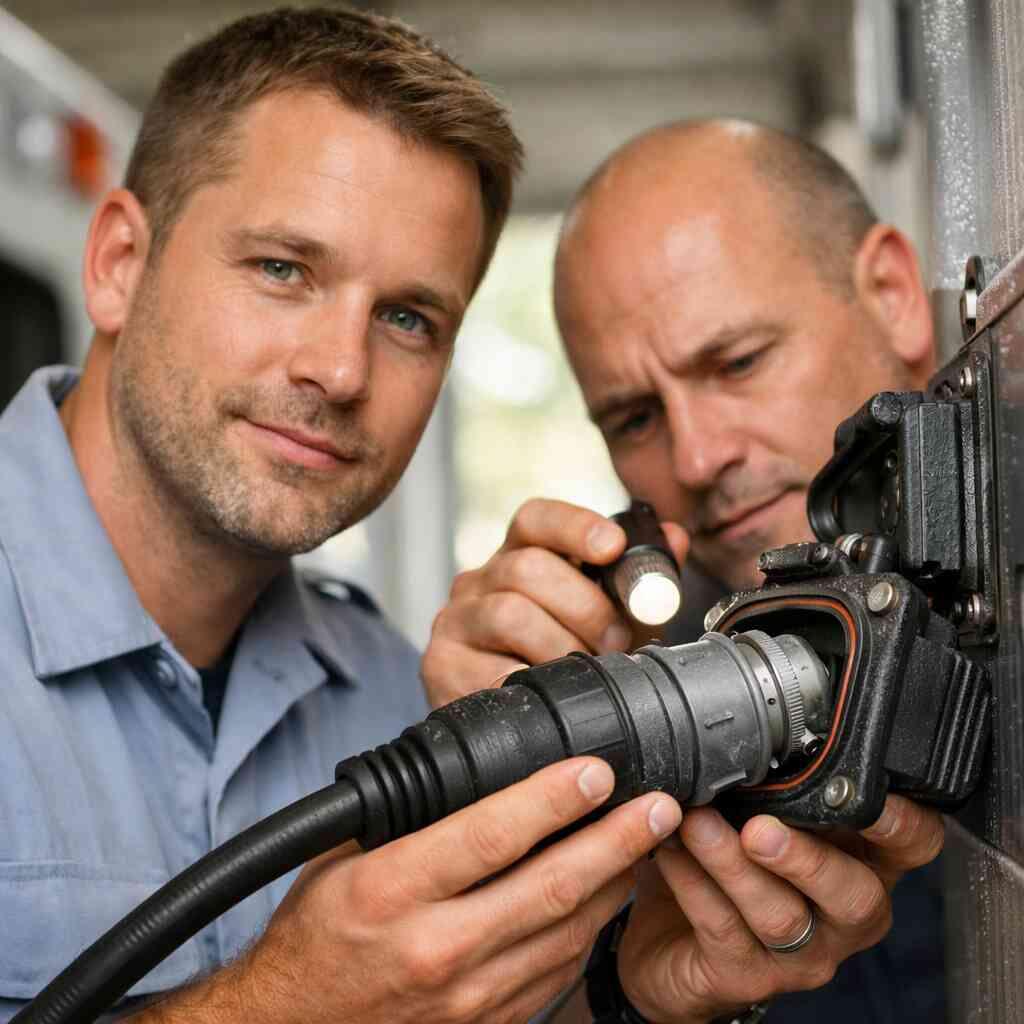
In the middle of a demanding workflow, connector choice matters more than many buyers expect. The IP68 female electrical connector pigtails for rugged EMS gear category is relevant because high-use equipment setups need dependable contact points. IP68 ratings are commonly associated with dust protection and water resistance, but you should always verify the exact product details before purchase. That caution is important. Specs matter, and assumptions cost time.
For DeLand Florida EMS support, this kind of hardware can help simplify replacement planning. It fits the broader idea of field-ready fire power products without forcing a complicated installation philosophy. If your team works with charging systems, lighting, or accessory harnesses, a connector designed for rugged handling can reduce unnecessary interruption. That does not mean zero maintenance. It means a better starting point for reliability.
Where male pigtails, extensions, and junction receptacles support responder workflow efficiency
Responder workflow efficiency often depends on how well components interact, not just how strong one part looks on paper. Male pigtail extensions and junction receptacles help organize power distribution and reduce awkward strain points. They can support cleaner routing in cramped compartments, especially where repeated motion causes wear. For teams trying to improve EMS equipment downtime, that matters a lot. Small layout decisions often decide whether a repair stays routine or becomes recurring.
If you want to see how these parts fit into a broader system, it helps to think in terms of support roles. The junction receptacles and accessories for dependable responder hardware category exists for that reason. It gives crews options for building a more organized and serviceable setup. Likewise, male pigtail extensions and junction receptacles support responder workflow efficiency when equipment needs to be accessible, protected, and easier to inspect. That is not glamorous. It is just smart operations.
The equipment decisions that separate mission critical uptime from repeat repairs
The difference between mission-critical uptime and repeat repairs often comes down to how you store, inspect, and replace equipment. Good parts help, but process matters just as much. If your storage habits create wear before the next call, even solid hardware will struggle. That is why first responder equipment maintenance must include the environment around the equipment. The part is only half the story.
When emergency vehicle equipment storage starts causing wear before the next call
Emergency vehicle equipment storage is one of the most overlooked sources of failure. A connector tucked too tightly can bend under pressure. A cable routed across a sharp edge can abrade slowly, then fail suddenly. A junction point stored where it rattles can loosen over time. These problems are boring until they become urgent. Then they are all anyone can think about.
In DeLand, heat and humidity can magnify that wear. Compartment materials expand, adhesives soften, and vibration does the rest. The mistake we see most often is treating storage like a passive issue. It is not passive. It is an active part of EMS station preparedness, and it deserves the same attention as the equipment itself.
Storage factorCommon riskBetter practiceTight compartment fitConnector strainLeave service slackLoose routingAbrasionUse protected pathsFrequent washdownsMoisture intrusionCheck seals and seatingHeavy vibrationContact looseningReinspect after use### How first responder equipment maintenance gets easier with durable EMS products
First responder equipment maintenance becomes easier when the parts are built for regular handling. Durable EMS products reduce the number of small surprises that eat up inspection time. That matters because maintenance teams do not have endless hours. They need straightforward checks, reliable replacement options, and hardware that stays predictable under load. Equipment lifecycle support starts with those simple realities.
If you are trying to cut repeat repairs, think about the whole maintenance loop. Can the part be inspected quickly? Can it be replaced without special workarounds? Does the design support harsh-environment equipment use without constant adjustment? Those are practical questions, not theoretical ones. They are also the kinds of questions that make DeLand fire equipment planning more disciplined and less reactive.
What DeLand fire equipment teams should check before choosing replacement parts or accessories
Before choosing replacement parts, DeLand fire equipment teams should verify a few basics. First, confirm fit and compatibility. Second, confirm the environmental rating you actually need. Third, check whether the part will be easy to service in the field. Those steps support compliant EMS equipment selection more than guesswork ever will. They also prevent expensive mismatches.
Use this short checklist before ordering:
- Confirm connector type and orientation.
- Verify moisture and dust protection claims.
- Check strain relief and routing clearance.
- Match the part to your storage space.
- Plan for rapid emergency replacement if failure happens again.
This is also where a little humility helps. You do not need to know everything about every connector. You do need a process that reduces risk and keeps your fleet usable.
Why American-made emergency equipment can matter when you need rapid equipment replacement
When downtime is hurting operations, replacement speed becomes part of the decision. American-made emergency equipment can matter because it may support clearer sourcing, simpler communication, and more predictable planning. That does not automatically make one product better than another. It does, however, make logistics easier in many cases. For emergency operations efficiency, that can be meaningful.
If you are evaluating durable fire power solutions for emergency response crews against a long maintenance backlog, focus on serviceability and continuity. Quick replacement matters most when the vehicle cannot wait. We have seen teams lose hours because a small part had to be sourced through a messy chain. That is exactly the kind of delay better planning can reduce.
What a smarter support plan for DeLand public safety looks like next
A smarter support plan starts with honest evaluation. You do not need perfect foresight. You need better filters. That means asking which parts support operational continuity, which specs you can verify, and which vendors can help you replace equipment quickly. For DeLand Florida EMS support, that process can protect both readiness and budget discipline.
How to evaluate compliant EMS equipment selection without guessing on specs or certifications
Compliant EMS equipment selection should never rely on vibes. It should rely on documented specifications, verified compatibility, and the right level of protection for the job. If a vendor cannot confirm a detail, pause and ask for it in writing. That approach protects your team from bad assumptions. It also keeps procurement discussions grounded in facts.
Use a simple decision framework:
- Define the use case.
- Verify every required spec.
- Confirm installation constraints.
- Check maintenance access.
- Plan replacement timing.
If you are short on time, start there. It is not fancy, but it works.
The practical role of field ready fire power products in station preparedness and operational continuity
Field-ready fire power products matter because station preparedness is built from hundreds of small decisions. A connector that supports consistent handling can reduce interruptions during staging. A better accessory layout can make inspections faster. A more resilient component can lower the odds of a last-minute scramble. That is the practical role of these parts in operational continuity.
If you are reviewing reducing EMS equipment downtime in DeLand as a goal, think in terms of daily friction. Where does the process stall? Where do crews pause and recheck? Where does wear keep appearing? Those answers usually point to the parts that deserve attention first. You do not need a complete overhaul to improve reliability. You need the right sequence of upgrades.
When to contact Duraline for Fire Power product guidance and replacement planning
If your team is sorting through replacement planning, it can help to speak with someone who understands the equipment category. That is especially true when you are balancing urgency, compatibility, and maintenance limits. The goal is not a sales pitch. The goal is a cleaner path forward. If you need help narrowing options, contact Duraline for rapid equipment replacement planning. That is often the fastest way to avoid another round of guesswork.
Here is the practical next step: pick one recurring downtime issue, document the exact connector or accessory involved, and compare it against your current storage and maintenance routine. Then call for guidance before the next shift cycle turns a small problem into a bigger one. You do not have to solve everything today, and you do not have to figure it out alone. Start with one phone call, and build from there.
Frequently Asked Questions
Question: How can Fire Power Products help reduce EMS equipment downtime in DeLand without overpromising results?
Answer: Fire Power Products supports EMS downtime reduction by focusing on durable EMS products that are designed for demanding, high-usage emergency equipment environments. The main value is not a guarantee of zero failures, but a better reliability profile for everyday station use, vehicle staging, and routine maintenance. In DeLand Florida EMS support, that can mean fewer interruptions caused by worn connectors, repeated handling, vibration, and moisture exposure. The right rugged emergency gear can help teams spend less time troubleshooting and more time staying ready for the next call.
Question: What makes the blog How Fire Power Products Cut EMS Downtime in DeLand 2026 relevant to station equipment resilience and emergency response readiness?
Answer: The blog is relevant because it explains how small failures in connectors, pigtails, and receptacles can create larger delays in emergency response readiness. That is exactly where station equipment resilience matters most. Fire Power Products focuses on dependable EMS hardware that fits real-world station routines, including frequent handling, washdowns, and vehicle staging. For teams looking to improve mission-critical equipment uptime, the key takeaway is that reliability often starts with the smallest parts, not the biggest systems.
Question: Are Fire Power Products suitable for hose-down resistant equipment needs and harsh-environment equipment in EMS stations?
Answer: Fire Power Products are built with harsh-environment equipment use in mind, including the kinds of cleanup and handling pressures that come with EMS station life. That said, it is always important to verify the exact product specifications and environmental ratings before purchase. We do not recommend assuming every part is suitable for every condition. What Fire Power products can offer is a practical option for crews seeking hose-down resistant equipment and first responder durability in a demanding setting, while still following compliant EMS equipment selection practices.
Question: How do Fire Power IP68 female electrical connector pigtails and related accessories support responder workflow efficiency?
Answer: In a busy EMS or fire service setting, responder workflow efficiency depends on parts that fit properly, route cleanly, and stay serviceable over time. Fire Power IP68 female electrical connector pigtails and compatible accessories can support that goal by helping reduce strain points, simplify replacement planning, and improve how equipment is organized in tight compartments. The exact suitability depends on the application, so checking fit, orientation, and protection claims is essential. When selected correctly, these components can help improve emergency operations efficiency and reduce unnecessary maintenance interruptions.
Question: What should DeLand fire equipment teams look for when choosing durable fire power solutions for rapid equipment replacement?
Answer: DeLand fire equipment teams should start with compatibility, serviceability, and verified environmental needs. For rapid equipment replacement, the best choice is a part that can be inspected quickly, installed without workarounds, and supported by clear product information. Fire Power Products can be a good fit for teams prioritizing American-made emergency equipment and durable fire power solutions, but every replacement decision should be based on verified specs rather than assumptions. This approach helps support EMS operational continuity, first responder equipment maintenance, and long-term equipment lifecycle support.
Question: How can Fire Power Products help with emergency vehicle equipment storage and first responder equipment maintenance in DeLand public safety solutions?
Answer: A large part of first responder equipment maintenance is making sure storage does not create new wear. Fire Power Products can help by offering ruggedized fire safety equipment components that are designed to fit into demanding work environments where vibration, tight compartments, and frequent use can cause problems. For DeLand public safety solutions, that means paying attention to routing, slack, sealing, and inspection access. When equipment is stored properly and replacement parts are chosen carefully, teams can reduce wear, improve mission-critical equipment uptime, and support a more reliable maintenance routine.