Guide to Fire Power Products Lead Times for DeLand 2026
July 7, 2026
Why lead times become the hidden failure point in fire equipment planning
The hardest delay is the one nobody budgets for. If you are reading this because an order is drifting, you already know the feeling. It is not panic yet. It is that uneasy pause when a truck build, station upgrade, or replacement plan depends on parts that have not arrived. For DeLand Florida fire safety equipment, that pause can ripple quickly through inspections, staffing, and readiness.
Here is the part most teams miss. Lead time is not just shipping. It includes stock status, packaging, verification, and the internal handoffs that happen before a box leaves the dock. A product can look available on paper and still miss your window. That is why fire equipment lead times deserve the same attention as the equipment itself. If you need a Guide to Fire Power Products lead times in DeLand, start by treating timing as a specification.
What procurement teams in DeLand should check before assuming stock is ready
Most procurement trouble starts with a simple assumption. Someone sees a catalog listing and expects immediate fulfillment. That is rarely enough. You need to confirm current availability, required quantities, packaging needs, and whether related parts are in stock together. A fire products order process works best when those details are confirmed before the purchase order goes out.
The question we hear most often is not about the product itself. It is about whether the timeline is real. That matters even more for emergency response equipment sourcing, where one missing connector can hold up a whole assembly. If you are comparing options, ask for a written order fulfillment timeline and verify it against your build schedule. That single step can prevent a week of scrambling later.
One small department in Volusia County learned this the hard way. They had the mounting hardware ready, the vehicle slot reserved, and the installation crew lined up. Then a small accessory delay pushed the whole job back. Nobody was careless. They simply trusted stock status without asking enough follow-up questions.
How fire equipment lead times shift when demand spikes or inventory tightens
Lead times move. They do not stay still. Seasonal weather, regional buying patterns, and fleet replacement cycles all affect availability. In a busy stretch, even dependable assumptions about the fire safety procurement guide can become outdated in a matter of days. That is why supply lead time considerations should be part of every order review.
Demand spikes tend to expose the weak points first. Common items disappear faster than expected. Assemblies that depend on matching components become harder to source. If you are managing fire hose equipment lead time concerns, you already know that one missing component can slow a larger readiness plan. The inventory picture can change faster than a spreadsheet updates.
We have seen this pattern repeatedly with fire station supply planning. Teams plan around the obvious items, then discover the support pieces are the true bottleneck. That is especially frustrating when the overall project seems simple on paper. The fix is not panic buying. The fix is earlier checking, clearer quantities, and a realistic buffer in the schedule.
Why durable fire safety products still need a realistic order fulfillment timeline
Durability does not erase logistics. A rugged part can still be backordered. A well-built component can still wait on a shipment container, warehouse transfer, or final confirmation. That is why durable fire safety products should be paired with honest timing expectations. Strong materials help in service. They do not shorten the supply chain.
This is especially important for reliable fire protection products used in demanding environments. DeLand’s heat, humidity, and storm season create real pressure on equipment planning, but the procurement timeline still follows practical steps. If you need USA engineered fire equipment, start with the assumption that quality and speed are separate questions. Good gear should be built to last. It still needs room in the calendar.
A contractor we worked with on a small apparatus project learned that lesson quickly. The build depended on matching accessories, and the team expected a quick turn. The parts were sound. The issue was timing, not quality. Once they mapped the real fulfillment window, they saved themselves from a costly reschedule.
The moving parts behind Fire Power Products availability in DeLand Florida
Fire Power Products availability in DeLand depends on more than a single inventory number. It depends on which category you need, how many related parts are involved, and whether the order is a standalone replacement or part of a larger build. That is why fire power products availability should always be reviewed by category, not by guesswork. A simple replacement and a station-wide upgrade do not behave the same way.
If you are sourcing through Fire Power Products in DeLand, the safest path is to confirm the exact item family first. Then ask how that item interacts with the rest of the order. The company’s focus on rugged fire equipment for first responders and durable fire safety products with long service life makes it a strong fit for demanding use, but availability still deserves a real conversation. For a direct look at Fire Power Products availability for Florida fleet garages, review the product family before you commit to the build.
Which Fire Power Products categories typically require the most planning
Not every product moves through procurement at the same pace. The most planning usually goes into items that must match existing electrical paths, mounting points, or accessory sets. That includes pigtails, connectors, extensions, and related hardware. In a fire service supply chain, those items often shape the schedule more than the larger equipment around them.
For industrial fire safety supplies, the main risk is incompatibility across a mixed order. If one piece needs a specific mate or interface, the whole package can wait. The same applies to fire apparatus accessory timing, where a small mismatch can hold installation. Planning early helps you avoid the awkward moment when every other component is ready except the one that matters.
The most efficient teams sort orders into three groups:
- Core replacements that must arrive first
- Matching accessories that must arrive with the core item
- Backup items that can arrive later without stopping the build
That simple split keeps inventory planning for fire products practical. It also reduces surprises when the purchase order reaches fulfillment.
How pigtails connectors extensions and accessory orders can affect shipping timelines
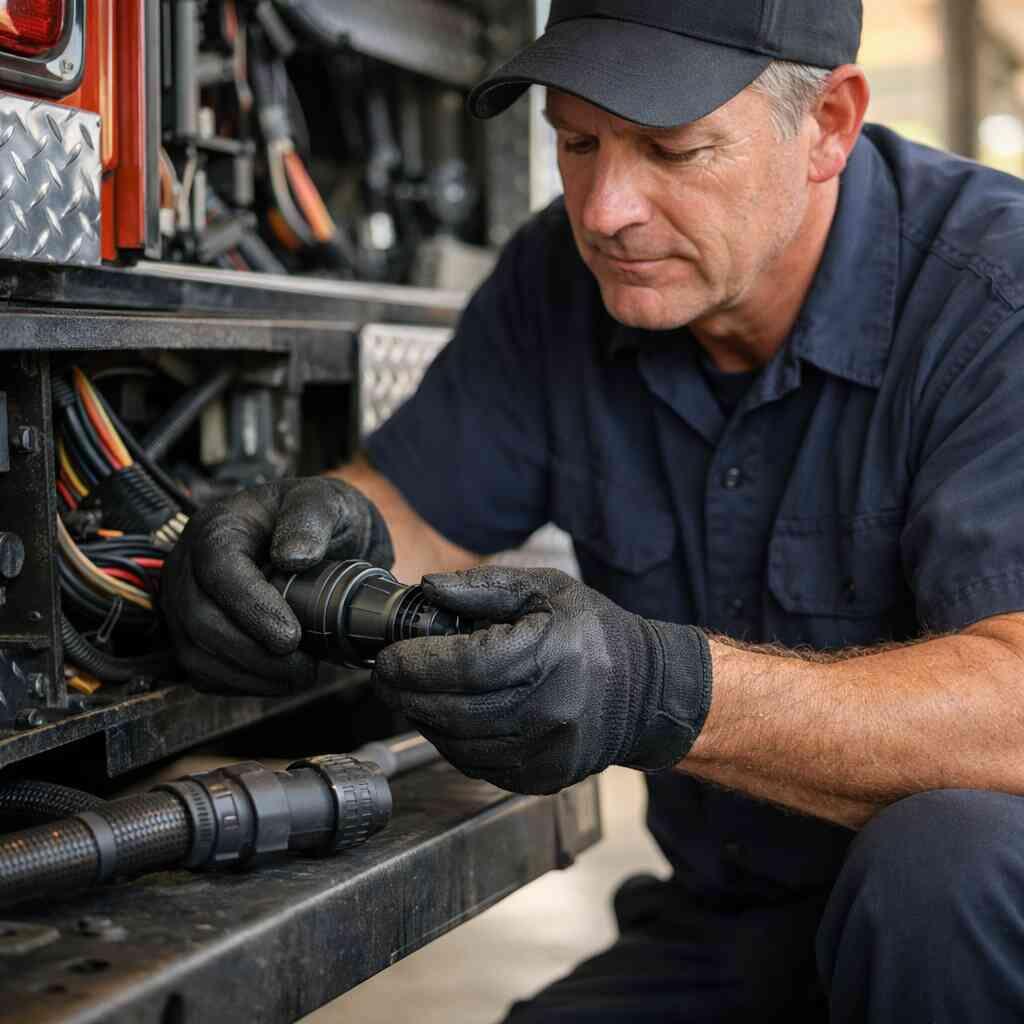
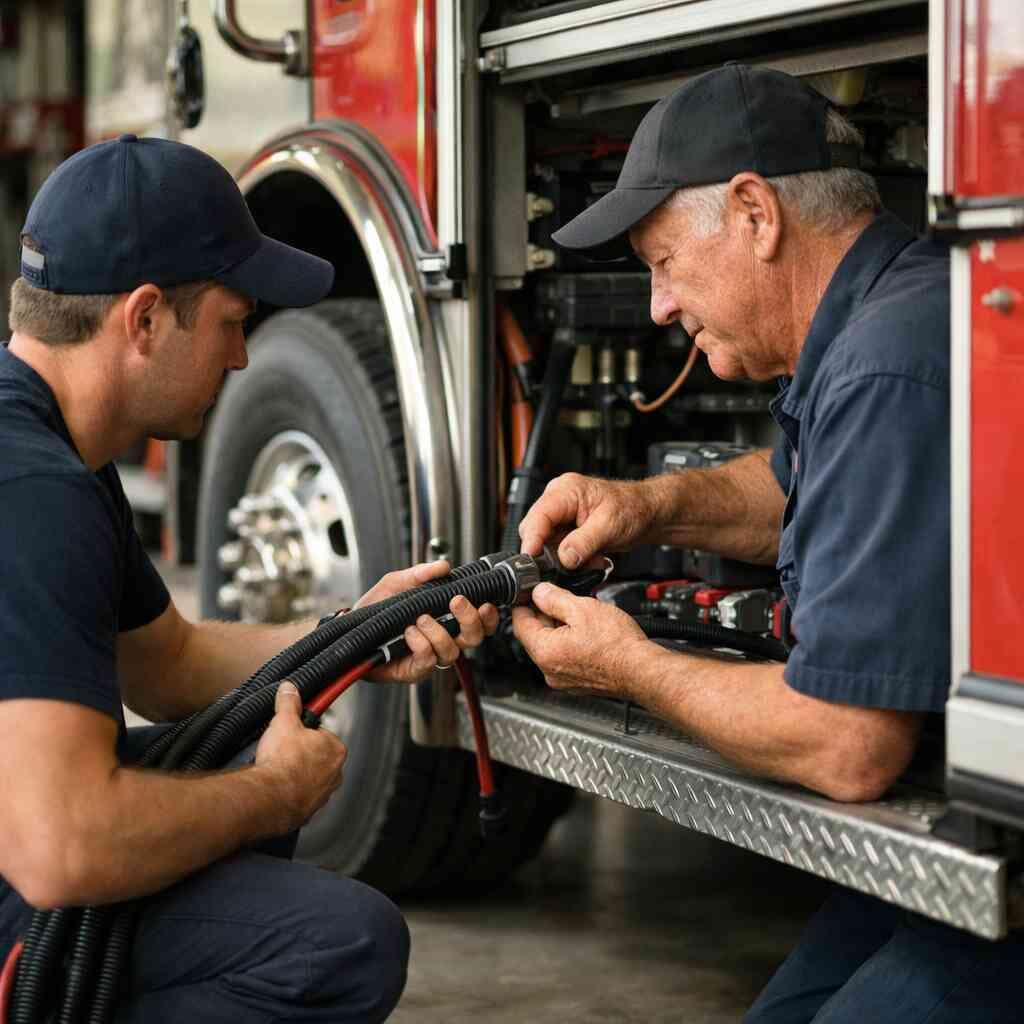
Small parts are rarely small in their impact. A pigtail or extension may look minor, but it can determine whether the whole assembly is usable. That is why Fire Power IP68 female pigtails for fire fighting equipment and matching connectors deserve the same attention as larger components. If one item is in stock and the companion piece is not, your timeline shifts immediately.
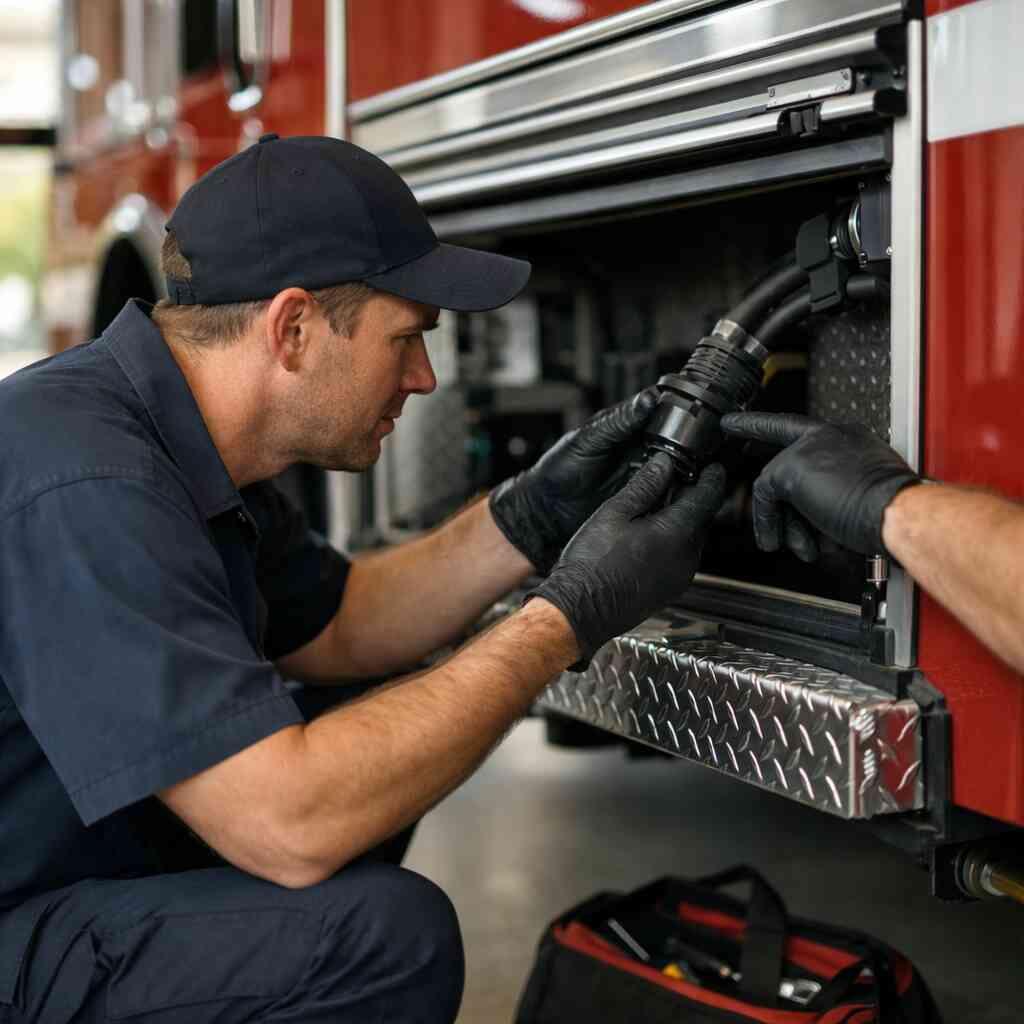
Accessory orders also create hidden sequencing problems. For example, a Fire Power IP68 male pigtails connectors for emergency equipment order might be ready, while the Fire Power IP68 male female electrical extensions for fire fighting equipment piece is still in motion. Then the shipment waits. That is not a product flaw. It is a coordination issue. You can reduce the risk by confirming whether all matching parts ship together or separately.
Here is a practical comparison to keep in mind:
Order type | Typical planning need | Common timing risk Single replacement part | Low to moderate | Unexpected stock gap Matched connector set | Moderate | One piece delays the pair Multi-item accessory bundle | High | Sequencing and packaging delays
If you want a broader reference point, the Duraline Fire Power Products category for safety products can help you confirm how categories are organized before you order. That step alone often saves time.
What to ask about product availability before committing to a station or apparatus build
Before you lock in a build, ask direct questions. Do not assume the answer is yes because the part exists online. Ask what is actually in stock, what is made to order, and what can ship together. Ask whether accessories are included or separate. Ask if there is any known equipment backorder status that could affect your installation date.
These questions matter even more for fire power products availability in DeLand, where weather-driven demand and project timing can overlap. You want the answer to be boring. Boring means predictable. Predictable means your crew can keep moving. If you need a quick route to verification, the Fire Power Products home page for product availability is the right first stop.
One facility manager told us something memorable after a stalled build. “We did not lose time on the big item,” he said. “We lost it on the accessory nobody thought to mention.” That is the mistake we see most often. Good procurement is not just about the headline product. It is about the quiet parts that make the headline product usable.
The paper trail that keeps emergency response equipment sourcing from stalling
Strong procurement starts with paperwork that matches reality. If the spec sheet says one thing and the order says another, the delay begins right there. That is why fire suppression equipment procurement needs clean documentation from the start. Clarity protects the schedule. It also protects your budget from preventable rework.
This is especially true for emergency preparedness equipment and replacement cycles. If you are ordering for a department, station, or contractor build, align the request before anyone approves payment. The best procurement teams do not chase problems later. They prevent them earlier with clean specs, clear quantities, and exact delivery expectations. For a practical reference point, Fire suppression equipment procurement for DeLand EMS projects can help frame the process.
How to align specs quantities and delivery expectations before placing an order
Start with the item description. Then confirm the quantity. Then confirm the needed delivery sequence. That sounds simple, but many delays come from skipping one of those steps. A fire products order process works best when everyone uses the same language.
If you manage procurement planning for fire departments, make sure the vendor sees the same part numbers your crew is using. Confirm whether replacements must match existing equipment exactly. Also verify whether the expected shipment supports your installation window. That removes a lot of guesswork and cuts down on back-and-forth.
A good checklist looks like this:
- Confirm exact product name and variant
- Confirm total quantity needed
- Confirm whether matching accessories are included
- Confirm delivery expectation in writing
- Confirm who receives the shipment and where
That level of detail is not overkill. It is standard discipline for lead time expectations for safety gear.
When equipment backorder status changes the procurement conversation
Backorder status is not just a note. It changes the whole strategy. Once an item is backordered, the discussion shifts from “How fast can we buy it?” to “How do we protect readiness while we wait?” That is a different conversation entirely. It requires honest triage.
If a backorder touches a critical path item, you may need to split the order. You may need a substitute. Or you may need to move the project sequence. That is why equipment backorder status should trigger a second review, not a shrug. In first responder gear availability, the timing question can be as important as the part number.
We had a client postpone a small apparatus integration because one accessory moved into backorder. That sounds frustrating. It was. But the alternative was a partial install that would have cost more to revisit later. The pause was uncomfortable. It was also the right call.
Why fire station supply planning works better when replacement cycles are mapped early
Replacement cycles create calm. When you know what wears out, what fails first, and what must stay ready, you buy with intent. That is why fire station supply planning should be calendar-driven, not emergency-driven. Waiting until something is failing often means paying for urgency with time.
In practice, the best teams map parts before they become urgent. That helps with fire gear restocking, which is always easier when you are not staring at an empty shelf. It also supports commercial fire safety solutions by keeping compatible items in motion. Replacement cycles are not glamorous. They are efficient. And efficiency matters when response readiness is on the line.
A station captain once described the difference plainly. “Early planning felt slow,” he said. “Then we realized it was saving us from the slowest kind of day.” That is the truth most teams discover eventually. Planning early is not extra work. It is the work that keeps everything else from stalling.
What to do when the clock is the real problem and not the catalog
Sometimes the catalog is fine. The product exists. The specs fit. The real issue is time. That is the moment to shift from searching to prioritizing. If your timeline is tight, focus first on the items that restore readiness fastest. A local fire safety supplier should help you separate critical needs from nice-to-have items without wasting time.
DeLand projects often move under real-world pressure. Storm prep, station maintenance, contractor schedules, and operational demand all collide. That is why DeLand fire equipment vendor conversations should be direct and practical. You are not just buying parts. You are protecting response capability. If you need a broader sourcing baseline, Contact Duraline is a straightforward next step.
How DeLand fire departments and contractors can prioritize response-ready equipment
Start with the equipment that restores function first. That means the parts tied directly to active response, not the cosmetic or secondary items. For response-ready equipment, ask which components are required before the vehicle, station, or system can return to service. Then build the order around that answer.
This approach works especially well for emergency response equipment sourcing. It reduces noise. It also keeps the schedule honest. In a busy station, every hour matters. In a contractor build, every missing component costs labor. Prioritization gives you a cleaner path forward.
A useful rule:
- Restore operational readiness first.
- Complete matching components second.
- Add noncritical items only after the timeline is stable.
That order helps you focus on what actually matters.
When to compare local fire safety supplier options against broader shipping constraints
You should compare options any time the timeline feels fragile. A nearby vendor may shorten communication time, but broader shipping networks may offer better availability. The right choice depends on which constraint is tighter. That is the real procurement question. It is not just proximity.
If you are weighing fire safety electrical equipment near me in Florida against a longer shipment with better stock, compare three things: confirmed availability, delivery method, and compatibility. Do not compare only price or distance. That is how projects drift. The goal is not the easiest quote. The goal is the most dependable path to service.
For some teams, that means choosing a local route. For others, it means accepting a longer lead time to secure the correct part. There is no prize for forcing the wrong option. There is only the cost of fixing it later.
The next move for fire suppression equipment procurement when lead time risk is already on the table
If the clock is already tight, act in layers. First, confirm exact availability. Second, identify the true critical path items. Third, lock the delivery sequence in writing. That is the most reliable way to protect the schedule. It also keeps the procurement conversation grounded in facts.
If your team is working with lead time expectations for safety gear, do not let uncertainty sit untouched. Make one call. Confirm one part. Then decide the next move. That rhythm keeps stress from taking over the process. It also gives you room to adjust without losing the whole project.
You do not have to solve every detail today. Start with one accurate inventory check and one written delivery expectation. If you are managing a build, a station upgrade, or a replacement order, that first call can save days of correction later. And if you want help sorting through Fire Power Products lead times with a practical eye, reach out and ask the direct question first.
Frequently Asked Questions
Question: What should we confirm first when planning Fire Power Products lead times for DeLand 2026?
Answer: Start by confirming exact item availability, required quantity, and whether any matching accessories must ship with the core part. For Fire Power Products lead times, the biggest risk is not just the item itself, but the full order fulfillment timeline around it. That means checking stock status, packaging, and any companion parts before you place the order. For DeLand Florida fire safety equipment, this is especially important when the project depends on a tight installation window or response-ready equipment. If you are managing fire suppression equipment procurement, asking for a written timeline up front helps reduce surprises and supports better inventory planning for fire products.
Question: How does Fire Power Products availability affect emergency response equipment sourcing in DeLand?
Answer: Fire Power Products availability can affect the whole procurement path because one missing connector, pigtail, or extension may hold up the full build. In emergency response equipment sourcing, the safest approach is to verify availability by product family, not by assuming every related piece is ready at the same time. That matters for first responder gear availability, fire hose equipment lead time concerns, and fire apparatus accessory timing. For teams in DeLand, this kind of check helps keep fire equipment lead times predictable and supports a more reliable fire products order process. It also gives local fire safety supplier conversations a clear starting point: what is in stock, what is backordered, and what can ship together.
Question: What makes durable fire safety products worth ordering even when lead time expectations for safety gear are tight?
Answer: Durable fire safety products are valuable because they are built for demanding use, but durability does not eliminate shipping or fulfillment timing. Even rugged fire equipment and reliable fire protection products still need to move through the supply chain, and that is why lead time expectations for safety gear should always be part of the decision. Fire Power Products is positioned around USA engineered fire equipment designed for tough conditions, but customers should still confirm the order fulfillment timeline before committing to a station upgrade or apparatus build. That is the practical balance: choose dependable safety equipment, then plan around supply lead time considerations so the project stays on schedule.
Question: In the Guide to Fire Power Products Lead Times for DeLand 2026, what should departments know about backorders and fire station supply planning?
Answer: The main lesson is that equipment backorder status should change the plan immediately, not later. For fire station supply planning, a backorder means the team should review whether the order needs to be split, whether a substitute is acceptable, or whether the installation sequence should be adjusted. That is especially important in procurement planning for fire departments, where one delayed item can affect several other tasks. Fire Power Products customers in DeLand should treat backorder updates as part of the normal fire service supply chain review. This keeps emergency preparedness equipment and commercial fire safety solutions aligned with the real timeline instead of an assumed one.
Question: How can a DeLand fire equipment vendor help with product availability in DeLand when time is the biggest issue?
Answer: A DeLand fire equipment vendor can help most by giving clear, direct answers about stock, shipping, and compatibility. When time is the biggest issue, the priority should be response-ready equipment first, then matching accessories, then noncritical additions. That approach supports fire gear restocking and keeps procurement planning for fire departments focused on what restores readiness fastest. Fire Power Products can be especially useful here because the conversation is not just about buying parts, but about protecting the project schedule. If you are comparing a local fire safety supplier option with broader shipping constraints, confirm actual availability, delivery method, and compatibility before making the final decision. That is the best way to reduce fire equipment shipping timeline risk.
Question: How does Fire Power Products support high-use fire gear and industrial fire safety supplies without overpromising on timing?
Answer: The best support comes from being clear about what the products are meant to do and what still needs to be verified before ordering. Fire Power Products focuses on rugged fire equipment and durable fire safety products, but the brand should never be treated as a shortcut around normal procurement checks. For high-use fire gear and industrial fire safety supplies, customers still need to confirm product family, accessory matches, and the full fire products order process. That is why strong inventory planning for fire products matters so much. It allows departments and contractors to choose dependable safety equipment while staying realistic about fire power products availability and the actual order fulfillment timeline.