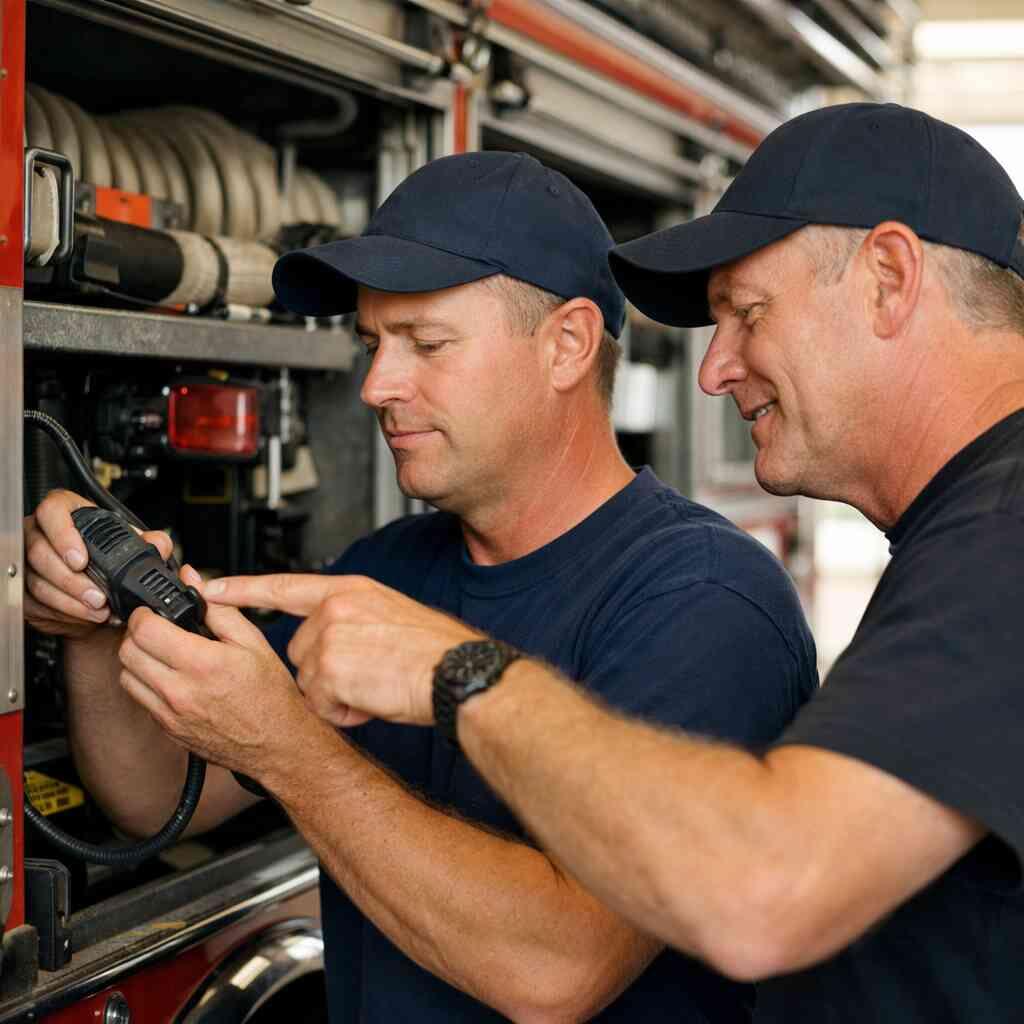
How to Plan Fire Power Products Procurement Before July 4 2026
July 1, 2026
Why the last-minute July 4 rush breaks fire power procurement plans
The panic usually starts with one missing item, then another. Suddenly, a routine order becomes a scramble, and everyone is asking why the shelf looks empty when the calls are already coming in. If you are feeling that pressure now, you are not behind because you failed. You are behind because summer creates its own procurement weather. That is exactly why fire safety procurement planning before July 4 needs structure, not guesswork. One delayed purchase can ripple through frontline readiness faster than most buyers expect.
The hidden bottlenecks that appear when departments wait too long to reorder critical gear
The hardest part is rarely the order form. It is the invisible chain behind it. A connector may be available, but the matching accessory may not be. A replacement may look simple, yet the right configuration still needs verification. That is where procurement risk reduction begins, because assumptions create delays. In our experience, the biggest mistake is treating durable fire equipment selection like a quick restock instead of a controlled process. On one recent station audit, a buyer discovered three related parts had different lead times, and the entire package stalled because nobody checked them together.
You see this most during seasonal demand management. Summer compresses everyone’s timeline. Municipal fire equipment sourcing gets crowded by fleet maintenance, training cycles, and holiday preparation all at once. The result is predictable: emergency response readiness depends on equipment that should have been reordered weeks earlier. If you are managing frontline readiness procurement, the safest move is to identify critical gear before the shelf goes bare. That gives you room to compare options without sacrificing duty-ready supply chain control.
How summer demand changes lead times for emergency response readiness and replacement equipment planning
Lead times do not move in a straight line. They stretch when everyone else is ordering too. That is why emergency services purchasing strategy needs a summer procurement timeline, not an improvised response. What we’ve seen in 2026 specifically is that buyers who wait for one consolidated order often lose flexibility. When one item slows down, the whole package slows down with it. If you are planning replacement equipment, start earlier than feels necessary, because earlier is usually just enough.
Here is the part most buyers miss. Seasonal demand does not only affect supply. It also affects decision speed. Supervisors are busier. Budget approvers are harder to pin down. The result is a mismatch between urgent need and slow paperwork. A smart public safety supply planning process builds in time for review, confirmation, and rechecking specifications. That is especially true for fire engine equipment planning, where the wrong accessory can create more downtime than the missing one.
Which items in a station inventory audit tend to disappear fastest when operations get busy
The fastest-moving items are usually not the most expensive. They are the most frequently handled. Think connectors, pigtails, receptacles, and the small accessories that keep apparatus systems functional. These pieces often disappear first because they are borrowed, moved, or set aside during maintenance. When the station gets busy, no one remembers where the spare went. That is why a station inventory audit should track both quantity and location.
A simple high-demand inventory planning list helps a lot here:
- Frequently used connectors and pigtails
- Receptacles and related accessories
- Electrical extension components
- Backup pieces assigned to apparatus bays
- Items pulled for inspection or cleaning
One client in a busy Florida station had two identical kits marked “ready,” but only one was complete. The missing part had been moved during a summer wash-down and never returned. That tiny gap stalled a repair. It also delayed a scheduled response unit. Small inventory mistakes create big operational problems, especially when everyone assumes the spare is still there.
What every public safety buyer should verify before placing a Fire Power Products order
The smartest orders begin with verification, not optimism. You want reliable fire safety gear, but reliability starts with fit, function, and documentation. That is why compliance-focused purchasing should be deliberate from the first click. Fire Power Products procurement works best when you match the application to the exact component family. If you rush that step, you risk ordering parts that look similar but do not behave the same under operational use. You can avoid that problem by treating every order as a technical decision first.
How to match mission-critical gear planning with the right connectors pigtails receptacles and accessories
Mission-critical gear planning works when every component has a defined role. A connector is not just a connector. A pigtail is not just a cable. The fit depends on the apparatus, the layout, and the accessory stack already in place. That is why you should confirm how the parts interact before you place the order. If you need a starting point, review the product family carefully and compare it against your current inventory. A practical fire power products procurement for emergency readiness review can help you narrow the field without overbuying.
On a recent procurement review, a department thought it needed three separate parts. After checking the apparatus setup, it only needed two, plus a different receptacle configuration. That saved time and reduced return risk. More importantly, it kept the truck out of service for less time than expected. That is the value of coordinated apparatus accessory planning. You are not chasing parts. You are matching a known operational need to the right component set.
Why compliance-focused purchasing starts with confirming specifications instead of assuming compatibility
Compatibility sounds simple until it is not. Electrical connector compatibility depends on more than appearance. It depends on size, connection style, environmental expectations, and how the system is actually deployed. Buyers sometimes assume a part will fit because it resembles the old one. That assumption can lead to a costly mismatch. Always verify specifications before you buy. If you need a broader technical reference, electrical connector compatibility is a useful concept to keep in mind, but your final confirmation should always come from the product details you are reviewing.
This is especially important for compliance-focused purchasing. You need a paper trail that shows you checked before you ordered. You need notes that explain why a specific part was selected. And you need enough detail to support replacement equipment planning later. Here is the practical rule: if a spec matters in the field, it matters in procurement. That is how you protect emergency response readiness without turning the order process into a guessing game.
The paper trail that reduces procurement risk when you are sourcing durable fire equipment for frontline readiness
The paper trail is not busywork. It is protection. It tells the next person why the order was placed, what was confirmed, and which parts were matched to which apparatus. For departments handling public safety supply planning, that documentation reduces confusion when budgets change or staff rotate. It also helps when you need to reorder the same item later. A clean record supports procurement lead time management because you do not have to re-verify every detail from scratch.
If your process feels messy, start simple. Record the current part number, the intended use, the associated vehicle or station, and the reason for replacement. Add photos when possible. Save quotes and approval notes in one place. That kind of discipline turns frontline readiness procurement into a repeatable system instead of a seasonal panic. If you need a direct conversation about fire safety procurement planning before July 4, that is often the fastest way to eliminate uncertainty before it becomes a delay.
The procurement sequence that keeps apparatus accessory planning from turning into a scramble
Procurement goes smoother when you follow the right sequence. First, audit. Then verify. Then split the order by urgency. That order matters because not every item carries the same operational risk. Some parts are immediate replacements. Others are useful upgrades. A few are nice to have, but not mission-critical. If you mix them all together, the urgent items get trapped behind the optional ones. That is how an organized department ends up in a scramble.
How to build a station inventory audit around essential gear replenishment and lifecycle timing
A strong station inventory audit does three things at once. It shows what you have. It shows what is wearing out. And it shows what will fail next if you do nothing. That is the heart of fire equipment lifecycle planning. You are not only counting parts. You are forecasting replacement timing. For summer procurement planning, that perspective matters because heat, usage, and maintenance cycles all compress the timeline.
Start by grouping items into three buckets:
- Immediate replacement needs
- Near-term lifecycle replacements
- Planned upgrades tied to budget cycles
This approach keeps essential gear replenishment focused. It also helps you avoid buying duplicate items that do not solve the real problem. Here is what almost no online guide mentions: the cleanest inventory audits are usually the ones that begin with the most boring item. The small component tells the truth faster than the big one.
When to split orders between replacements, upgrades, and emergency services purchasing strategy priorities
Not every item should ride in the same purchase order. That is where emergency services purchasing strategy gets smarter. If a replacement is holding up readiness, it should move first. If an upgrade improves future efficiency but is not urgent, it can wait. And if an item is only needed for a broader modernization plan, it should be separated so it does not slow the critical order. That is how you protect operational readiness checklist goals while still respecting budget reality.
This also helps with internal approvals. Budget owners can approve a smaller, more urgent order more quickly. Then, when the operational pressure eases, you can return to the upgrade list. One station supervisor told us they had been waiting to bundle everything for convenience. The bundle looked tidy on paper, but it kept one needed part from arriving on time. Once they split the order, the urgent replacement moved faster and the optional work stayed on schedule.
How to coordinate procurement lead time management with budget constraints without weakening readiness
Budget constraints are real. So is the cost of downtime. The trick is to balance both without creating false savings. Procurement lead time management gives you that balance. If an item has a long lead time, it belongs higher on your priority list, even if it is not the most expensive. If an item is common and quick to source, you may be able to wait. That is where department supply forecasting becomes valuable, because it helps you spend where delays would hurt most.
A practical way to do this is to compare urgency against replacement complexity. Keep the table simple:
PriorityOrder TypeWhy It MattersHighImmediate replacementProtects readiness nowMediumPlanned lifecycle replacementPrevents later failureLowUpgrade or expansionUseful, but not urgentThis method keeps the order honest. It also helps you make the case for critical equipment budget planning without overselling the need. You are not asking for more. You are asking for the right things in the right order. That distinction matters when the clock is tight and the station still has work to do.
The next move that turns summer procurement pressure into duty-ready supply chain control
Once the audit is done and the order is split, the final step is coordination. That is where duty-ready supply chain control takes shape. The goal is not merely to buy parts. The goal is to make sure the right parts arrive with enough time to test, install, and verify them before the busiest stretch of summer pressure. That is why the final phase should feel methodical, not rushed. You are creating margin, and margin is what protects readiness.
How to finalize a municipal fire equipment sourcing plan that supports operational readiness checklist goals
A municipal fire equipment sourcing plan works best when it ties every order to a readiness goal. If the part does not support field performance, maintenance continuity, or response capability, it probably does not belong on the urgent list. That sounds strict, but it keeps the process focused. It also makes it easier to communicate with leadership. The plan becomes a readiness document, not just a purchasing list. For departments evaluating municipal fire equipment sourcing, that framing can make approvals faster and clearer.
You can strengthen the plan by attaching a short note to each line item. Explain what the component supports, what happens if it fails, and whether the current stock is enough for the next operational cycle. Those notes are small, but they build trust. They also make future replacement equipment planning much easier. A good plan feels calm because it is specific. That calm is what you want when the summer pace gets loud.
What a smart Florida fire equipment sourcing timeline looks like for DeLand fire safety supplier coordination
Florida adds its own pressure. Heat, storm season, and holiday traffic all push schedules around. In DeLand, coordination matters even more because local procurement teams may be balancing station needs with broader regional demands. A smart Florida fire equipment sourcing timeline gives you room for review and correction before the rush hits full force. If you are working with a DeLand fire safety supplier, make the conversation specific. Confirm what is needed, what is available, and what still requires matching.
The best timelines are simple. They start with the audit, move to the order, and leave space for receipt and inspection. They also account for weather-related interruptions, which are never theoretical in Florida. What we’ve seen in 2026 specifically is that buyers who build in extra coordination time avoid the last-minute calls that create avoidable stress. You do not need a perfect plan. You need a plan that survives summer realities.
How to lock in the final allocation strategy so July holiday demand does not disrupt mission-critical gear planning
The final allocation strategy is where discipline pays off. Decide which items are reserved for immediate deployment, which are kept as backup, and which are assigned to future replacement cycles. That simple structure prevents confusion when demand spikes. It also helps during seasonal demand management, because everyone knows what can be used, what can be moved, and what must stay untouched. A clear allocation strategy protects the station from its own good intentions.
Here is the move to make today:
- Review the station inventory audit
- Separate urgent replacements from upgrades
- Confirm specifications before approving any order
- Set one contact for procurement follow-up
- Document every selection in one place
If the process still feels complicated, that is normal. You do not have to figure it out alone, and you do not have to figure it all out today. Start with one phone call, one audit, and one confirmed part match. Then move the rest forward with confidence.
Frequently Asked Questions
Question: How can Fire Power Products help with fire safety procurement planning before July 4 2026?
Answer: Fire Power Products can help buyers approach fire safety procurement planning with a more organized, verification-first process. The goal is to reduce last-minute pressure by confirming the right components early, reviewing compatibility carefully, and building time into the summer procurement timeline for approval, receipt, and inspection. For departments managing emergency response readiness, that means fewer surprises and better control over frontline readiness procurement. If you are working through pre-holiday equipment ordering, it is smart to identify what must be replaced now, what can wait, and what needs spec confirmation before any order is placed. That is the kind of disciplined approach that supports reliable fire safety gear decisions without rushing into a mismatch.
Question: What should departments verify before placing a fire power products procurement order for connectors, pigtails, receptacles, and accessories?
Answer: The most important step is confirming specifications before assuming compatibility. In compliance-focused purchasing, even items that look similar can differ in size, configuration, or application. Departments should verify the current part number, intended use, associated apparatus, and any accessory relationships before approving the order. This supports durable fire equipment selection and lowers procurement risk reduction concerns. A station inventory audit also helps reveal whether the issue is a true replacement need or simply a missing component that was moved, borrowed, or misplaced during maintenance. Fire Power Products is a practical fit for this process because the brand is positioned around durable, U.S.-engineered fire equipment designed for demanding fire service environments, but final fit and specification confirmation should always be checked against the actual product details.
Question: What does a strong station inventory audit look like for high-demand inventory planning and essential gear replenishment?
Answer: A strong station inventory audit starts by separating items into immediate replacements, near-term lifecycle replacements, and planned upgrades. That structure supports department supply forecasting and makes essential gear replenishment much easier to manage. The most frequently missed items are often connectors, pigtails, receptacles, and related accessories because they move around during inspections, repairs, and daily operations. Tracking both quantity and location is a practical part of operational readiness checklist planning. When departments use this approach, they can identify which items are tied to active apparatus, which are backup stock, and which should be reordered before seasonal demand management creates delays. Fire Power Products can support this kind of mission-critical gear planning by giving buyers a focused category to review when they need to source reliable fire safety gear for active station use.
Question: How does How to Plan Fire Power Products Procurement Before July 4 2026 help with emergency services purchasing strategy and procurement lead time management?
Answer: The blog is built around the idea that summer demand compresses decision-making and supply timing at the same time. That is why emergency services purchasing strategy needs to account for procurement lead time management early. A strong plan starts with a station inventory audit, then separates urgent replacements from optional upgrades, and finally confirms the right specifications before ordering. This helps departments avoid placing everything into one large order that can stall if a single item has a longer lead time. For buyers handling municipal fire equipment sourcing, that sequence supports duty-ready supply chain control and keeps the most important parts from getting trapped behind lower-priority items. Fire Power Products is a good fit for this kind of planning because its product focus aligns with rugged equipment procurement needs, but departments should still verify every selection against their own apparatus and operational requirements.
Question: How should Florida departments use advanced procurement coordination when working with a DeLand fire safety supplier?
Answer: Florida departments should build extra time into their Florida fire equipment sourcing timeline because weather, seasonal workload, and holiday pressure can all affect review and delivery schedules. When coordinating with a DeLand fire safety supplier, the most effective approach is to start with the audit, confirm what is available, identify what needs matching, and keep one contact responsible for follow-up. That supports advanced procurement coordination and reduces confusion during summer procurement planning. It also gives departments time for receipt, inspection, and any needed verification before equipment is put into service. Fire Power Products, based in DeLand, Florida, is positioned to support that process through focused fire power products procurement conversations, but buyers should always confirm product specifications, availability, and suitability directly before ordering.