Ultimate Guide to Fire Power Products for OSHA Teams 2026
June 29, 2026
Why OSHA teams cannot treat fire power gear like ordinary electrical hardware
A failed connector during an inspection rarely looks dramatic at first. It starts as heat, looseness, corrosion, or a missed cleaning step. Then the problem becomes downtime, paperwork, and risk. If you are reading this because that pressure is already on your desk, you are not alone. OSHA fire safety compliance gets complicated fast when equipment lives in wet, dusty, high-use environments.
The mistake we see most often is simple: teams treat rugged fire power gear like standard shop hardware. That approach misses the real issue. Safety equipment for harsh environments must hold up under repeated handling, cleanup, and stress. In DeLand, Florida, where humidity and sudden summer weather can make conditions tougher, those details matter even more. Fire Power Products, based in DeLand, builds around durability expectations that match demanding work, not retail assumptions.
The hidden failure points that matter in harsh industrial and emergency environments
Failure often starts where people do not look. A connector can appear fine while internal wear quietly grows. A junction can loosen after repeated vibration. A cable can survive visually, yet still fail during an urgent response. That is why industrial fire safety solutions need a closer inspection mindset than ordinary electrical inventory.
Here is the part most teams miss: cleanup can be as damaging as the event itself. If crews use hose-down resistant safety gear, they are not just saving time. They are protecting the equipment from the very routines that keep the site sanitary and operational. On one maintenance floor we heard about, a supervisor noticed a recurring issue only after washdown day. The connectors looked clean, but the strain relief had been taking a beating for months.
Where IP68 pigtails and extensions fit into workplace fire hazard prevention planning
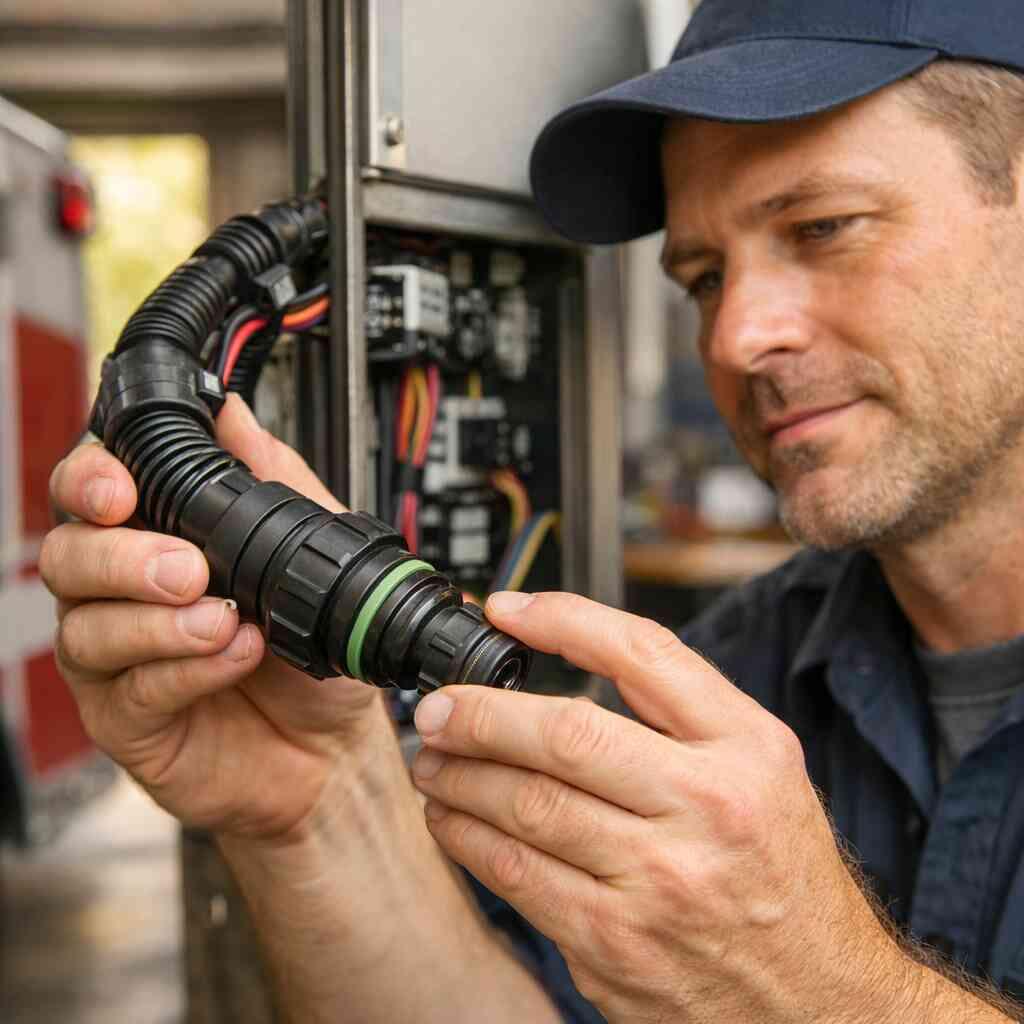
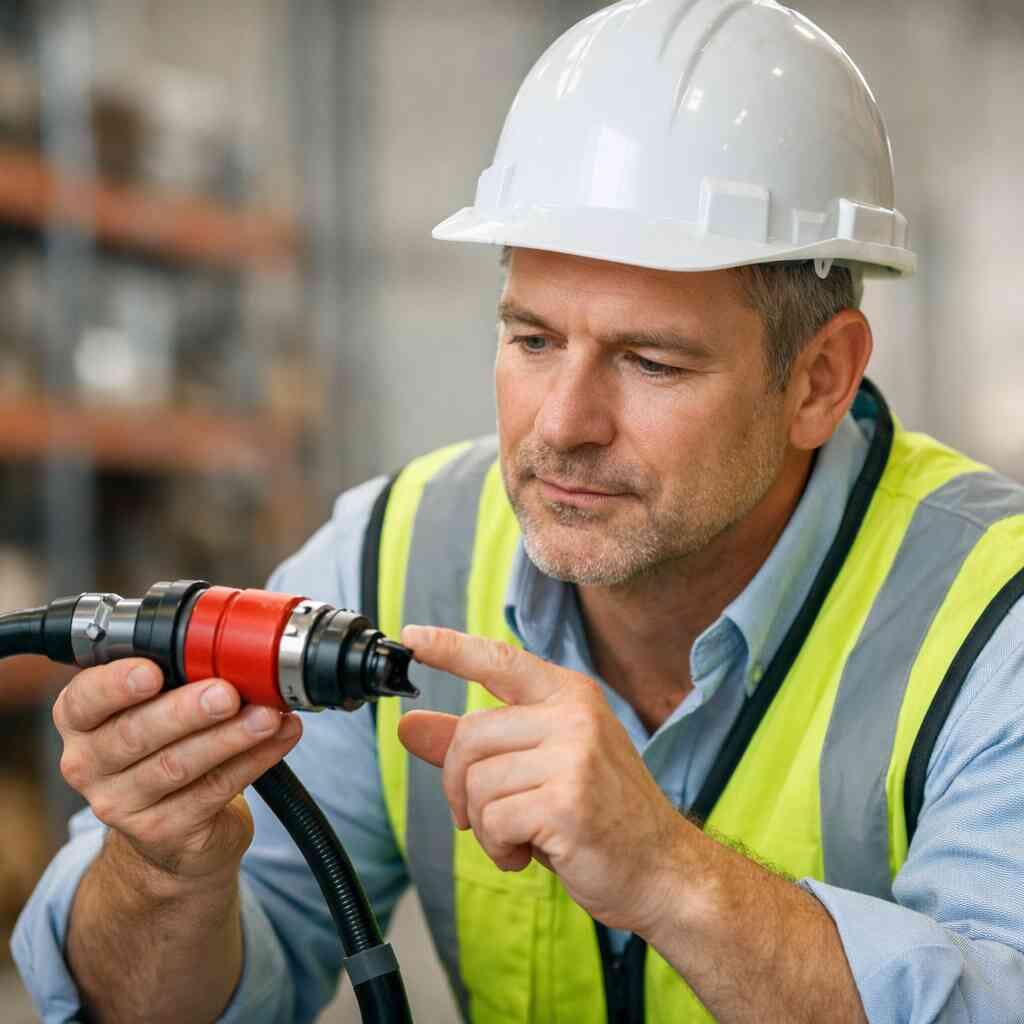
Teams often ask where sealed components belong in a broader plan. The answer is simple: they belong wherever moisture, debris, and rapid cleanup are routine. IP68-rated pigtails and extensions are not a luxury for workplace fire hazard prevention. They are part of a disciplined plan for operational readiness for safety teams. They help reduce the chance that routine conditions become preventable hazards.
That said, you should never assume a rating solves every problem. You still need the right fit for the job, the right mating components, and the right maintenance schedule. For teams building OSHA fire safety compliance plans, this is where procurement and field reality must meet. If the environment includes washdown, humidity, outdoor staging, or emergency deployment, your hardware should be chosen for the setting, not the sales sheet.
Why hose-down resistant safety gear changes the way crews think about cleanup and uptime
Cleanup changes behavior. When equipment can be washed and returned to service more predictably, crews stop treating it like fragile inventory. That shift matters because it supports both workplace fire hazard prevention and uptime. It also reduces the temptation to delay cleaning until a unit has “time,” which is usually when problems start. Reliable hardware supports better habits.
We have seen this in summer fleet work as well. A crew in a mixed industrial yard paused an entire shift because one wet-area connection kept tripping expectations during inspection prep. The fix was not glamorous. They revised the connector choice, changed their storage routine, and documented the washdown path more carefully. The result was less scramble and better emergency response readiness the next time the floor was checked.
What fire power products actually need to do before the inspection clock starts
Before inspection day, the question is not “Does it look rugged?” It is “Does it match the task, environment, and maintenance rhythm?” That is the practical standard for fire safety equipment for OSHA teams. A strong procurement choice should support the work, not create uncertainty during a walkthrough. That mindset helps teams avoid guesswork and build better confidence.
In 2026 specifically, what we have seen is a sharper focus on fit-for-purpose selection. Teams are asking better questions about connectors, receptacles, and accessories. They want heavy-duty fire suppression equipment support without overbuying or misapplying components. That is healthy. It shows a shift from casual purchasing to real operational planning.
Matching junctions receptacles and accessories to real operational risk instead of guesswork
You can reduce inspection stress by starting with risk, not catalog categories. Junctions, receptacles, and accessories should reflect the environment where they will operate. That means you think about moisture, debris, vibration, access, and frequency of use. It also means you avoid building a procurement list around “probably enough.” For industrial safety compliance tools, probably is not a standard.
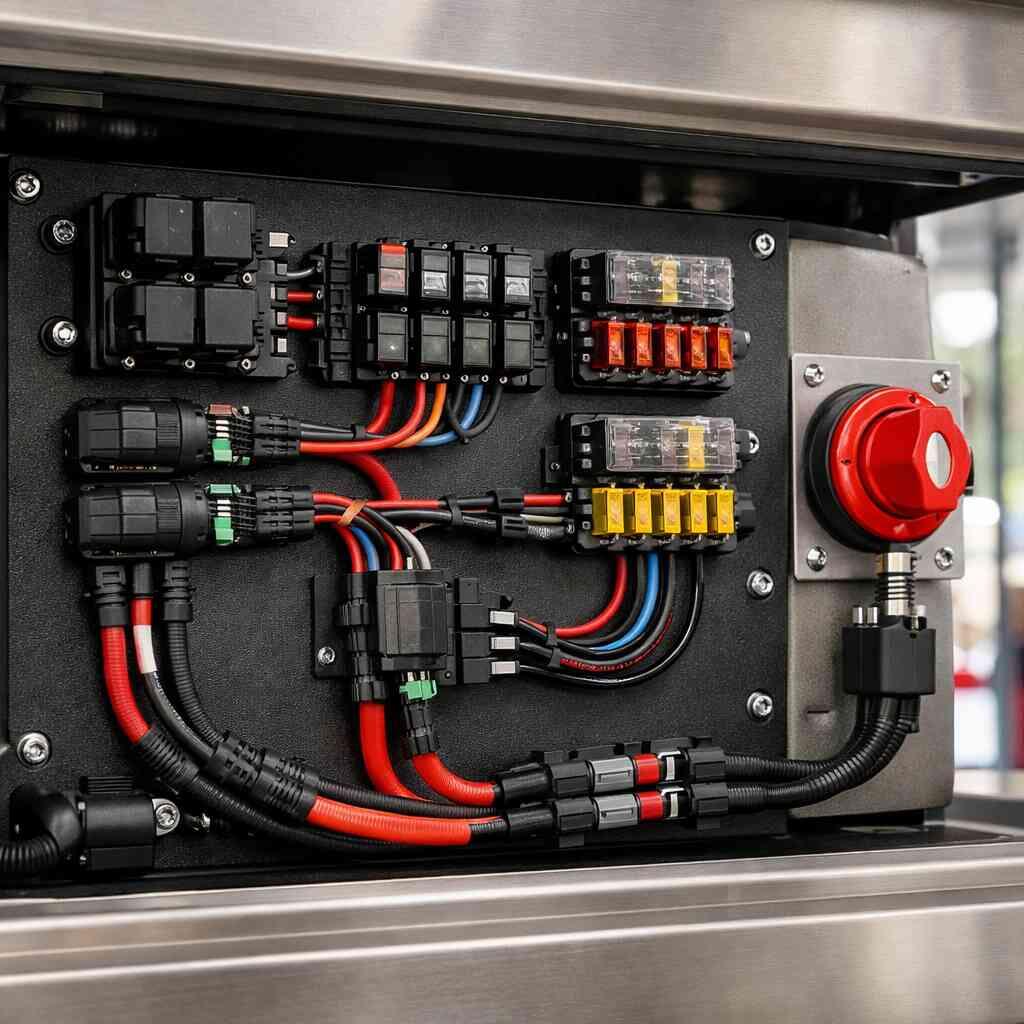
This is where a product family like Fire Power Fire Fighting Electrical Equipment Junctions Receptacles and Accessories can help teams focus on the right part of the system. The actual decision still depends on your site conditions and maintenance practices. If the equipment supports fire crews or industrial response teams, the accessories must support fast connection, clear labeling, and reliable storage. That is the difference between organized readiness and expensive clutter.
When male and female electrical connectors belong in emergency response readiness plans
Connectors are often treated like small parts. They are not. In emergency response readiness, the connector is the handshake between power and action. If that handshake is weak, the whole system feels fragile. That is why male and female electrical connectors should be selected with the same seriousness you apply to the rest of your mission-critical safety products.
The best time to think about connector logic is before someone is holding the flashlight and asking why the unit does not mate cleanly. For teams comparing options, workplace fire hazard prevention with rugged power connectors is the kind of category that belongs in a serious plan. You want a setup that is easy to identify, easy to maintain, and suitable for the conditions you actually face. That is especially true for first responder-grade fire equipment and related field systems.
How durability expectations shift for field operations versus stationary industrial sites
Field operations punish equipment differently than stationary sites. A fixed installation may face repetitive use, but a mobile setup faces movement, loading, weather, and frequent handling. That changes what durability means. You are not only asking whether the gear can survive. You are asking whether it can survive the way your team works. That is a deeper and more useful question.
For field operations, the standard should include transport stress, rapid deployment, and cleanup tolerance. For stationary industrial sites, the focus may shift toward mounting stability, controlled access, and inspection traceability. In both cases, durable fire safety gear should support maintenance planning instead of complicating it. Fire Power Products emphasizes tough, USA-engineered construction, but your team should still verify the exact fit for the application before purchase.
The paper trail and equipment logic that keep OSHA safety inspection preparedness from unraveling
Inspection readiness is not only about hardware. It is about the paper trail, the maintenance rhythm, and the people who know where everything lives. That is why OSHA safety inspection preparedness often fails from small administrative gaps, not dramatic defects. If your asset list is incomplete, your labels are inconsistent, or your replacement schedule is vague, the safest gear can still become a problem. The good news is that this is manageable. Compliance teams can build a system that supports both tracking and response. When the procurement process is clean, the inspection process feels less chaotic. That is exactly what safety equipment procurement for teams should do. It should reduce friction, not add to it. ### What compliance teams should confirm before placing mission critical safety products on the floor
Before equipment reaches the floor, confirm the basics with discipline. Check model identification, intended use, maintenance records, and compatibility with surrounding systems. Confirm whether the product has the documentation your team needs for internal review. Do not assume the packaging tells the full story. In compliance work, missing documentation can become a bigger issue than missing hardware.
A short checklist helps:
- Verify the exact product category and intended application.
- Match documentation to the site’s recordkeeping standard.
- Confirm the maintenance interval your team will actually follow.
- Make sure replacements are easy to identify during audits.
- Review whether the gear aligns with your site’s emergency plan.
This is also where OSHA fire safety compliance for industrial teams becomes more than a phrase. It becomes a procurement discipline. If you need to justify a purchase later, the paper trail should already support the decision.
How to build a safety equipment procurement list around reliable fire protection solutions
A good procurement list does not start with a brand name. It starts with the job. Then it layers in risk, frequency, environment, and maintenance burden. That approach produces reliable fire protection solutions instead of random purchases. It also helps you keep the list aligned with your real operating conditions.
Start by sorting your needs into categories:
- Stationary systems that stay in one place.
- Mobile or field-deployed components.
- Washdown-exposed equipment.
- High-handling items that need stronger strain relief.
- Spare parts that should be on hand before failure.
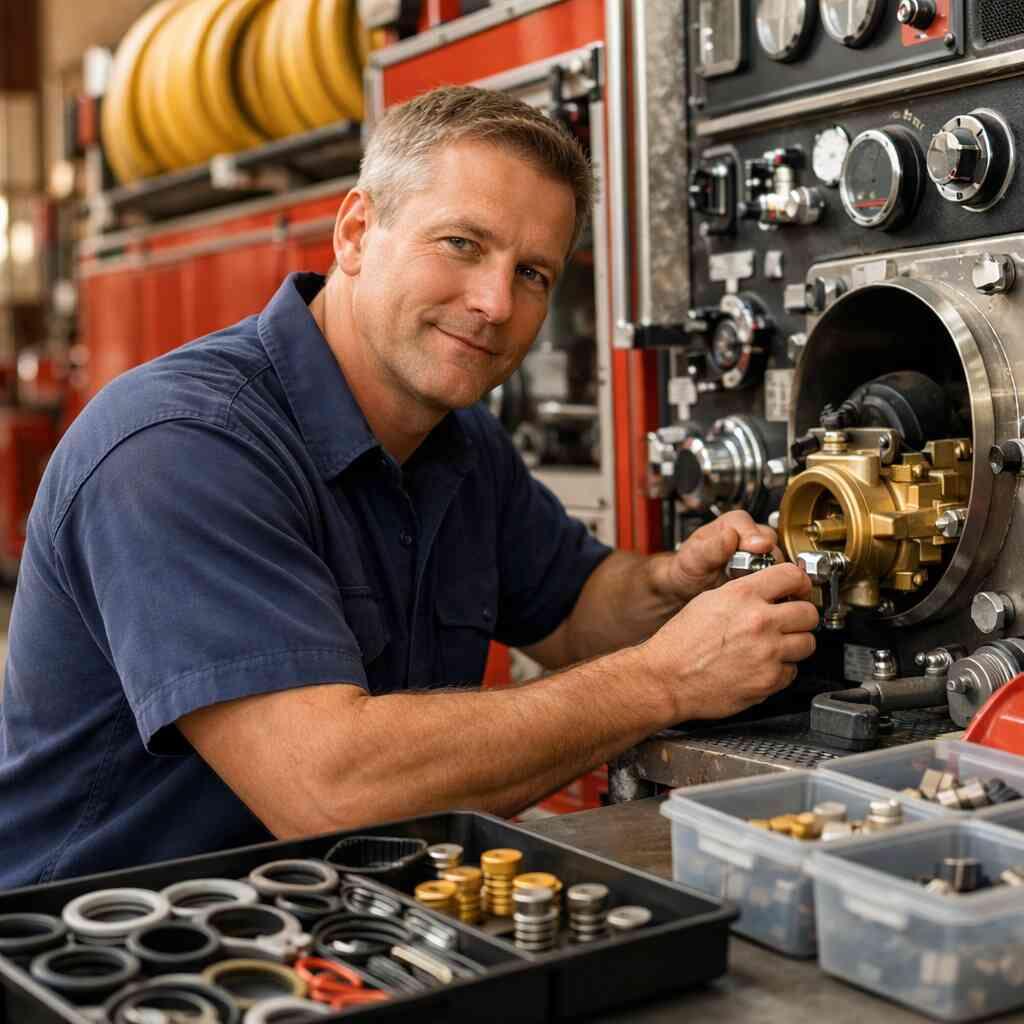
That framework makes it easier to build compliance-focused fire safety planning without missing the practical side. It also helps you distinguish between what is essential and what is simply convenient. One safety manager told us a tray full of “extras” had become their biggest inspection headache. After they rebuilt the list around actual use, the process got simpler and faster.
Why American made fire safety products can simplify asset tracking and maintenance planning without overpromising
American-made sourcing can help with traceability, communication, and maintenance planning. That does not mean every product is automatically superior. It means your team may benefit from clearer support channels and more straightforward asset records. For workplace safety asset management, that can save time during audits and replacements.
Fire Power Products is engineered in the USA, which may be useful for teams who prefer domestic sourcing in their planning. Still, you should never confuse origin with a universal performance guarantee. Instead, use origin as one part of a wider review that includes fit, documentation, and serviceability. That is a more honest and more durable way to manage American-made fire safety products. It keeps expectations real and decisions defensible.
The next move for teams that need rugged readiness not retail confusion
Retail confusion happens when teams shop by buzzwords instead of conditions. Rugged readiness starts when you compare equipment against actual use, actual stress, and actual maintenance capacity. That is the mindset that helps you choose trusted fire safety hardware without overreaching. It also keeps your team from buying the wrong level of durability for the wrong environment.
If you are trying to simplify the decision, focus on categories first, not branding language. Compare junctions, receptacles, pigtails, and extensions in relation to where they will live and how often they will move. Then ask what will make maintenance easier six months from now. That is the practical side of industrial emergency preparedness. It respects both the people using the gear and the people maintaining it.
How to evaluate Fire Power Products options against demanding conditions without inventing performance claims
Evaluation should be grounded in verified facts. Ask for the exact product details you need, and compare them against your site requirements. Do not fill gaps with assumptions. If a specification is not clear, treat that as a question, not a feature. That approach protects your team from buying into claims you cannot verify.
Here is what to look at first:
- Application fit for wet, dusty, or high-use environments.
- Maintenance access and replacement simplicity.
- Compatibility with existing equipment.
- Documentation completeness.
- Storage and handling requirements.
This is the safest way to assess mission-critical safety products for industrial emergency preparedness without inventing results. You get a cleaner decision, and your records stay defensible. That matters when the inspection clock starts moving.
Which Duraline fire power product categories to compare first for industrial emergency preparedness
If you are narrowing the field, start with the categories that most directly affect uptime and cleanup. Pigtails, connectors, junctions, receptacles, and extensions usually deserve the first comparison. Those are the parts that fail most painfully when they are chosen carelessly. They also influence how quickly a team can return to work after an interruption. That is why industrial emergency preparedness should begin with the most exposed components.
For teams with fire truck cabling or mobile apparatus needs, related categories like Best Spring 2026 Procurement Guide for Fire Truck Cabling may also be relevant. Not every operation needs the same configuration, and that is exactly the point. Compare categories by task, not by assumption. You will usually arrive at a better fit with less waste.
When to contact Fire Power Products in DeLand Florida to align equipment choices with your operational needs
There is a point where research should turn into conversation. If your team is still balancing washdown exposure, inspection demands, and field handling, contact matters. Fire Power Products is located in DeLand, Florida, and that local presence can help you align product choices with practical needs. You do not need to have every answer before you start the call. You only need a clear picture of your environment and your concerns.
That is especially true if you are planning around summer maintenance cycles, emergency readiness, or high-usage equipment turnover. The right conversation can help you narrow the field faster and avoid rework. If you need a next step, start by reviewing your highest-risk components and your current documentation. Then reach out to confirm what fits your operational needs in a way that stays grounded in facts. You do not have to solve everything today, and you do not have to solve it alone.
Frequently Asked Questions
Question: How does Fire Power Products support OSHA fire safety compliance for teams that need reliable equipment for harsh environments?
Answer: Fire Power Products is built for teams that need dependable fire protection solutions in demanding conditions, including wet, dusty, and high-use environments. The focus is on durable fire safety gear that supports OSHA fire safety compliance without treating critical hardware like ordinary shop equipment. For compliance teams, that means choosing components that fit the job, are easier to maintain, and are better aligned with fire safety best practices. Because the products are engineered in the USA and designed with rugged use in mind, they can be a strong option for workplace fire hazard prevention and operational readiness for safety teams. As always, your team should verify the exact product specifications, fit, and maintenance requirements before purchase so the selection matches your site’s needs.
Question: What should OSHA teams look for when comparing junctions, receptacles, pigtails, and other mission-critical safety products from Fire Power Products?
Answer: OSHA teams should start by matching the product category to the actual operating environment rather than shopping by broad labels. Junctions, receptacles, pigtails, and accessories should be evaluated for moisture exposure, vibration, washdown routines, access requirements, and frequency of use. That approach supports OSHA safety inspection preparedness and helps reduce the risk of last-minute failures during audits or emergency deployment. Fire Power Products offers categories that can fit into a compliance-focused fire safety planning process, especially when teams need first responder-grade fire equipment support or fire protection for job sites. The safest approach is to confirm compatibility, documentation, and maintenance needs before placing the gear into service.
Question: Does the blog Ultimate Guide to Fire Power Products for OSHA Teams 2026 apply to teams that need hose-down resistant safety gear and emergency response readiness?
Answer: Yes. The guide is especially relevant for teams operating in environments where cleanup, humidity, and frequent handling can wear down equipment over time. Hose-down resistant safety gear is important because washdown routines are often part of normal operations, not just an occasional event. Fire Power Products is positioned for safety equipment for harsh environments, which makes it relevant to emergency response readiness, industrial emergency preparedness, and workplace fire hazard prevention. The main takeaway is that rugged equipment should not only survive hard use, but also support inspection routines, maintenance planning, and a faster return to service. Teams should still confirm the exact specifications for their application so they can trust the equipment in real-world conditions.
Question: How can Fire Power Products help with safety equipment procurement for teams that need durable fire safety gear and better asset management?
Answer: A good procurement process starts with the job, the environment, and the maintenance rhythm. Fire Power Products can help teams narrow choices across categories that matter most for durable fire safety gear, such as connectors, pigtails, receptacles, junctions, and extensions. That makes it easier to build a list around mission-critical safety products instead of relying on guesswork. For workplace safety asset management, clear product categories and a disciplined selection process can improve tracking, replacement planning, and audit readiness. The key is to use verified product information, confirm fit, and keep documentation aligned with your team’s recordkeeping standards before deployment.
Question: Why should industrial teams in DeLand, Florida consider Fire Power Products for heavy-duty fire suppression equipment support and trusted fire safety hardware?
Answer: Teams in DeLand, Florida and beyond often need trusted fire safety hardware that can hold up to repeated use, cleanup, and demanding work conditions. Fire Power Products is based in DeLand and focuses on durable, USA-engineered solutions for teams that need high-durability fire equipment and dependable fire protection solutions. That local presence can be helpful when teams want a practical conversation about operational needs, field conditions, and compliance-focused fire safety planning. While the company emphasizes rugged construction and use in demanding environments, teams should still verify specifications, compatibility, and documentation before purchasing. Used correctly, that approach can support fire prevention program support, emergency equipment for industrial sites, and better long-term readiness.