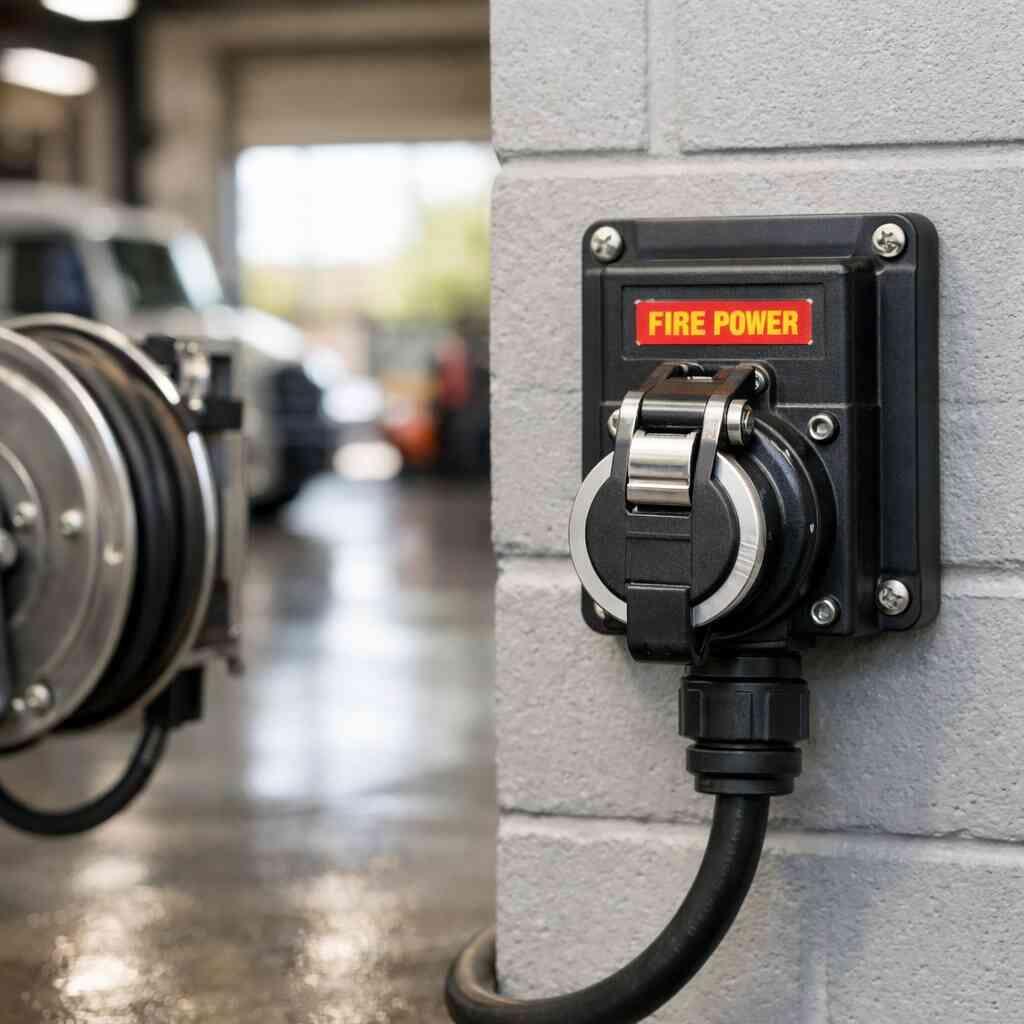
Top 6 Procurement Tips for Fire Power Products Buyers
November 24, 2026
If you are buying fire safety equipment and want fewer surprises, start with fit, durability, and proof. The best procurement tips for Fire Power Products buyers focus on matching the right connector system to the job, verifying the documentation behind performance claims, and choosing a supplier that can support demanding emergency use.
Key Takeaways
- The right procurement decision starts with connector compatibility, not price.
- Hose-down resistance and abuse tolerance should be written into the purchase requirements.
- IP68 claims only matter when the published specification sheet supports them.
- A strong supplier should show traceability, responsiveness, and lifecycle support.
- The cheapest quote can cost more if it increases downtime, rework, or replacement frequency.
- Fire departments and emergency teams should buy for operational readiness, not just initial delivery.
1) Verify the exact Fire Power product fit before you buy
The right Fire Power product fit starts with the actual interface your crew needs in the field. If the connector style does not match the equipment, the job site, or the power path, the purchase creates delays instead of readiness. A careful fire equipment purchasing guide always begins with compatibility, not assumptions.
Match the connector style to the job site requirements and the equipment it must interface with
You should confirm the connector style against the exact equipment it must support, including portable power setups, apparatus-side connections, and any accessory cable path. In practice, that means checking pin configuration, mounting style, and environmental exposure before you approve the order. One missed detail can turn a routine installation into a return, and returns are expensive when a crew is waiting.
We have seen buyers focus on “rugged” language and overlook the actual interface. That is where mistakes happen. The safer approach is to write the connector requirement into the purchase request and compare the spec sheet line by line.
Confirm compatibility across pigtails, junctions, receptacles, and extensions before approvals are issued
Compatibility has to extend beyond one component. Pigtails, junctions, receptacles, and extensions all need to work as a system, especially in first responder equipment procurement where field reliability matters more than appearance. A good approval process checks the full chain, not just the most visible part.
ComponentWhat to verifyWhy it mattersPigtailsConnector type, wire routing, and strain reliefPrevents mismatched installsJunctionsEntry points and sealing methodReduces leak and failure riskReceptaclesMounting and interface alignmentSupports clean integrationExtensionsLength and matching connectorsAvoids field adaptation workIf you need a planning reference, Fire Power Products’ own how to plan fire power article is a useful starting point for organizing a purchase around actual operational needs.
2) Treat hose-down resistance and abuse tolerance as procurement requirements, not nice-to-haves
Hose-down resistance and abuse tolerance should be treated as mission-critical requirements. Fireground gear gets cleaned, moved, bumped, and stored under hard conditions, so equipment reliability under demanding conditions matters as much as initial performance. If the product cannot stand up to routine cleanup, it is not truly durable fire safety gear.
Define the real-world exposure your equipment will face during emergency response and post-call cleanup
Write down the conditions the equipment will actually face. That may include heavy water exposure, mud, vibration in transit, frequent handling with gloves, and repeated storage in crowded compartments. In Florida, the added reality is humidity, salt air in some areas, and fast weather changes that can test enclosures and seals.
One firehouse buyer once described a “minor” accessory order that kept failing after washdown. The issue was not the crew. It was the procurement spec. Once the team defined the exposure clearly, the replacement standard changed, and the problem stopped recurring.
Use durability expectations to separate mission-critical gear from equipment that only looks rugged on paper
Here is the part most buyers miss: some products look heavy-duty but are not built for sustained use. Real heavy-duty fire gear should survive repeated handling and cleanup without becoming a maintenance burden. That is why procurement best practices should include durability expectations, not just a product description.
A simple screening checklist helps:
- Can the equipment handle hose-down conditions without repeated service calls?
- Does the supplier describe abuse-resistant construction clearly?
- Will the product still support the crew after repeated deployment cycles?
- Does the component fit the rest of the system without custom fixes?
If you want a broader product reference, the fire fighting equipment page offers a useful overview of the category and how rugged components fit emergency use.
3) Separate IP68 claims from the documentation that proves they matter
An IP68 claim is only useful when the documentation is exact and the application matches the rating. Buyers should not treat the label as a substitute for a specification sheet, because the rating language, test conditions, and practical limits all matter. This is where a safety equipment specification review earns its keep.
Ask for the specification sheet and verify the rating language exactly as published
Request the spec sheet before approval, then read the rating language exactly as written. Do not rely on a product summary or sales shorthand. If the paperwork does not clearly support the claim, the claim should not drive the purchase.
The Federal Trade Commission’s advertising guidance is a useful reminder that product claims should be supported, not assumed. That principle matters in procurement too. If a vendor says a connector is waterproof, you still need the published details that define what that means in use.
Review what the rating does and does not tell you about field use, sealing, and maintenance demands
An IP68 rating can be valuable, but it does not answer every question. It tells you something about ingress protection under stated conditions, not every possible abuse scenario. It does not replace inspection routines, proper installation, or maintenance discipline. Use this quick comparison:
QuestionWhat IP68 helps withWhat you still need to verifyWater exposureResistance to ingress under stated conditionsActual washdown and deployment environmentDust exposureSealing against fine particulate entryStorage and cleaning practicesField useBetter protection in harsh environmentsConnector fit and handling durabilityMaintenanceMay reduce contamination riskInspection intervals and damage checksFor teams building a resilient emergency tools strategy, the right reading of IP68 helps avoid false confidence. It supports the purchase, but it does not replace the rest of the procurement process.
4) Build a supplier qualification checklist before you commit to one vendor
A supplier qualification checklist protects you from preventable procurement risk. The best vendors are not only responsive; they are consistent, traceable, and able to support reliable emergency gear sourcing over the full lifecycle of the purchase. That matters when replacement windows are short and crews are already committed.
Evaluate whether the supplier can support reliable emergency gear sourcing over the full lifecycle of the purchase
Start with the basics: can the supplier answer technical questions quickly, provide clear documentation, and help you avoid ordering errors? Then look at whether they can support future replenishment. A strong supplier does not disappear after the first invoice.
In Florida, procurement teams often have to balance operational urgency with practical logistics. If your department is managing multiple apparatus, reserve stock, or seasonal readiness, a supplier with organized support saves time and reduces rework. The U.S. Census business data resource can also help buyers understand local business context when they are assessing sourcing options.
Check responsiveness, product traceability, and procurement risk management signals before final selection
Responsiveness is not just about fast email replies. It is about whether the vendor can help you trace what was ordered, what was shipped, and what should be ordered next. That is a major part of quality assurance in procurement.
Use this checklist:
- Ask for the exact product documentation.
- Confirm lead times and order status communication.
- Verify traceability for repeat purchases.
- Review how the vendor handles errors or substitutions.
- Make sure the contact path is clear for future support.
If your team is planning a larger order or trying to reduce delays, this lead time guide can help frame the discussion around sourcing, timing, and readiness.
5) Why the cheapest quote can become the most expensive purchase
The cheapest quote can become expensive when it creates downtime, replacement work, or field failure. Value-driven procurement decisions should compare total cost, not just unit price. For dependable firefighting accessories, the real question is how the product performs under heavy use and what it costs over time.
Compare upfront price against replacement frequency, downtime exposure, and long-term equipment value
A lower quote may look good on paper, but it can lose quickly if the product needs frequent replacement or repeated service calls. In emergency response equipment selection, downtime has a real cost because crews need gear that works now, not after another round of troubleshooting.
FactorLower-cost optionBetter-fit optionUpfront priceLowerHigher or similarReplacement frequencyOften higherOften lowerDowntime riskHigherLowerLong-term valueUncertainMore predictableThis is where equipment lifecycle planning matters. A sturdier component can be the cheaper choice if it reduces labor, replacement cycles, and operational interruptions.
Pressure test whether the lower-priced option really supports dependable firefighting accessories under heavy use
Ask hard questions before approving the low bid:
- Will it hold up to repeated washdown?
- Does it fit the full system without extra parts?
- Is the documentation complete enough for internal review?
- Will the product still perform after routine handling and storage?
A recent buyer asked us to compare two options that looked similar in photos. The difference showed up in the details: sealing, compatibility, and support. The lower quote was not the better purchase once those factors were counted.
6) Choose the purchase path that keeps your crews ready for the next call
The best purchase path aligns the order with operational need, inventory gaps, and compliance review. Buyers should make the decision process simpler, not riskier, by confirming what the crew actually needs, what the department already has, and what must arrive without rework. That is the heart of emergency readiness procurement.
Align the order with current operational needs, inventory gaps, and emergency readiness procurement priorities
Before you order, confirm three things: current stock, expected usage, and the equipment already in service. This prevents duplicate purchases and keeps the buying process tied to readiness instead of habit. It also helps with procurement planning for fire departments that need dependable coverage across shifts and apparatus.
If you want a broader buying framework, Fire Power Products’ ultimate guide is a useful companion piece for organizing a more disciplined purchase review.
Use a final review process that protects compliance, reduces rework, and supports a cleaner buying decision
A final review should check the spec sheet, confirm compatibility, verify the delivery path, and make sure the product matches the intended use. If the department is buying from a DeLand, Florida supplier, that local proximity can help with communication and timing, but the paperwork still needs to be right.
For departments that want rugged, USA-made fire safety products and a supplier focused on harsh emergency-response conditions, Fire Power Products is a practical option to consider. If your team is ready to talk through fit, documentation, and ordering details, call 369-279-000 and ask for help matching the right components to your application.
Frequently Asked Questions
Question: How do Fire Power Products buyers choose the right connector style for a fire equipment purchasing guide without causing compatibility issues?
Answer: The safest approach is to verify the connector style against the exact application before placing an order. For fire power products buyers, compatibility should come first: check the pin configuration, mounting style, environmental exposure, and how the part will interface with pigtails, junctions, receptacles, and extensions. This kind of fire equipment purchasing guide helps reduce rework, returns, and downtime. Fire Power Products is focused on durable fire safety gear built for demanding conditions, but buyers should still confirm the published specification sheet and system fit before approval. That is the best way to support reliable emergency gear sourcing and avoid assumptions that can disrupt operations.
Question: In the blog Top 6 Procurement Tips for Fire Power Products Buyers, why is hose-down resistance and abuse tolerance treated as a procurement requirement for high-use safety equipment?
Answer: Because equipment used in emergency response has to survive more than normal handling. Hose-down resistance, repeated movement, glove use, vibration, and storage in harsh environments are not optional concerns. For procurement tips for fire safety equipment, buyers should define those conditions in advance so they can compare products using real operational needs instead of marketing language. Fire Power Products is positioned around rugged performance and high-use safety equipment, but the final purchase decision should still be based on the published product information and the demands of the job. That is a practical procurement best practice for departments that want equipment reliability under demanding conditions.
Question: How should emergency response equipment selection teams evaluate IP68 claims and other documentation during a fire equipment compliance review?
Answer: Teams should request the specification sheet and read the rating language exactly as published. An IP68 claim can be useful, but it does not replace a full fire equipment compliance review or answer every question about field use, sealing, cleaning, or maintenance. Buyers should confirm what the rating does and does not cover, then match it to the actual environment and operating requirements. Fire Power Products encourages careful review because quality assurance in procurement depends on verified documentation, not assumptions. That approach supports resilient emergency tools, safer sourcing decisions, and stronger confidence in USA-made fire safety products when the paperwork and application align.
Question: What should a supplier qualification checklist include when evaluating Fire Power Products for reliable emergency gear sourcing?
Answer: A strong supplier qualification checklist should cover responsiveness, product documentation, order accuracy, traceability, and the ability to support future replenishment. For procurement planning for fire departments, it is not enough for a vendor to simply ship quickly; the vendor should also be able to help prevent ordering mistakes and support repeat purchases over time. Fire Power Products, based in DeLand, Florida, is a practical option for buyers who want trusted fire apparatus accessories and durable fire safety gear, but the final selection should always include a careful review of the exact product details, lead times, and support process. That is how departments reduce procurement risk management issues and improve long-term equipment value.
Question: How do Fire Power Products buyers balance upfront cost with long-term equipment value when buying rugged fire power products?
Answer: Buyers should compare more than the initial quote. A lower price may look attractive, but if it leads to higher replacement frequency, more downtime, or repeated service calls, it can become the more expensive option over time. Value-driven procurement decisions should include equipment lifecycle planning, compatibility, maintenance burden, and the cost of operational interruptions. Fire Power Products is a strong fit for departments seeking performance-focused procurement and heavy-duty fire gear, but the best decision still depends on the right purchase decision criteria for the agency. When buyers weigh total cost instead of just unit price, they are more likely to choose dependable firefighting accessories that support emergency readiness procurement and reduce surprises later.