What Are the Lead Time Risks for Florida Fire Buyers in 2026
August 2, 2026
Why Florida fire buyers can lose weeks before the order even leaves the dock
If you are waiting on critical gear, the hardest part is often the silence. A purchase order can look routine on paper, then quietly slip behind someone else’s emergency. That delay creates real anxiety because response readiness does not pause for warehouse schedules. In Florida, fire buyer lead time risks often show up before shipment, not after. That is why Florida fire equipment lead times deserve closer attention than most purchasing checklists give them.
The quiet backlog signals that turn a routine replenishment into an emergency response procurement delay
We hear this from departments and fleet managers often: the order was placed, then nothing moved. The vendor was not necessarily unhelpful. The problem was deeper, buried in warehouse stock availability, vendor lead time variability, and allocation risk. A simple replenishment can turn into an emergency response procurement delay when one item sits in a queue behind larger orders. That is especially frustrating when the request started as a normal maintenance task.
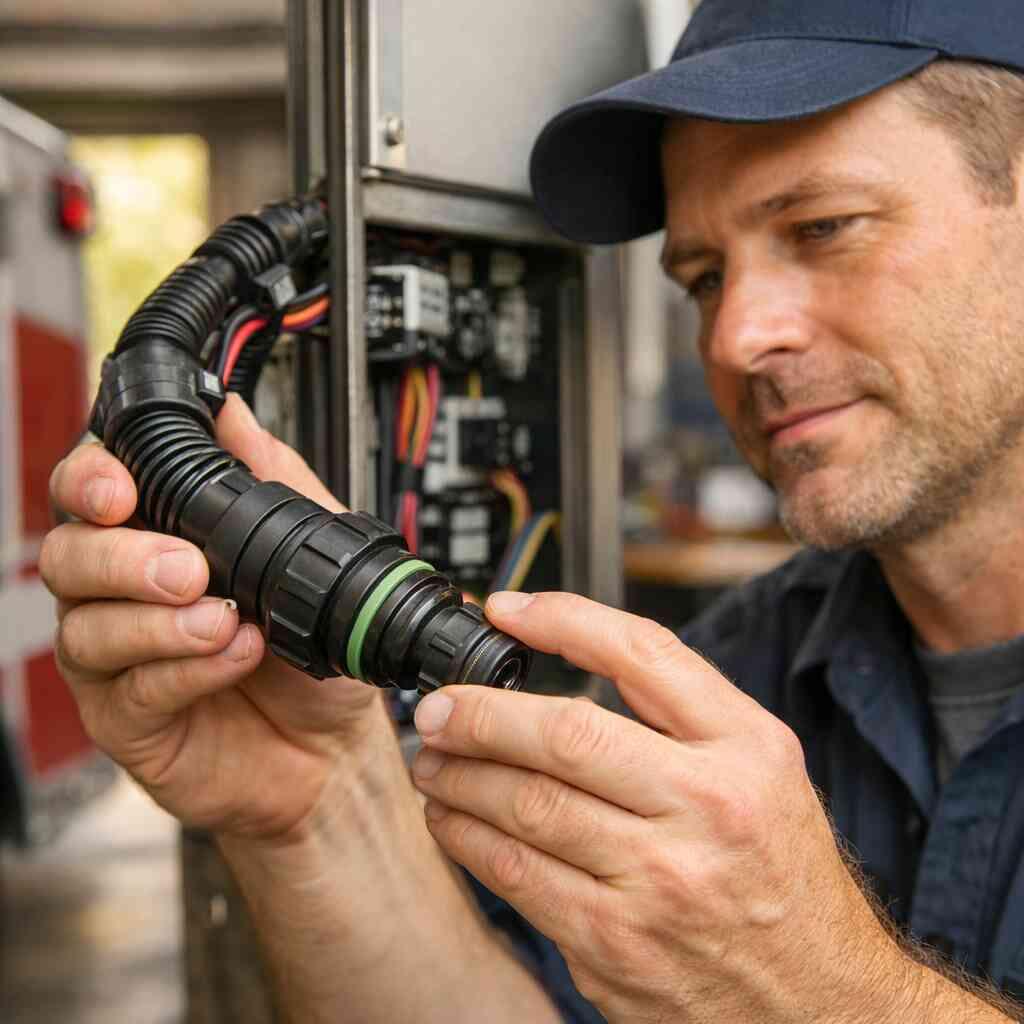
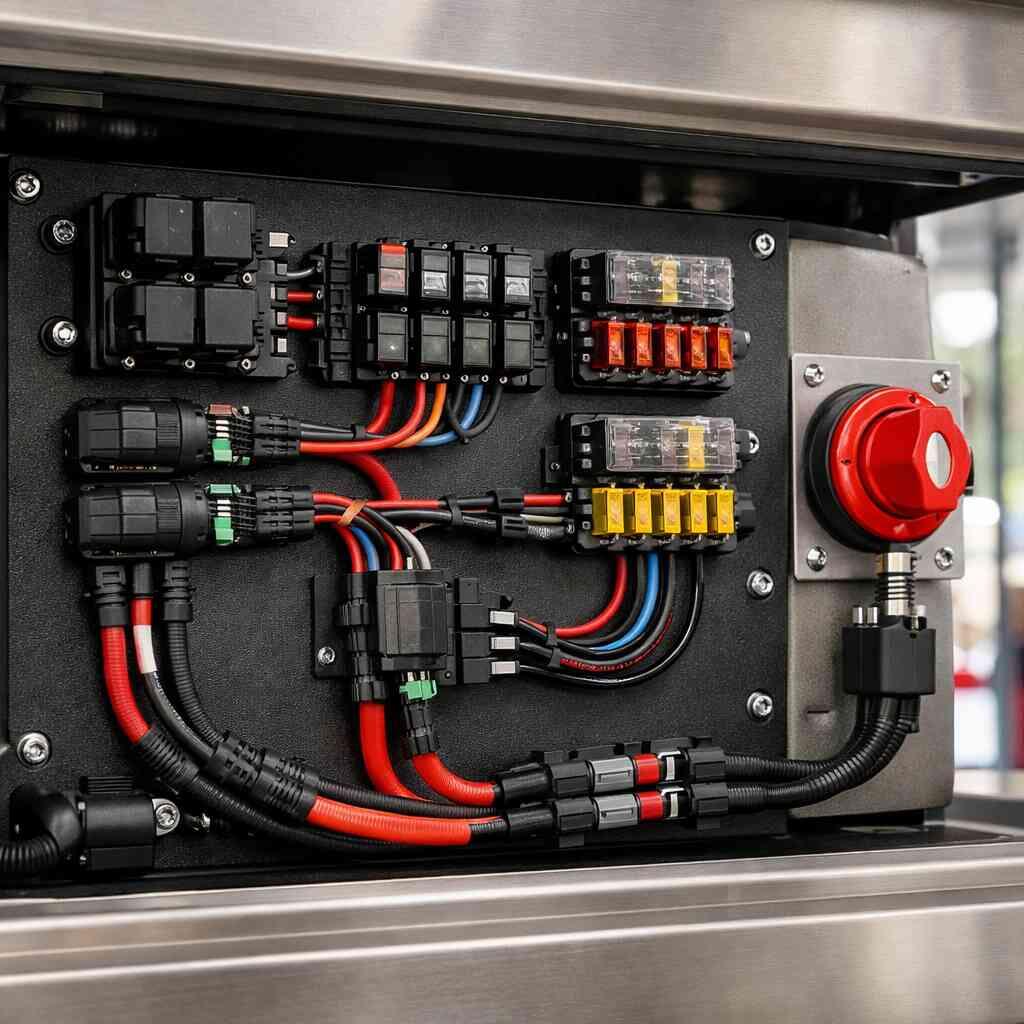
One small municipality in Central Florida ran into this exact problem with cabling and connectors. The department expected a straightforward parts shipment, but one unavailable accessory pushed the entire build date back. Nobody had planned for that connector to become the bottleneck. Yet that is how supply chains work under pressure. If you do not track every component, a single missing item can stall the whole package.
Hurricane season inventory planning changes the risk profile for hose and nozzle lead times
Hurricane season inventory planning changes everything. Demand does not just rise; it becomes uneven, urgent, and unpredictable. Buyers who wait too long often find that hose and nozzle lead times stretch because everyone else is ordering at once. That is not panic buying. It is a predictable surge that can create fire safety supply chain disruptions. The smartest departments plan around that surge instead of reacting to it.
Here is the part most buyers miss. Even if the exact item you need is available somewhere, delivery scheduling uncertainty can still push your timeline out. Truck capacity tightens. Receiving docks get crowded. Regional equipment shortages spread across public safety accounts faster than many purchasing teams expect. In practice, that means disaster preparedness inventory must be treated as part of operational planning, not just budget planning.
Why replacement parts backorder risk often starts with one missing connector, receptacle, or accessory
Replacement parts backorder risk usually starts small. It is rarely the whole apparatus. More often, it begins with one connector, receptacle, or accessory that seems easy to source. Then that item becomes the missing link in a larger repair, retrofit, or replacement cycle. Fire departments feel this most during fleet maintenance scheduling, when one stalled part keeps a rig out of service longer than expected.
On the projects we have followed this year, the same pattern kept appearing. A department could source major equipment, but not the small parts needed to complete installation. That is why junctions, receptacles, and accessories for fire safety supply planning matter so much in Florida fire buyers’ plans. Small components are easy to overlook. They are also the fastest way to turn a manageable job into a delayed one.
Where the supply chain breaks for municipal fire purchasing timelines and fleet maintenance
Municipal fire purchasing timelines are often more fragile than outsiders realize. The process involves approvals, specifications, budget timing, vendor availability, and fleet maintenance windows. If any one of those shifts, the rest can slide. That is why public safety procurement constraints feel so stressful. You are not just buying equipment. You are trying to preserve response readiness while multiple systems move at once.
The hidden choke points behind pump and valve availability when multiple departments order at once
Pump and valve availability can look stable until several departments place orders together. Then the bottleneck appears. Suppliers may have inventory, but not enough assembled stock for immediate shipment. Lead times expand because high-demand items share the same production and fulfillment path. This is a major issue for municipal fire purchasing timelines, especially when maintenance schedules are already tight.
A fire fleet supervisor in North Florida once described the process as “watching three calendars fight each other.” That is accurate. Procurement, service downtime, and vendor fulfillment rarely align neatly. When they misalign, apparatus availability becomes the casualty. The lesson is simple: plan critical equipment replenishment before the service window opens, not after.
How wildland fire equipment demand and regional equipment shortages can collide with public safety procurement constraints
Wildland fire equipment demand creates a second layer of pressure. In dry periods, regional shortages can spread quickly, and buyers who serve both municipal and field response needs feel it first. These shortages do not respect department size. They affect small agencies and larger fleets alike. Public safety procurement constraints only make the situation harder because you cannot always rush a purchase through approval channels.
The challenge is not just supply. It is timing. When demand spikes in fire season, the items most people assume are “standard” may suddenly become scarce. That is why wildfire readiness planning should include backup sourcing and broader equipment allocation risk reviews. If you wait until the field asks for it, you may already be late. Here is the reality: one delayed part can interrupt a training cycle, a maintenance schedule, and a response plan all at once.
Why domestic supply reliability matters when apparatus availability and response readiness cannot slip
Domestic supply reliability matters because time is not abstract for a fire department. If apparatus availability drops, the impact shows up in the bay, not on a spreadsheet. U.S.-based sourcing can reduce some of the unpredictability tied to long transit chains and handoff delays. It does not eliminate every risk. However, it can strengthen emergency service supply chains when timing matters most.
For buyers comparing options, the issue is often less about branding and more about consistency. You need to know that the product path is traceable, communicative, and realistic. That is where fire truck apparatus availability and supply chain continuity becomes more than a phrase. It becomes a procurement standard. If you need a dependable starting point, Fire Power Products, based in DeLand, Florida, is part of that domestic conversation. Strong sourcing practices matter most when the calendar is already crowded.
The decision framework that keeps Florida fire departments supplied when timing gets tight
When timing gets tight, good purchasing decisions become operational decisions. That sounds obvious, but departments still get trapped by the same pattern. They wait for confirmation, then wait for approval, then wait for shipping. By the time the order moves, the maintenance window is shrinking. A better fire department purchasing strategy starts earlier and treats lead time as a risk, not an afterthought.
When to lock in critical equipment replenishment before delivery scheduling uncertainty becomes operational downtime The best time to lock in critical equipment replenishment is before a service gap appears. That is not dramatic. It is practical. Once delivery scheduling uncertainty sets in, you are no longer buying convenience. You are buying back lost time. In Florida, that distinction matters because response readiness supply planning often overlaps with hurricane preparation, fleet service, and staffing changes.
A practical rule helps here. If an item affects vehicle readiness, hose deployment, electrical cabling, or safety coverage, do not wait for the last spare to disappear. Lock it in early. That includes Florida fire equipment lead-time risks in 2026 planning for departments that already know their seasonal strain points. The question is not whether delays can happen. The question is whether your schedule can absorb them.
How backup supplier planning and long order mitigation protect fire safety supply chain disruptions from becoming field failures
Backup supplier planning is not duplication. It is resilience. Departments that depend on a single source often discover too late that one backorder can freeze the whole process. Long order mitigation gives you options before the field feels the pain. It can also reduce pressure on fleet maintenance scheduling because you are not forcing repair work to wait on a single vendor path.
A good mitigation plan usually includes a few practical steps:
- Track critical SKUs separately from routine stock.
- Identify which items have the longest vendor lead time variability.
- Keep a second approved supplier for essential categories.
- Review seasonal demand spikes in fire season before inventory drops.
- Match replacement parts backorder risk to actual apparatus downtime risk.
That approach is especially important for emergency equipment lead time delays for Florida fire buyers who cannot afford surprises. The goal is not to stockpile everything. The goal is to protect field operations from avoidable interruptions. If a delay would keep a rig down, it belongs in your high-priority planning tier.
What a practical fire department purchasing strategy looks like for operational continuity in DeLand and across Florida
A practical purchasing strategy is specific, not vague. It starts with the items that would hurt most if they were late. Then it ranks them by impact, not price. That approach works in DeLand, across Florida, and in any department that has to balance public safety procurement constraints with real-world service demands. It also keeps conversations with vendors focused on delivery, compatibility, and continuity.
Priority ItemRisk if DelayedPlanning ActionHose and nozzle lead timesTraining and response delaysOrder before season pressure risesPump and valve availabilityApparatus downtimeConfirm stock and alternates earlyReplacement parts backorder riskExtended repair cyclesIdentify backup SKUsPPE procurement delaysCoverage gapsBuild seasonal safety stockElectrical connectors and accessoriesInstallation stoppageSource complete kits togetherThe mistake we see most often is fragmented ordering. Buyers secure the main item, then scramble for the accessory later. That is how supply gaps grow. For departments that want tighter control, how to plan Q4 2026 fire truck cabling in DeLand offers a useful model for thinking ahead. If you are trying to keep one rig in service while another is being serviced, that kind of planning matters more than ever. You do not have to solve every risk today, but you do need a clear first move.
If your department is facing procurement pressure, start with one inventory review and one backup source check. Then identify the three items that would create the biggest operational delay if they slipped. You do not have to figure this out alone, and you do not have to figure it all out today. Start with one phone call, and protect the next response before the next delay shows up.
Frequently Asked Questions
Question: How can Fire Power Products help Florida fire buyers reduce Florida fire equipment lead times and avoid emergency response procurement delays?
Answer: Fire Power Products, based in DeLand, Florida, can help buyers plan around Florida fire equipment lead times by focusing on practical procurement steps that reduce avoidable delays. That means identifying critical items early, checking warehouse stock availability, and building a more reliable order plan before a maintenance window becomes a deadline. For fire buyers, the biggest risk is often not the main equipment itself, but the vendor lead time variability that can slow down an entire order. By planning ahead and confirming complete order requirements early, departments can reduce emergency response procurement delays and protect response readiness supply planning. This is especially useful when the purchase involves accessories, connectors, or other components that can become hidden bottlenecks. Fire Power Products emphasizes durable, USA-engineered fire safety equipment, but buyers should always confirm current specifications and availability directly before ordering.
Question: What should departments consider during hurricane season inventory planning to avoid hose and nozzle lead times from getting worse?
Answer: During hurricane season inventory planning, departments should expect demand spikes in fire season, tighter delivery scheduling uncertainty, and more pressure on regional equipment shortages. Hose and nozzle lead times can stretch quickly when multiple agencies order at the same time, so the safest approach is to treat these items as part of disaster preparedness inventory rather than routine replenishment. Fire Power Products can support this kind of planning by helping buyers think through operational continuity for fire buyers, especially when timing matters as much as the equipment itself. A good strategy is to review current stock early, separate critical items from normal restock items, and confirm whether all required accessories are included in the order. That helps reduce fire safety supply chain disruptions and lowers the chance of last-minute substitutions. In Florida, that kind of planning can make the difference between staying ready and chasing parts during the busiest part of the season.
Question: Why does replacement parts backorder risk often affect municipal fire purchasing timelines, and how can Fire Power Products help?
Answer: Replacement parts backorder risk often starts with one small item, like a connector, receptacle, or accessory, and then spreads into a larger delay that affects municipal fire purchasing timelines. When one missing part holds up installation or repair, the whole project can stall, which creates fleet maintenance scheduling problems and can keep apparatus out of service longer than planned. Fire Power Products is a helpful resource for buyers who want to reduce those risks by planning complete orders more carefully and matching parts to the full job rather than buying piecemeal. That approach supports long order mitigation and helps avoid situations where the main item arrives but the system still cannot be completed. Because public safety procurement constraints can slow down reordering, it is usually better to identify backup supplier planning early and keep the most critical SKUs under review. Buyers should always verify exact part compatibility and availability before finalizing a purchase.
Question: What is the best fire department purchasing strategy for pump and valve availability and Florida fire apparatus availability in 2026?
Answer: The best fire department purchasing strategy is one that treats lead time as an operational risk, not just a supply issue. For pump and valve availability, that means confirming stock early, planning for vendor lead time variability, and avoiding fragmented ordering that forces one missing component to delay the whole project. Fire Power Products can support this strategy by helping Florida buyers think in terms of operational continuity, not just purchase completion. When apparatus availability matters, departments need to look at the full picture: replacement parts backorder risk, delivery scheduling uncertainty, and whether the order supports actual field readiness. This is especially important for Florida emergency equipment procurement, where seasonal demand, maintenance windows, and service coverage can overlap. A strong plan also includes backup supplier planning so one source issue does not create a larger operational delay. Fire Power Products offers USA-engineered fire safety equipment, but buyers should confirm product details and availability directly for their specific application.
Question: In the blog What Are the Lead Time Risks for Florida Fire Buyers in 2026, what should agencies do to protect operational continuity during wildland fire equipment demand and PPE procurement delays?
Answer: In What Are the Lead Time Risks for Florida Fire Buyers in 2026, the core message is that agencies should plan early for wildland fire equipment demand, PPE procurement delays, and regional equipment shortages before those pressures disrupt service. When demand rises, even standard commercial fire protection supplies can become harder to secure, and the result may be slower replenishment, delayed training, or gaps in coverage. Fire Power Products can help buyers by supporting a more disciplined approach to durable fire gear procurement and first responder equipment sourcing, with attention to what is needed now and what will be needed next. Agencies should prioritize critical equipment replenishment, keep an eye on warehouse stock availability, and make sure their order list includes every component required to complete the job. That reduces the chance of emergency service supply chain problems turning into field failures. For Florida departments, especially those balancing hurricane season inventory planning with routine fleet needs, a clear procurement process is often the best protection against avoidable downtime.