How to Plan DeLand Fire Power Products Orders for Q4 2026
July 18, 2026
Why Q4 orders go sideways when fire operations wait too long
Calls do not stop just because the calendar gets crowded. If you are reading this with a procurement list that keeps growing, that pressure is real. Many DeLand teams feel the same squeeze after a busy summer. Equipment shows wear, stations need resets, and ordering decisions suddenly feel urgent. That is exactly when mistakes multiply.
The inventory blind spots that show up after a busy summer of call volume and station wear
After a busy stretch, inventory gaps hide in plain sight. A cabinet may look stocked, yet the parts that fail most often are already missing. You may still have general supplies, but the mission-critical pieces are the ones that matter during a call. That is why a fire station inventory audit and supply continuity planning mindset helps before you place new orders. It exposes the small shortages that become big delays later.
Here is the part most teams miss. Wear does not announce itself loudly. It shows up as frayed cords, tired connectors, loose accessories, and gear that no longer feels dependable during daily handling. On one station refresh project, the crew thought they needed only a few replacements. A closer walk-through found three separate access points with mismatched parts and one storage area that had drifted into “temporary” use for months. That kind of drift creates a quiet backlog.
How lead time compression can quietly disrupt emergency response gear replenishment
Lead time compression is not dramatic. It rarely arrives as a full stop. Instead, it arrives as a series of small delays that stack up until the order no longer supports the shift schedule. That is why emergency response gear replenishment has to start before the need feels obvious. Waiting for a failure is almost always more expensive than replacing a part on your schedule.
We hear this from clients almost every week. They expected a fast turnaround, then discovered that a late order triggered revisions, extra approvals, or a missing connector detail. Those extra steps can slow down safety equipment lead time management more than the product itself. If you are trying to protect staffing, apparatus readiness, and station discipline at the same time, timing becomes part of the specification. One missed detail can turn a simple order into a week of back-and-forth.
What DeLand procurement teams should verify before placing a mission-ready equipment order
Before you submit anything, verify the use case first. Ask what the item will actually do in the station or on the apparatus. Then confirm compatibility, mounting needs, and the environment it will face. That is the heart of mission-ready equipment sourcing, and it prevents expensive revisions. It also keeps you aligned with DeLand fire equipment orders that support daily readiness, not just box-checking.
For teams in and around DeLand, that verification step matters even more because local operations often juggle heat, humidity, storage variation, and quick turnaround expectations. If your team is building toward first responder equipment procurement, treat the order like a system, not a shopping cart. A system needs clear roles. A shopping cart does not.
When durable fire safety equipment matters more than chasing the lowest bid
Lowest bid can look smart on paper. Then the item gets handled, repositioned, washed down, and moved again. That is where the real cost appears. Durable fire safety equipment may carry a different initial price, but it often protects you from repeat replacements, operational interruptions, and staff frustration. In public safety, a cheap part that fails early is not cheap.
If you want a practical filter, compare the product against the work it must survive. Ask whether it supports high-use fire gear selection, stands up to rough handling, and fits the station’s real rhythm. Fire Power products are designed with durability in mind, but you should still confirm the exact item details you need before buying. That is the responsible way to source reliability-focused fire products without overpromising what any one component can do.
The paper trail that keeps DeLand fire equipment orders moving without revisions
Good procurement work is not glamorous. It is careful, repetitive, and surprisingly protective of your time. The right paperwork keeps a purchase from bouncing back for corrections. It also helps your team move through public safety procurement best practices without losing momentum. The smoother the paperwork, the less time your station spends waiting.
Building a fire service purchasing checklist around actual station needs instead of wish lists
A strong checklist starts with reality. What does the station use every week? What fails first? What causes the most interruptions when it is missing? Those are better questions than “What looks useful?” A practical fire service purchasing checklist gives you clarity before anyone compares brands or prices.
Use a simple framework:
- Identify the exact station or apparatus need.
- Confirm who will use the item.
- Verify the environment, storage, and handling conditions.
- List the required accessories or connectors.
- Gather internal approval requirements early.
That approach supports municipal fire supply planning because it keeps everyone focused on operational use. It also helps when you are comparing American-made fire equipment and reliability-focused parts, since the real issue is fit, not marketing language. In our experience, the fastest orders are the ones with the fewest assumptions.
Matching Fire Power Products items to the right apparatus accessory planning and station use cases
Different stations use equipment differently. A garage support item is not the same as an apparatus-mounted component. A supply-room replacement is not the same as a shift-critical accessory. Matching the item to its job is the simplest way to keep fire apparatus accessory planning on track. It also reduces the chance of overbuying gear that sits unused.
If you are reviewing matching Fire Power Products items to station use cases, focus on how the item fits the station workflow. Does it support storage, transport, charging, or connection? Does it hold up to repeated handling? Does it make sense in the context of fire suppression equipment procurement for fire stations? Those questions matter more than a generic product description.
A fire department in a nearby Central Florida corridor once ordered duplicated accessories for two units that looked identical on paper. They were not identical in practice. One unit had a different mounting pattern and a different maintenance workflow. The correction delayed deployment, and the team had to rework the purchase file. That is the cost of guessing.
How to confirm connector and pigtail requirements before ordering electrical equipment for fire operations
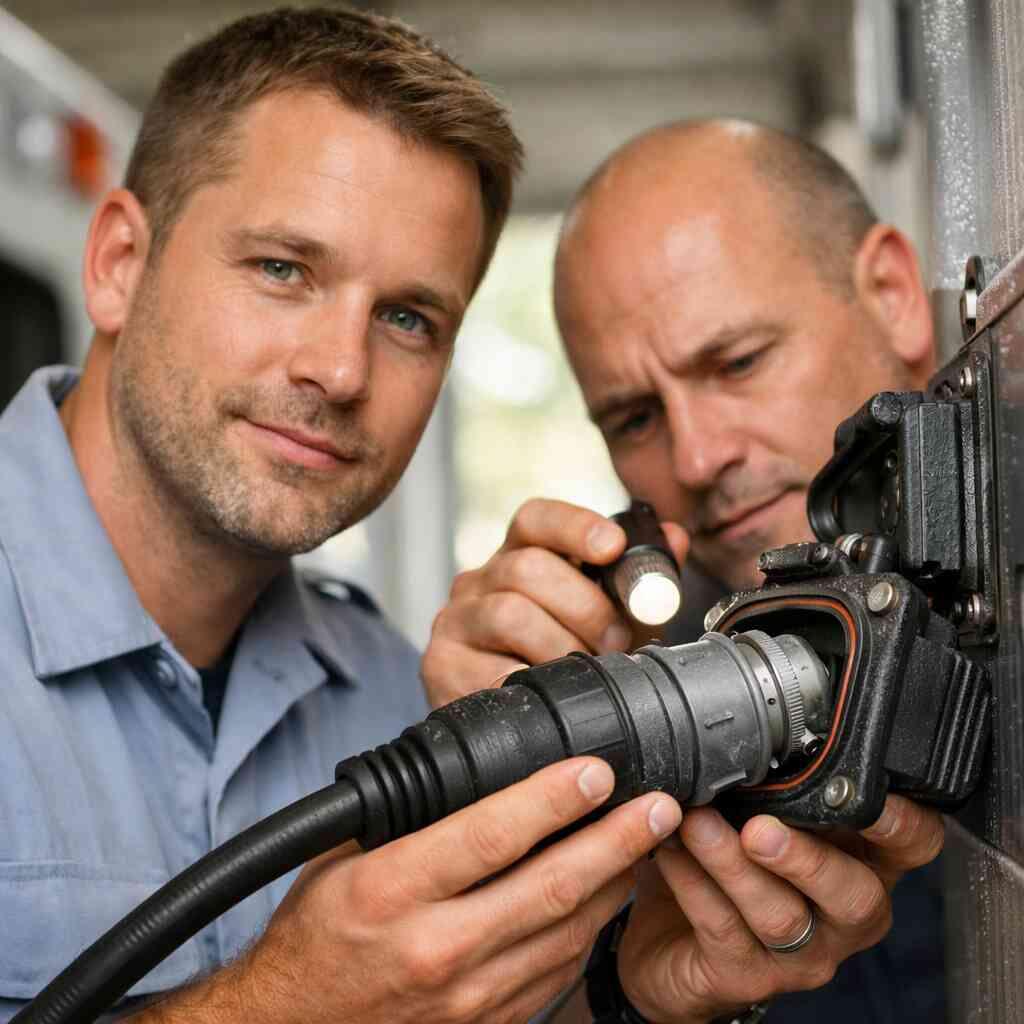
Electrical orders deserve extra caution. Connector mismatch is one of the most preventable causes of delay. Before you buy, confirm the exact connector style, cable length, and termination needs. That means checking the connector and pigtail requirements for fire operations before anyone signs off. It also means reviewing whether you need male pigtail connectors for fire fighting equipment, female pigtails, or electrical extensions for fire truck accessory planning. A short technical review can save days of correction. The best teams compare the old part, the new part, and the installed environment side by side. If there is any doubt, use a documented reference from the apparatus team before ordering. The same rule applies to junctions, receptacles, and accessories for apparatus planning. Small connector errors can derail an otherwise clean order. ### The documents and internal approvals that reduce delays in public safety procurement
Paperwork is not red tape when it prevents rework. It is protection. Procurement files move faster when they include the exact specification, quantity, user department, and approval path from the start. That is especially important in fire department supply chain planning for DeLand teams, where delays can ripple into staffing and apparatus readiness. Clear files also help supervisors defend the purchase later.
If your process is slow, look at the missing document first. Common blockers include:
- No internal requester signature.
- Missing compatibility confirmation.
- Incomplete item description.
- Unclear delivery destination.
- No record of budget authorization.
Those gaps are easy to fix before the order moves. They are harder to fix after someone has already promised a delivery window. If your team wants a practical reference for Q4 fire safety supply planning in DeLand, start by tightening the file, not just the quote.
What a smart end-of-year ordering strategy looks like before the next surge hits
The strongest ordering strategy is calm, not frantic. It starts before inventory feels thin. It accounts for seasonal pressure, delivery variability, and the reality that stations do not pause for purchasing cycles. That is where seasonal inventory forecasting becomes useful. It gives you a better view of what will run short before the shortage becomes visible.
How to time critical restocking around seasonal inventory forecasting and supply continuity
Think in terms of risk, not just quantity. Which items fail most often? Which items stop a process when they are missing? Those are the first candidates for critical equipment restocking. If you build your plan around those items, you strengthen supply continuity for fire operations without creating excess inventory.
A good forecasting rhythm usually includes three checks:
- Review last season’s usage patterns.
- Flag items with repeated downtime or wear.
- Match current stock against upcoming operational demands.
That process supports demand planning for safety gear and reduces last-minute pressure. It also gives you a cleaner view of seasonal inventory forecasting for fire service purchasing. You do not need perfect data. You need consistent data.
Where DeLand Florida fire equipment supplier coordination helps with faster decision making
Fast decisions usually come from early communication. If you wait until the order is urgent, every question feels bigger. If you coordinate earlier, the conversation stays practical. That is where a DeLand Florida fire equipment supplier can help with fit, lead times, and part matching. It is not about pushing a sale. It is about reducing friction.
If you are comparing options, keep the exchange focused on use case and compatibility. Share the apparatus context, the station context, and the internal approval path. That makes supplier coordination more efficient because fewer details get lost. The best coordination feels boring in the best possible way. It produces fewer surprises.
How to evaluate stock levels for essential gear without overbuying or leaving gaps
This is where many teams overcorrect. They either buy too little and risk shortages, or buy too much and tie up budget in parts that sit untouched. The right answer sits in the middle. Start by separating essential gear from convenience gear. Then review minimum quantities for each category. That is the core of stock levels for essential gear management.
A simple comparison helps:
Stock ApproachStrengthRiskToo leanLower carrying costGaps during demand spikesBalancedBetter readiness and budget controlRequires regular reviewToo heavyFewer emergency reordersMoney tied up in slow-moving itemsThat table matters because it clarifies tradeoffs. If your team is serious about operational readiness planning, the goal is not maximum inventory. The goal is usable inventory. Keep the shelf aligned with what the station truly consumes.
The next move after the order is placed so operational readiness stays intact
Placing the order is not the finish line. It is the handoff point. Track delivery, inspect incoming items, and store them in a known location immediately. Then update your inventory sheet so the next shift sees the new status. That keeps DeLand, Florida emergency service readiness planning moving in the right direction.
Here is what almost no online guide mentions: the fastest way to lose readiness is to let new gear sit unassigned after arrival. On a recent station update, the order arrived on time, but the team delayed placement for three days because no one owned the final check-in. That delay made the “ready” gear effectively invisible. Use a named owner, a receiving checklist, and a quick post-arrival review. If you need a final reference point for end-of-year ordering strategy for public safety procurement, make that review part of the process.
You do not have to solve everything today. Start with one station audit, one compatibility review, and one ordering conversation. That is enough to move from uncertainty to control. And if you want equipment built for hard use, keep Fire Power Products on the short list while you verify the exact specs that fit your operation.
Frequently Asked Questions
Question: How can Fire Power Products help with Q4 fire safety supply planning and DeLand fire equipment orders?
Answer: Fire Power Products can help DeLand teams build a more organized Q4 fire safety supply planning process by focusing on the details that reduce delays: exact use case, compatibility, and receiving requirements. That approach supports better DeLand fire equipment orders because it helps procurement teams avoid revisions and keep the process aligned with station needs. Since the company is based in DeLand, Florida, it is a practical option for teams looking for a DeLand Florida fire equipment supplier that understands regional fire safety procurement needs and the pressure of seasonal demand. The best results usually come from verifying the item’s role in the station, confirming any required connectors or accessories, and placing orders before the procurement timeline for fire products becomes compressed.
Question: What should we verify before placing fire suppression equipment procurement orders for apparatus or station use?
Answer: Before placing fire suppression equipment procurement orders, verify the exact application, mounting or storage needs, connector style, and any accessory requirements tied to the apparatus or station setup. This is a key part of mission-ready equipment sourcing and fire apparatus accessory planning because even a small mismatch can delay deployment or force reordering. Fire Power Products is a strong fit for teams that want durable fire safety equipment and reliability-focused fire products, but every order should still be checked against the real operating environment. That means reviewing the station workflow, confirming who will use the item, and making sure the request supports operational readiness planning instead of adding unnecessary inventory.
Question: How does the blog title How to Plan DeLand Fire Power Products Orders for Q4 2026 connect to seasonal inventory forecasting and end-of-year ordering strategy?
Answer: The blog title How to Plan DeLand Fire Power Products Orders for Q4 2026 points to a simple but important idea: plan early, verify carefully, and order around actual usage rather than waiting for a shortage. That is exactly where seasonal inventory forecasting helps. By reviewing prior usage, flagging high-wear items, and checking stock levels for essential gear, teams can build a stronger end-of-year ordering strategy and reduce pressure on the fire department supply chain planning process. Fire Power Products supports that approach by offering equipment intended for high-use fire gear selection and by helping customers think through fit and function before finalizing the order. This keeps critical equipment restocking aligned with supply continuity for fire operations.
Question: What should DeLand teams look for when selecting durable fire safety equipment and hose-down resistant equipment?
Answer: DeLand teams should look for products that match the environment they will actually face: frequent handling, repeated repositioning, storage changes, and routine cleaning. Durable fire safety equipment should be evaluated for practical resilience, while hose-down resistant equipment should be confirmed against the product’s actual specifications rather than assumed. Fire Power Products emphasizes durability and performance for demanding public safety use, but the safest procurement approach is still to verify the item details, compatibility, and intended application before purchase. That is especially important for American-made fire equipment and first responder equipment procurement, where reliability and fit matter as much as appearance or price.
Question: How can we reduce delays in safety equipment lead time management and keep supply continuity for fire operations?
Answer: The best way to reduce delays in safety equipment lead time management is to start earlier than the shortage feels necessary and to document the order correctly the first time. That means using a fire service purchasing checklist, confirming internal approvals, and checking compatibility before the request is submitted. Fire Power Products can support this process by helping buyers focus on the exact mission-ready equipment sourcing details that matter most, which reduces back-and-forth and supports advanced inventory coordination. When teams pair that with demand planning for safety gear and clear stock levels for essential gear, they are much more likely to protect supply continuity for fire operations and keep operational readiness planning intact.