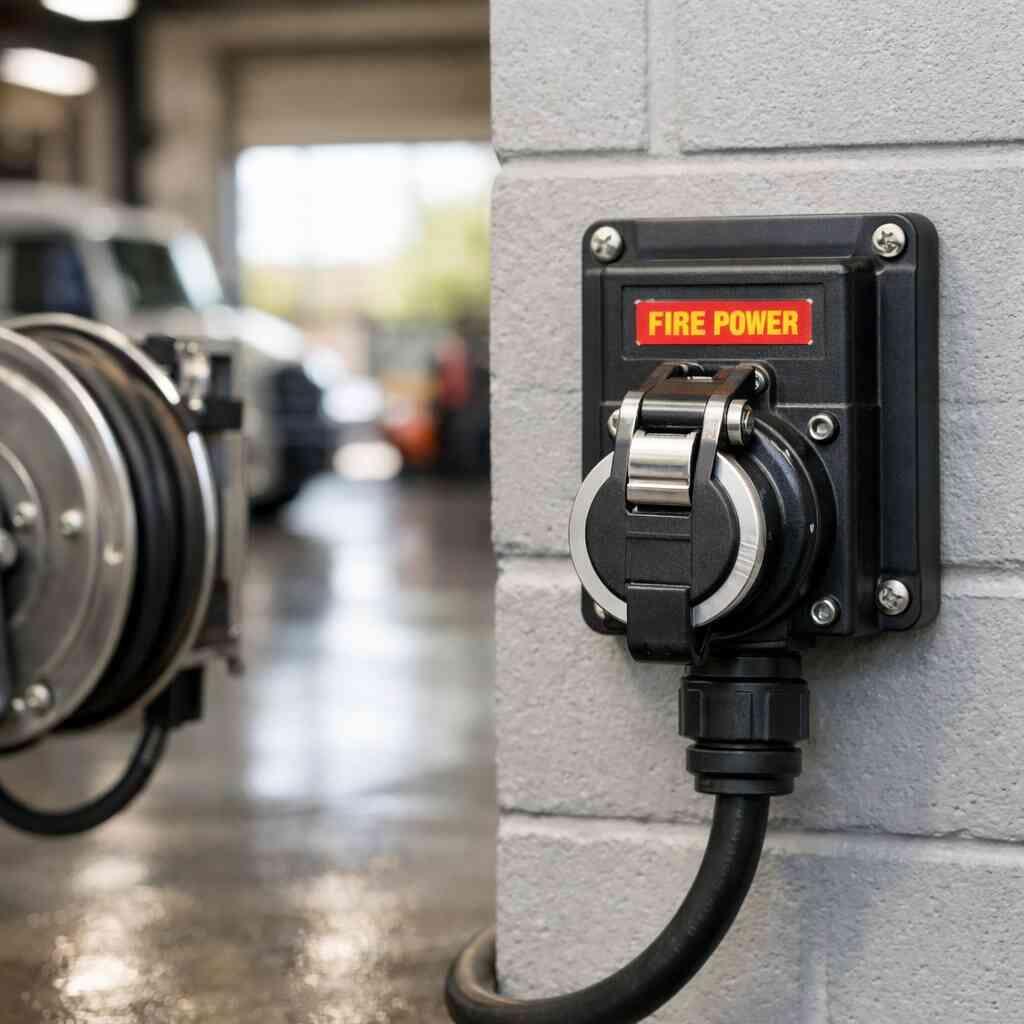
How Do Fire Power Products Handle Salt Air Corrosion
November 25, 2026
Fire Power Products are designed to help equipment stand up to harsh, salt-exposed conditions by using rugged, corrosion-conscious components and sealed electrical connections where durability matters most. They do not make salt air disappear, but they can support better corrosion protection for fire safety equipment in coastal service when combined with sound maintenance.
Key Takeaways
- Salt air corrosion starts before visible rust. Salt-laden air can create conductive residue, accelerate oxidation, and weaken connectors, hardware, and finishes long before you see obvious damage.
- Humidity and outdoor storage make the problem worse. Coastal moisture keeps salt on surfaces longer, which increases environmental wear and tear on fire equipment and wiring.
- Corrosion-resistant materials matter most at connection points. Stainless steel hardware, protective coatings, and sealed interfaces are the first places to look for marine corrosion resistance.
- Maintenance after salt spray exposure is not optional. Fresh-water rinsing, thorough drying, inspection, and documented replacement of compromised parts help preserve equipment longevity in humid coastal climates.
- For departments needing rugged, hose-down-ready electrical components, Fire Power Products are a practical option. Their USA-engineered systems are built for harsh emergency-response conditions and can fit into a broader preventative maintenance plan.
If you are reading this because equipment is already showing haze, pitting, or sticky connectors, that concern is justified. Salt damage is sneaky. It often starts where you cannot see it.
Why salt air attacks fire equipment faster than most crews expect
Salt air attacks fire equipment faster than most crews expect because corrosion starts with residue, moisture, and electricity all working together. You may not see rust at first, but salt deposits can begin breaking down finishes, hardware, and connector reliability long before a part looks damaged. That is why coastal maintenance considerations are so easy to underestimate.
How salt-laden air exposure starts corrosion before visible rust appears
Salt-laden air exposure can leave behind a thin conductive film that attracts moisture and speeds up corrosion. On electrical components, that residue can create leakage paths, contact resistance, and intermittent performance issues. On metal hardware, it can weaken protective finishes and trigger rust in seams, fasteners, and unsealed edges.
Here is the part most crews miss: the damage often begins as performance drift, not a dramatic failure. A plug that seems slightly harder to seat, a receptacle that runs warmer than usual, or a hinge that feels gritty can be the first signs. If you wait for visible orange rust, you are already late.
A recent conversation with a coastal crew went like this: they assumed a washdown routine was enough because the rig looked clean. Under inspection, the issue was not the outer surface. It was salt residue around the hardware and in recessed connection points, where moisture had stayed trapped after repeated exposure.
Why humid coastal climates and outdoor storage create a hidden durability problem
Humid coastal climates make salt air corrosion worse because moisture keeps the salt active longer. Outdoor storage compounds the problem. When equipment sits in open air overnight, the surface never fully dries, so corrosion protection for fire safety equipment has less of a chance to do its job.
That is especially true in coastal service environments where apparatus, portable power systems, and hose-down-ready components may face repeated exposure. Wind pushes salt farther inland than many people expect, and Florida humidity can keep metal surfaces damp long after a storm passes. The result is a hidden durability problem: equipment may look serviceable while the underlying materials are already losing margin.
Exposure factorWhat it doesPractical riskSalt-laden airLeaves conductive residueFaster oxidation and electrical leakageHigh humidityKeeps surfaces wetLonger corrosion contact timeOutdoor storageReduces drying timeMore rust, pitting, and seal wearHose-down cyclesForce water into crevicesTrapped moisture in seams and connectorsFor teams near DeLand, Florida, the challenge is not oceanfront splash alone. It is also the lingering humidity, wet storage bays, and equipment that gets used hard, then put away still damp.
What Fire Power Products are built to endure when the environment turns hostile
Fire Power Products are built around rugged, fireground-focused electrical components that support hose-down resistance and dependable performance in harsh environments. For salt air exposure, the most important features are sealed connection points, corrosion-conscious materials, and hardware choices that reduce the places where moisture can settle and stay.
Where corrosion-resistant materials and protective finishes matter most in coastal fire protection equipment
Corrosion-resistant materials matter most at the places people touch least often: internal hardware, mounting points, junctions, receptacles, and pigtails. Protective finishes also matter because they help slow down the early breakdown that often leads to rust prevention problems in fire equipment. In practice, the goal is not cosmetic longevity. It is keeping the system electrically sound and mechanically secure. For coastal fire protection equipment, the weak points usually show up in a few places: – Exposed fasteners and brackets
- Connector shells and mating surfaces
- Recessed junction areas
- Cable transitions and strain-relief points
- Any surface with scratched or worn coating
Fire Power Products focuses on rugged electrical systems for firefighting use, including waterproof IP68 connectors, pigtails, junctions, receptacles, plugs, and wiring devices. That matters because salt damage often enters where systems connect. A component that resists water intrusion and repeated washdown is doing real work in a marine corrosion resistance scenario.
How stainless steel hardware and sealed connection points influence marine corrosion resistance
Stainless steel hardware corrosion resistance is valuable because hardware often fails before the larger assembly does. Stainless does not make a system immune to salt air corrosion, but it can slow degradation when compared with lower-grade metals in the same exposure pattern. Sealed connection points matter for the same reason: they reduce the amount of salt, mist, and moisture that can reach electrical contacts.
Design elementWhy it mattersWhat to watchStainless steel hardwareSlows surface corrosionCheck for crevice buildup and stainingSealed connection pointsBlocks moisture entryInspect gaskets and mating facesProtective coatingsAdds a barrier against salt sprayLook for chips, scratches, and wearRugged cable transitionsReduces stress at bendsWatch for cracking or loosenessA fire crew in a salt-affected service area once described their routine like this: “The gear still works, but everything takes more effort now.” That is the point. Corrosion rarely announces itself with one dramatic event. It shows up as friction, looseness, and nuisance faults. For electrical systems, that can become a safety issue fast.
For readers comparing options, it can help to review top rugged systems alongside maintenance needs. Fire Power Products are a strong choice if you want rugged USA-engineered components that are built with harsh emergency-response conditions in mind, not just general-duty use.
The maintenance moves that protect equipment after salt spray exposure
The right maintenance after salt spray exposure starts with cleaning, then inspection, then documentation. Do not rely on a quick rinse alone. Salt residue can hide in seams, threads, and connector faces, so first responder equipment maintenance should include drying, close visual checks, and prompt replacement of parts that show pitting, looseness, or compromised seals.
What first responder equipment maintenance should include after coastal duty or hose-downs
After coastal duty or hose-downs, the maintenance process should be deliberate and consistent. A good routine usually includes five steps:
- Rinse with fresh water to remove salt film before it hardens.
- Dry completely with airflow, clean towels, or a controlled drying area.
- Inspect connectors and hardware for staining, white residue, pitting, or looseness.
- Check seals and strain reliefs for cracking, flattening, or gaps.
- Log any abnormalities so the same issue is not missed on the next shift.
This is also where many departments benefit from a written preventative maintenance plan for coastal equipment. If you need a good framework for routine inspections, maintenance checks are easier to standardize than ad hoc judgment calls. The goal is simple: catch salt damage while it is still manageable.
A practical note for DeLand teams and nearby Florida operations: even inland units can be affected if they serve coastal mutual-aid areas or stage equipment near open bays and damp storage spaces. The conditions do not have to be dramatic to be damaging. Humidity does slow down drying, and that alone can turn a minor salt issue into a recurring one.
For departments looking to keep lead times predictable while replacing vulnerable components, reducing lead times often starts with planning spares before equipment is failing. That is especially true for items that are routinely exposed to salt spray, washdowns, and outdoor storage.
If you want a broad look at the category, fire fighting equipment should be evaluated with the environment in mind, not just the spec sheet. Here is the honest takeaway: coastal reliability is not about pretending corrosion never happens. It is about choosing components that are easier to protect, easier to inspect, and harder to knock out of service when the environment turns rough.
For Fire Power Products specifically, that means rugged electrical systems that fit the realities of firefighting, hose-down cleanup, and harsh service conditions. If salt air is part of your operating environment, start by checking your most exposed connectors and hardware this week, then compare what you have against a maintenance plan built for coastal exposure. If you want to talk through that next step, call 369-279-000.
Frequently Asked Questions
Question: How Do Fire Power Products Handle Salt Air Corrosion in coastal service environments?
Answer: Fire Power Products are designed with harsh environment equipment needs in mind, including conditions where salt-laden air exposure, humidity, and outdoor storage can accelerate wear. While no product can eliminate salt air corrosion entirely, rugged construction, sealed connection points, and corrosion-conscious design choices can help support better corrosion protection for fire safety equipment. In practice, that means fewer opportunities for moisture and salt to collect in vulnerable areas, which can improve equipment reliability in coastal regions when paired with consistent first responder equipment maintenance.
Question: What features help Fire Power Products improve marine corrosion resistance and long-term durability in seaside conditions?
Answer: The most important features for marine corrosion resistance are the ones that protect the places where corrosion usually starts: connectors, hardware, mounting points, and cable transitions. Fire Power Products focuses on rugged electrical components, sealed interfaces, and durable hardware choices that are better suited to coastal fire equipment durability needs. Corrosion-resistant materials, protective coatings for coastal exposure, and stainless steel hardware corrosion resistance can all help reduce environmental wear and tear, especially in salt spray exposure and humid coastal climates.
Question: Why is maintenance so important after salt spray exposure or hose-down cleaning?
Answer: Maintenance matters because saltwater environment performance depends on more than the product alone. After salt spray exposure or hose-down cleaning, salt residue can remain in seams, recessed connections, and other hidden areas where it continues to attract moisture. That is why fire equipment cleaning after salt exposure should include fresh-water rinsing, thorough drying, close inspection, and prompt replacement of damaged parts. These corrosion mitigation strategies help preserve rust prevention in fire equipment and support better equipment longevity in humid coastal climates.
Question: What should departments look for when choosing coastal fire protection equipment from Fire Power Products?
Answer: Departments should look for weather-resistant fire products that are built for real-world use in salt-laden air exposure, repeated handling, and frequent cleaning. Key considerations include sealed connection points, corrosion-resistant materials, protective finishes for fire products, and hardware that can better withstand moisture and vibration. It is also smart to consider whether the equipment fits a preventative maintenance plan for coastal equipment, since long-term durability in seaside conditions depends on both product design and routine care. For teams in DeLand, Florida, and other coastal or humid regions, the goal is dependable performance without unrealistic claims of being immune to corrosion.
Question: How can Fire Power Products help reduce fire apparatus corrosion concerns in outdoor storage areas?
Answer: Outdoor storage in coastal areas creates a challenge because equipment may not fully dry before being exposed again to humidity, morning dew, or salt carried on the air. Fire Power Products can help reduce fire apparatus corrosion concerns by offering rugged components that are built to better handle harsh environment equipment demands, including washdown-ready use and frequent exposure. When combined with routine inspections, cleaning after salt exposure, and replacement of worn seals or hardware, these products can support better coastal maintenance considerations and reduce the risk of nuisance failures caused by corrosion.