Ultimate Guide to Fire Power Products for Fall Retrofit Plans
September 28, 2026
Why fall is the moment retrofit gaps start showing up in fire power products
The first cool mornings change more than the weather. They change how equipment behaves under load. If you are reviewing a retrofit project checklist and feeling behind, you are not alone. That uneasy feeling is common this season, because small weaknesses often reveal themselves only after months of hard use. For teams managing fire safety equipment, fall is when those hidden issues become impossible to ignore. It is also the right time to focus on fall retrofit planning before the next operational demand arrives.
The seasonal shift that exposes worn connectors, junctions, and receptacles
Heat, humidity, vibration, and constant movement slowly wear on electrical interfaces. Then fall arrives, and the system starts seeing different cycles, different schedules, and more inspection pressure. On the projects we’ve completed this year, the parts that showed wear first were rarely the obvious ones. It was usually a connector with subtle corrosion, a junction that no longer seated cleanly, or a receptacle that had lost its snug feel. Those are the kinds of problems that make retrofit fire protection feel more urgent than planned.
One crew in a municipal bay told us they only noticed trouble after a routine test cycle. The issue was not dramatic. It was a loose-fit connection that worked fine until vibration and repeated handling made it unpredictable. That is the frustrating part. The equipment can look serviceable and still be one long hose-down away from failure. This is exactly why seasonal safety inspections matter more than a quick visual check. They catch the quiet problems before they interrupt operational readiness upgrades.
Where high-use fire equipment usually fails first in demanding environments
The first failures usually happen at the touchpoints. Repeated plugging, unplugging, flexing, and cleaning create stress at the same places every time. In high-use fire equipment, those stress points are often the connectors, cable terminations, and accessory interfaces that support the rest of the system. You may notice intermittent power, surface wear, or a part that no longer stays aligned. Those symptoms are easy to dismiss until they become a service call. Then the downtime feels bigger than the part ever did.
Here is the part most people miss. Rugged safety products are not just about surviving abuse; they are about staying dependable through ordinary wear. That distinction matters. A component can be durable in theory and still become a weak link in practice if the surrounding system is mismatched. That is why maintenance-friendly fire products deserve as much attention as replacement parts. Good retrofit thinking protects the whole chain, not just the most visible piece of demanding environment equipment.
What code-aware fire safety planning should catch before the next operational demand
Code-aware fire safety planning starts with asking whether the system still fits the job. That sounds simple, but it rarely is. A retrofit can introduce strain if cable routing, access points, or protective hardware no longer match the way the apparatus is used. In Florida, where heat, moisture, and frequent washdowns are normal realities, those details matter even more. You do not need to guess at every answer. You do need a disciplined checklist that treats public safety equipment like the mission-critical system it is.
A useful retrofit review asks three questions. First, what has visibly aged? Second, what has silently drifted out of tolerance? Third, what would fail first under the next heavy demand? That approach supports facility fire safety upgrades without overcommitting to unnecessary replacement. It also gives you a clear path toward trusted fire protection products that are fit for current conditions. If you are comparing options now, you can start with fire power products for seasonal safety inspections and fall retrofit planning. That kind of planning is the difference between reacting late and making a controlled, confident move.
What to inspect before you replace anything in a retrofit project checklist
Most people want to replace parts quickly once a retrofit starts. That instinct is understandable, especially if the system has already caused headaches. Still, the smartest teams slow down long enough to sort what needs service from what needs replacement. That step protects budget, avoids unnecessary downtime, and keeps the retrofit grounded in reality. A strong retrofit project checklist is less about buying more and more about buying correctly. For equipment replacement planning, that distinction is everything.
How to sort maintenance-friendly fire products from parts that actually need replacement
Start by separating wear from failure. Wear is gradual and often manageable. Failure usually shows up as inconsistency, looseness, heat damage, or a part that no longer performs its function under normal use. A connector with cosmetic scuffs may still be fine. A connector with damaged sealing, unstable engagement, or recurring fault behavior is a different story. That is where performance-driven fire equipment thinking helps you avoid replacing a serviceable component too early.
Use a simple triage method:
- Inspect for sealing damage, corrosion, or deformation.
- Test for stable engagement and repeatable operation.
- Trace any recurring fault to the root cause.
- Replace only when the part no longer meets the mission.
A field tech once told us, after a washdown test, that the part looked fine until it was moved under load. That is a familiar story. Fire service durability is not proven by appearance alone. It is proven by repeated use, pressure, motion, and cleaning. When the goal is industrial fire safety solutions, disciplined inspection beats guesswork every time.
When IP68 female pigtails, male pigtails, and male female extensions belong in the same plan
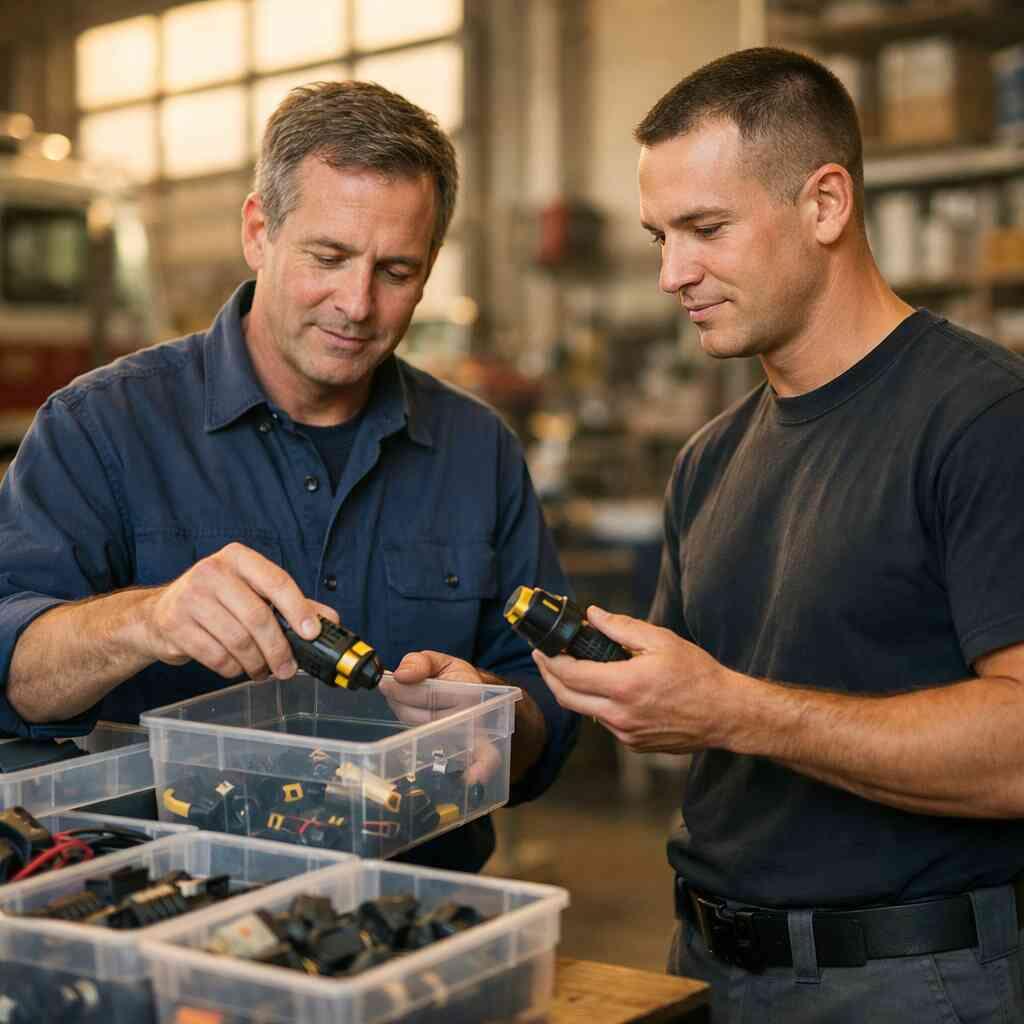
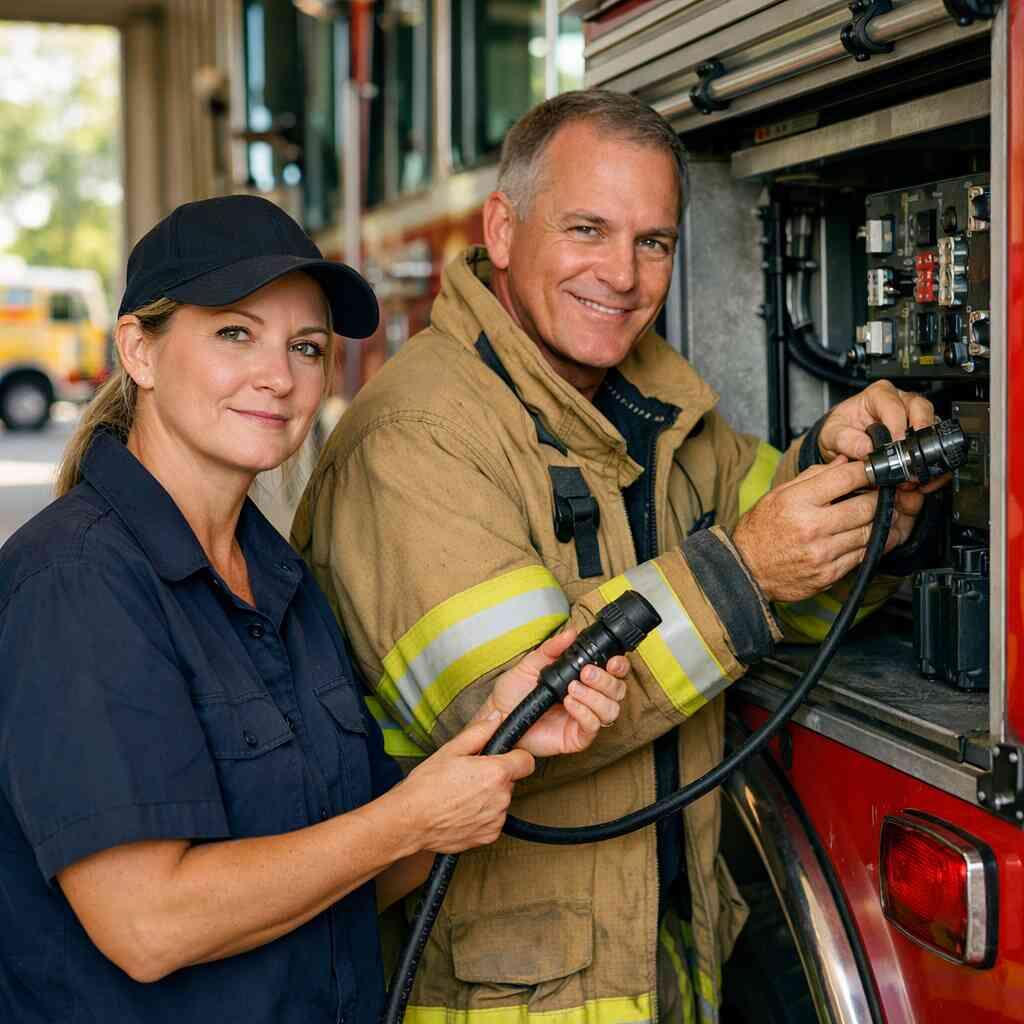
Some retrofits need a family approach, not a single-part swap. That is especially true when connectors, service loops, and extension paths must work together. IP68 female pigtails, male pigtails, and male female extensions belong in the same plan when the system needs sealed, organized, and accessible routing across multiple touchpoints. In those cases, the retrofit is not just repair. It is a layout decision. That is the kind of thinking that supports reliable fire apparatus accessories over the long haul.
Component typeBest use casePlanning valueFemale pigtailAnchoring a secure connection pointHelps maintain consistent interface placementMale pigtailLinking equipment-side connectionsSupports cleaner replacement planningMale female extensionBridging distance or rerouting pathsAdds flexibility during retrofit redesignA compact plan like this can prevent the common mistake of solving one connection and creating another problem elsewhere. That is why IP68 female pigtails for high-use fire equipment and demanding environment equipment often make sense alongside matched male-side components. When you are building for heavy-duty safety equipment, the whole connection strategy matters more than any single item.
The hidden compatibility questions that protect fire apparatus accessories from becoming a weak link
Compatibility sounds basic, but it is where many retrofits go sideways. You need to check connector fit, cable length, mounting space, strain relief, and service access before ordering. Then you need to ask how the accessory behaves during movement, vibration, and cleaning. That is especially important with fire apparatus accessories, because a part that seems compatible on paper can become awkward in the field. A weak link often starts as a planning oversight.
Here is what almost no online guide mentions. Compatibility is not only electrical. It is also physical and operational. Can the part be reached without disassembly? Will the connection still be secure after repeated hose-downs? Does the routing leave enough slack for maintenance without creating a snag point? Those are the questions that protect American-made fire equipment from becoming frustrating equipment. If you want a deeper planning reference, What Is the Best Way to Spec Fire Truck Cabling in 2026 is worth reviewing before you commit.
Why hose-down resistant equipment matters during facility fire safety upgrades
Washdown exposure is not a side issue. It is central to the life of the system. Hose-down resistant equipment matters because cleaning is part of real-world readiness, not an optional extra. If a component cannot handle frequent washdowns, then the system is already carrying hidden risk. That risk shows up later as nuisance failures, corrosion, or inconsistent performance after routine cleaning. In facility fire safety upgrades, that is an avoidable problem.
We hear this from clients almost every week. They want equipment that stays dependable after cleaning, not just before it. That is why how fire power products improve hose down reliability in 2026 remains a practical planning question, not just a marketing phrase. A durable retrofit should fit the building, the vehicle, and the maintenance rhythm. If you need to validate the next step, fire power products for retrofit fire protection and facility fire safety upgrades is a sensible place to compare options without rushing the decision.
The forward plan that turns retrofits into operational readiness upgrades
A retrofit should do more than restore function. It should make the next service interval easier, the next inspection cleaner, and the next response less stressful. That is the real value of operational readiness upgrades. They reduce friction for the people who actually rely on the system. If you are managing emergency preparedness planning at the same time, this is where the retrofit becomes strategic instead of reactive.
How to map replacement priorities across fire safety equipment without overbuying
The fastest way to overspend is to replace everything that looks old. The smartest way is to rank items by mission impact, failure likelihood, and service difficulty. Start with the parts that create the most risk if they fail. Then move to the parts that are hardest to access later. That sequence helps you protect budget while improving real reliability. It also keeps fire safety equipment decisions grounded in actual use.
A practical prioritization order looks like this:
- Mission-critical parts with visible wear.
- Components that fail often under vibration or cleaning.
- Accessory points that are hard to reach after installation.
- Noncritical items with cosmetic aging only.
That method supports equipment replacement planning without unnecessary scope creep. It also aligns with safety gear lifecycle management, because it treats every part according to service reality. If you are comparing broader product families, Top 5 Fire Power Products for DeLand Fall Fleet Audits can help frame the decision before you order.
Where to place junctions receptacles and accessories for cleaner service access later
Placement is where good retrofits become great ones. If you bury a junction or crowd an accessory behind other hardware, you make the next inspection harder than it needs to be. Good placement allows fast access, simple replacement, and less chance of collateral damage during maintenance. That principle matters for junctions, receptacles, and accessories, especially where repeated service is expected. The goal is to keep the system readable for the next technician.
One shop in the region had a recurring problem with an otherwise solid install. Every service visit required moving two other components just to reach one connection. That added time, risk, and frustration. After a layout change, the maintenance interval became quicker and cleaner. That is the practical payoff of junctions, receptacles, and accessories for fire protection system retrofits. Better access is not cosmetic. It is part of the system’s durability.
What a durable fire gear refresh should accomplish for public safety equipment and emergency preparedness planning
A durable refresh should leave you with fewer unknowns. It should simplify maintenance, reduce failure points, and make your system easier to inspect under pressure. That is the real measure of durable fire gear. It should also support the people who depend on it during long shifts, variable weather, and emergency calls. In other words, the refresh should make the equipment easier to trust.
Here is the outcome you want:
- Faster access for routine service.
- Fewer ambiguous connection points.
- Better resistance to washdown and vibration.
- Clearer part standardization across the system.
- More confidence during inspections and dispatch readiness.
That is how public safety equipment moves from patched together to purposefully ready. It also supports fire engine cabling and electrical connector maintenance for fire service durability by reducing avoidable strain on the system. If you are still deciding what belongs in the next phase, take one careful step and contact Duraline Fire Power Products in DeLand, Florida for retrofit project checklist support. You do not have to figure it all out today. Start with one call, one checklist, and one clear priority.
Frequently Asked Questions
Question: What should I look for first during fall retrofit planning for fire power products and fire safety equipment?
Answer: Start with the components that show the most wear or create the biggest risk if they fail. In most retrofit project checklist reviews, that means inspecting connectors, junctions, receptacles, cable routing, and any points that see frequent vibration, cleaning, or repeated handling. The goal is to identify whether you are dealing with normal wear or a part that no longer supports reliable service. Fire Power Products focuses on durable fire gear and maintenance-friendly fire products that are designed for demanding environment equipment, so the first step is always a careful inspection before replacement. A disciplined seasonal safety inspection helps you avoid overbuying, reduces downtime, and keeps retrofit fire protection decisions tied to actual field conditions in DeLand, Florida, and similar demanding settings.
Question: How does the blog Ultimate Guide to Fire Power Products for Fall Retrofit Plans help with equipment replacement planning?
Answer: The guide is meant to help teams think through equipment replacement planning in a structured way instead of replacing parts just because they look old. It explains how to sort maintenance-friendly fire products from components that are actually failing, how to prioritize mission-critical items, and how to make code-aware fire safety planning part of the process. That approach is especially useful for public safety equipment and emergency response equipment, where a small connection issue can become a bigger operational problem later. Fire Power Products supports this kind of planning by offering trusted fire protection products that are meant to fit into a practical retrofit strategy, not just a one-time repair. The result is a better balance of reliability, budget, and operational readiness upgrades.
Question: When should I consider IP68 female pigtails, male pigtails, and male female extensions for fire protection system retrofits?
Answer: Those parts make sense when your retrofit needs a complete connection strategy rather than a single replacement. IP68 female pigtails, male pigtails, and male female extensions are often useful when you need sealed routing, flexible spacing, or cleaner access for maintenance. In fire protection system retrofits, the right mix of connectors can help reduce strain on high-use fire equipment and improve long-term serviceability. Fire Power Products can be a strong fit when the goal is reliable fire apparatus accessories and heavy-duty safety equipment planning, because the focus is on building a layout that supports both function and maintenance access. Before ordering, it is important to confirm physical fit, cable length, access needs, and how the parts will behave during washdown and vibration.
Question: Why does hose-down resistant equipment matter so much for facility fire safety upgrades?
Answer: Hose-down resistant equipment matters because cleaning is part of real-world fire service durability. If a component cannot handle frequent washdowns, then it can become a weak point even when it appears fine on the surface. In facility fire safety upgrades, that matters because moisture, corrosion, and repeated cleaning can create hidden failure risks over time. Fire Power Products is positioned around rugged safety products and American-made fire equipment concepts that support demanding environment equipment use, but every retrofit should still be matched to the actual application. The right choice helps protect performance after cleaning, supports emergency preparedness planning, and reduces the chance of nuisance failures later. That is why hose-down resistance should be treated as a core requirement, not an optional feature.
Question: How do I know if Fire Power Products is a good fit for operational readiness upgrades and emergency preparedness planning?
Answer: Fire Power Products is a strong fit when you need dependable fire safety equipment planning that emphasizes durability, service access, and real-world use. Based in DeLand, Florida, the company’s focus is on fire power products that are intended for demanding conditions, including high-use environments and routine maintenance needs. For teams working on operational readiness upgrades, the value is in choosing parts that support long-term reliability, maintenance-friendly fire products, and clear retrofit planning. The best approach is to review your system needs first, then match the product family to the job rather than forcing a one-size-fits-all answer. If you are building a retrofit project checklist, want to improve fire service durability, or need help thinking through public safety equipment and safety gear lifecycle management, Fire Power Products can be a practical starting point for the conversation.