Why Fire Power Products Cut DeLand Downtime in 2026
August 19, 2026
Why do small connector failures turn into major DeLand downtime?
A single loose connector can stall an entire apparatus. That sounds dramatic until you have seen it happen during a busy shift in DeLand. The alarm sounds, the crew moves fast, and one fragile link refuses to cooperate. If you are reading this because downtime is already costing you sleep, that frustration is real. It is also fixable with better equipment choices.
The hidden cost of one weak link in fire safety equipment
Most people notice the big failures first. A pump issue gets attention. A dead light gets logged. A failed connector, though, can hide behind those louder problems and quietly slow everything else. In fire safety equipment, one weak link can affect signaling, power continuity, and field readiness all at once. That is why Fire Power Products in DeLand deserves a close look when you are trying to cut avoidable interruptions.
Here is the part most teams miss: downtime rarely starts with a dramatic breakdown. It starts with small delays, repeated resets, and extra checks that eat minutes. Over a week, those minutes become missed readiness windows and added labor. On a fire station schedule, that is not a small inconvenience. It is operational drag.
We hear this from crews that maintain high-use apparatus bays. A connector works on Monday, acts finicky on Wednesday, and fails after a wash on Friday. Nobody calls that a disaster at first. Then the same piece fails again under pressure, and now you have a serviceability problem. That is why mission-critical fire equipment needs resilience before it ever reaches the field.
How moisture, heat, vibration, and hose-down conditions expose fragile gear
DeLand brings its own stress profile. Heat builds quickly. Afternoon storms roll through. Equipment gets used, cleaned, and used again. Add road vibration, vibration from the apparatus itself, and repeated hose-downs, and fragile gear starts showing its weaknesses fast. Moisture intrusion is especially hard on electrical connectors and related components.
One crew we spoke with had a recurring issue after washdowns. The unit passed visual checks, but a connection would intermittently fail once the apparatus returned to service. They could not trace it to a dramatic event. It was just cumulative exposure. That is the trap. Harsh-condition fire equipment often looks fine until the exact moment you need it most.
The problem is not always the environment alone. It is the combination. Heat softens marginal materials. Vibration loosens poor fits. Moisture finds the path a technician never wants to see. Hose-down resistant equipment matters because fire stations do not have gentle routines. They have real work, real cleaning cycles, and real urgency. Durability-focused fire safety products should be judged against all three.
Why mission-critical fire equipment needs resilience before it ever reaches the field
Mission-critical fire equipment should not be treated like general-purpose hardware. That is a mistake. If a component is going into an emergency response path, it should tolerate abuse, not merely survive a shelf test. The standard is different because the consequences are different. Reliability is not a luxury in this setting. It is the job.
The best time to think about failure is before deployment. That means looking beyond price and asking tougher questions. How often will the apparatus be washed? How much vibration will the route create? What happens when moisture hits the connection point after a long shift? Those questions lead to better decisions, and better decisions reduce rework later. That is how you build fire equipment downtime reduction into the system instead of chasing it after the fact.
On the projects we have seen this year, the crews that plan ahead usually spend less time reacting. They look at connectors, junctions, cable paths, and exposure points together. They do not treat each part as isolated. They understand the whole chain. That mindset is what separates temporary fixes from real fire safety operational continuity.
What Fire Power Products bring to DeLand crews that generic equipment often misses
Generic gear can look acceptable on paper. The trouble starts in the field. A standard part may fit, but fit is not the same as resilience. Fire crews need components that support long service intervals, steady performance, and fewer surprise failures. That is where Fire Power Products DeLand teams can see the difference. The right parts can support reliable fire gear for responders without adding unnecessary maintenance overhead.
How Duraline engineered Fire Power products for demanding first responder use
Duraline’s Fire Power products are positioned for demanding first responder conditions. The brand states that these products are engineered in the USA and designed for tough, high-use environments. We can speak to the intent of that design, not to unverified claims beyond it. Still, the practical takeaway is clear: equipment meant for response work should be built with abuse in mind, not only ideal conditions. That distinction matters in every apparatus bay.
A DeLand crew member once described a common headache this way: the part itself was inexpensive, but every failure pulled two people off task. One to diagnose it. One to swap it. Then the bay was behind again. That is why American-engineered fire products can matter beyond the label. They can support a more predictable maintenance rhythm, which often matters more than a bargain price.
There is also a trust factor. First responders do not want surprises from the hardware they depend on. They need components that behave consistently through heat, washing, and motion. That is where strong design intent earns its keep, not in slogans, but in fewer interruptions.
Why IP68 connector protection matters when equipment must keep working under abuse
You will see IP ratings mentioned often, but they are easy to wave around loosely. For fire departments, the useful question is simpler. What level of protection helps equipment keep working when conditions are rough? The IP68 rating indicates a high level of ingress protection, but it should still be understood in the context of the specific product and its intended use. Never assume a rating alone solves every field problem.
For crews facing washdown exposure and weather changes, connector sealing matters. Moisture is relentless. Dust and debris are relentless too. Once they enter a vulnerable point, they can create intermittent faults that are hard to diagnose. That is why teams looking for first responder equipment resilience often pay close attention to connector protection first. It is not glamorous, but it is practical.
Here is a simple way to think about it:
- Better ingress protection can reduce exposure to moisture and contaminants.
- Better sealing can help preserve field reliability after cleaning.
- Better connector integrity can support faster return to service.
- Better fit can reduce the kind of rattling that turns into wear.
That is the logic behind selecting rugged fire safety solutions instead of generic substitutes. The gear has to earn its place in the apparatus, not just its spot in the catalog.
Where durable fire apparatus components can reduce avoidable maintenance cycles
Maintenance is not always the enemy. Unplanned maintenance is. If you can stretch intervals, reduce nuisance calls, and avoid repeat troubleshooting, you free up trained people for work that actually matters. Durable components help make that possible. They do not remove maintenance, but they can reduce how often the same issue returns. That is the real value.
Think about connector-related maintenance in a high-use station. A poor component may look fine during inspection and then fail after a short drive or rinse. That creates a cycle of testing, swapping, and logging. Multiply that by several apparatus or support vehicles, and the burden becomes obvious. Durable fire apparatus components help break that loop before it becomes routine.
The biggest mistake we see is assuming all replacements are equal. They are not. A part that survives one week is not the same as a part that survives repeated exposure cycles. If your goal is equipment reliability for fire departments, then you want components that hold up when the work gets repetitive. That is where low-maintenance fire gear becomes a practical strategy, not a marketing phrase.
The reliability chain that keeps fire equipment ready when response time matters
Response time is only part of readiness. The hidden part is continuity. Every connector, extension, receptacle, and junction has to work together. If one piece weakens, the chain suffers. This is why mission-critical fire equipment should be evaluated as a system. Fire departments do not need isolated parts that look strong. They need a reliability chain that stays intact under pressure.
How Fire Power IP68 female electrical connector pigtails support stable field connections
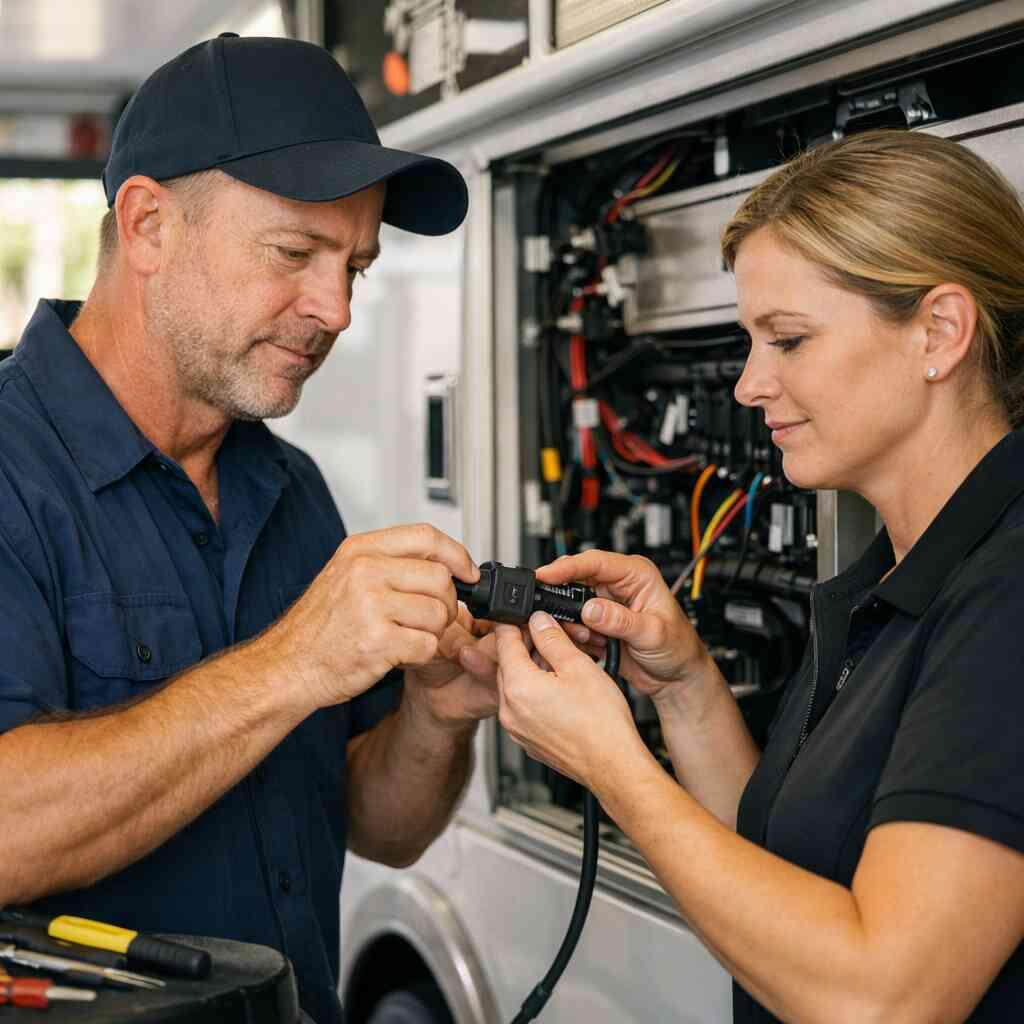
A stable field connection starts with the right connector choice. Fire Power IP68 female electrical connector pigtails are designed as part of a broader reliability approach. We are careful here: the exact performance will depend on the full installation and use case. Still, the idea is straightforward. A stronger connection point can help reduce intermittent power losses and fit issues that disrupt operations.
For crews dealing with high-use fire equipment durability challenges, consistency matters more than novelty. You want a connection that feels secure, routes cleanly, and stands up to repeated handling. You also want fewer reasons to reopen the same panel or harness. That means less labor and fewer service interruptions. In a busy station, that is a meaningful gain.
One DeLand technician told us they used to treat connector checks like a routine annoyance. After switching to a more robust setup, the annoyance became a quick inspection instead of a recurring repair. That sounds small. It is not. Small wins like that add up to meaningful emergency readiness equipment performance over time.
Why male pigtails and male-female electrical extensions help preserve operational continuity
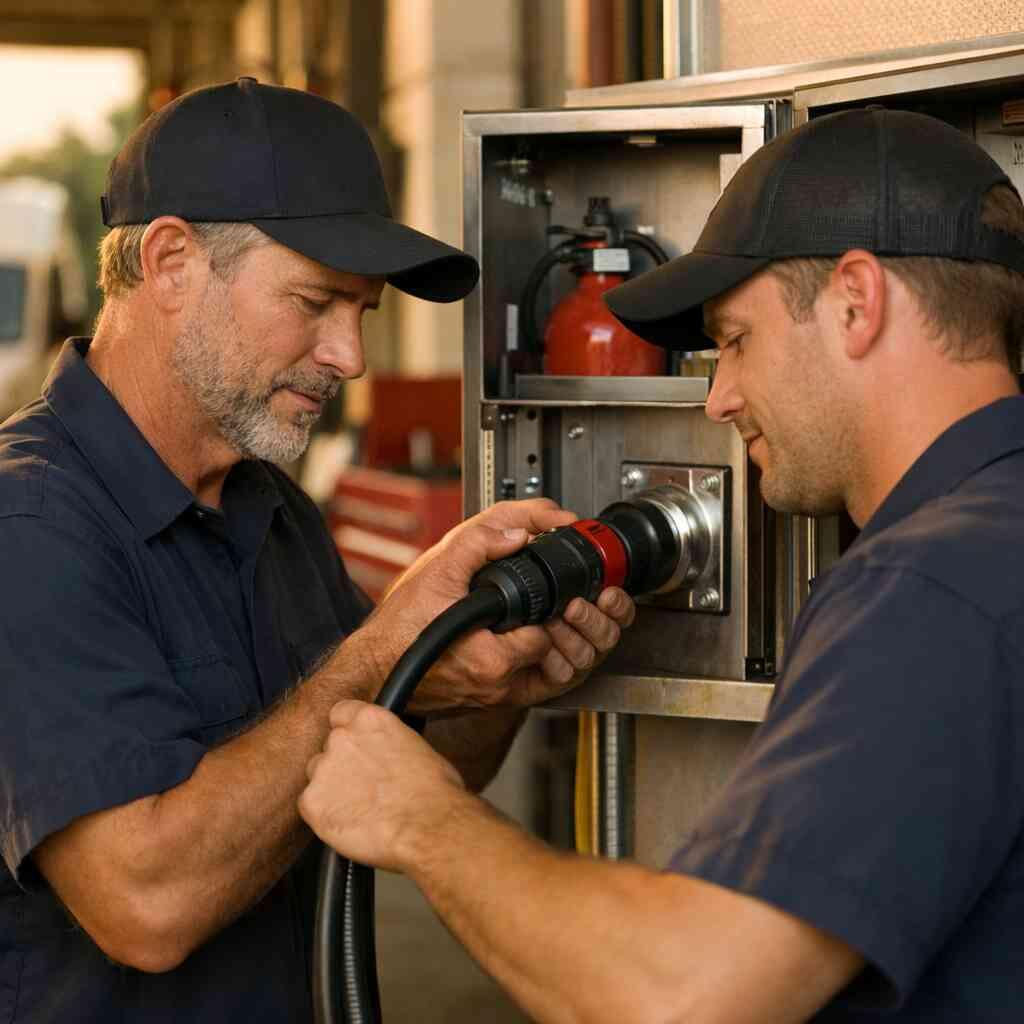
Male pigtails and extensions matter because they keep the system adaptable. If you have ever worked around apparatus modifications, you know how important clean routing and correct fit can be. Fire Power IP68 male pigtails for fire fighting equipment and Fire Power IP68 male-female electrical extensions for fire equipment fit into that broader continuity mindset. They help teams preserve function while keeping the installation organized.
This matters for DeLand emergency response support because the station schedule never slows down for a cable issue. If a route is awkward, a connector is under strain, or a harness is too short, you end up revisiting the job. That creates avoidable downtime. Better matching parts to the apparatus layout can reduce that risk. It can also simplify future service, which is often overlooked until the first problem appears.
A good retrofit should make the next task easier. That is a simple test. If your added components create more clutter or more strain, they are working against you. If they support cleaner continuity, you are moving in the right direction. That is what dependable gear for fire professionals should do.
How junctions receptacles and accessories fit into a lower-maintenance fire safety setup
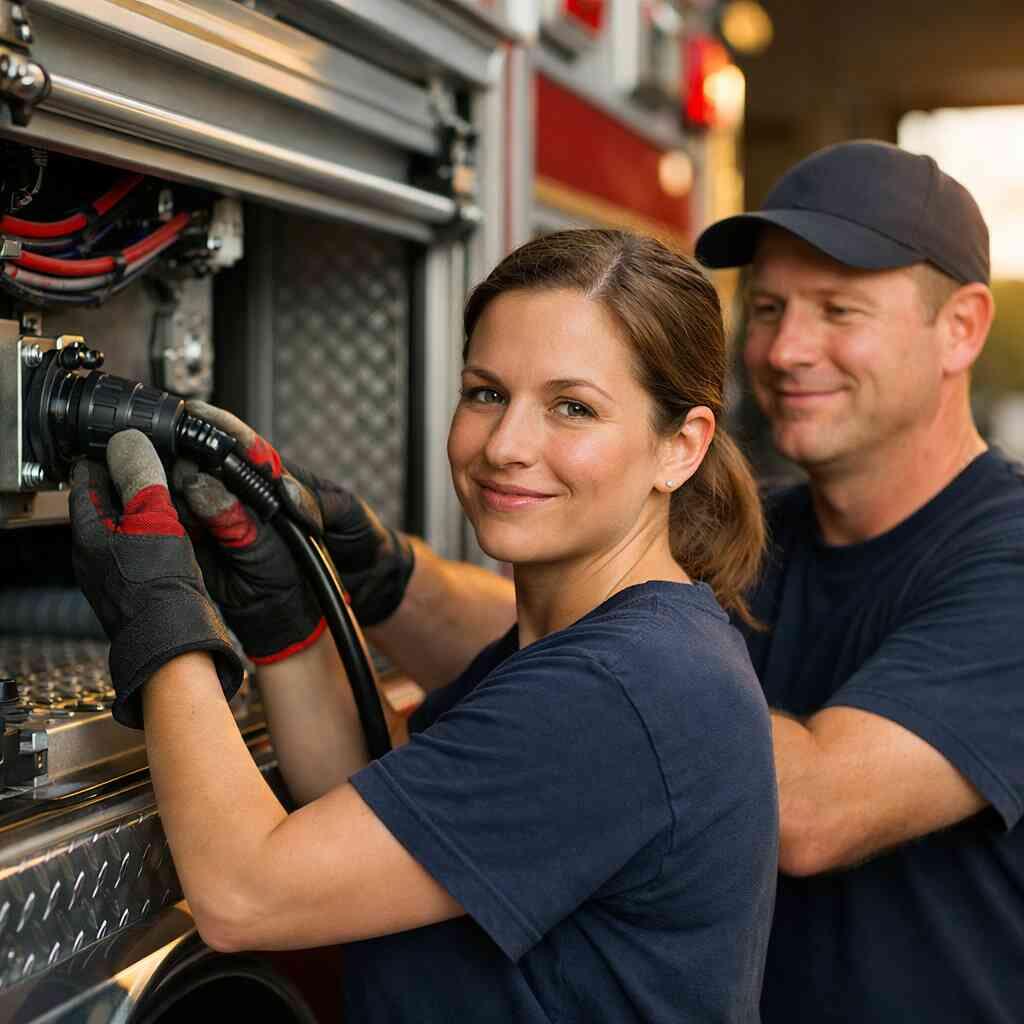
Connectors do not stand alone. Junctions, receptacles, and accessories complete the picture. Fire fighting electrical junctions, receptacles, and accessories belong in the conversation because they affect serviceability and routing as much as the primary cable does. If the supporting parts are weak, the whole installation becomes harder to trust.
This is where industrial-grade fire safety equipment earns its reputation. You need components that can tolerate real station routines, not just static display conditions. If a receptacle is awkwardly placed or an accessory choice invites strain, the system will show it later. That is why layout matters. A clean, lower-maintenance setup reduces the chances of repeat issues and supports fire service equipment longevity.
A quick comparison helps:
Setup approachWhat you gainWhat you riskGeneric mixed-fit partsLower upfront costMore troubleshooting and repeat servicePurpose-built component chainBetter continuity and cleaner maintenanceHigher attention to compatibility upfrontThat upfront attention is the price of fewer interruptions later. For many DeLand crews, that tradeoff makes sense.
What smarter DeLand teams look at before they choose their next fire power gear upgrade
Smart buyers do not start with a catalog. They start with failure points. They ask where the system is weakest, where crews spend the most time troubleshooting, and where washdown or vibration creates recurring trouble. That approach saves time. It also leads to better buying decisions. If you want DeLand Florida fire equipment that holds up, begin with the weak links.
Which failure points to audit before replacing equipment across the apparatus bay
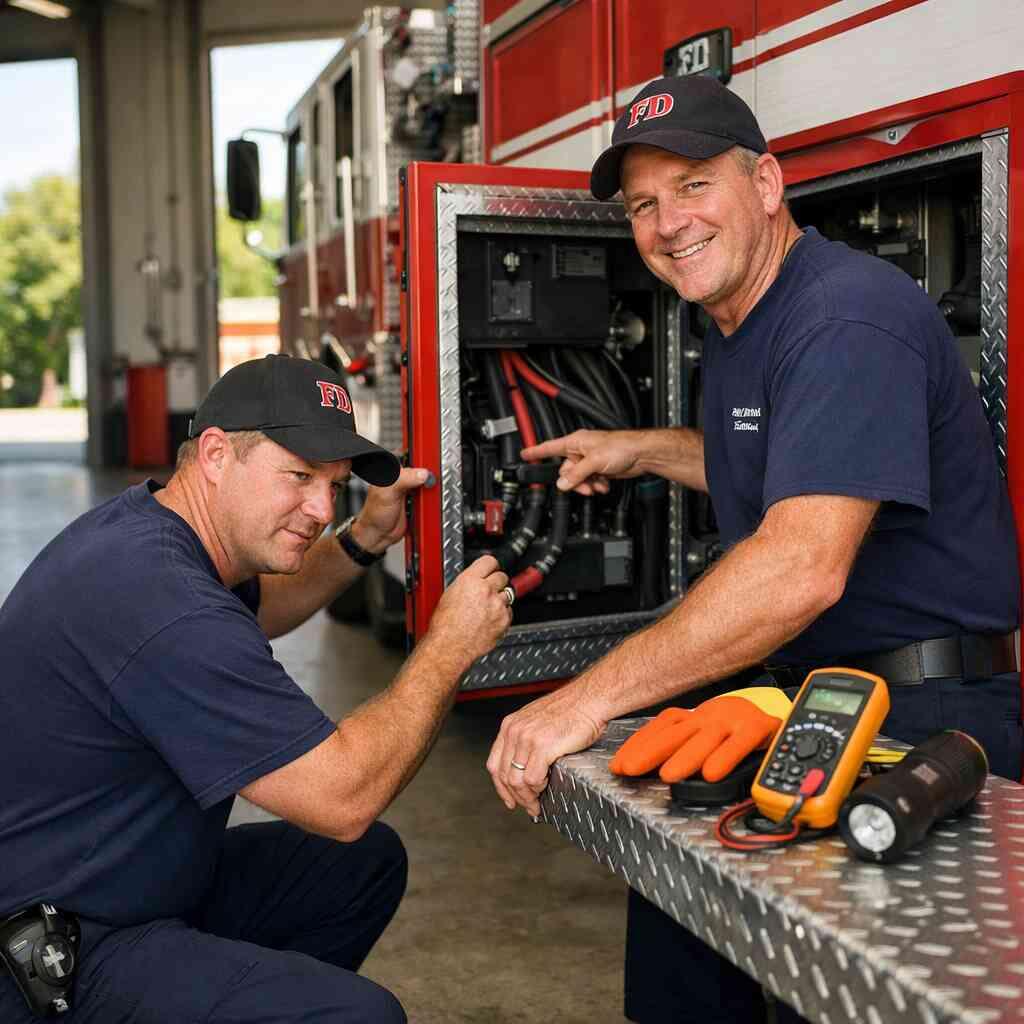
Before you replace anything, audit the trouble spots. Look at connector wear, cable strain, moisture exposure, and access during cleaning. Check where hands naturally tug on a part during daily use. Then ask how often that point has already cost time. That is the most honest way to prioritize upgrades.
The mistake we see most often is upgrading based on the loudest complaint. That can leave the quieter failure points untouched. Instead, map the full chain:
- Entry points exposed to washdown
- Cable routes that flex during movement
- Connection points near heat or vibration
- Parts that require repeated reseating
- Areas that are hard to inspect quickly
This kind of audit supports emergency operations support because it directs resources where they will matter most. It also helps teams minimize equipment downtime without overbuying. The goal is not replacing everything. The goal is replacing the parts that keep interrupting the job.
How to match rugged fire safety solutions to high-use station routines and response demands
Different stations create different wear patterns. Some crews wash down more often. Some travel rougher routes. Some handle more frequent deployments. Your component choices should reflect those realities. That is why matching rugged parts to actual routines matters so much. Harsh-condition fire equipment should be selected for the stress it will truly see.
What we have seen in 2026 specifically is a stronger focus on practical resilience. Teams are less interested in flashy features and more interested in equipment performance under abuse. That is a healthy shift. It means people are asking better questions about material selection, installation quality, and maintenance burden. They are also looking for trusted fire power gear that fits the rhythm of the station.
If you want a simple decision rule, use this:
- List the tasks that create the most wear.
- Identify the components that fail after those tasks.
- Choose parts that are designed for repeated exposure.
- Recheck the setup after field use, not just after installation.
That process is not complicated. It is disciplined. And discipline is what protects rapid deployment readiness when the call comes in.
What confidence looks like when American-engineered fire products support forward motion instead of interruptions
Confidence does not mean never checking equipment. It means checking less often for the same problem. It means fewer surprise faults, cleaner handoffs, and less time pulled from the day for the same repair. When American-engineered fire products are selected well, they can support that kind of forward motion. That is especially valuable in a place like DeLand, where weather, cleaning cycles, and deployment demands all stack up.
The best equipment conversations sound practical. They focus on continuity, not hype. They ask how a part behaves after repeated use. They ask whether it simplifies maintenance. They ask whether the setup helps crews stay ready. Those are the right questions for dependable fire protection tools and resilient emergency response equipment alike. If a product supports the work without creating drama, it is doing its job.
You do not have to figure this out alone, and you do not have to solve it all today. Start with one bay audit, one connector review, and one conversation with a supplier who understands DeLand fire safety equipment demands. If you want a practical next step, compare your highest-wear connection points against Fire Power options and document what you find. Then take the weakest link off the list first.
Frequently Asked Questions
Question: In Why Fire Power Products Cut DeLand Downtime in 2026, how do Fire Power Products help reduce fire equipment downtime in DeLand?
Answer: Fire Power Products support fire equipment downtime reduction by focusing on the connection points and support components that often create unexpected interruptions. In demanding DeLand fire safety equipment environments, even a small connector issue can slow inspections, delay returns to service, and create repeated troubleshooting. Fire Power products are designed for mission-critical fire equipment use, so crews can better maintain fire safety operational continuity and minimize equipment downtime. The practical value is not flashy performance claims, but fewer weak links in high-use systems and a more dependable maintenance cycle for equipment reliability for fire departments.
Question: What makes Fire Power Products a good fit for hose-down resistant equipment and harsh-condition fire equipment in DeLand, Florida?
Answer: Fire Power Products are a strong fit for hose-down resistant equipment needs because they are intended for tough first responder environments where moisture, heat, vibration, and repeated cleaning are part of the job. In DeLand, Florida, those conditions can expose fragile gear quickly, especially in apparatus bays and high-use response setups. While every installation should be reviewed for its specific use case, the overall approach behind Fire Power Products is aligned with durable fire apparatus components and first responder equipment resilience. That makes them a practical option for teams seeking rugged fire safety solutions that can better support daily operations without adding avoidable maintenance burden.
Question: How do Fire Power IP68 female electrical connector pigtails support reliable fire gear for responders?
Answer: Fire Power IP68 female electrical connector pigtails are part of a system designed to improve connection stability in demanding field conditions. For responders, reliable fire gear depends on connections that stay secure through repeated handling, vibration, and cleaning. These pigtails can help reduce intermittent connection problems and support first responder operational efficiency when used correctly within a compatible installation. Because mission-critical fire equipment depends on continuity, a stronger connector choice can be an important part of building dependable fire protection tools and supporting rapid deployment readiness. As always, the full performance depends on the complete setup, routing, and installation quality.
Question: What should DeLand crews look for before choosing durable fire apparatus components from Fire Power Products?
Answer: DeLand crews should start by auditing the most common failure points: connector wear, moisture exposure, cable strain, heat exposure, and parts that are difficult to inspect or reseat quickly. That kind of review helps identify where durable fire apparatus components can make the biggest difference. Fire Power Products are especially relevant when the goal is to replace repeat-problem parts with low-maintenance fire gear that better supports daily station routines. Instead of reacting to another fault after washdown or after road vibration, crews can choose industrial-grade fire safety equipment that better matches the actual stress the apparatus sees. That approach is one of the most effective ways to improve fire service equipment longevity and keep emergency operations support moving forward.
Question: Why are American-engineered fire products like Fire Power Products trusted for DeLand emergency response support?
Answer: American-engineered fire products are often valued because they are built with the realities of first responder work in mind, including repeated exposure, high use, and the need for dependable performance under abuse. Fire Power Products are positioned for those kinds of conditions, which is why they are often considered by teams looking for trusted fire power gear and dependable gear for fire professionals. For DeLand emergency response support, the benefit is not just the product itself, but the operational confidence that comes from fewer interruptions, cleaner maintenance cycles, and better compatibility with emergency readiness equipment needs. When a station relies on equipment performance under abuse, choosing components designed for resilience can help support long-term readiness and stronger first responder operational efficiency.