Guide to Fire Power Products for Labor Day Fleet Planning
August 16, 2026
Why Labor Day fleet planning exposes weak links in fire apparatus readiness
Labor Day fleet planning puts pressure on every hidden weakness. The phone rings more, rigs move more, and small problems become service delays fast. If you feel that quiet dread before the holiday stretch, you are not alone. We hear it from station managers and fleet leads every season. The hard part is not caring; the hard part is seeing everything at once.
The overlooked pressure points in seasonal fleet deployment readiness
Seasonal fleet deployment readiness often fails in the same places. A latch sticks. A compartment gets overcrowded. A charging point works only when the cable sits just right. Those are not dramatic failures, but they create real downtime. That is why Labor Day fleet planning should begin with pressure points, not wishful thinking.
In the projects we have seen this year, the biggest blind spot is indirect wear. Trucks still run, but connectors loosen, storage shifts, and tools stop sitting where crews expect them. In Florida, heat and humidity make that worse. Add afternoon storms, station washdowns, and back-to-back calls, and the margin disappears quickly. Here is the part most teams miss: readiness is usually lost one small annoyance at a time.
Which vehicles and compartments deserve the first apparatus readiness assessment
Start with the apparatus that leaves the bay most often. That usually means the frontline engine, the rescue unit, and any support vehicle that carries critical response gear. Then inspect the compartments that carry the most-used items. Those spaces take the most abuse and reveal problems first. A proper apparatus readiness assessment should look at access, retention, cleanliness, and secure power connections.
One crew we spoke with had a compartment that looked fine until they opened it under a call load. Loose adapters had shifted into a drawer track, and the tray jammed halfway out. No one had noticed during a quiet week. They found it during a real response, and that is exactly when the problem becomes expensive. That is why Labor Day fleet planning for fire apparatus readiness should always begin with the vehicles you use hardest.
Why high-usage equipment performance becomes the deciding factor when call volume shifts
High-usage equipment performance is not a luxury metric. It decides whether a unit stays mission-ready after repeated deployment cycles. The equipment that gets handled most is usually the first to show fatigue. Switches, receptacles, pigtails, extension points, and compartment hardware all age faster under constant use. If you ignore that wear, you end up troubleshooting during the busiest hours.
What we have seen in 2026 specifically is that crews trust gear that still behaves the same after repeated washdowns and rough handling. That trust matters. It saves time. It also reduces the chance of a rushed workaround that creates another problem later. First responder fleet durability in high-use conditions becomes the real standard when call volume shifts and everyone expects the apparatus to respond cleanly, every time.
What a fire safety equipment checklist should verify before the holiday stretch
A fire safety equipment checklist should do more than count items. It should tell you what will actually hold up when the pace changes. That means checking function, condition, access, and storage together. It also means accepting that some gear only looks ready until you try to use it under stress. If this feels tedious, that reaction is normal. This is the uncomfortable part that prevents bigger headaches later.
Building a station inventory plan around emergency vehicle maintenance planning
A strong station inventory plan starts with emergency vehicle maintenance planning. Put the highest-risk items at the top. Review what gets used daily, what gets borrowed between units, and what tends to disappear during busy weeks. Then confirm that the supply count matches the real response load. A checklist that ignores movement between vehicles is only half a checklist.
The question we get more than any other from first-time fleet coordinators is simple: where do I begin? Start with what affects uptime. Batteries, connectors, hose-related accessories, mounting hardware, and backup response supplies deserve close attention. Then document what needs repair, what needs replacement, and what only needs reorganization. fire safety equipment checklist for response vehicles is most useful when you treat it as a working tool, not a paper exercise.
Where vehicle compartment storage solutions prevent clutter from becoming downtime
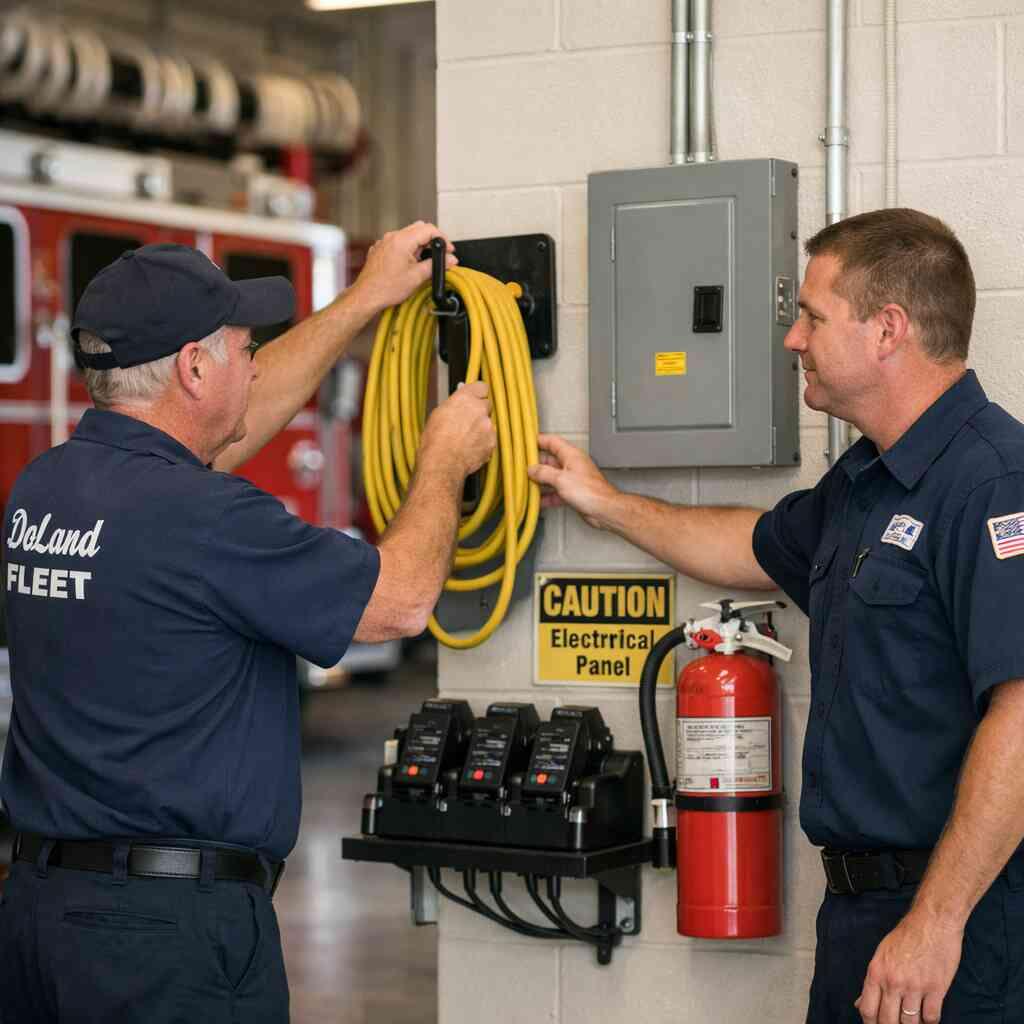
Vehicle compartment storage solutions do more than tidy a rig. They prevent delays. When tools shift during transit, crews lose time searching, resetting, and re-securing. That sounds minor until the call comes in and a critical item is buried under loose equipment. Fire apparatus organization should make every compartment obvious, repeatable, and fast to open under pressure. A DeLand-area department once described a simple problem that kept repeating. Nothing was broken. Nothing was missing. But each crew stored support items slightly differently, so the same compartment behaved differently from shift to shift. That inconsistency created confusion, especially after washing and reloading. Better compartment planning would have saved time on every turnout. It is one reason fire apparatus organization with vehicle compartment storage solutions matters so much in labor day operations planning. ### How to separate dependable fire equipment from gear that only looks ready
Dependable fire equipment passes the real-world test. It still works after handling, heat, moisture, and repeated storage. Gear that only looks ready usually passes visual inspection but fails under pressure. The difference is not always dramatic at first. You often notice it when a connector loosens, a latch sticks, or a tool does not seat correctly after a washdown.
Use a simple filter:
- Does the item work without adjustment?
- Does it stay secure during movement?
- Does it resist corrosion or surface wear?
- Does it return to the same condition after cleaning?
- Would you trust it on a long shift?
That list sounds basic, but it catches more trouble than glossy catalogs ever will. Dependable fire equipment for station inventory management comes from repeated verification, not assumption. If a tool needs extra attention every week, it is already asking for replacement planning.
Where Fire Power Products fit into a tighter, more reliable fleet strategy
Fire Power Products fits best where fleet strategy and operational reality meet. You do not need more gear just to feel prepared. You need the right gear in the right places, with enough toughness to survive repeated use. That approach keeps procurement disciplined and makes response vehicles easier to support. It also reduces the temptation to overbuy items that duplicate function without solving a real problem.
Using durable Fire Power products for fire equipment fleet efficiency without overbuying
Durable Fire Power products make sense when your fleet needs consistency more than novelty. The goal is fire equipment fleet efficiency, which means fewer weak points and less wasted storage space. That does not mean buying every option available. It means choosing parts that support the way your units are actually used. Smart procurement is selective.
Here is a practical comparison for fleet planning:
Procurement approachWhat it usually doesFleet impactBuy for appearanceFills bays quicklyLooks organized, but weakens readinessBuy for redundancyAdds duplicate itemsIncreases clutter and confusionBuy for durabilitySupports repeated useImproves uptime and simplifies maintenanceThe best fleets avoid the first two traps. They choose durable Fire Power products for the jobs that matter most. That choice supports USA engineered fire products for fleet procurement planning without pushing you toward unnecessary volume. In other words, buy what supports the apparatus, not what merely fills it.
Matching IP68 connector pigtails, extensions, and receptacles to real-world response vehicle outfitting needs
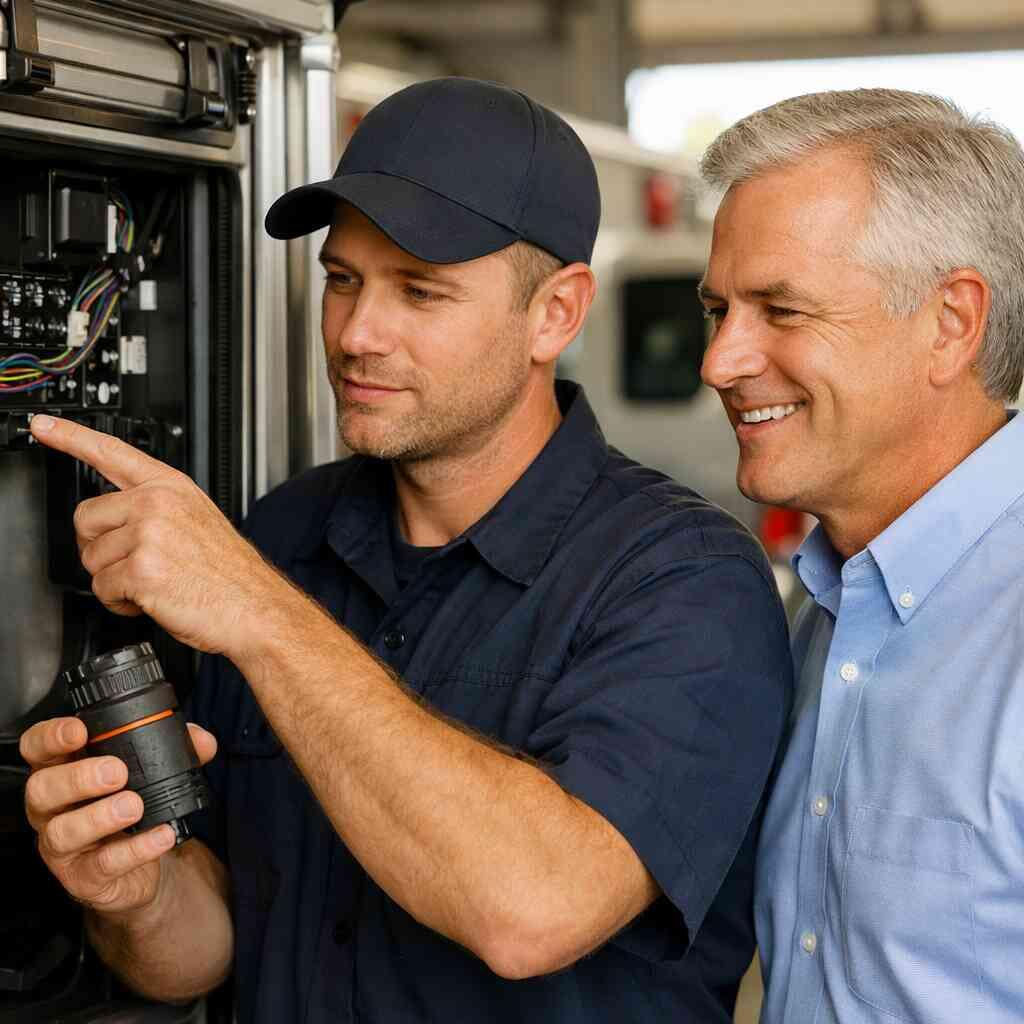
Electrical connections are often the quietest failure point in a rig. They rarely get attention until a circuit behaves unpredictably or a cable setup becomes awkward after washdown. That is why matching the right connector style to the vehicle matters. If your response vehicle outfitting plan assumes every connector will be handled gently, the plan is too optimistic.
For fleets that need practical durability, the following items often deserve review:
- IP68 female connector pigtails for response vehicle outfitting
- IP68 male pigtails for rugged fire safety tools
- male female electrical extensions for emergency readiness supplies
- junctions and receptacles for fire apparatus wiring
These parts are not interchangeable in the field just because they look similar on a shelf. Fit, access, sealing, and maintenance behavior all matter. Electrical connector durability for emergency vehicles becomes especially important when washdowns, vibration, and fast turnover all happen in the same week. If you need a reference point, the detailed product category pages from Fire Power Products can help you narrow the fit without guessing.
When to organize your procurement plan around rugged fire safety tools and long-term operational reliability
Organize procurement around long-term operational reliability when your current parts start costing you time. That is the real trigger. Not age alone. Not price alone. Time lost to repairs, shuffling, and repeat checks is what drives smarter purchasing. Once that pattern appears, you should shift from reactive buying to planned replacement.
A useful way to think about it is this:
- Identify the parts that fail most often.
- Rank them by impact on response time.
- Replace the most disruptive items first.
- Match each purchase to actual vehicle use.
- Recheck performance after repeated service cycles.
That approach keeps rugged fire safety tools aligned with real needs. It also supports heavy-duty fire equipment for operational reliability without turning procurement into guesswork. If you are planning for the holiday stretch, that discipline matters more than ever.
The smartest fleets do not wait for a breakdown to define their standards. They build around equipment that stays useful after repeated handling, repeated cleaning, and repeated deployment. That is where Fire Power Products belongs in your planning process. If you are tightening your station inventory, review the gear that causes the most friction, then choose one area to improve today. Start with a single compartment, a single connector path, or a single vehicle, and give it the kind of attention that saves you from a bad call later. You do not have to solve everything today, and you do not have to do it alone.
Frequently Asked Questions
Question: How can Fire Power Products support Labor Day fleet planning for fire equipment fleet readiness and seasonal fleet preparation?
Answer: Fire Power Products can help support Labor Day fleet planning by providing durable fire power products designed for demanding fire service logistics and real-world response conditions. The goal is to help departments focus on fire equipment fleet readiness by reducing weak points in the apparatus, especially in high-use areas like connectors, receptacles, and compartment hardware. For seasonal fleet preparation, the most effective approach is to start with an apparatus readiness assessment, then prioritize the units and compartments that see the most daily use. That helps improve fire fleet efficiency and operational reliability for fire gear without overbuying equipment that does not solve an actual problem. Because Fire Power Products is based in DeLand, Florida and positions its products for demanding use, it is a practical fit for teams that want dependable fire equipment for holiday planning and beyond.
Question: What should be included in a fire safety equipment checklist for emergency vehicle maintenance planning?
Answer: A strong fire safety equipment checklist should go beyond counting items and focus on function, condition, access, and storage. For emergency vehicle maintenance planning, departments should verify batteries, connectors, hose-related accessories, mounting hardware, backup response supplies, and the way equipment is secured in each compartment. This kind of equipment inspection planning helps identify issues before they slow response times. It is also useful to review high-usage equipment performance, since items that are handled most often tend to show wear first. Fire Power Products fits into this process by offering durable emergency response products that can support a more organized station inventory management approach and help crews maintain consistent readiness through busy holiday periods.
Question: Which products are most relevant for response vehicle outfitting and fire apparatus organization?
Answer: For response vehicle outfitting and fire apparatus organization, the most relevant items are the ones that help crews keep equipment secure, accessible, and reliable under repeated use. That often includes IP68 female connector pigtails for response vehicle outfitting, IP68 male pigtails for rugged fire safety tools, male female electrical extensions for emergency readiness supplies, and junctions and receptacles for fire apparatus wiring. These types of components are important because they can affect how well a compartment performs after washdowns, vibration, and repeated opening and closing. Fire Power Products is a good resource for departments that want to improve vehicle compartment storage solutions and support first responder fleet durability through better-organized, more dependable fire equipment.
Question: How does the Guide to Fire Power Products for Labor Day Fleet Planning help departments improve operational reliability for fire gear?
Answer: The Guide to Fire Power Products for Labor Day Fleet Planning helps departments think through operational reliability for fire gear by focusing on the areas that most often create delays: loose connectors, cluttered compartments, worn hardware, and equipment that only looks ready until it is used under pressure. The guide encourages teams to start with the vehicles that leave the bay most often, then review the parts and storage areas that affect uptime the most. That approach supports fire equipment procurement planning by making purchases more strategic and less reactive. For departments looking to improve rugged fire safety tools and station inventory planning, Fire Power Products offers a practical way to align equipment choices with real use, not just appearance.
Question: Why should fleets choose durable fire power products instead of simply buying more equipment?
Answer: Fleets should choose durable fire power products because more equipment does not automatically mean better readiness. In many departments, the problem is not a shortage of items but a shortage of dependable fire equipment that stays organized and functional after repeated handling. Buying for durability supports fire equipment fleet readiness by reducing clutter, simplifying maintenance, and helping crews trust the gear they use every day. This matters especially during labor day operations planning, when call volume can shift and small problems turn into service delays quickly. Fire Power Products focuses on equipment that supports long-term operational reliability, which makes it a strong option for teams that want USA engineered fire products aligned with actual response needs rather than unnecessary duplication.