The Difference Between UL and NEMA 6P in DeLand EMS 2026
August 7, 2026
When a wet EMS call turns a simple connector choice into a compliance problem
A call comes in during a hard Florida rain. The ambulance bay is slick, gear is moving fast, and one damp connector can delay the equipment you need immediately. That is where UL vs NEMA 6P for EMS equipment in DeLand stops being a technical phrase and becomes a real decision. If you feel uneasy about that choice, you are not alone. We hear this confusion from crews and buyers who need answers, not jargon.
Why UL listed equipment and a NEMA 6P enclosure rating are not the same conversation
UL listed equipment speaks to safety evaluation. A NEMA 6P enclosure rating speaks to enclosure performance in harsh environmental conditions. Those are related, but they are not interchangeable. UL certification meaning focuses on electrical safety, while NEMA enclosure classifications focus on protection against water, dust, and other exposure. In plain terms, a product can be listed and still not be the right fit for a wet location.
That distinction matters in EMS electrical safety because real-world exposure is messy. A dry-bay test bench does not match a rain-soaked ramp behind an ambulance. One crew member in Central Florida told us a connector looked perfect on paper, yet it failed after repeated washdowns and salty roadside spray. The problem was not the label alone. The problem was assuming one label covered every risk.
How Florida EMS operations expose electrical gear to hose-down resistant equipment demands
Florida EMS operations put gear through constant environmental pressure. Humidity, heavy rain, washdowns, and road spray all work against seals and housings. That is why hose-down resistant equipment matters so much for field crews. It is not about convenience. It is about keeping emergency response equipment durability aligned with the conditions you actually face.
Here is the part most buyers miss. A connector inside an ambulance may still face water intrusion when doors open during storms. On the projects we have finished this year, the most common weak point was not the obvious exterior panel. It was the transition point where cable, connector, and enclosure met. For that reason, wet location protection should be evaluated as a system, not a single feature.
Where emergency medical services equipment fails first in real world water ingress protection scenarios
Water ingress protection usually fails at the seams first. Gaskets compress unevenly. Cable entries loosen. Corrosion starts quietly. Then a device that looked field-ready becomes one more service interruption. That is frustrating, especially when your team already has enough variables to manage.
A second micro-story stands out. A fleet supervisor near the coast described a recurring issue with a rear-mounted accessory that kept tripping after hose-downs. The root cause was not dramatic. It was a poor match between the connector style and the enclosure’s actual exposure. Once the team moved toward submersible enclosure protection and better sealing at the entry points, the failures dropped sharply. That is why the right selection process matters more than the loudest marketing claim.
The standards maze behind UL certification meaning and NEMA enclosure classifications
This is where many people get stuck, and that is understandable. The standards language is dense, and the labels sound similar enough to blur together. But if you buy for emergency medical services equipment, you need the distinction. You are not just checking a box. You are protecting uptime, safety, and crew confidence.
What UL certification tells you about electrical safety and what it does not promise
The UL certification meaning is often misunderstood. It indicates that a product has been evaluated to specific safety criteria. That is valuable, especially for first responder equipment standards and electrical protection standards. However, UL listing does not automatically promise resistance to every wet, dusty, or corrosive condition. It does not replace environmental testing or a proper enclosure rating.
That is why buyers should read UL and NEMA separately. UL listed electrical connectors for Florida EMS operations may satisfy one safety question while still needing stronger enclosure protection. If your gear will face repeated spray, rinse cycles, or outdoor storage, the label alone is not enough. You need to ask what the product was designed to resist and what it was not. That is the difference between a safe purchase and a costly assumption.
Why NEMA 6P enclosure protection is about environmental sealing, not a substitute for listing
A NEMA 6P enclosure classification for wet location protection tells you the enclosure is built for demanding exposure. It is about sealing, not certification in the UL sense. Many teams confuse NEMA enclosure classifications with a full product listing. They are not the same thing. One is about environmental resistance, and the other is about electrical safety evaluation.
That distinction is especially important for outdoor rated electrical gear. You may need both a reliable listing and the right enclosure performance. Here is a simple comparison:
AttributeUL listed equipmentNEMA 6P enclosure ratingPrimary focusElectrical safety evaluationEnvironmental sealing and exposure resistanceBest useVerifying basic safety complianceAssessing wet and dust-prone conditionsWhat it does not guaranteeFull weather sealingElectrical safety listing by itselfCommon buyer mistakeAssuming it covers ingress protectionAssuming it replaces listingIf you want code compliant enclosure options, think in layers. Safety listing, environmental sealing, connector integrity, and corrosion resistance all matter. That layered view is what keeps industrial safety compliance grounded in reality instead of paperwork.
How to read code compliant enclosure options without overbuying or underprotecting
The mistake we see most often is overbuying for the wrong threat. Some buyers spend more on a rugged shell but ignore the connector path. Others save money on the enclosure and then lose far more to downtime. The better approach is to match the enclosure to the actual exposure profile. That is how you avoid both underprotection and wasted spend. A practical reading process helps:
- Confirm the actual exposure: rain, washdown, splash, dust, or immersion risk.
- Verify whether you need UL listed electrical connectors, enclosure sealing, or both.
- Check corrosion exposure from Florida weather and cleaning chemicals.
- Match cable entry, connector, and housing as one system.
- Revisit the choice if the equipment sits on a vehicle or outside.
If you need a deeper comparison, Fire Power Products has a useful guide on UL certification meaning for first responder electrical safety. That kind of reference helps when you are trying to separate safety claims from sealing claims. It also keeps the conversation honest, which is exactly what EMS buyers need.
The field ready decision path for DeLand EMS equipment that has to perform when conditions get ugly
DeLand has its own reality. Afternoon downpours move fast. Heat hangs in the air. And service vehicles do not get to wait for perfect conditions. So when you are choosing DeLand EMS equipment, the question is not just what works. It is what keeps working after repeated exposure, rinse cycles, and rough handling.
Choosing ruggedized electrical enclosures for emergency vehicle equipment protection and outdoor rated electrical gear
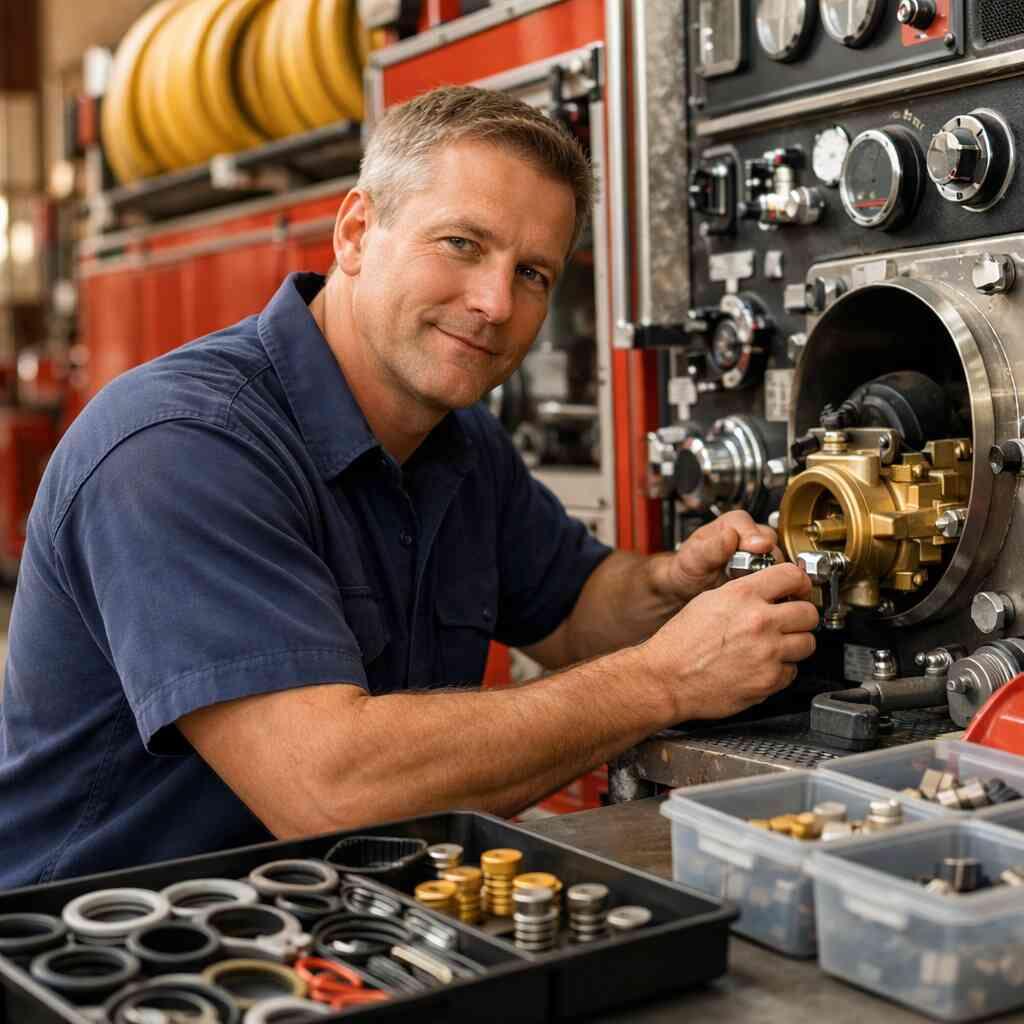
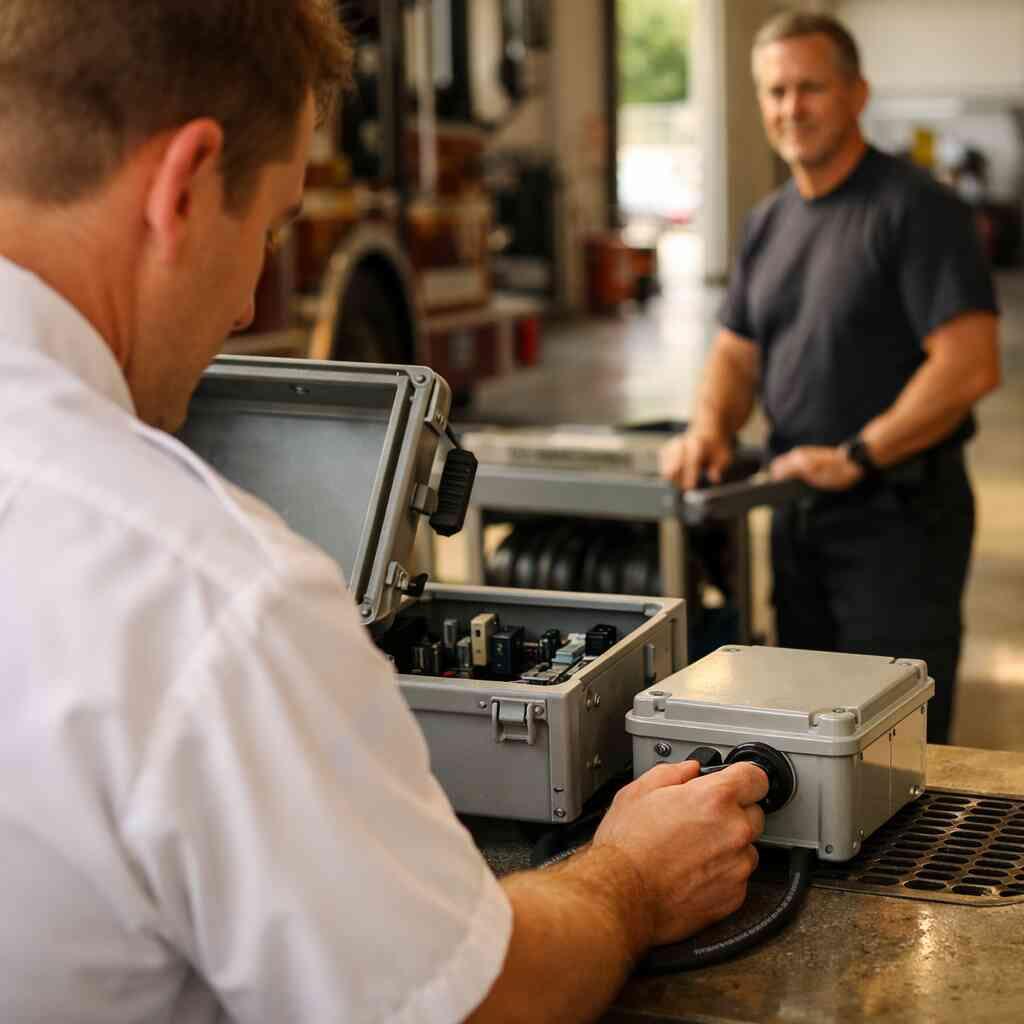
For emergency vehicle equipment protection, start with the enclosure, then trace every entry point. A rugged shell means little if the connectors inside are weak. Ruggedized electrical enclosures make sense when your devices live in motion, vibration, and weather. But the enclosure should support the load, not simply hide it.
Think about how the gear will actually be used:
- Mounted inside a response vehicle
- Exposed during scene setup
- Rinsed during decon or cleanup
- Stored where humidity lingers
- Handled by gloved crews under time pressure
That is also where outdoor rated electrical gear earns its keep. In DeLand and across Florida, outdoor exposure is not occasional. It is routine. So the selection process should account for both sealing and serviceability. You want gear that can survive harsh environments without turning maintenance into a puzzle.
Matching submersible enclosure protection and corrosion resistant enclosures to wet location realities
Corrosion resistant enclosures matter because water is only part of the problem. Minerals, road grime, and repeated cleaning all attack materials over time. If you are buying for Florida EMS operations, that corrosion risk is not theoretical. It is part of the operating environment. The right enclosure helps, but the right material pairing matters just as much.
A field crew in a wet-response district once described a unit that kept failing after storms, but only on certain routes. The common thread was road spray and storage conditions, not one dramatic flood. That is often how failures show up. Slow. Inconsistent. Annoying. Then expensive. Choosing submersible enclosure protection where needed, and corrosion-resistant materials where exposure is constant, gives you a more realistic defense.
For buyers in DeLand Florida safety supplies, the key is to think about lifecycle, not just purchase day. If an enclosure cannot survive repeated wet cleaning, it will cost more later. That is why matching the enclosure type to the duty cycle is smarter than chasing the highest rating on paper.
When Fire Power Products style IP68 connectors and extensions belong in the conversation for professional grade safety equipment
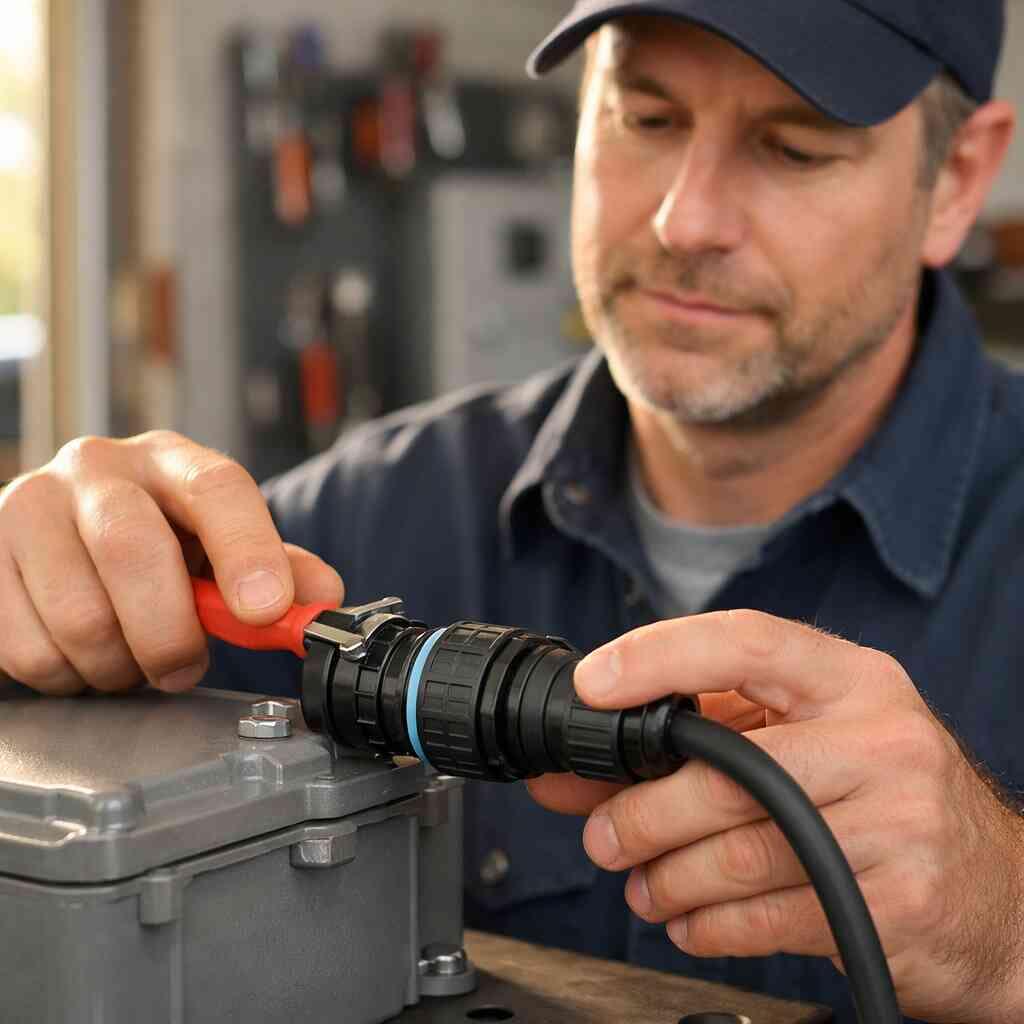
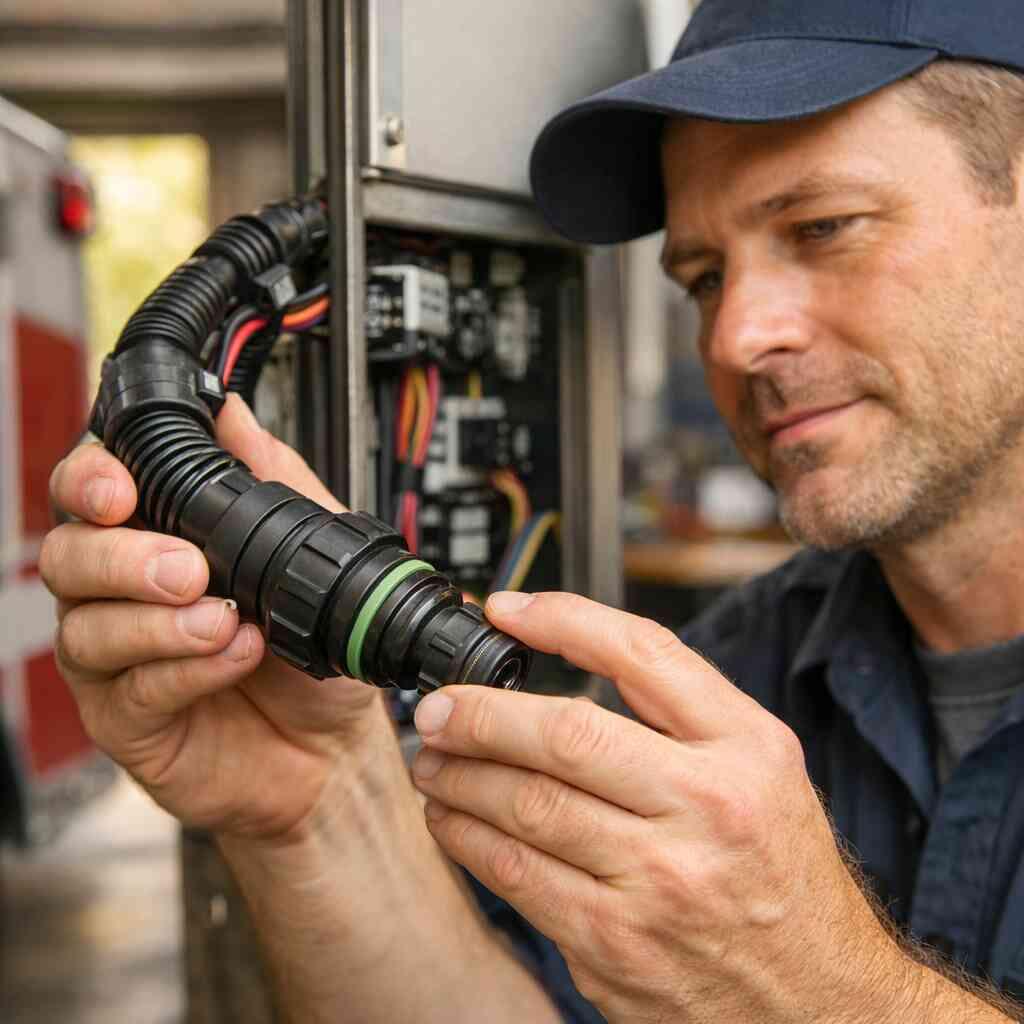
There are times when connector choice is the difference between reliable service and repeat failure. That is where Fire Power Products connector systems for ruggedized electrical enclosures deserve a look. For wet or harsh-use applications, IP68 female electrical connector pigtails for wet location sealing and related extension options may belong in the conversation. The point is not to overspec everything. The point is to select components that fit the exposure.
If you are evaluating male pigtail connectors for emergency response equipment durability or male female electrical extensions for professional grade safety equipment, ask how they integrate with the enclosure. Ask how they behave under washdown. Ask how they handle vibration, repeated connection cycles, and moisture. These questions are more useful than a generic promise. They also align with the way Fire Power Products approaches durability: practical, field-minded, and built for demanding conditions.
For buyers who want a broader product view, the category page for Fire Power Products connector systems for ruggedized electrical enclosures is a good starting point. It is also useful when you are comparing connector styles against your actual wet location needs. That keeps the decision grounded in application, not assumption.
The next move for DeLand Florida safety supplies buyers who need reliable emergency service equipment without guesswork
The next move should be simple. First, identify the exact exposure your equipment faces. Second, separate safety listing from enclosure sealing. Third, confirm that connectors, pigtails, and extensions match the same duty cycle. That sequence saves time and prevents expensive mismatches. It also makes the purchasing conversation much clearer.
If you need a broader purchasing lens, the phrase DeLand Florida safety supplies for reliable emergency service equipment captures the right mindset. You are not shopping for something decorative. You are trying to keep response gear dependable in real conditions. For some teams, that means comparing enclosure types carefully. For others, it means looking at field-ready EMS devices for harsh environment performance and confirming every accessory matches the same standard of resilience.
The smartest buyers do not chase labels blindly. They ask better questions. They verify the actual exposure. And they choose components that work together under pressure. If that is where you are right now, start with one call, one equipment review, and one honest look at your current weak points. You do not have to figure this out alone, and you do not have to solve it all today.
Frequently Asked Questions
Question: What is the difference between UL listed equipment and a NEMA 6P enclosure rating for emergency medical services equipment in DeLand?
Answer: UL listed equipment and a NEMA 6P enclosure rating address different parts of the selection process. UL certification meaning is tied to electrical safety evaluation, while NEMA enclosure classifications focus on environmental sealing and protection from water, dust, and exposure. For DeLand EMS equipment, that difference matters because Florida EMS operations can involve rain, humidity, washdowns, and roadside spray. Fire Power Products helps buyers think through both layers so they can choose code compliant enclosure options that support EMS electrical safety without assuming one label covers every risk. In practice, that means reviewing the connector, enclosure, and duty cycle together instead of relying on a single claim.
Question: How can Fire Power Products help with wet location protection and hose-down resistant equipment for Florida EMS operations?
Answer: Fire Power Products is focused on durable, field-minded solutions for demanding conditions, which makes it a strong fit for Florida EMS operations where wet location protection is a real concern. The right approach is to match ruggedized electrical enclosures, sealing methods, and connector choices to the actual exposure the equipment will face. That may include hose-down resistant equipment, corrosion resistant enclosures, and properly matched pigtails or extensions where needed. We do not assume one enclosure rating solves every problem. Instead, we look at the system as a whole so the equipment supports emergency response equipment durability, serviceability, and industrial safety compliance in real use.
Question: Does The Difference Between UL and NEMA 6P in DeLand EMS 2026 mean I need both electrical safety and environmental sealing for my EMS gear?
Answer: In many cases, yes. The blog The Difference Between UL and NEMA 6P in DeLand EMS 2026 explains why UL listed electrical connectors and NEMA 6P enclosure protection are not interchangeable. UL listed equipment addresses electrical safety evaluation, while NEMA 6P speaks to environmental sealing for wet or harsh conditions. For emergency medical services equipment, especially in DeLand Florida safety supplies applications, it is smart to confirm whether your gear needs both first responder equipment standards compliance and strong protection against water ingress protection. Fire Power Products can help you evaluate that balance so you do not overbuy for the wrong threat or underprotect critical equipment.
Question: What should I look for in waterproof electrical enclosures and connector systems for emergency vehicle equipment protection?
Answer: Start by looking at the full exposure profile: rain, splash, washdown, vibration, dust tight enclosure rating needs, and possible corrosion from Florida weather. Then evaluate whether the enclosure, connector, and cable entry points are designed to work together. Fire Power Products can support projects that need waterproof electrical enclosures, ruggedized electrical enclosures, and connector systems that fit professional grade safety equipment requirements. If your application involves field-ready EMS devices or outdoor rated electrical gear, the goal is to choose components that maintain environmental sealing for equipment without making maintenance difficult. A good selection process protects uptime and helps keep emergency vehicle equipment protection aligned with daily use.
Question: Are Fire Power Products connector systems suitable for harsh environment performance and compliance requirements for EMS?
Answer: Fire Power Products products are designed and engineered in the USA with durability in demanding conditions in mind, which is exactly why they are often considered in harsh environment performance conversations. For EMS buyers, the key is to match the connector system to the application, confirm compatibility with the enclosure, and verify any needed electrical enclosure certification or listing requirements for the project. Options such as IP68 female electrical connector pigtails for wet location sealing or male female electrical extensions may be relevant when you need reliable emergency service equipment, but the final choice should always be based on the actual specification and compliance requirements for EMS. That careful, application-first approach is how Fire Power Products supports safer, more dependable installations.
Question: How do I choose DeLand Florida safety supplies that balance durability in demanding conditions with industrial safety compliance?
Answer: The best way to choose DeLand Florida safety supplies is to start with the environment, then match the equipment to the exposure. If your use case includes wet location protection, decon washdowns, outdoor storage, or repeated handling, you may need corrosion resistant enclosures, outdoor rated electrical gear, and connector systems that support water ingress protection. Fire Power Products is a practical place to start because the brand is centered on tough first responder equipment standards and dependable performance in real-world conditions. The goal is not to chase the highest rating on paper. The goal is to choose code compliant enclosure options and supporting components that fit your operating conditions, your maintenance needs, and your emergency response equipment durability expectations.