What Is the ROI of Fire Power Products for EMS Buyers 2026
July 17, 2026
Why the cheapest EMS gear can become the most expensive line item on your budget
If you are reading this because a quote came back lower than expected, take a breath. That relief can be misleading. In EMS, the cheapest item on paper often becomes the costliest line on the budget after replacements, interruptions, and labor. The real question is not just what you pay today. It is what you keep paying every time equipment fails in service.
Where total cost of ownership hides in replacements, repairs, and downtime
The hardest part of ROI for EMS buyers is that it rarely shows up in one invoice. It hides in repeat purchases, troubleshooting time, and the dispatch delay that follows a preventable failure. Total cost of ownership also includes the hours your team spends swapping parts instead of preparing vehicles. That is why procurement teams need a longer view. Price matters, but lifecycle cost often matters more.
Here is the part most buyers miss. A low-cost part that fails twice is not cheap. It becomes a recurring disruption. If your crew loses even a small amount of time per shift, the lost efficiency compounds quickly. That is especially true in high-volume systems where vehicles never sit still for long.
I once heard from a fleet manager who kept a spare bin full of “temporary fixes.” It sounded practical until he added the labor and repeat work. A component that should have lasted through normal use kept slipping into replacement cycles. That kind of pattern makes budget planning feel impossible. It also makes the ROI calculation far more painful than the original quote suggested.
How emergency medical services purchasing changes when equipment lives in high-use vehicles
Emergency medical services purchasing is different from office procurement. Equipment lives in ambulances, support vehicles, and apparatus compartments that shake, heat up, cool down, and get opened constantly. The gear is touched, moved, wiped down, and used under time pressure. That means failure risk rises fast. It also means procurement should favor reliability over novelty.
You may feel pressure to justify every dollar to both finance and operations. That is normal. The tension is real because everyone sees a different risk. Finance sees spend. Operations sees readiness. A strong EMS procurement strategy connects both by reducing avoidable service interruptions. That is where durable gear begins to earn its place.
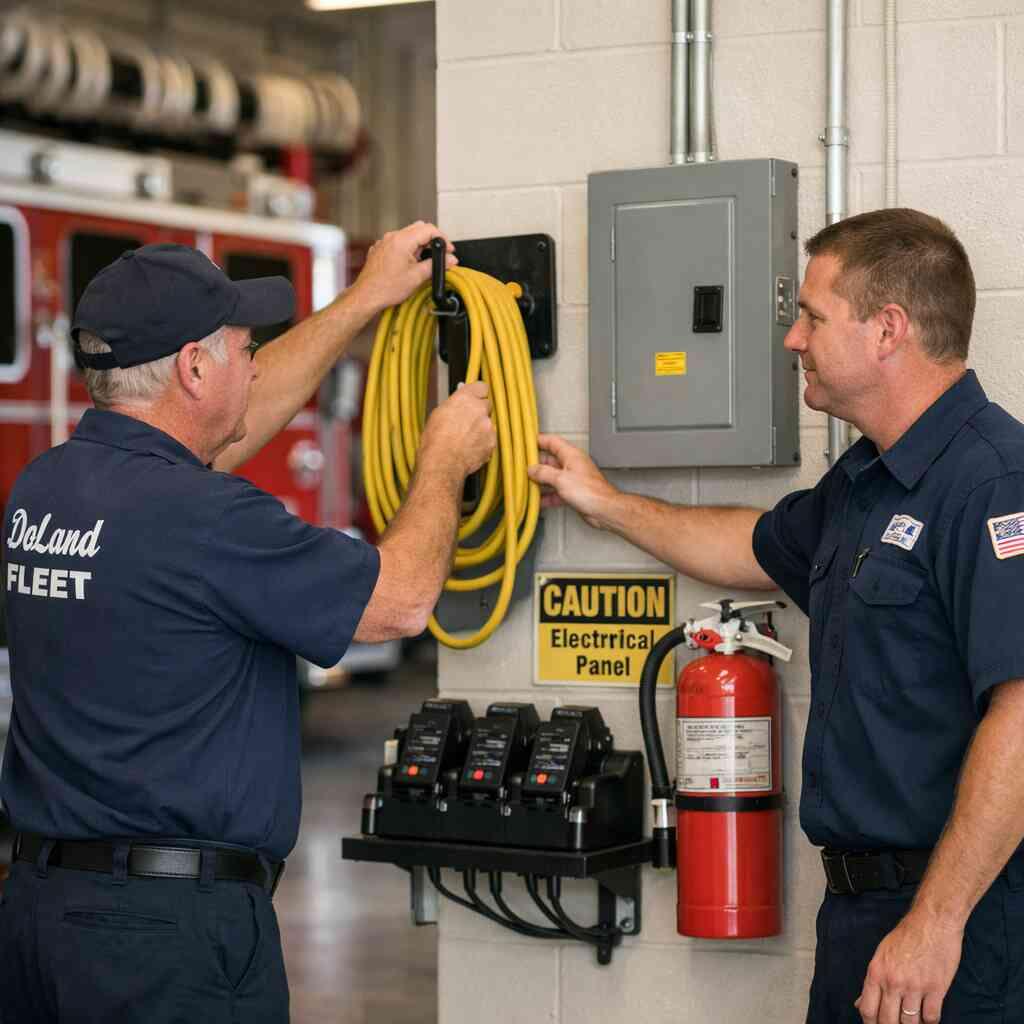
On the projects we’ve seen this year, the biggest mistakes usually involve assuming “electrical” means “set and forget.” It does not. Connectors, receptacles, and pigtails in active rigs are part of daily survival, not background hardware. When they are underspecified for the work, they age quickly. Then the hidden costs start showing up in service calls and scheduling headaches.
Why ruggedized fire and EMS products can outperform a lower sticker price over time
Ruggedized fire and EMS products often win on lifecycle cost savings, even when the sticker price is higher. That is because durability lowers the frequency of replacement and repair. It also reduces the odds that a vehicle will be taken out of rotation for a small but critical failure. For EMS leaders, that can matter more than any line-item savings. A part that stays in service helps protect response continuity.
ROI for EMS buyers improves when the product holds up under repeated use, vibration, and routine washdowns. That does not mean every ruggedized item is automatically superior. It means you should compare real operating conditions, not brochure claims. If your vehicles run hot, get cleaned often, and carry equipment that cannot tolerate downtime, durability becomes a financial asset. In that environment, lower total cost often beats lower initial cost.
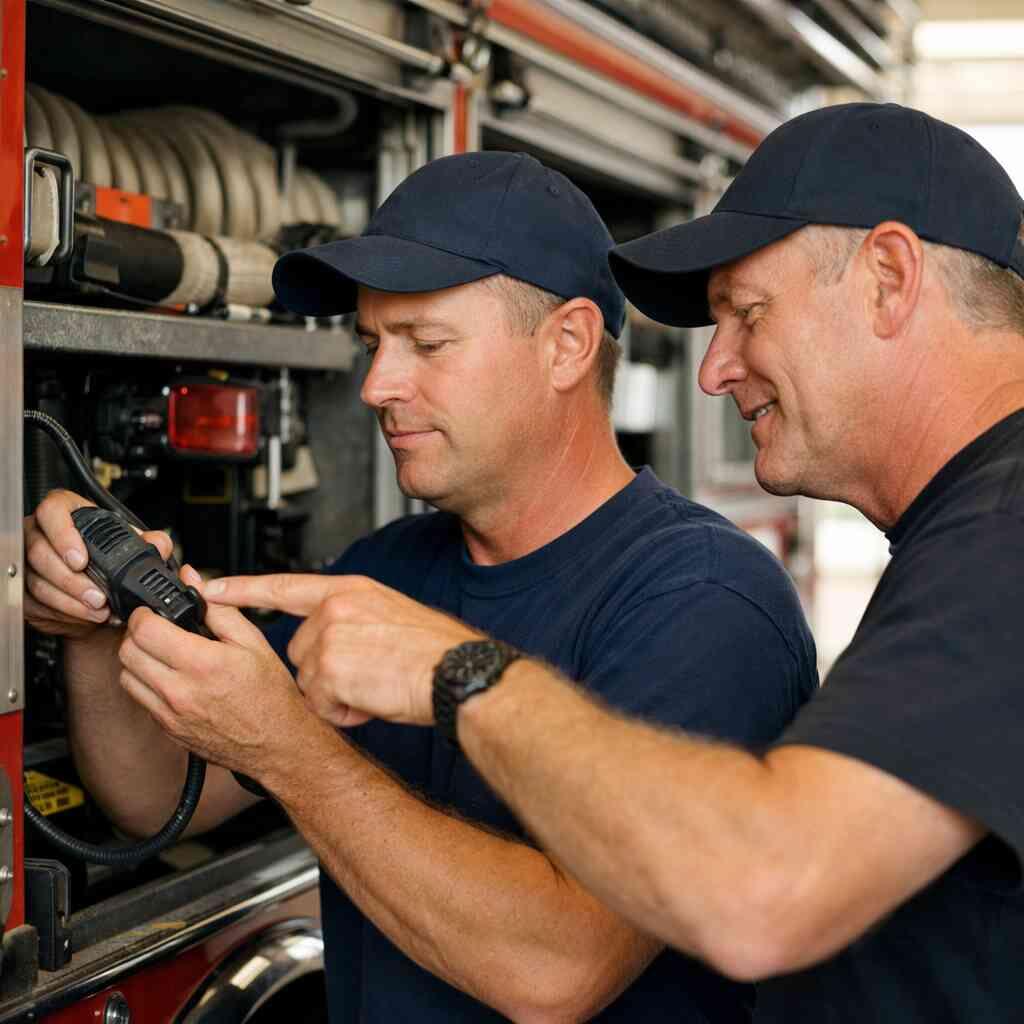
One medic supervisor told us about a weekend when a small electrical issue sidelined a unit during a busy call period. Nothing dramatic broke. That was the problem. A minor part created a major scheduling scramble. The fix itself was inexpensive. The lost readiness was not. That is the kind of math procurement teams need to see before they approve another low-priced option.
What durable fire safety equipment means for procurement decisions in demanding field conditions
Durable fire safety equipment changes how you think about procurement decisions. You are not only buying a component. You are buying fewer interruptions, fewer replacements, and less administrative friction. That does not guarantee perfection, and no reputable vendor should promise that. It does, however, shift the risk profile in your favor. For mission-critical teams, that shift can be worth more than a small discount.
Durability also matters when crews are working fast and tired. People do not baby equipment during real calls. They move quickly, connect and disconnect repeatedly, and clean vehicles under time pressure. In those conditions, wear and tear resistance becomes a practical budget tool. It helps you avoid the cycle where “good enough” gear becomes a constant maintenance burden.
The ROI math procurement teams should run before approving Fire Power Products
If you are trying to defend a purchase, the math can feel uncomfortable. That is because real ROI is not a slogan. It is a series of tradeoffs between acquisition cost, service life, maintenance burden, and operational risk. The goal is to make the decision explainable to finance, operations, and field leadership. Once you do that, the procurement conversation gets much easier.
How to compare purchase price against lifecycle cost savings without guessing
Start with a simple framework. Compare initial price, expected service life, maintenance frequency, and replacement timing. Then add the cost of any downtime caused by failures. That is the essence of EMS equipment return on investment. You do not need perfect data. You need disciplined assumptions.
Use a basic table to keep the numbers honest:
Cost factorLow-cost gearDurable gearInitial purchaseLowerHigherReplacement frequencyOften higherOften lowerMaintenance interruptionsMore likelyLess likelyDowntime riskHigherLowerLong-term valueUncertainEasier to justifyThat table is not a promise. It is a lens. If a product stays in rotation longer and needs fewer touch-ups, the lifetime cost can improve quickly. In EMS, that is often where the budget story changes. A slightly higher purchase price can create a much better long-term result.
Which reliability factors matter most for mission-critical gear investment
A true mission-critical gear investment should be judged on repeatability. You want predictable performance, not occasional brilliance. Procurement teams should ask how the product handles vibration, repeated connection cycles, moisture exposure, and daily handling. Those are ordinary field conditions. They are also where weak gear shows itself fast.
Focus on the factors that affect real service life:
- Connection integrity under frequent use
- Resistance to wear from handling and storage
- Stability in hot, humid environments
- Ease of inspection during routine checks
- Compatibility with vehicle workflows
The mistake we see most often is chasing a feature that sounds advanced but does not matter in the field. A resilient product with clear utility usually beats a flashy one. That is especially true when your team needs dependable response equipment, not showroom hardware. Reliability is not glamorous. It is operationally powerful.
How hose-down resistant equipment can reduce maintenance interruptions in ambulance workflows
Hose-down resistant equipment for EMS vehicles matters because cleaning is part of the job. Ambulances and response vehicles need regular washdowns. That routine protects hygiene and readiness, but it also creates stress on exposed components. If equipment cannot handle that environment, maintenance interruptions follow. Those interruptions cost labor and can pull a unit out of service.
One EMS coordinator described a recurring issue with a compartment that looked clean but kept developing electrical nuisance problems after washdowns. The fix was not dramatic. The real lesson was simpler. Water management and durability needed to be treated as procurement criteria, not afterthoughts. Once the team changed that habit, they saw fewer avoidable service delays. That is how operational efficiency for EMS improves in the real world.
Where product longevity and wear and tear resistance affect equipment replacement cycle planning
Product longevity for first responders affects more than maintenance tickets. It shapes replacement cycle planning, capital requests, and inventory strategy. If a part fails early, you do not just replace the part. You disrupt your timeline, reorder planning, and budget forecast. That is why wear and tear resistance belongs in every procurement review. It protects both readiness and planning accuracy. Longer life also helps you avoid premature standardization mistakes. Some departments replace equipment too early because they fear failure. Others wait too long and pay for it in downtime. A better approach is to track observed wear, inspect on a schedule, and use known service conditions to guide replacement. That creates a more realistic cycle. It also gives finance a cleaner story. ### How American-made EMS equipment can simplify procurement confidence when availability matters
American-made EMS equipment can simplify procurement confidence when supply continuity matters. That does not mean every domestic product is automatically the right choice. It means availability, communication, and specification clarity can be easier to manage when the supply chain is closer to home. For public safety buyers, that stability can be valuable. It can also reduce uncertainty during urgent replacement needs.
Procurement teams often underestimate how much time they spend chasing status updates. That time has a cost. So does waiting on parts when a vehicle is already short on readiness. A dependable supply relationship supports better emergency services supply chain planning. If your department values predictability, that factor belongs in the ROI conversation.
Turning durability into a purchasing strategy that protects EMS readiness
Durability only matters if you turn it into a plan. That means matching the product to the fleet, the cleaning routine, and the pressure your crews face every day. It also means knowing how to explain the decision without exaggeration. You do not need to claim miracle performance. You need to show that a well-made product supports readiness and reduces avoidable friction.
When Fire Power Products fit best into capital equipment planning and fleet readiness
Fire Power Products ROI is easiest to justify when equipment failures have real operational consequences. That is especially true in fleet readiness planning. If a component supports vehicle uptime, safe workflow, or reliable field performance, it belongs on the capital planning radar. The value is not just in the product. It is in the readiness it helps preserve.
This is where budget-conscious EMS purchasing becomes strategic. You can rank purchases by how badly failure would affect response. Some items are easy to postpone. Others are not. Electrical hardware that keeps a unit functioning should receive more attention than parts with little operational impact. That prioritization protects both service quality and fiscal discipline.
How to justify value-based procurement to finance and operations without overpromising performance
Value-based procurement works best when you stay grounded. Do not promise that a product will solve every maintenance issue. Instead, explain how durable construction, better fit for field conditions, and fewer interruptions can improve the cost picture. Finance usually respects that logic. Operations usually appreciate it even more. The shared language is total cost of ownership, not hype.
A simple justification can sound like this:
- The product supports daily use in high-demand vehicles.
- It may reduce replacement frequency and service interruptions.
- It helps protect fleet readiness over time.
- It fits a longer-term replacement strategy.
- It creates clearer procurement confidence.
That is not flashy. It is credible. It also aligns with EMS procurement strategy because it connects product choice to operational outcomes. When finance sees logic, approvals tend to move faster.
What to ask before selecting connectors, pigtails, receptacles, and extensions for response vehicles
Before you choose electrical connectors for emergency response equipment, ask practical questions. How often will the part be connected and disconnected? Will it sit in a compartment exposed to heat and vibration? Will crews handle it while moving quickly? Those questions sound basic, but they reveal where the real risk lives. The more honest the answers, the better the purchase.
You should also ask about compatibility and inspection ease. If a component is hard to inspect, it can hide wear until it fails at the wrong moment. That is why items like junctions, receptacles, and accessories for response vehicles should be selected with the whole vehicle workflow in mind. The best choice is often the one that fits the team’s daily rhythm. Convenience matters when readiness is the goal.
How DeLand Florida and broader Florida heat humidity and washdown realities shape equipment expectations
DeLand brings a practical lesson many departments in Florida already know. Heat, humidity, and frequent cleaning punish equipment faster than mild conditions do. That makes equipment durability in harsh environments near DeLand, Florida more than a phrase. It is a daily operational reality. If a product cannot handle those conditions, its value drops quickly.
The local climate matters because it changes the wear pattern. Moisture and temperature swings can accelerate degradation. Washdowns add another stress layer. That is why durable fire safety equipment deserves serious review in Florida fleets. The issue is not theoretical. It shows up in maintenance logs, service calls, and replacement cycles.
The next decision frame for budget-conscious EMS purchasing that keeps operational resilience front and center
The best next step is simple. Look at your last few equipment failures and ask what they truly cost. Include labor, delayed readiness, and replacement timing. Then compare that against the expected service life of a more durable option. That is how you turn reducing downtime in EMS operations into a purchasing argument that makes sense.
You do not have to solve everything today. Start with one fleet, one category, or one repeated failure point. Build the case from there. If your department needs reliable response equipment that fits real-world conditions, Fire Power Products is worth a close look. Ask your team to review one current pain point, then request a replacement plan that compares purchase price, durability, and readiness impact before the next budget meeting.
Frequently Asked Questions
Question: What is the ROI of Fire Power Products for EMS buyers in the blog title What Is the ROI of Fire Power Products for EMS Buyers 2026?
Answer: The ROI of Fire Power Products for EMS buyers is best understood through total cost of ownership, not just the upfront purchase price. In high-use EMS operations, a durable part that lasts longer, needs fewer replacements, and reduces service interruptions can deliver stronger long-term equipment value than a cheaper option that fails early. Because Fire Power Products are positioned for demanding emergency medical services purchasing needs, the value comes from supporting fleet readiness, reducing downtime in EMS workflows, and helping teams avoid repeated repair and replacement cycles. That makes the purchase easier to justify when finance and operations are both looking at reliability, operational efficiency for EMS, and budget-conscious EMS purchasing.
Question: How does total cost of ownership compare to sticker price when evaluating durable fire safety equipment for EMS fleets?
Answer: Total cost of ownership usually tells a more accurate story than sticker price alone. With durable fire safety equipment, the real cost includes maintenance labor, replacement frequency, downtime, and the impact of equipment failures on readiness. A lower-cost item may look attractive at first, but if it wears out quickly or creates repeated interruptions, the long-term expense can be much higher. Fire Power Products are a strong fit for procurement decision-making for EMS because they are designed for high-use environments where wear and tear resistance matters. When the goal is lifecycle cost savings, the best comparison is not just what the item costs today, but what it costs to keep it operating across its full service life.
Question: Why should EMS procurement strategy prioritize ruggedized fire and EMS products over the cheapest option available?
Answer: EMS procurement strategy should prioritize ruggedized fire and EMS products because mission-critical gear investment is about protecting readiness, not just reducing initial spend. In ambulances and response vehicles, equipment faces vibration, heat, humidity, frequent handling, and routine cleaning. Those conditions can shorten the life of underspecified parts and increase maintenance cost reduction pressure later. Fire Power Products are a practical option when you need field-ready emergency equipment that aligns with real-world use rather than ideal conditions. For procurement teams, that means fewer surprise replacements, better equipment replacement cycle planning, and a stronger case for cost efficiency in public safety.
Question: How do hose-down resistant equipment and performance under demanding conditions affect EMS fleet readiness?
Answer: Hose-down resistant equipment can play a major role in EMS fleet readiness because cleaning is part of daily operations. Vehicles are regularly washed and disinfected, and components that cannot tolerate moisture or repeated exposure can create unnecessary maintenance issues. When equipment performs under demanding conditions, it helps reduce downtime in EMS and keeps units available for response. Fire Power Products are relevant here because their value is tied to durable gear for high-usage environments and responder-focused equipment design. For departments comparing options, the key question is whether the product can support operational resilience for EMS over time, not just whether it looks suitable on paper.
Question: What should buyers ask when selecting connectors, pigtails, receptacles, and extensions for reliable emergency response gear?
Answer: Buyers should ask how often the component will be used, where it will be installed, and how it will be inspected and maintained. In emergency medical services purchasing, details like vibration, heat exposure, moisture, and frequent connect-disconnect cycles can strongly affect equipment reliability in emergency services. That is why purchase justification for EMS gear should include compatibility, ease of inspection, and suitability for the vehicle workflow. Fire Power Products are a good fit to evaluate when you need dependable response equipment that supports daily operations rather than adding complexity. For teams in high-use EMS operations, the right choice should simplify readiness, not create more troubleshooting.
Question: How do DeLand, Florida heat, humidity, and washdown realities influence equipment durability for harsh environments?
Answer: DeLand, Florida and the broader regional climate can influence equipment durability for harsh environments because heat, humidity, and frequent washdowns increase stress on vehicle components. That means product longevity for first responders becomes a practical procurement issue, not an abstract one. When a department is operating in conditions that accelerate wear, durable fire safety equipment is more likely to support long-term equipment value and reduce replacement cycle pressure. Fire Power Products, based in DeLand, Florida, are presented as engineered for demanding conditions, but buyers should still verify product specifications and suitability for their exact application. In that kind of environment, the safest procurement decision is the one that balances performance, maintenance needs, and operational efficiency for EMS.