What Is the Best Connector Seal Rating for Summer 2026
July 3, 2026
When summer heat turns a good connector into a weak link
A connector can look fine and still fail under July heat. That is the frustrating part. If you are chasing an intermittent fault, you already know the feeling. The issue often hides in heat, humidity, and vibration. In fire safety equipment connectors, those forces expose every weak seal quickly.
Why connector seal performance changes when humidity and temperature swing hard
Summer heat connector performance is rarely just about temperature. Humidity changes how condensation forms inside a housing, especially after hot equipment cools overnight. Then temperature cycling resistance matters more than most people expect. A seal that feels tight in the shop may loosen after repeated expansion and contraction. That is why connector seal performance deserves more attention than the label alone.
We hear this from crews who store equipment in garages, bays, and outdoor yards. One maintenance lead in Volusia County described a connector that worked perfectly in the morning. By afternoon, after a wet rinse and a hot soak, the fault returned. The culprit was not dramatic. It was a marginal seal that could not keep moisture out after thermal movement started.
How connector ingress protection becomes the first line of defense against contamination
Connector ingress protection is the first filter against trouble. It helps slow dust, spray, and incidental moisture from reaching the contact area. For connector ingress protection and IP rating guide, the practical question is simple: what exposure does the connector really face? If the answer includes road grit, wash water, or roadside deployment, the seal needs to match that reality. A clean-looking connector can still hide contamination risk.
Here is the part most buyers miss. Contamination is not always visible. Fine dust, road film, and mineral residue can build up slowly and degrade connectivity before anyone notices. In DeLand, Florida, where heat and moisture can rise quickly, that matters even more. The best connector seal rating is the one that protects against the actual environment, not the imagined one.
Why moisture resistant connectors and dust and water resistant connectors are not the same promise
Moisture resistant connectors and dust and water resistant connectors solve different problems. A connector can resist damp air without handling direct spray. It can also shed dust while still being vulnerable to wash-down exposure. Those are not the same promise. That distinction is easy to miss when you are scanning a spec sheet in a hurry.
A field tech once told us about a unit that kept failing after routine cleaning. The connector had survived humidity just fine. What it could not handle was repeated spray at close range. That is why dust and water resistant connectors for fire fighting equipment deserve careful evaluation. You want the rating to reflect the real abuse, not a best-case scenario.
What the best connector seal rating really means in fire safety equipment connectors
The phrase best connector seal rating sounds absolute, but it is really situational. The right answer depends on exposure, duty cycle, cleaning methods, and mounting position. A higher number is not always better if it adds cost without improving the real failure points. You need a seal that supports the whole assembly. That includes mating surfaces, cable entry, and strain relief.
How to read an IP rating for connectors without overestimating what it guarantees
An IP rating for connectors tells you about resistance to solids and liquids under defined test conditions. It does not promise immunity from every failure mode. It does not replace good installation, proper mating, or regular inspection. That is why the spec should guide you, not comfort you. The rating is useful, but only if you read it honestly.
A simple way to think about it is this:
- Dust rating tells you how well particles stay out.
- Water rating tells you what kind of exposure the connector can tolerate.
- Installation quality tells you whether the rating survives the real world.
- Maintenance habits tell you how long the protection lasts.
If you want a practical starting point, look at sealed electrical connectors with IP68 protection only when the actual exposure calls for it. IP68 can be appropriate in harsher settings, but it is not a magic shield. It still depends on proper assembly and correct use. That is why the best connector seal rating for summer 2026 is the one that fits the job.
Why sealed electrical connectors need both gasket integrity and strain relief to stay dependable
Sealed electrical connectors fail when the seal and the cable entry disagree. Gasket integrity keeps contaminants out at the interface. Strain relief keeps movement from working that interface loose over time. If either part is weak, the whole assembly suffers. That is especially true under vibration and repeated handling.
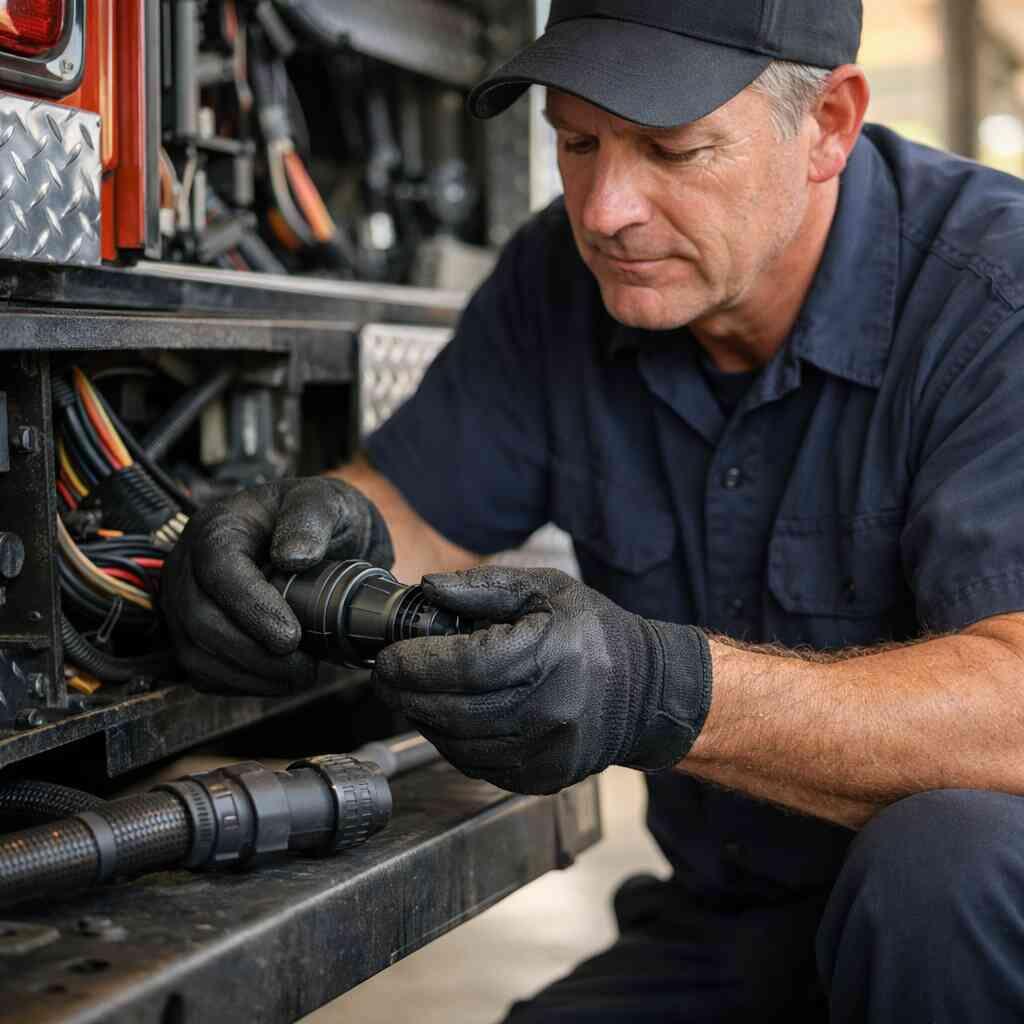
We see this most often on equipment that gets moved, loaded, and washed frequently. The connector may look intact, yet the cable flexes enough to compromise the seal. A sealed housing cannot compensate for poor routing. Connector strain relief is not a nice extra. It is part of the sealing system. When sealed connection solutions for fire truck cabling are planned properly, the connector lasts longer and fails less often.
When a higher weatherproof connector rating is worth it and when it is just overkill
A higher weatherproof connector rating makes sense in harsh exposure zones. Think roadside equipment, frequent outdoor storage, repeated wash cycles, or heavy contamination risk. It can also make sense when downtime carries real consequences. But higher is not automatically smarter. Sometimes it adds bulk, cost, and installation complexity without solving the actual issue.
If your equipment lives mostly inside protected compartments, a moderate rating may be enough. If it faces hose spray, road grime, and Florida humidity, you should be more cautious. In that case, weatherproof connector rating for heavy-duty extensions becomes a meaningful planning tool. The right decision is rarely emotional. It is exposure-based. That is the part that saves money and trouble later.
The decision matrix that separates ruggedized connector systems from risky shortcuts
This is where many projects go off track. People compare connector labels, not connector jobs. They choose based on appearance, not environmental exposure. A ruggedized connector system should solve a defined problem. A shortcut usually just postpones the failure.
Which heavy-duty connector applications demand connector corrosion resistance and high durability connector seals
Heavy-duty connector applications need more than a snug fit. They need connector corrosion resistance, stable contact surfaces, and high durability connector seals. If the assembly will see moisture, road salt, chemical residue, or repeated handling, corrosion resistance becomes essential. Florida fleets feel this quickly. Heat and humidity accelerate the problem. That is why connector corrosion resistance for Florida fleets matters so much in real procurement decisions. The mistake we see most often is assuming the environment is “not that bad.” Then the service interval gets shorter, and troubleshooting gets longer. Here is what almost no online guide mentions: corrosion rarely starts where you can see it. It often starts inside the interface. Once that begins, connector reliability under harsh conditions drops fast. ### Why hose-down resistant connectors matter when equipment is exposed to cleaning and maintenance routines
Hose-down resistant connectors are not only for dramatic field conditions. They matter during normal cleaning and maintenance routines, too. A strong rinse can push water into weak points if the seal design is poor. That is why wash procedures should influence connector selection. Cleaning is part of the exposure profile.
One shop manager near the beaches told us their biggest issue was not the field. It was the bay rinse after each return. Their team used standard cleaning habits, but the connectors were not chosen for repeated spray. After they upgraded their connector approach, troubleshooting time dropped. Connector maintenance best practices before summer demand become much easier when the hardware is selected correctly from the start.
How connector environmental sealing should match the real exposure level, not the label alone
Connector environmental sealing should match the real exposure level, not the marketing language. A seal rating only means something when paired with the actual use case. Ask where the connector sits, what hits it, and how often it gets handled. Then decide. That process is slower, but it is far smarter.
Here is a practical comparison:
Exposure conditionSeal priorityMain risk if underspecifiedIndoor protected compartmentModerate sealingUnnecessary cost and bulkOutdoor stored equipmentMoisture resistanceCondensation and dust intrusionFrequent wash-downHigher water resistanceWater ingress during cleaningHarsh roadside deploymentHigh durability sealsContamination and corrosionIf you want a broader connector environmental sealing for fire safety equipment discussion, start with exposure first. Then match the seal to the job. That approach keeps the decision honest and the equipment dependable.
What to look for in connector boot protection and connector contamination prevention
Connector boot protection helps preserve the interface where cables flex and seals age. It can reduce mechanical stress and slow contamination at the entry point. Connector contamination prevention also depends on routing, storage, and handling habits. A boot cannot fix poor installation. It can only support a sound design.
Look for these practical signs of strength:
- Tight, even sealing surfaces
- Stable cable entry with proper strain relief
- Materials suited to heat and moisture
- Clean mating surfaces after repeated use
- Protection from abrasion at bends and corners
The best ruggedized connector systems combine these features instead of relying on one strong claim. That is why ruggedized connector systems for first responders are best evaluated as systems, not isolated parts. You want a durable assembly, not a lucky guess.
The next move that keeps your sealed connection solutions ready for the season ahead
The next move is not complicated, but it should be deliberate. Compare exposure, sealing needs, and maintenance burden before you order anything. Then check how the connector will behave after weeks of heat, handling, and cleaning. A good plan now saves rework later. That is especially true when summer demand pushes equipment harder.
How to compare connector selection guide priorities before you commit to a build
A useful connector selection guide should rank what matters most. It should not start with price alone. Start with environment, then mounting, then maintenance access. After that, compare seal level, boot support, and strain relief. That order keeps the decision grounded.
Use this quick checklist:
- Identify the exposure level.
- Define cleaning and storage routines.
- Confirm the needed connector ingress protection.
- Review cable movement and strain relief.
- Match the seal to actual deployment conditions.
If you need a practical connector selection guide for DeLand in Florida, keep it tied to local heat, humidity, and wash habits. Those realities shape failure patterns more than most people realize. You do not need perfection. You need fit for purpose.
Where Fire Power Products fits in a practical conversation about fire fighting electrical equipment junctions receptacles and accessories
Fire Power Products belongs in the conversation because reliability matters when the equipment is expected to work under pressure. The brand’s focus on durable fire safety equipment connectors fits a practical buyer’s mindset. That matters in DeLand, Florida and across Florida, where heat and moisture can expose weak choices fast. If you are comparing the best Fire Power Products connector for 2026, the right approach is to start with the job, then the seal, then the accessory details.
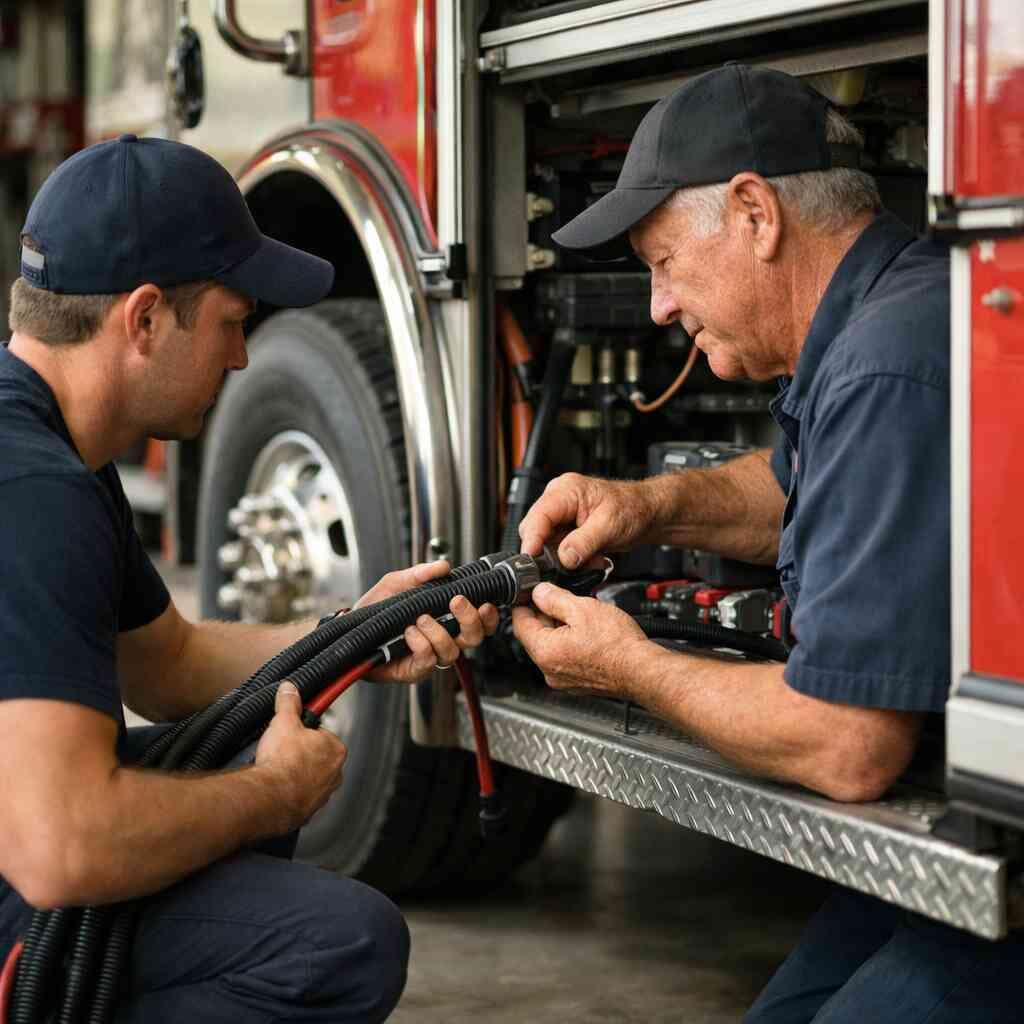
We always encourage buyers to look at the full assembly. Junctions, receptacles, pigtails, and extensions should work together. If one part is mismatched, the whole system suffers. Firefighting equipment reliability in emergency service depends on those details more than people think. Fire Power Products fits best where durable design and honest exposure matching are both priorities.
When to review connector maintenance best practices before summer demand pushes equipment harder
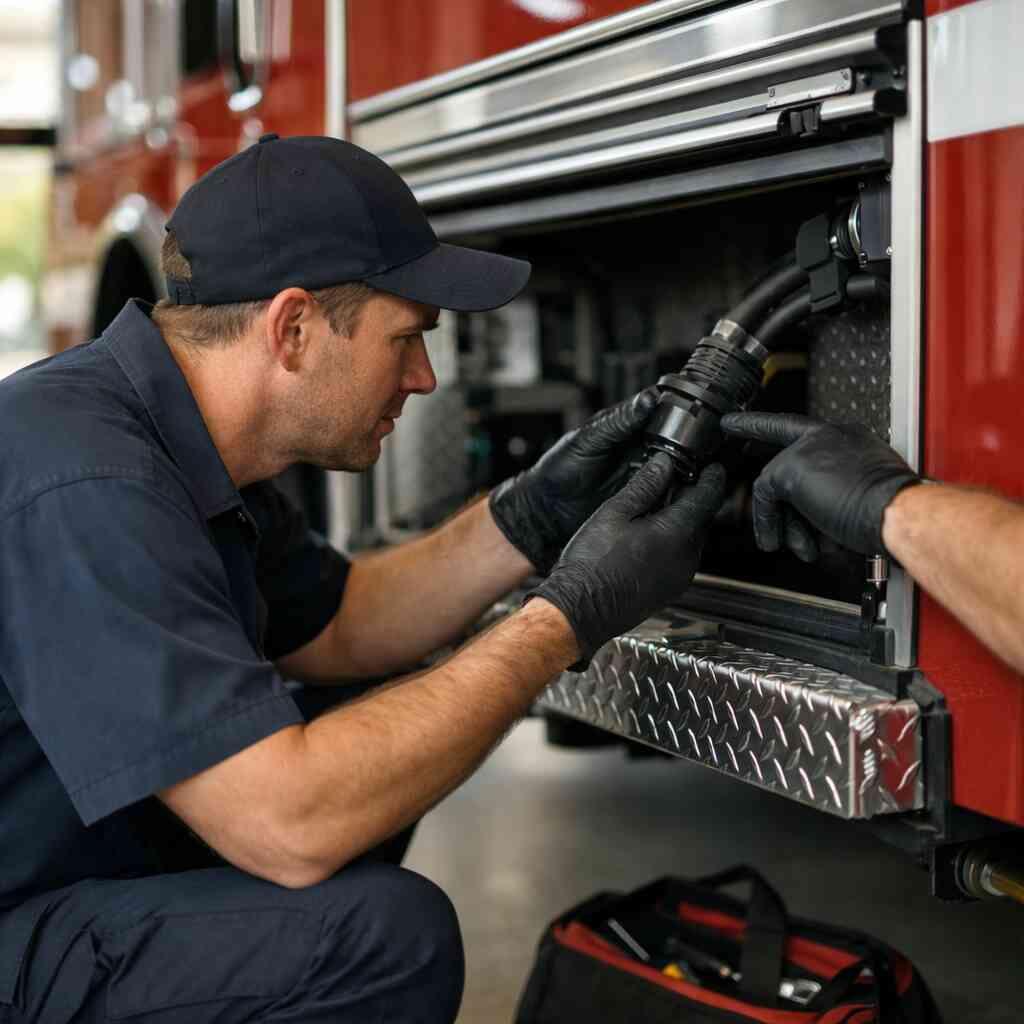
Review connector maintenance best practices before the season gets busy. Do not wait for a fault to force the conversation. Inspect seals, clean contact areas, check strain relief, and look for boot wear. Then record what you find. Small issues are cheaper to fix early.
A manager in a regional fleet shop once told us they saved a week of downtime by spotting cracked boot material during a routine check. It was not dramatic. It was just smart timing. That is the value of maintenance discipline. If you build it into the schedule now, you avoid scrambling later. And if you want a steadier path forward, start with one inspection, one replacement list, and one honest conversation about exposure. You do not have to figure it all out today.
Frequently Asked Questions
Question: What is the best connector seal rating for summer 2026 for fire safety equipment connectors?
Answer: The best connector seal rating depends on the actual connector environmental exposure, not on the highest number alone. For summer 2026, many buyers should start by looking at how much heat, humidity, dust, spray, and wash-down exposure the connector will face. In protected indoor areas, a moderate weatherproof connector rating may be enough. For outdoor storage, frequent cleaning, or roadside use, higher connector ingress protection may be more appropriate. Fire Power Products focuses on durable fire safety equipment connectors designed for demanding environments, but the right choice still depends on the application. The safest approach is to match the seal level, strain relief, and boot protection to the real job instead of assuming one rating fits every setup.
Question: How do I compare sealed electrical connectors, moisture resistant connectors, and dust and water resistant connectors?
Answer: These terms are related, but they do not always mean the same level of protection. Moisture resistant connectors may handle humid air or light dampness, while dust and water resistant connectors are intended to better limit contamination from particles and liquids. Sealed electrical connectors usually suggest a more complete approach to connector environmental sealing, but the actual protection still depends on the design, installation quality, and maintenance habits. At Fire Power Products, we recommend comparing connector seal performance against the real environment first. If the connector will face wash-downs, road grit, or repeated handling, then stronger industrial connector protection and reliable connector gasket integrity become much more important than a label alone.
Question: Why are connector strain relief and connector boot protection important for connector reliability under harsh conditions?
Answer: A seal can only do so much if the cable moves too much or the entry point is stressed. Connector strain relief helps reduce flexing at the termination point, which supports long-term connector seal performance. Connector boot protection adds another layer of defense by helping reduce abrasion and limiting contamination near the cable entry. Together, they support connector reliability under harsh conditions, especially where equipment is moved, stored, washed, or exposed to temperature cycling resistance issues. Fire Power Products takes a system-based view of ruggedized connector systems, because a connector is only as dependable as its full assembly, including the cable entry, mating surfaces, and routing.
Question: What should I look for in a connector selection guide before choosing a weatherproof connector rating?
Answer: A practical connector selection guide should begin with exposure, not price. First identify whether the connector will face indoor storage, outdoor humidity, hose-down cleaning, dust, or frequent handling. Next, consider connector contamination prevention, mounting position, and cable movement. Then compare the needed IP rating for connectors, the quality of connector gasket integrity, and whether the assembly includes enough connector strain relief. A higher weatherproof connector rating is worth it when the equipment truly needs it, but it can be unnecessary in protected installations. Fire Power Products serves buyers who want fit-for-purpose sealed connection solutions, especially when durability and dependable performance matter more than a shortcut.
Question: In What Is the Best Connector Seal Rating for Summer 2026, how does connector corrosion resistance affect heavy-duty connector applications?
Answer: Connector corrosion resistance is critical in heavy-duty connector applications because heat, humidity, moisture, and contamination can all accelerate failure inside the connector interface. Corrosion often begins where it cannot be seen, which is why connector environmental sealing must be chosen carefully. For summer 2026, environments with wash-down exposure, outdoor storage, or road grime often need higher high durability connector seals and better hose-down resistant connectors. Fire Power Products understands that outdoor connector reliability depends on the full assembly, not just a label. That is why buyers should evaluate the connector seal rating alongside exposure level, cleaning routines, and maintenance plans. A smart choice today can reduce troubleshooting later and help keep fire safety equipment connectors ready when needed.
Question: When should connector maintenance best practices be reviewed before summer demand increases?
Answer: Connector maintenance best practices should be reviewed before the season gets busy, not after a fault appears. Inspect seals, clean mating surfaces, check connector boot protection, verify connector strain relief, and look for signs of wear or contamination. Summer heat connector performance can degrade faster when humidity and repeated handling are involved, so early inspection matters. Fire Power Products recommends looking at the entire system, including junctions, receptacles, pigtails, and extensions, so the sealed connection solutions work together correctly. If you notice cracked boots, loose routing, or damaged sealing surfaces, address them early. That is the most practical way to support connector durability standards and reduce avoidable downtime.