What Is Fire Power Products for Florida EMS Buyers 2026
June 17, 2026
Why Florida EMS buyers keep running into equipment failure at the worst possible moment
If you have ever watched a perfectly serviceable setup fail during a rainy handoff, you already know the feeling. It is frustrating, expensive, and strangely avoidable. Florida EMS buyers live with that pressure every day because equipment has to work through heat, moisture, vibration, and hurried cleanup. That is why Florida EMS equipment decisions should start with operational reality, not glossy language. The stakes are not abstract. They show up on scene, in the bay, and during the next call.
What field abuse, washdowns, and rapid redeployment reveal about responder gear
Field abuse exposes weak gear fast. So do washdowns. So does the rapid redeployment that happens between calls when nobody has time to baby a component. In high-use responder gear, the real test is not how it looks on delivery day. The test is how it holds up after repeated use, hose-down resistant cleaning, and constant movement in and out of vehicles. That is the difference between responder-ready equipment and equipment that only sounds tough in a brochure.
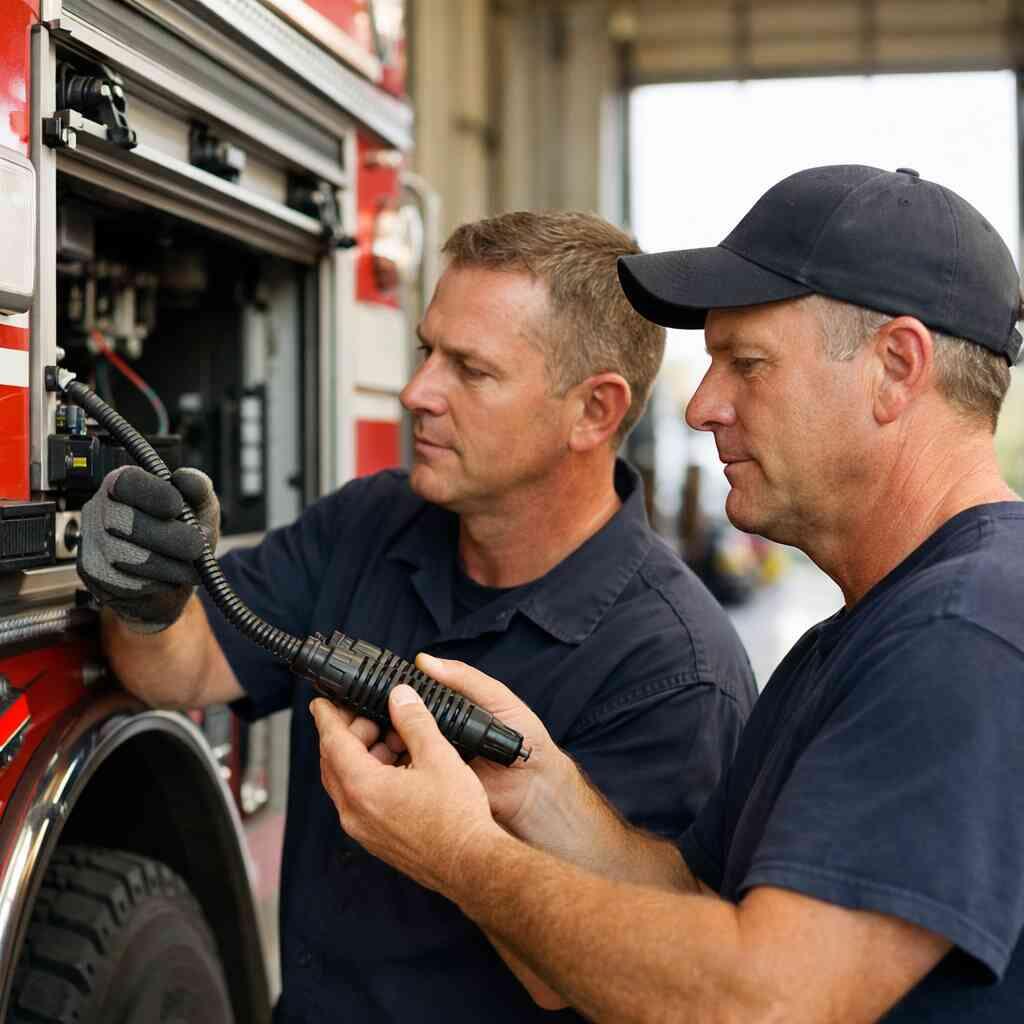
On the projects we’ve finished this year, the same pattern keeps showing up. The most expensive failures are rarely dramatic. They are small, frustrating, and cumulative. A loose connector, a compromised junction, or a pigtail that does not like vibration can interrupt an entire workflow. You may not notice the weakness until a late-night call, and by then the cost is already real.
One crew told us about a unit that passed every visual inspection but still became unreliable after repeated washdowns. The issue was not obvious at first. It surfaced only after the gear spent weeks in the kind of wet, hot, hurried environment Florida creates so naturally. That kind of problem is exactly why field-tested fire equipment matters more than marketing copy. You need gear that fits the pace of emergency operations equipment, not gear that just photographs well.
Why ambulance equipment solutions need to be judged by real operational durability, not brochure language
Most buyers know this instinctively, but procurement paperwork can blur the point. A spec sheet may list features cleanly, yet that does not tell you how the part behaves in daily service. Ambulance equipment solutions must survive vibration, repeated handling, moisture, and the mess of real work. That means you should ask how a component performs under equipment for demanding conditions, not only what the catalog claims. Here is the part most buyers miss: durability is usually a system issue, not a single-feature issue.
It helps to think in practical terms. Ask whether the gear is built for operational durability in a unit that gets washed, loaded, unloaded, and rushed back into service. Ask whether the product family supports station-ready equipment habits, because station life is rougher than most people outside EMS realize. Ask whether the parts help protect uptime, since downtime creates its own chain reaction. A missed connection can delay equipment, and delayed equipment can complicate an already hard call.
Buyer questionWhat you are really checkingCan it handle washdowns?Moisture tolerance in real daily useCan it survive vibration?Connection stability during transportCan it be redeployed quickly?Workflow fit in fast-moving operationsCan it stay consistent?Reliability over repeated cyclesThat table sounds simple, but it is the right way to think. In our experience, the biggest mistake is treating durability as a vague promise. Instead, judge every part as mission-critical gear or optional clutter. The difference becomes obvious the first time the weather turns and the unit still has to roll.
Where Fire Power Products fits in the DeLand Florida fire equipment supplier conversation
This is where Fire Power Products enters the conversation for buyers who need more than a generic supply relationship. Based in DeLand, Florida, Fire Power Products sits inside a local, practical market that values durable safety equipment and dependable sourcing. That local context matters because Florida conditions are not gentle. Heat, humidity, salt air in some regions, and heavy call volume all change what “good enough” means. A DeLand Florida fire equipment supplier has to understand that reality, even when serving teams beyond the immediate area.
What stands out is the positioning of Fire Power Products as made in USA fire safety products engineered for demanding conditions. That matters to procurement teams because it narrows the gap between spec language and field expectations. It also gives buyers a clearer starting point when they are comparing trusted responder equipment options. The point is not to overpromise. The point is to identify a product family that was built with rugged use in mind, then verify fit for your exact application.
If you are reading this because your current gear has already disappointed you, that is understandable. You are not alone. We hear this from clients almost every week, especially when they manage mixed fleets and have to keep everything moving. The better path is to evaluate suppliers by how they think about public safety equipment, not just by how they sell it. That is where Fire Power Products earns attention in the first responder supply vendor conversation.
What Fire Power Products actually means for procurement teams evaluating high use responder gear
For procurement teams, Fire Power Products is not just a name. It is a shorthand for a category of fire service products designed around hard use, careful compatibility, and long service life. That does not mean every item is right for every fleet. It does mean the product line is worth evaluating when you need rugged emergency response equipment that will face repeated abuse without constant babysitting. The procurement mindset should stay disciplined here. Verify the application, confirm the fit, and never assume one part solves every problem.
How Duraline Fire Power products are positioned for emergency medical services gear and fire service products
Fire Power Products comes through Duraline, and the line is positioned for emergency medical services gear as well as broader fire service use. That matters because EMS buyers often need equipment that crosses from ambulance workflows into fire and rescue operations. The same unit may support patient care, scene lighting, or power distribution. In that environment, part selection should support professional EMS supplies standards, not only basic utility. Reliable parts reduce friction, and friction is what slows crews down.
Fire Power Products is a useful starting point if you want to understand the brand on its own terms. It helps frame the product family before you compare individual components. What you should look for is the overlap between emergency medical services gear and fire service products that have to survive daily handling. That overlap is where procurement decisions become easier. You stop buying by guesswork and start buying by function.
A small but telling detail is how these products are discussed in relation to first responder equipment and response environments. That tells you the intended use is not decorative or occasional. It is rooted in actual field demands. For teams managing ambulance equipment solutions, that distinction can save a great deal of rework later. Compatibility matters, but durability comes first.
What IP68 connector and pigtail families suggest for demanding incident response equipment environments
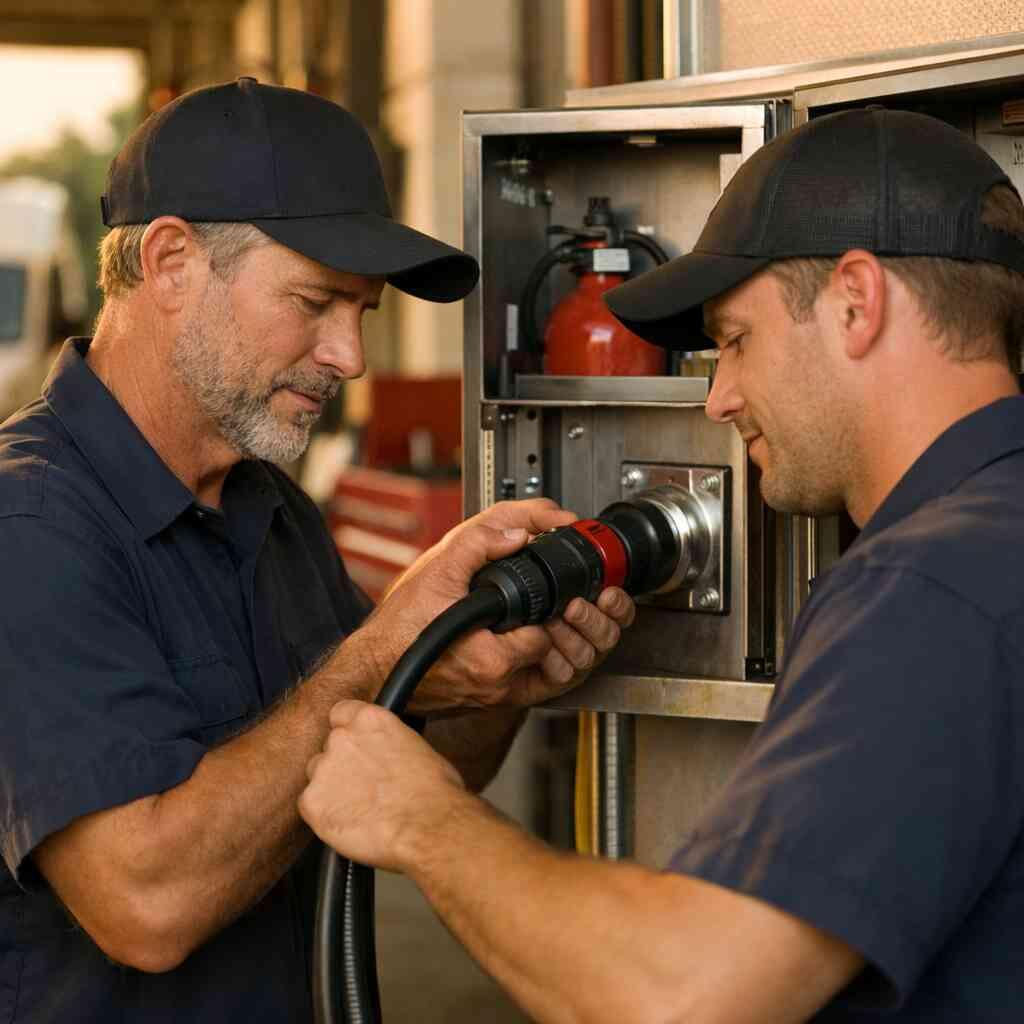
When buyers see IP68 connector and pigtail families, they usually want to know what that suggests in real terms. It suggests attention to sealed, demanding environments where moisture and contamination matter. It suggests a product family aimed at incident response gear rather than light-duty electrical accessories. It also suggests the manufacturer expects users to need reliable emergency gear that keeps working when the environment is unpleasant. That is a good sign, provided the exact product matches your use case and specifications are verified. The most useful way to think about IP68 is not as magic, but as a design clue. It points toward parts intended for hose-down resistant equipment environments and other rough settings. That is especially relevant for Florida EMS buyers, because cleaning routines are not optional. Crews need parts that can support cleaning without immediately becoming the weak link. Buyers should still confirm the actual rating and part details before ordering.
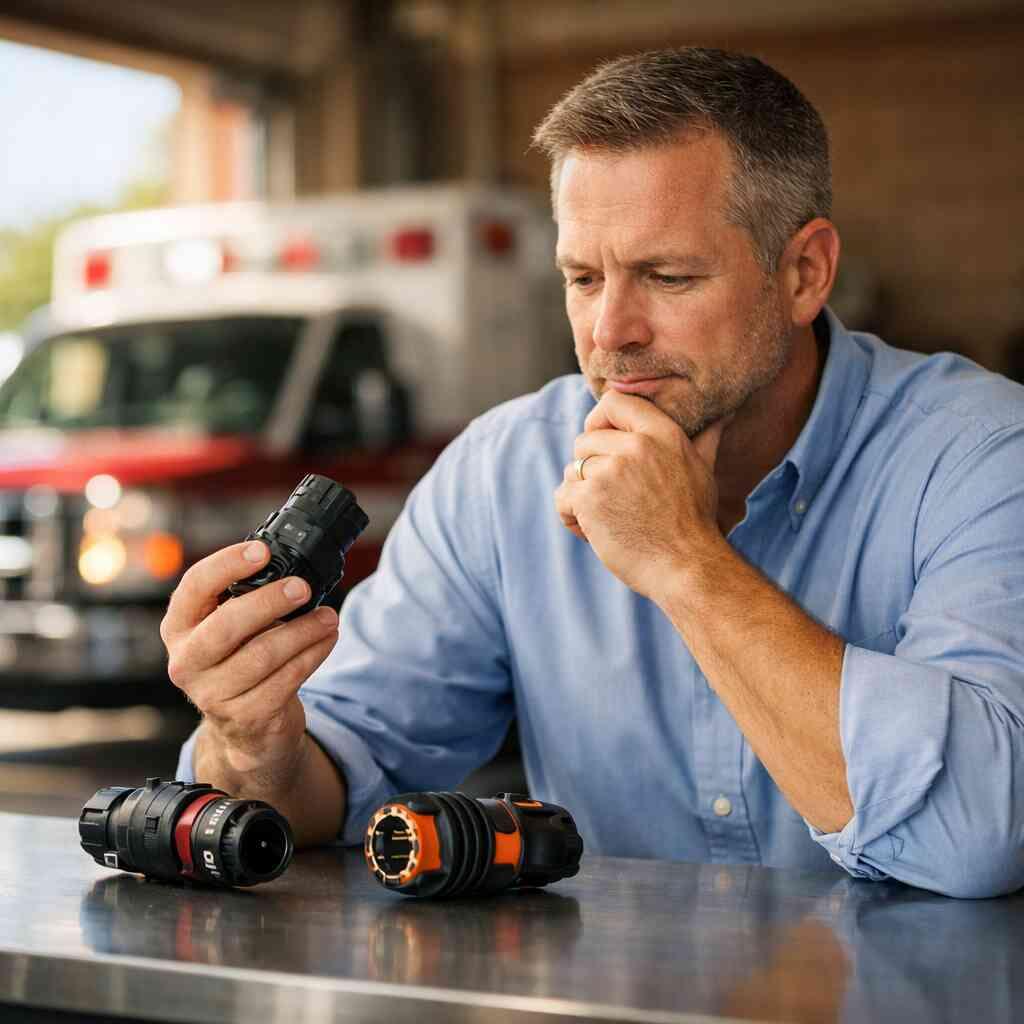
You will also want to compare how the connector families align with your equipment layout. Some fleets need flexibility. Others need tight, repeatable routing. In either case, the conversation should center on compatible responder equipment and build quality, not assumptions. A product family that handles tough use on paper may still need careful planning in the vehicle. That is normal procurement work, not a red flag.
When electrical extensions junctions receptacles and accessories become mission critical instead of optional
A lot of buyers think of extensions, junctions, receptacles, and accessories as secondary items. They are not always secondary. In the field, they can become the parts that keep the whole system functioning. That is especially true when you depend on Florida emergency vehicle equipment with repeated charging, routing, or distribution needs. A weak accessory can turn into an operational bottleneck. Suddenly, the small part is the critical part.
Fire Power electrical junctions receptacles and accessories for mission-critical gear is exactly the kind of category procurement teams should examine closely. The reason is simple. The supporting components often determine whether the bigger system stays dependable. If your mission-critical gear depends on consistent electrical management, then the supporting parts deserve the same scrutiny as the visible equipment. That is how you reduce surprises.
One EMS supervisor described a setup that looked fine until repeated use loosened the supporting hardware. Nothing dramatic failed. Instead, the crew started losing time to annoying resets and repositioning. That kind of issue drains attention. It also reinforces a basic truth: in emergency preparedness supplies, the hidden components are often the ones that decide whether the system feels dependable or troublesome.
The purchasing frame that helps Florida EMS buyers choose station ready gear without regret
Buying well is less about finding the flashiest product and more about asking disciplined questions. That is especially true in Florida, where heat and moisture punish weak designs. If you are building out or replacing station-ready equipment, your process should focus on fit, ruggedness, and operational confidence. Good procurement is not emotional. It is careful, practical, and repeatable. You are trying to prevent regret, not impress a catalog.
Which buying questions matter most when equipment must handle hose down resistant conditions and daily deployment
Start with the obvious question: what exactly will this part endure? Then ask how often it will be handled, cleaned, moved, or exposed to moisture. If you need hose-down resistant equipment, make that a hard requirement, not a hopeful assumption. Ask whether the design supports daily deployment without loose tolerances or fragile points. Finally, ask who will service or replace it if something changes later.
Use a checklist, not a hunch:
- Is the application clear and specific?
- Has the exact rating or specification been verified?
- Does the part fit your vehicle or station workflow?
- Can the component handle repeated cleaning?
- Does the supplier provide enough product detail for procurement review?
Those are basic questions, but they save time. They also protect you from buying heavy-duty safety products that are only heavy on adjectives. If the product cannot be verified for your environment, keep looking. Precision matters more than persuasion.
How to compare trusted responder equipment for compatibility ruggedness and field use in Florida emergency vehicle equipment
Comparison shopping gets easier when you break the decision into categories. First, check compatibility with the vehicle or station setup. Second, look at ruggedness in the context of transport, vibration, and washdown. Third, assess field use by asking how the part behaves after repeated cycles. That is the practical filter for trusted responder equipment. It also helps you compare Florida emergency vehicle equipment without getting lost in surface-level features.
Comparison areaWhat matters mostWhat to verifyCompatibilityFit and routingVehicle, system, and use-case matchRuggednessHandling and moisture toleranceBuild style and product family detailsField useRepeatability under pressurePerformance after repeated deploymentProcurement valueLong-term utilityReplacement burden and support clarityThat framework is useful because it keeps the conversation honest. You are not buying based on hope. You are buying based on EMS purchasing considerations that reflect the work itself. If a product line supports durable public safety solutions, it should be able to survive the practical questions too. That is where good vendors stand apart from average ones.
What a practical next step looks like when sourcing made in USA fire safety products from a local vendor in DeLand
If you need a next step, keep it simple and concrete. Start by reviewing one product category that matches your most failure-prone area. Then ask for exact compatibility details and verify the specification before you commit. If you want local support, Contact Duraline in DeLand Florida for fire equipment supplier support and ask targeted questions about your use case. That is a better move than collecting ten vague quotes and hoping one fits.
There is also value in working with a local Florida contact who understands both product intent and regional conditions. DeLand is not an abstract pin on a map. It is a practical base for buyers who want responsive support from a local Florida fire equipment company. That matters when your team needs clarity fast. It also matters when your equipment supports safety equipment for paramedics and other frontline work. You do not have to figure this out alone, and you do not have to figure it all out today. Start with one phone call, one product family, and one honest conversation about the demands your crews actually face.
Frequently Asked Questions
Question: What is Fire Power Products for Florida EMS Buyers 2026, and how does it fit into an EMS buyer guide for Florida EMS equipment?
Answer: Fire Power Products is a product line from Duraline based in DeLand, Florida, created for buyers who need durable safety equipment for demanding field use. For Florida EMS buyers, the main value is that the line is positioned around operational durability, not just appearance or general-purpose utility. In an EMS buyer guide, that means looking at Fire Power Products as a source of responder-ready equipment that can better align with daily deployment, moisture exposure, vibration, and fast redeployment. It is still important to verify the exact product specifications, ratings, and compatibility for your application, but the line is clearly intended for high-use responder gear and emergency medical services gear that must perform in real working conditions.
Question: What types of emergency medical services gear and fire service products should Florida EMS buyers evaluate from Fire Power Products?
Answer: Florida EMS buyers should focus on the types of emergency medical services gear and fire service products that support the most common failure points in the field, such as connectors, pigtails, junctions, receptacles, extensions, and related accessories. These are often the parts that determine whether a system stays dependable under heavy use. If your fleet depends on Florida emergency vehicle equipment, then even small components can become mission-critical gear. Fire Power Products is worth evaluating when you need trusted responder equipment that supports consistent use, especially in environments where washdowns, movement, and repeated handling are part of the daily routine. As always, procurement teams should confirm exact fit and spec details before ordering.
Question: Are Fire Power Products connectors and pigtails suitable for hose-down resistant equipment needs in demanding incident response gear environments?
Answer: Fire Power Products connector and pigtail families are positioned for demanding environments, including situations where moisture and frequent cleaning matter. For buyers, that suggests a strong fit for hose-down resistant equipment needs, but it should be understood as a product cue rather than a blanket guarantee. The right approach is to verify the exact product rating and confirm that the part matches the vehicle or station workflow. In practice, this kind of gear is especially relevant for incident response gear and emergency operations equipment that must survive repeated cleaning and daily deployment. If your team needs reliable emergency gear that can help reduce downtime and support operational continuity, this category deserves a close review.
Question: How should procurement teams compare Fire Power Products with other durable public safety solutions for station-ready equipment?
Answer: Procurement teams should compare Fire Power Products the same way they would compare any durable public safety solutions: by compatibility, ruggedness, and field use. First, confirm that the product fits the vehicle or system layout. Second, check whether the design appears suitable for vibration, moisture exposure, and repeated handling. Third, evaluate whether the part supports station-ready equipment habits without creating extra maintenance work. That framework helps buyers separate heavy-duty safety products from products that only sound durable. Fire Power Products stands out because it is tied to made in USA fire safety products and positioned for hard use, but the final decision should always be based on verified specifications and the realities of your EMS purchasing considerations.
Question: Why should a DeLand Florida fire equipment supplier like Fire Power Products matter to buyers looking for first responder equipment and safety equipment for paramedics?
Answer: A DeLand Florida fire equipment supplier matters because local understanding can make a real difference when buyers are choosing first responder equipment and safety equipment for paramedics. Florida conditions are tough on gear, and a local Florida fire equipment company is more likely to understand how heat, humidity, frequent deployment, and washdown routines affect product selection. Fire Power Products, through Duraline in DeLand, is positioned as a source of durable safety equipment and professional EMS supplies designed for demanding conditions. That makes it a practical option for teams seeking ambulance equipment solutions, fire and rescue gear, and mission-critical gear that supports frontline work. Buyers should still verify product details, but the local context and focus on reliability are both meaningful advantages.
Question: What is the best next step for Florida EMS buyers who want to source Fire Power Products for emergency preparedness supplies and trusted responder equipment?
Answer: The best next step is to start with one product category tied to your most common failure point, then request exact compatibility and specification details before making a purchase. This is the most practical way to source Fire Power Products for emergency preparedness supplies, responder-ready equipment, and other trusted responder equipment without overcommitting. If you want direct support, contact Duraline in DeLand, Florida and explain your actual use case, vehicle setup, and environmental demands. That kind of focused conversation is much more useful than collecting broad quotes with incomplete details. For Florida EMS equipment buyers, the goal is not just to buy something durable. The goal is to choose equipment for demanding conditions that fits your workflow, supports uptime, and reduces avoidable problems in the field.