Top 5 Fire Truck Cabling Checks for DeLand Fleet Managers
November 3, 2026
The five most important fire truck cabling checks are battery cable condition, harness routing, connector and terminal condition, grounding and bonding, and documented wear tracking. If you want to keep apparatus ready in DeLand, start there. Those are the failures that most often lead to no-starts, lighting glitches, and surprise downtime.
Key Takeaways
- Battery cable problems usually show up first as slow cranking, heat at terminations, or voltage drop under load.
- Harness routing and loom protection matter because vibration, sharp edges, and moving parts slowly wear insulation away.
- Connector and terminal inspection should focus on corrosion, looseness, and moisture intrusion after washdowns or storms.
- Grounding and bonding issues often create intermittent faults that are hard to trace and easy to misdiagnose.
- Documenting cabling wear helps DeLand fleet managers prioritize repairs before a small issue becomes apparatus downtime.
-
Battery Cable Condition That Quietly Decides Whether the Truck Starts
Battery cable condition is the first place to look because weak terminations, corrosion, and hidden heat damage can create a voltage drop that only shows up under load. In a DeLand fleet, that means you may see a truck that seems fine at idle but struggles when you need a clean start and dependable electrical power.
Where voltage drop shows up first in fire truck cabling checks for DeLand fleet managers
Voltage drop often appears at the battery ends, starter feed, or long cable runs where resistance has crept up over time. On a cabling inspection checklist, look for delayed cranking, dimming lights during start, and terminals that feel warm after operation. Those are early signs that emergency vehicle wiring maintenance needs attention before the truck becomes unreliable.
One shop I worked with found a truck that only failed after a string of short calls. The culprit was not the battery itself. It was a cable end that looked acceptable until load testing exposed a bad connection buried under oxidation.
What battery cable corrosion, loose terminations, and heat damage look like during a cabling inspection checklist
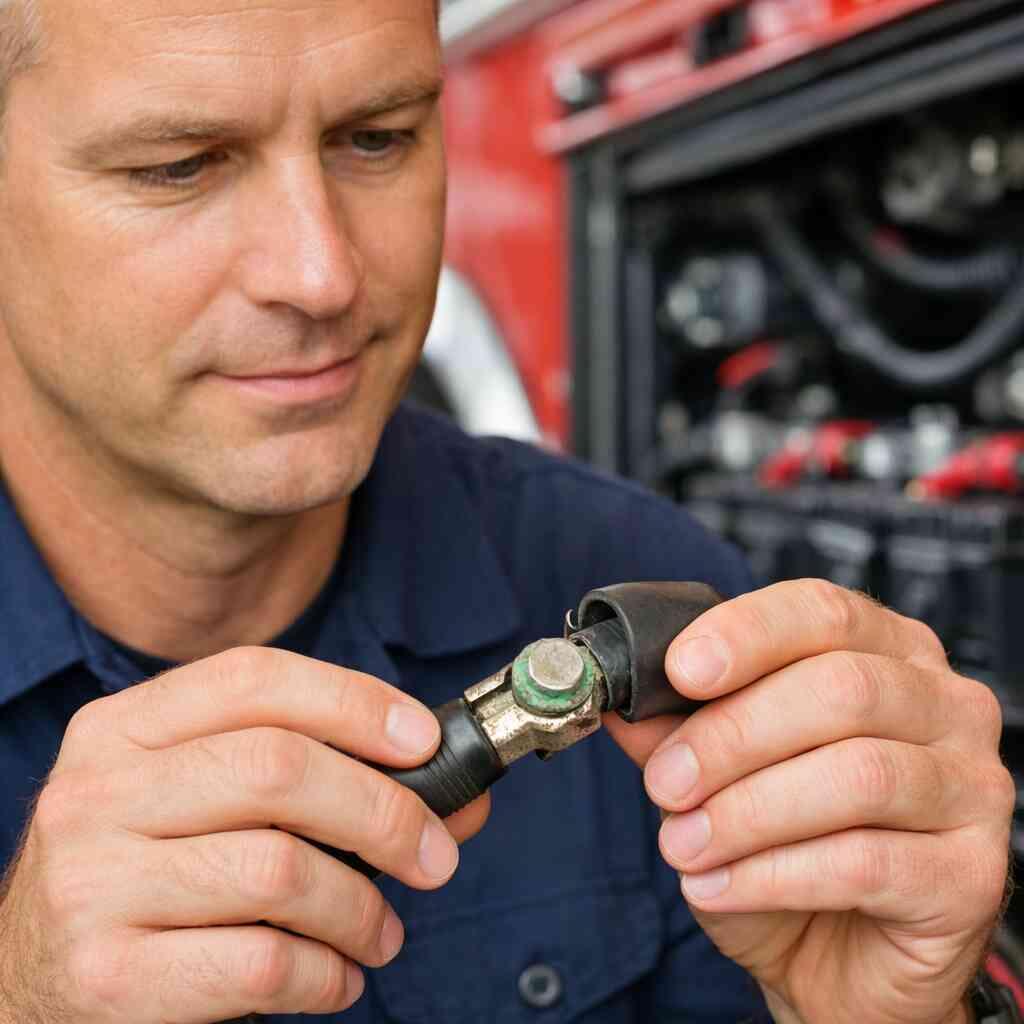
Corrosion usually shows up as green or white buildup, brittle insulation, or a powdery film around the lug. Loose terminations may leave witness marks, movement at the post, or uneven compression on the connector. Heat damage often appears as hardening, discoloration, or a faint burnt odor near a high-resistance joint.
A practical fire truck electrical troubleshooting pass should include:
- Tug testing each termination gently
- Checking for cracked insulation near bends
- Looking for melted loom near hot surfaces
- Verifying torque on lugs and clamps
- Confirming cables are sized and routed without strain
Why emergency vehicle wiring maintenance should include cable routing, clamp security, and strain relief before an intermittent no-start turns into downtime
A cable that is electrically sound can still fail early if it is left unsupported. Poor routing lets vibration work the conductor back and forth until the strands weaken. Clamp security and strain relief reduce that movement and protect the cable from chafing at connection points.
If you want a broader field reference, the U.S. Bureau of Labor Statistics tracks the physical demands and injury risk in emergency-response work, which is one reason apparatus maintenance has to assume hard use rather than ideal use. That reality should shape your fleet preventive maintenance routine, not the other way around.
-
Harness Routing and Loom Protection That Prevents Roadside Chafing
Harness routing fails when wiring is allowed to rub against metal edges, move with suspension travel, or sit too close to parts that vibrate. Loom protection is the barrier that slows that wear, but it only helps if it still covers the contact points and has not split, flattened, or pulled loose.
How fire truck harness routing fails at sharp edges, moving components, and repeated vibration
The most common failure points are frame edges, firewall penetrations, hinged compartments, and any area where the harness crosses a moving component. Repeated vibration can saw through insulation even when the loom looks intact from a distance. That is why fire truck harness routing needs a hands-on inspection, not a quick visual pass from the bay floor.
Here is the part most crews miss: the damage usually starts where the harness flexes slightly every time the apparatus moves. It does not need a dramatic impact. It only needs repeated exposure.
When wire loom protection and abrasion prevention should be rechecked on apparatus that runs local call-heavy routes
Recheck loom protection any time the apparatus has had a front-end service, pump-area work, suspension repair, or accessory relocation. In call-heavy service, especially around DeLand where stop-and-go driving and frequent apparatus cycling add wear, a loom can degrade faster than the rest of the system.
A simple comparison helps:
ConditionWhat you may seeActionMinor scuffingOuter loom worn but conductor untouchedMonitor and note locationSplit loomUnderlying wire visible at one pointRepair promptlyRepeated abrasionCopper or insulation damagedRemove from service until fixed### Which contact points around the chassis deserve extra attention during fire apparatus electrical inspections
Focus on these contact points:
- Frame rails and crossmembers
- Battery tray edges
- Pump panel transitions
- Hood hinges and body pivots
- Compartment door pinch points
- Near exhaust or heat sources
- Around brackets added after upfit changes
If you are using How to Plan Q4 2026 Fire Truck Cabling in DeLand as a maintenance planning reference, the real value is not the calendar. It is the reminder to verify routing after every hardware change, because small routing errors are hard to see and expensive to ignore.
-
Connector and Terminal Inspection Where Moisture Intrusion Starts Winning
Connector and terminal inspection is where moisture intrusion first turns into a fault. Corrosion, looseness, and damaged seals reduce conductivity long before a connector fails completely, so this check is about catching small losses before they become electrical trouble in service.
What to look for at connectors, junctions, and receptacles before corrosion becomes an electrical fault
Look for verdigris, pitting, bent pins, loose locking tabs, and moisture trapped inside housings. A good first responder vehicle electrical systems review also checks for cracked seals and connectors that no longer seat firmly. If a terminal wiggles, it is already telling you the joint has been compromised.
Moisture problems often masquerade as random failures. A warning light may flicker, then work normally again. That pattern usually means the electrical path is changing as the connector warms, cools, or shifts under vibration.
Why moisture intrusion detection matters after washdowns, storms, and pump area exposure in Florida conditions
Washdowns push water into imperfect seals. Storms add humidity and contamination. Pump area exposure adds splash, heat, and repeated contact with hoses and fittings. In Florida conditions, that combination makes moisture intrusion detection a practical necessity, not a luxury. Fire truck maintenance teams that stay ahead of that problem usually dry, inspect, and reconnect critical plugs after exposure instead of waiting for a fault code or visible failure. That habit reduces intermittent electrical issue troubleshooting later.
How sealed connection points and proper terminal support fit into first responder vehicle electrical systems maintenance
Sealed connection points help keep out water, but they only work when the terminal is also properly supported. Unsupported terminals can twist under load and slowly open a gap that invites corrosion. Proper support also prevents conductor fatigue where the wire enters the connector body.
A strong maintenance pass should verify:
- Seal integrity at every critical connector
- No strain on the wire entry point
- Tight, clean terminals with no heat discoloration
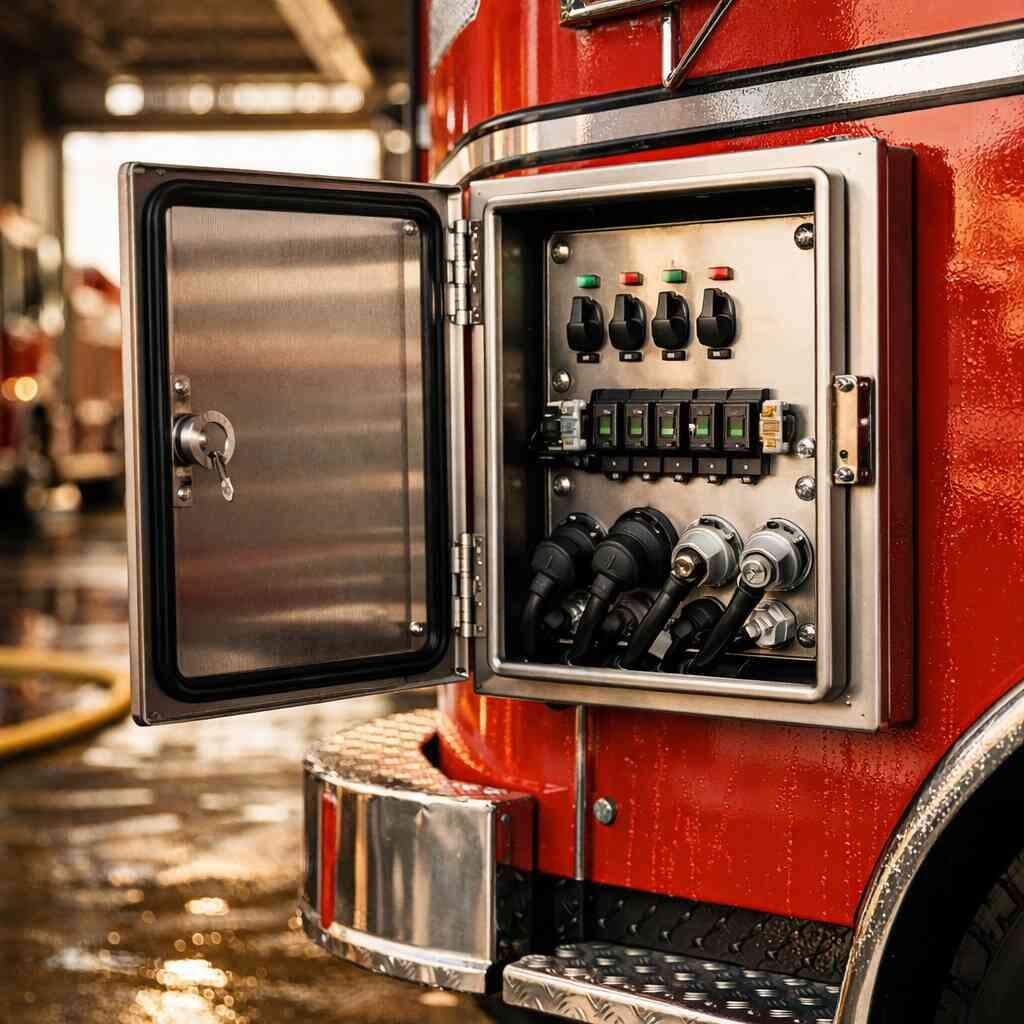
- Secure receptacles on the pump panel and body
- Dry, clean mating surfaces before reassembly
For background on fair, factual product claims and maintenance communication, the FTC advertising guidance is a useful reminder to describe performance honestly and precisely. That standard matters in fleet maintenance too.
-
Grounding and Bonding Problems That Turn Into Ghost Failures
Grounding and bonding inspection matters because weak returns create symptoms that look unrelated. Lighting glitches, accessory resets, and warning system cabling issues often trace back to a ground path that has gone high-resistance or intermittent, not to the component everyone wants to replace first.
How grounding and bonding inspection helps trace lighting glitches, warning system cabling issues, and erratic accessory behavior
If a light flickers when another accessory turns on, or a siren behaves differently after the engine starts, suspect the ground path. Poor bonding can change how current returns through the chassis, which makes electrical faults appear and disappear. That is why grounding and bonding inspection belongs in every serious cabling inspection checklist.
A weak bond can create misleading symptoms across multiple circuits at once. That is why chasing the obvious component is often the wrong move.
The hidden signs of chassis wiring integrity loss that show up as intermittent electrical issue troubleshooting
Chassis wiring integrity problems often hide in plain sight. You may find paint under a ground strap, loose fasteners, oxidized lugs, or a cable that has shifted enough to stress the terminal. You may also see a system that works on the bench but fails in motion.
These are the warning signs:
- Intermittent function with no obvious pattern
- Multiple accessories misbehaving at once
- Heat at the bond point
- Corrosion under the washer or lug
- A return path that changes when the cab moves
Why a single weak bond can complicate pump panel wiring checks and lead to misleading fault hunts
Pump panel wiring checks can become misleading when the panel ground is weak. A gauge issue may look like a sensor failure. A lighting issue may look like a switch problem. In reality, the problem may sit in the bond between the panel, frame, and body.
That is why practical municipal fleet reliability programs test returns as carefully as feeds. A clean bond saves time, reduces parts swapping, and shortens downtime.
-
The Cabling Check That Keeps DeLand Apparatus Ready for the Next Dispatch
The best cabling check is the one you repeat on a schedule, document clearly, and use to decide what gets repaired now versus watched later. For DeLand Florida fire fleet maintenance, that means turning observations into action so apparatus readiness is based on evidence, not guesswork.
How to turn fire apparatus maintenance schedule planning into a practical cable wear assessment routine
Build a routine that matches how the apparatus is used. Start with the highest-stress circuits, then inspect battery cables, harness routes, connectors, and grounds in the same order every time. A practical fire apparatus maintenance schedule should include a short post-call visual check and a deeper hands-on review at regular intervals.
Use the same checklist each time:
- Battery cables and terminations
- Harness routing and loom condition
- Connectors, receptacles, and seals
- Grounds, bonds, and return paths
- Notes for repair, monitor, or replace
Which findings justify immediate repair versus scheduled monitoring in municipal fleet reliability programs
Immediate repair is justified when you find exposed copper, burned insulation, loose power connections, or a ground fault that affects critical systems. Scheduled monitoring makes sense when you see light scuffing, minor discoloration, or a connector that is still tight and dry but beginning to age.
FindingBest responseExposed conductorRemove from service and repairLoose terminalTighten, test, and recheckMinor loom wearMark location and monitorCorroded connectorClean or replace promptlyWeak groundDiagnose before it spreads### Why DeLand Florida fire fleet maintenance teams should document cable condition, replacement priorities, and readiness decisions before the next response
Documentation helps you spot repeat problems, justify parts replacement, and explain why one unit needs attention before another. It also makes handoffs cleaner between shifts and service cycles. In a busy fleet, that paper trail is often what prevents the same cable issue from being rediscovered three times.
If you want durable electrical components built for harsh, hose-down conditions, Fire Power Products is a strong option to consider for fireground use. Their USA-made focus on rugged connectors and portable electrical systems fits the kind of demanding maintenance environment DeLand crews deal with.
Start with your highest-risk apparatus and inspect the cabling that has been touched, bent, or exposed to moisture most often. If you need help matching that inspection to durable components, call 369-279-000 and speak with Fire Power Products about the next practical step.
Frequently Asked Questions
Question: How can Fire Power Products help DeLand fleet managers improve fire truck cabling checks and reduce apparatus downtime?
Answer: Fire Power Products supports DeLand fleet managers by offering rugged electrical components designed for demanding fire service conditions, which can help strengthen fire truck cabling checks and reduce the chance of avoidable electrical faults. When a fleet is following a cabling inspection checklist, the goal is to catch battery cable condition issues, connector and terminal inspection problems, weak grounding and bonding, and harness routing wear before they turn into downtime. Durable components matter because they can better support emergency vehicle wiring maintenance in environments where vibration, washdowns, and frequent use are common. While every apparatus is different, Fire Power Products is a practical option for teams that want dependable parts for first responder vehicle electrical systems and a more consistent fire apparatus maintenance schedule.
Question: What should a cabling inspection checklist include for fire truck harness routing, wire loom protection, and cable abrasion prevention?
Answer: A strong cabling inspection checklist should focus on the areas where wear starts quietly and grows over time. For fire truck harness routing, that means checking for contact with sharp edges, moving components, hinges, brackets, and locations where vibration can slowly wear insulation away. Wire loom protection should be examined for splits, flattening, loose sections, and spots where the harness is no longer fully covered. Cable abrasion prevention also depends on harness strain relief, secure clamps, and proper routing away from heat sources and pinch points. Fire Power Products emphasizes durable equipment for harsh conditions, so it aligns well with the kind of practical, field-focused maintenance mindset that helps preserve chassis wiring integrity and supports long-term electrical fault prevention.
Question: What are the most important signs of battery cable condition problems during fire truck electrical troubleshooting?
Answer: The most common signs of battery cable condition problems are slow cranking, heat at the terminations, visible corrosion, loose lugs, and voltage drop under load. During fire truck electrical troubleshooting, technicians should inspect the cable ends, check for cracked or brittle insulation, and verify that the cable is not strained or rubbing against nearby components. A cable can look acceptable on the surface but still fail under demand because of internal corrosion or a weak connection hidden beneath the lug. That is why emergency vehicle wiring maintenance needs both visual inspection and hands-on testing. For fleets that rely on repeated response readiness, using dependable electrical components and maintaining a disciplined inspection routine can help reduce surprise failures and improve municipal fleet reliability.
Question: How does grounding and bonding inspection help with intermittent electrical issue troubleshooting in first responder vehicle electrical systems?
Answer: Grounding and bonding inspection is one of the most important steps in intermittent electrical issue troubleshooting because a weak return path can create problems that look unrelated. Lighting circuit diagnostics, warning system cabling, and pump panel wiring checks often become confusing when the real issue is a high-resistance ground or bond. Signs such as flickering lights, accessory resets, heat at a bond point, or behavior that changes when the cab moves are all clues that the return path needs attention. Fire Power Products is relevant here because reliable electrical hardware supports the kind of system stability fleet teams are trying to maintain, especially when they are focused on chassis wiring integrity and apparatus readiness. Good grounding and bonding practices help reduce misleading symptoms and make repairs faster and more accurate.
Question: Why is moisture intrusion detection so important after washdowns, storms, and pump area exposure on DeLand Florida fire fleet maintenance routes?
Answer: Moisture intrusion detection is critical because water, humidity, and contamination can enter connectors and terminals long before a full failure appears. After washdowns, storms, or pump area exposure, even a connector that still works may already have reduced conductivity, early corrosion, or a compromised seal. In Florida conditions, that makes connector and terminal inspection especially important as part of routine DeLand Florida fire fleet maintenance. Teams should check for moisture inside housings, cracked seals, bent pins, loose locking tabs, and terminals that no longer seat firmly. Fire Power Products fits this maintenance mindset because its products are designed for demanding conditions, and that kind of durability is valuable when crews need equipment that can support reliable emergency response readiness and reduce the chance of repeated electrical fault prevention work.
Question: How does the blog Top 5 Fire Truck Cabling Checks for DeLand Fleet Managers translate into a practical fire apparatus maintenance schedule?
Answer: The blog Top 5 Fire Truck Cabling Checks for DeLand Fleet Managers translates into a practical fire apparatus maintenance schedule by giving fleet teams a repeatable order of inspection. Start with battery cable condition, then move through harness routing, connector and terminal inspection, grounding and bonding inspection, and finally cabling wear assessment documentation. That sequence helps crews identify the most likely failure points first and decide whether a finding needs immediate repair or scheduled monitoring. For example, exposed conductor, loose power connections, or weak grounds justify immediate action, while minor loom wear or light scuffing may only require tracking. Fire Power Products supports this approach by offering rugged electrical solutions suited to the realities of high-use fire service equipment, helping teams build a more disciplined maintenance process and protect apparatus downtime reduction goals.