How to Compare 2026 UL and IP68 Seals in DeLand EMS
September 8, 2026
Why a seal that looks fine can still fail in DeLand EMS field conditions
A seal can look perfect and still fail under pressure. That is what most people miss. If you are reading this because moisture keeps showing up where it should not, you are not alone. We hear that frustration often from DeLand EMS crews and fleet managers. The hard part is that sealing problems usually begin before visible damage appears.
How UL and IP68 ratings answer different questions about enclosure sealing
A UL seal comparison and an IP68 seal comparison do not measure the same thing. UL language often addresses component behavior, material safety, or enclosure characteristics under defined conditions. IP68, by contrast, gives you a clearer ingress protection framework for dust and water resistance. That difference matters when you are choosing emergency medical service equipment protection. If you treat them as identical, you can buy the wrong level of defense.
Here is the part most people miss. A rating can be legitimate and still not answer your operational question. You may need waterproof equipment seals, but the standard you are reading might only speak to electrical safety or enclosure construction. For that reason, you should always ask what the rating actually covers. A spec sheet should never be read like a promise.
Where moisture intrusion starts in high-usage emergency medical service equipment
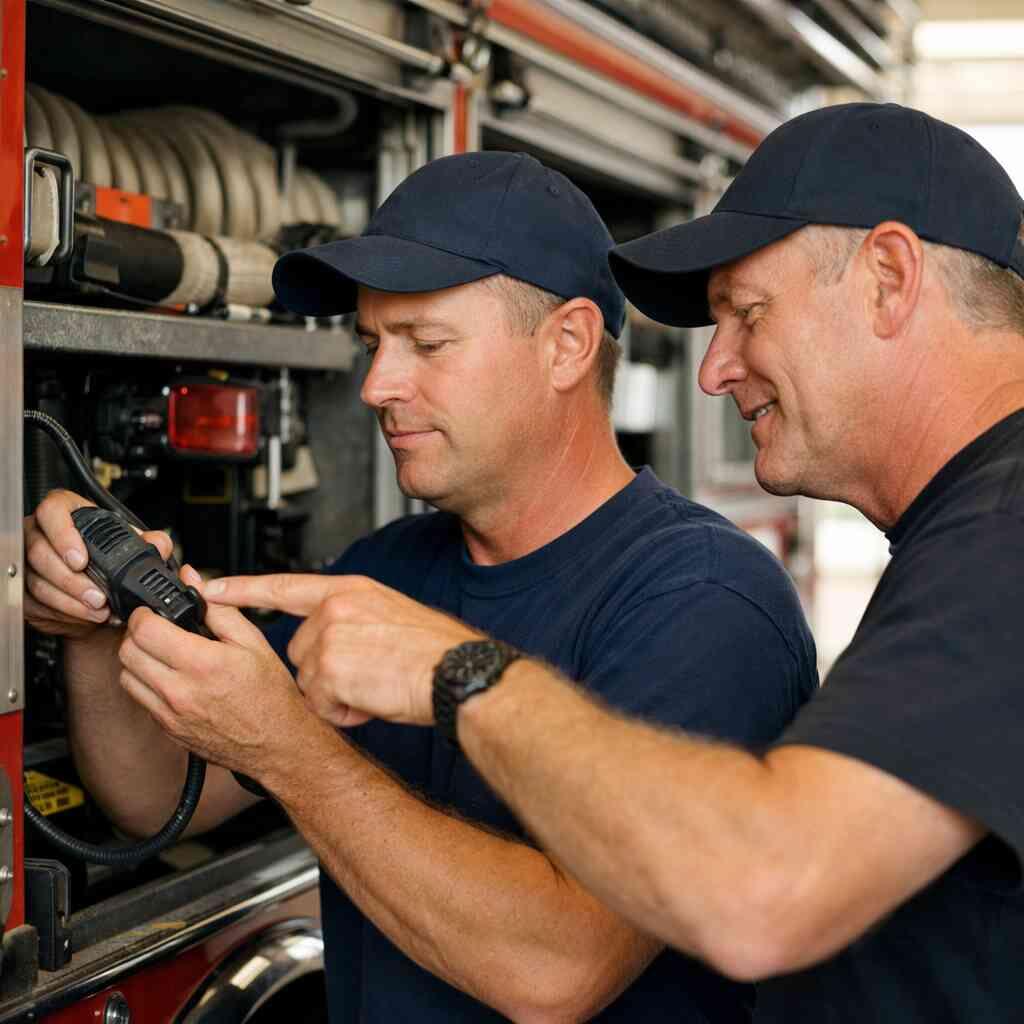
Moisture rarely enters from one dramatic failure point. It usually starts at tiny gaps, compressed gasket corners, connector backshells, or cable transitions. On busy rigs, repeated opening and closing slowly changes fit. Heat, vibration, and cleaning cycles make the problem worse. That is why moisture intrusion prevention must include the whole assembly, not just the housing.
One crew we spoke with kept seeing intermittent faults after washdown. The enclosure looked untouched. The real issue was a connector interface that had loosened over time, then wicked humidity in during long standby periods. Once they replaced the weak point, the failures stopped. That is the reality of high-usage equipment protection. The bad seal is often the one you never see.
Why dustproof equipment seals matter as much as water resistance in daily response work
Dust sounds less urgent than water. It is not. Dust and grit can abrade gasket edges, block mating surfaces, and interfere with latch closure. In field service, that contamination can become the first step toward electrical trouble. Good dustproof equipment seals help preserve the sealing system before water ever becomes the problem.
DeLand crews deal with more than rain. Road grit, station dust, sidewalk debris, and routine handling all attack the same interfaces. If your equipment sits in and out of service bays, that exposure adds up. Contamination resistance is not a luxury term. It is part of dependable field-ready fire safety equipment and ruggedized emergency equipment.
What DeLand Florida heat humidity and hose-down routines do to gasket material performance
Florida heat and humidity are rough on elastomers. Gasket material can swell, harden, or lose compression after repeated thermal cycling. Add hose-down routines, and you create a constant test of surface integrity. That is why gasket material performance deserves attention alongside rating labels. A seal that works on paper may degrade faster in real service.
On the projects we’ve finished this year, the failures often came after cleaning, not during active response. The water itself was not always the problem. The combination of heat, detergent residue, and repeated pressure made the material age faster. In DeLand, that means environmental sealing for EMS must account for both weather and maintenance habits. A seal only works if it survives the routine you actually use.
The comparison that actually matters when you are choosing sealing for ruggedized emergency equipment
Choosing between UL and IP68 becomes clearer when you stop asking which one sounds stronger. Instead, ask what failure mode you are trying to prevent. That shift saves money and avoids overbuying. It also improves compliance-focused equipment selection because you are matching the seal to the job. In fleet work, that is where reliability starts.
How to read UL seal language without assuming it means waterproof equipment seals
UL references can be useful, but they are not a shortcut to waterproof performance. A UL seal comparison should tell you what part, assembly, or enclosure was evaluated. It should also tell you what conditions were included and what were not. If that language is vague, you should not infer waterproof equipment seals from it. Precision matters here.
The safest reading is simple. UL can support your decision, but it should not be your only filter for emergency response equipment standards. Ask whether the language addresses enclosure design, component safety, or environmental exposure. Then compare it against your cleaning routine, mounting position, and service environment. That is how you make a compliance-focused equipment selection without guessing.
What IP68 seal comparison tells you about immersion, dust resistance, and environmental sealing for EMS
An IP68 seal comparison is more straightforward because the code is narrower and easier to interpret. It speaks directly to dust exclusion and water ingress under specified conditions. That makes it especially relevant for ingress protection ratings and environmental sealing for EMS. Still, you must check the exact test details behind the claim. The number alone never tells the full story.
If your gear sees outdoor use, hose rinse, or splash exposure, IP ratings give you a strong starting point. They help you compare outdoor-rated EMS gear more consistently. They also help you judge whether a part belongs in a wet zone or a protected interior. For many fleets, that distinction is more valuable than chasing the highest number available. Better alignment beats bragging rights.
When vibration-resistant connectors and harness connector sealing become the real weak point
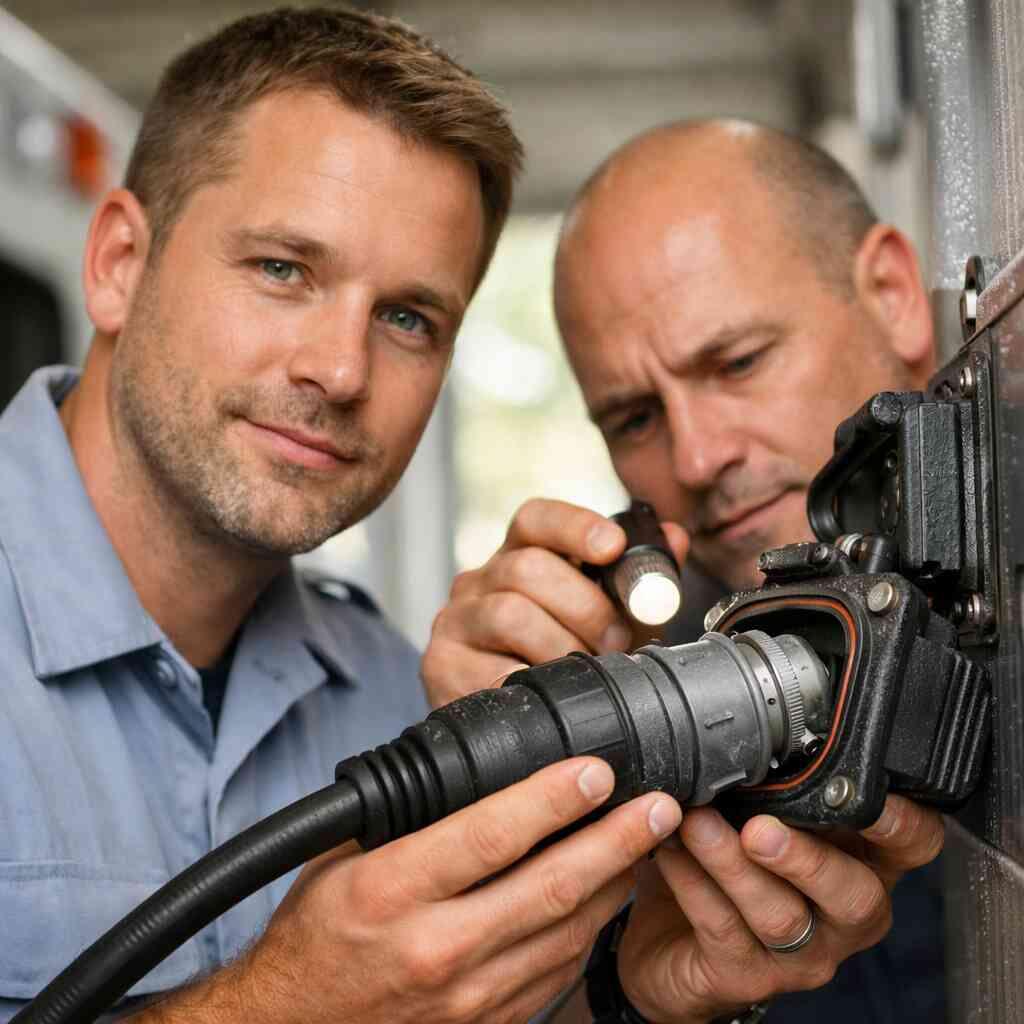
Many sealing failures are not enclosure failures. They are connector failures. A rigid box can still fail if the connector loosens from vibration. That is why vibration-resistant connectors and harness connector sealing deserve close inspection. In emergency vehicles, movement never stops.
A technician once told us a unit passed bench checks every time. On the road, it failed. The cause was not dramatic. The connector backed out just enough to break continuity during rough transport, then reseated later. That kind of fault is maddening. It is also why electrical connector reliability in emergency service equipment must be judged in motion, not only on a workbench.
Why maintenance-friendly sealing can matter more than a higher rating on paper
A very high rating is not useful if the system is hard to inspect. Maintenance-friendly sealing gives you access without destroying the seal every time you service the unit. That matters because real fleets need periodic checks, cleaning, and replacement parts. If maintenance becomes a battle, seals get ignored. Then the rating stops helping. The best systems make inspection simple. They let you verify compression, alignment, and cable strain before a failure starts. That approach supports maintenance-friendly sealing for fire truck connector systems and broader equipment reliability in harsh conditions. In practice, a slightly lower rating that is easier to preserve can outperform a higher-rated design that nobody services correctly. That is not theory. It is field reality.
How sealed electrical enclosures and connector interfaces should be evaluated as a system
You should never evaluate the box alone. A seal is a system that includes the enclosure, gasket, connector, cable path, and mounting method. If one link is weak, the whole assembly is weak. That is why sealed electrical enclosures must be judged with the connector interface attached. Separating them on paper can hide the actual risk.
Evaluation PointWhy It MattersWhat to CheckEnclosure bodySets the base protection levelMaterial, closure fit, distortionConnector interfaceCommon intrusion pointSeating, strain relief, lock engagementGasket linePreserves compressionFlatness, wear, residue, alignmentCable entryControls hidden leaksBends, abrasion, seal compressionThis system view is essential for ingress protection ratings for ruggedized emergency equipment in Florida. It also supports smarter purchasing. You are not just buying a number. You are buying a sealing strategy. If the parts do not work together, the rating does not matter much.
The decision frame that keeps Fire Power Products field ready without overbuying
The goal is not to buy the highest number on the chart. The goal is to buy the right protection for your actual response work. That means weighing exposure, maintenance, access, and service life together. It also means avoiding designs that look premium but create extra failure points. For DeLand operations, practicality wins.
Which failure modes matter most for DeLand EMS equipment protection and contamination resistance
Start with the failures you can actually expect. For DeLand EMS, those often include splash exposure, humidity creep, washdown residue, connector loosening, and vibration. If your equipment sits near door thresholds, open compartments, or exterior mounts, contamination rises fast. That is why DeLand EMS equipment sealing and moisture intrusion prevention must reflect real workflow. Theory is not enough.
The mistake we see most often is overprotecting one area and ignoring another. A sealed box may be fine, while the cable transition fails. Or a connector may be strong, while cleaning chemicals degrade the gasket. A practical seal integrity assessment looks for the weakest daily-use point. That is where your money should go first.
How to match ingress protection ratings to outdoor-rated EMS gear and hose-down resistant equipment
You need a rating that matches exposure, not ego. If the unit faces rain, spray, or washdown, look closely at hose-down resistant equipment and the specific cleaning method used. A light rinse and a high-pressure blast are not the same event. That difference affects seal selection more than many buyers realize. The rating should reflect the routine, not the worst-case scenario.
For outdoor duty, compare the rating against the mount location and access pattern. Gear in an interior cabinet may need less aggressive protection than a component mounted near a wash area. That is where outdoor-rated EMS gear and waterproof equipment seals must be matched carefully. You may find that a system designed with environmental sealing for EMS connectors and sealed electrical enclosures offers the balance you need without overspending.
What compliance-focused equipment selection looks like when durability and reliability both matter
Compliance should guide the purchase, not replace judgment. You want equipment that aligns with applicable standards and also survives service. That balance is the heart of compliance-focused equipment selection for DeLand EMS fleet retrofits. A paper-compliant part that fails early is still a bad buy. Reliability is part of compliance in the real world.
Think in layers:
- Exposure level
- Cleaning routine
- Vibration load
- Service access
- Replacement interval
That list helps you build durable emergency response equipment standards for Florida EMS operations. It also helps you explain choices to leadership and technicians. When everyone understands the failure mode, buying becomes easier. And that makes the whole fleet more consistent.
Where Fire Power IP68 female electrical connector pigtails, Fire Power IP68 male pigtails, and Fire Power IP68 male female electrical extensions fit into a sealing strategy
Connector selection matters because the interface is often the weak link. Fire Power offers options that can support harness connector sealing in the right application. That includes Fire Power IP68 female electrical connector pigtails for harness connector sealing, Fire Power IP68 male pigtails for ruggedized emergency equipment, and Fire Power IP68 male female electrical extensions for outdoor-rated EMS gear. Used correctly, these parts can support a cleaner sealing path. Used carelessly, any connector can still become the leak point.
The right strategy is to treat the connector as part of the enclosure system. That means checking fit, strain relief, and the planned maintenance cycle. It also means using components that make inspection manageable. For many operations, that is where Duraline Fire Power Products fits naturally into the decision. If you need broader guidance, Duraline Fire Power Products sealing solutions for EMS equipment can help you narrow the field without overspecifying. And if you want help matching parts to a specific fleet need, Contact Duraline for environmental sealing for EMS applications is a sensible next move.
The next step for building a durable emergency response equipment standard that fits your operation
You do not need to solve every seal problem today. Start with the equipment that sees the most spray, vibration, and handling. Then document where failures have actually happened. That gives you a better baseline than a spec sheet alone. It also makes future purchases easier to compare.
A simple next step works best:
- List the top three components that fail most often.
- Note whether the failure is moisture, dust, vibration, or maintenance related.
- Match each item to the most relevant ingress protection or UL language.
- Review replacement parts with your maintenance team.
- Standardize the strongest practical option across similar rigs.
If you are building a tougher fleet standard in DeLand, start with one unit and one connector path. You do not have to figure this out alone, and you do not have to figure it all out today. Start with one phone call, then compare the parts that actually live through your environment.
Frequently Asked Questions
Question: How do I compare UL seal comparison and IP68 seal comparison for DeLand EMS equipment sealing without assuming they mean the same thing?
Answer: UL and IP68 solve different parts of the sealing question, so the first step is to compare what each rating actually covers. IP68 is usually the clearer reference for dustproof equipment seals and water ingress resistance, while UL language may relate more to enclosure construction, component behavior, or electrical safety under defined conditions. For DeLand EMS equipment sealing, that distinction matters because emergency medical service equipment protection depends on the full system, not just the label on the box. Fire Power Products focuses on ruggedized emergency equipment and field-ready fire safety equipment that should be evaluated in context: enclosure body, harness connector sealing, cable entry, gasket material performance, and maintenance access. The right choice is the one that matches your actual exposure, not just the highest number on a spec sheet.
Question: What should I look for in waterproof equipment seals and sealed electrical enclosures if my EMS gear is exposed to hose-down routines and Florida humidity?
Answer: You should look at the complete sealing path, not only the enclosure itself. In Florida conditions, moisture intrusion prevention depends on how the enclosure, gasket, connector, and cable transition work together under heat, humidity, cleaning, and vibration. A sealed electrical enclosure can still fail if the connector interface loosens or if the gasket material ages poorly. Fire Power Products is built around durable enclosure design and high-usage equipment protection, but the safest way to evaluate any product is to confirm the exact sealing rating, the intended use, and the maintenance process your crew can actually follow. That approach supports environmental sealing for EMS and helps you choose weather-resistant components that fit real DeLand Florida EMS needs.
Question: How does How to Compare 2026 UL and IP68 Seals in DeLand EMS apply to choosing outdoor-rated EMS gear and vibration-resistant connectors?
Answer: The main lesson in How to Compare 2026 UL and IP68 Seals in DeLand EMS is that the enclosure rating alone is not enough if the connector path is weak. Outdoor-rated EMS gear often sees vibration, transport shock, cleaning residue, and frequent handling, so vibration-resistant connectors and harness connector sealing become just as important as the housing. Fire Power Products offers connector and pigtail options that can support a better sealing strategy when they are selected correctly for the application. For compliance-focused equipment selection, the key is to match the connector style, mount location, and service routine to the exposure level. That is how you improve equipment reliability in harsh conditions without overbuying protection you may not need.
Question: Can Fire Power Products help with maintenance-friendly sealing and contamination resistance for high-usage emergency response equipment standards?
Answer: Yes, the value of maintenance-friendly sealing is that it lets crews inspect, service, and replace parts without compromising the entire system. That matters a lot in high-usage equipment protection, because seals only work when they are preserved correctly over time. Contamination resistance is also critical in EMS and fire service environments, where dust, grit, cleaning residue, and repeated opening and closing can degrade performance long before obvious damage appears. Fire Power Products is designed for demanding use, but the right fit still depends on your specific application, service cycle, and exposure level. When you compare options, look for parts that support seal integrity assessment, simple inspection, and practical replacement intervals so your equipment performance under abuse stays consistent.
Question: What Fire Power Products parts can support harness connector sealing and environmental sealing for EMS without making maintenance difficult?
Answer: Fire Power Products includes connector-focused solutions that can support harness connector sealing when used in the right system. That may include female pigtails, male pigtails, and male female extensions for specific routing needs, but the best choice depends on how the equipment is mounted, cleaned, and serviced. For environmental sealing for EMS, the goal is to keep the sealing interface simple, accessible, and correctly aligned so technicians can maintain it without damaging the gasket line or connector lock. In practice, that means choosing industrial-grade sealing solutions that fit the actual duty cycle rather than forcing a one-size-fits-all setup. If you are standardizing across a fleet, Fire Power Products can be a practical option for American-made safety equipment that supports first responder equipment durability while staying serviceable.
Question: How can I tell whether I need a stronger IP rating or just better gasket material performance for my DeLand Florida EMS needs?
Answer: Start with the failure mode. If the issue is direct water exposure, washdown, or dust entry, ingress protection ratings may be the better guide. If the problem shows up after heat, humidity, repeated cleaning, or vibration, then gasket material performance and overall durable enclosure design may be more important than chasing a higher rating. For DeLand Florida EMS needs, the right answer usually combines both: a suitable rating plus a sealing system that can survive the way your crews actually work. Fire Power Products is a strong fit when you need equipment reliability in harsh conditions, but the smartest purchase is the one that balances compliance-focused equipment selection, maintenance-friendly sealing, and practical field use. If you are unsure, reviewing the application with a trusted supplier is the safest path before you commit.