Top 6 Fire Power Products for Columbus Day Prep 2026
September 29, 2026
A leaky connector never feels urgent until the crew needs it. Then it feels impossible. If you are sorting through fire safety equipment right now, that knot in your stomach makes sense. Columbus Day prep can expose weak links fast, especially in station-ready equipment and mobile response equipment. The goal is not to buy more gear blindly. The goal is to tighten readiness where failure costs time.
1) Fire Power IP68 Female Electrical Connector Pigtails
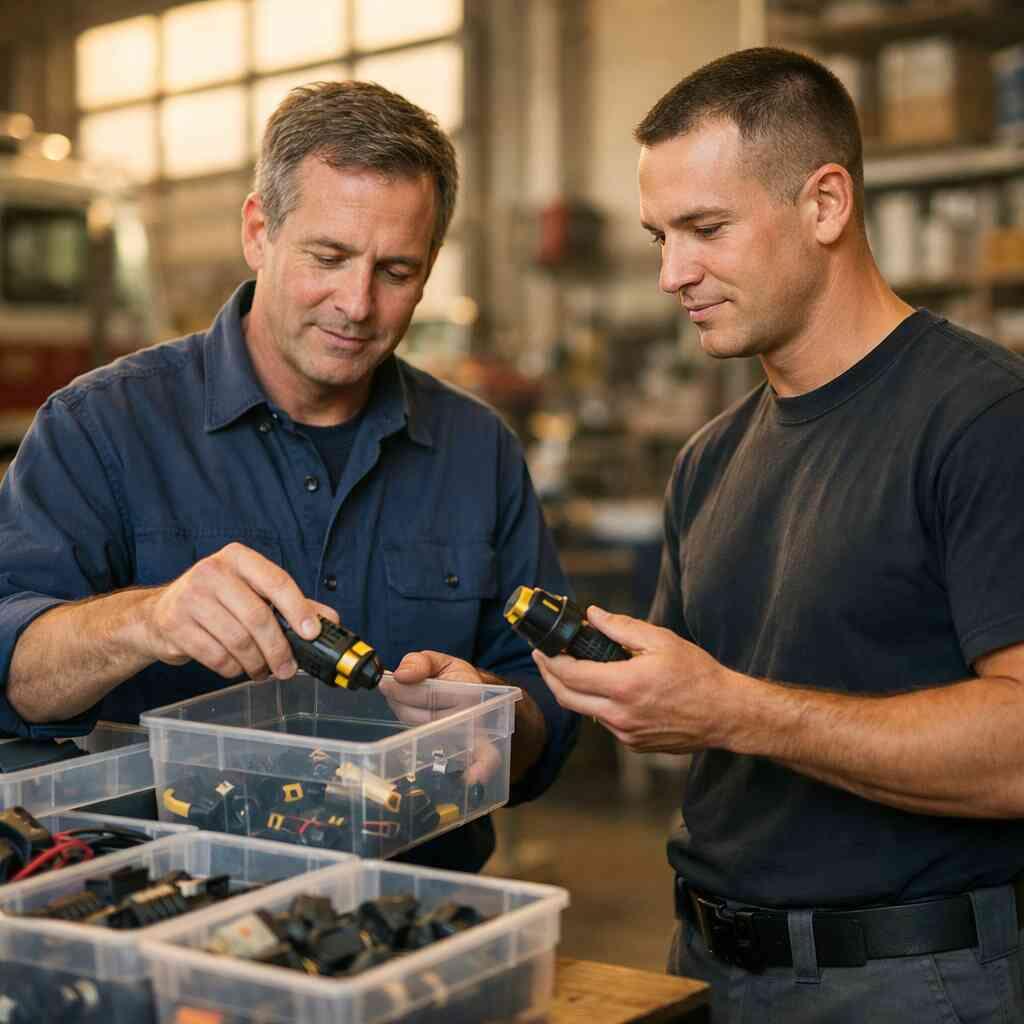
Female connector pigtails belong near the top of your operational readiness checklist because they help define where power enters the system. That sounds simple, but simple parts often decide whether emergency response gear stays dependable. On the projects we have seen this year, the small connection points are usually the ones that create the biggest headache. You may be comparing durable firefighting tools, yet the pigtail is what makes the rest of the setup usable. Here is the part most people miss: the connector path matters as much as the device itself.
Why female connector pigtails belong in the first Columbus Day readiness check
If you are feeling behind, you are not alone. That pressure shows up every fall, and it usually starts with one overlooked accessory. Female pigtails deserve attention because they help keep layouts organized in apparatus storage solutions and active response bays. A loose plan creates loose connections. A disciplined plan creates station-ready equipment that is easier to inspect and faster to trust.
One small department told us their biggest issue was not the main equipment. It was the tangle of connection points behind the compartment door. Once they mapped each pigtail, the whole setup became easier to audit during seasonal preparedness planning. That is the kind of practical cleanup that saves time under stress. It also reduces the chance of guessing during a live response.
Where pigtails matter most in fire apparatus storage and mobile response layouts
Pigtails matter anywhere gear must move, shift, or survive repeated use. That includes apparatus storage, mobile response equipment, and compact command layouts. If your setup lives near hose-down zones, dirt, or repeated handling, connector placement becomes a serious planning issue. You want reliable fire gear that stays predictable after real use, not just after a showroom inspection. That is why high-durability safety equipment needs a path, not just a part number.
It also helps to think in terms of access. If a connector is buried behind racks or crowded between cabinets, a crew will avoid checking it as often. That creates blind spots. Blind spots create surprises. Good layout work lowers those risks before they spread.
What to verify before choosing a pigtail for demanding conditions
Before you choose, verify the rating, fit, and intended application. Do not assume a connector matches because the housing looks similar. Check the cable path, the connector orientation, and how often the area gets cleaned. If the equipment is exposed to moisture, debris, or repeated wash-downs, that matters. You want field-tested fire products, not a guess wrapped in plastic.
You should also confirm compatibility with the rest of the assembly. That includes adjacent receptacles, accessory spacing, and service access. In our experience, the mistake we see most often is mixing parts that look right but do not align cleanly. That kind of mismatch wastes time and creates false confidence. Careful verification is the safer move.
How to match the connector to the equipment path without guessing
Start with the actual route the cable must travel. Then decide where the pigtail should sit in that path. This keeps you from forcing the connector into a bad angle or an awkward pull. A clean route supports dependable response tools and reduces wear. It also makes inspections faster.
If you need a starting point, review Fire Power IP68 female electrical connector pigtails for Columbus Day prep in DeLand, Florida. That page fits the kind of planning conversation many DeLand, Florida fire safety supplier customers are having right now. It is not about buying the loudest product. It is about choosing equipment for demanding conditions with clear eyes and fewer assumptions.
2) Fire Power IP68 Male Pigtails Electrical Connectors Fire Fighting Equipment
Male pigtails often become the smarter station-ready choice when the equipment side needs a defined lead-out point. That matters more than people expect. If the connection is awkward, the whole apparatus workflow gets slower. If the connection is clean, crews move with more confidence. This is the difference between clutter and control.
When a male pigtail becomes the smarter station-ready choice
Male pigtails are useful when you need a straightforward mating point for another connector path. They often show up in layouts where timing matters and the equipment gets handled repeatedly. Think of them as part of a broader electrical connector basics strategy for fire apparatus and mobile response layouts. That strategy should support quick checks and easy access. It should not add confusion.
A crew we spoke with had a recurring problem during compartment checks. The connector was technically correct, but the layout made it hard to reach without moving other gear. Once they changed the routing, inspection time dropped noticeably. Small fixes can create real relief. That is especially true when Columbus Day prep is already crowded with other seasonal tasks.
The contact points that deserve extra scrutiny before field deployment
Inspect the contact points first. Then inspect them again. Look for wear, looseness, contamination, and any sign of compromised fit. These are not cosmetic issues. They affect how trustworthy the connector will be after repeated use. Professional-grade fire tools depend on these tiny interfaces more than people realize.
You should also confirm that the mating surface remains accessible after installation. If a crew cannot inspect it quickly, the installation is not complete. That is a basic rule, but it gets ignored when everyone is rushing. Rushed planning makes dependable response tools less dependable. Slow down at this stage.
How hose-down resistant equipment changes the connector selection mindset
Hose-down resistant equipment changes the conversation because water exposure is no longer an afterthought. Once a connector is expected to live through wash-downs, you have to think differently about sealing, alignment, and routine maintenance. The question stops being, “Will it fit?” and becomes, “Will it still be easy to trust after repeated cleaning?” That is a much better question.
We have seen departments treat this like a one-time purchase. It is not. It is a recurring service decision. That shift in mindset matters because rugged safety gear is only rugged when the entire system supports it. If one weak interface undermines the rest, the rating does not save the day.
What DeLand, Florida teams should confirm before putting a connector into service
DeLand, Florida teams should confirm the connector matches their actual operating conditions, not a theoretical one. Local humidity, outdoor staging, and frequent equipment handling all influence wear. You do not need dramatic assumptions here. You need steady discipline. That is how commercial fire protection planning stays practical.
Before service, confirm:
- correct mating type
- secure strain relief
- clear access for inspection
- compatible routing with existing gear
- no interference with storage hardware
If you want a concise product reference, see Fire Power IP68 male pigtails electrical connectors for fire fighting equipment readiness. It is a direct way to compare options without overcomplicating the decision. The right connector should make the job easier, not more mysterious.
3) Fire Power IP68 Male Female Electrical Extensions Fire Fighting Equipment
Extensions are where planning either becomes elegant or messy. The length you choose can make or break incident command readiness, especially when apparatus spacing shifts under real-world conditions. If you have ever watched crews stretch a setup too far, you already know the feeling. It looks workable until the first hard use. Then the weakness shows itself.
Why extension length can make or break incident command readiness
Extension length affects more than reach. It affects movement, access, and how safely a team can stage equipment. Too short, and crews improvise. Too long, and the setup becomes cluttered. Both problems cost time. Both problems reduce confidence.
What we have seen in 2026 specifically is that command layouts are getting tighter, not looser. Vehicles, staging areas, and accessory placements leave less margin for error. That makes measured extension planning more important than ever. If you are building out reliable fire gear, the extension is not just a bridge. It is part of the operating map.
How to think about power routing when apparatus spacing gets tight
Think in straight lines first. Then think in service access. Then think in cleaning access. That order helps keep power routing clean when apparatus spacing gets tight. It also reduces the chance of pinching, snagging, or awkward connector angles. Those details matter in mobile response equipment.
A simple way to test the logic is to walk the route before committing. That sounds obvious, but it is the kind of step teams skip when they are trying to finish quickly. The walk-through reveals where the cable will rest, where it will flex, and where it will need protection. That is real operational readiness work. It is not just paperwork.
The hidden errors crews make when pairing extensions with existing gear
The hidden errors usually fall into three buckets. First, crews assume the same housing shape means the same compatibility. Second, they ignore bend radius and strain at the connection points. Third, they place the extension where it is easiest to install rather than easiest to maintain. Those are expensive habits. They also create avoidable wear.
Here is a better approach:
- Match the equipment path first.
- Check the connector orientation second.
- Confirm inspection access third.
- Review moisture exposure fourth.
- Recheck the route after installation.
That sequence keeps the plan grounded in actual use. It also supports emergency preparedness supplies that need to work under pressure, not just on a bench. Good installation is quiet. Bad installation announces itself later.
When an extension is the cleanest fix versus when a full reconfiguration makes more sense
An extension is the cleanest fix when the core layout is already sound. If the only problem is reach, an extension can restore order without changing the whole setup. But if the routing is crowded, hard to inspect, or repeatedly exposed to stress, a reconfiguration may be smarter. That is the honest answer. Not every problem deserves a bigger cable.
If you are comparing options, review Fire Power IP68 male and female electrical extensions for incident command readiness. It can help you judge whether you need a simple extension or a deeper layout change. The best choice is the one that supports dependable response tools over time.
4) Fire Power Fire Fighting Electrical Equipment Junctions Receptacles and Accessories
Junctions, receptacles, and accessories are rarely the flashiest items in a cart. That is exactly why they deserve attention. They often become the weak link first because everyone assumes they will hold. Yet these are the parts that keep the whole system usable. If they fail, everything around them feels unreliable.
Which junction and receptacle points usually become the weak link first
The first weak points are usually the ones handled most often. Frequent-use connection points wear down through repetition, not drama. Dust, moisture, vibration, and quick handling all add up. So does rushed cleaning. When a crew is tired, the small parts are the ones that get skipped.
A local company we reviewed had a setup that looked excellent at a glance. The issue was one worn receptacle hidden behind another accessory. It passed the eye test, but not the use test. Once that point was corrected, the whole bay became easier to trust. That is how rugged safety gear earns its reputation.
How accessories support operational readiness without overcomplicating the setup
Accessories should simplify, not multiply, your decisions. The right accessories help organize service points, protect connection areas, and keep workflows consistent. The wrong accessories add clutter and make inspections harder. That is why you want performance-built equipment with a clear purpose. Avoid “nice-to-have” pieces that make maintenance more confusing.
A good rule is simple. If an accessory does not improve access, protection, or clarity, question it. That keeps the setup lean. It also supports station-ready equipment that crews can learn quickly and maintain consistently. Simplicity is not minimalism for its own sake. It is operational discipline.
What should be checked around frequent-use connection points before seasonal demand rises
Before seasonal demand rises, check for heat marks, looseness, visible wear, contamination, and poor alignment. Also check how easy the area is to clean after use. If the design traps debris, that becomes a maintenance burden. Maintenance burdens spread fast in public safety equipment. They also create frustration.
Use this short inspection list:
- confirm tight fit
- check surrounding hardware
- inspect the receptacle edge
- clean contact areas
- verify access after reassembly
That list is small on purpose. It fits real station routines. It also respects the fact that people are busy and cannot spend an hour on every compartment. Still, the few minutes you spend here can prevent a lot of trouble later.
Why rugged safety gear is only as dependable as the junctions behind it
Rugged safety gear gets its reputation from the weak points surviving, not just the headline components. Junctions, receptacles, and accessories carry that burden quietly. If they are sound, the system feels effortless. If they are not, every use reminds you. That is why Duraline Fire Power Products are often discussed as a family rather than as isolated parts.
If you want a practical comparison point, look at Fire Power junctions, receptacles, and accessories for station-ready fire apparatus. That category helps frame the whole support structure behind the gear. It is the backbone behind the dependable response tools you are trying to protect.
5) Duraline Fire Power Products
The Duraline name signals a system-level approach to trusted fire safety solutions. That matters because no single component solves readiness by itself. What you want is consistency. You want parts that seem built to live together. That is where a product family earns trust over time.
What the Duraline name signals about trusted fire safety solutions
Duraline suggests a focus on dependable emergency response gear and USA engineered fire products. That does not mean every part is identical, and it should not be read that way. It means the family is organized around practical use, not novelty. In a field like this, practical matters. Flashy does not help when the compartment door closes.
We hear from clients almost every week who want fewer unknowns. That is understandable. The best equipment decisions reduce uncertainty instead of creating more of it. A clear product family can do exactly that. It helps crews compare, plan, and inspect with less friction.
How to think about USA engineered fire products without overpromising performance
It is wise to respect the phrase USA engineered fire products without turning it into a promise of perfection. Engineering origin matters. So does intended use. So does maintenance. What you should not do is assume a label replaces verification. That would be a mistake.
A smarter approach is to ask three questions. Does the gear fit the job? Does it fit the environment? Can your team inspect it easily? If the answer is yes, you are moving in the right direction. That mindset protects commercial fire protection planning from hype.
Why consistency across a product family matters during fall emergency readiness
Consistency matters because crews learn patterns fast. If connectors, junctions, and extensions share a clear logic, training gets easier and inspection gets faster. That reduces confusion during fall emergency readiness. It also lowers the odds of mismatched components sitting in storage. In an emergency, familiar systems save time.
One shop manager told us the change that helped most was not the replacement itself. It was standardizing the way equipment laid out across compartments. Once that happened, the crew stopped hunting for the right lead or adapter. Less searching. More doing. That is a worthwhile trade.
Which planning questions help separate performance-built equipment from nice-to-have gear
Ask yourself:
- Will this part improve access?
- Will it stand up to regular handling?
- Can the crew inspect it quickly?
- Does it simplify storage?
- Does it support the rest of the system?
Those questions cut through marketing noise fast. They also keep your attention on fire rescue essentials instead of decorative extras. Performance-built equipment should earn its place. If it cannot, leave it out.
For a broader view, start with Duraline Fire Power Products for dependable emergency response gear. It gives you a sensible entry point for evaluating trusted fire safety solutions without overpromising outcomes.
6) Contact Duraline
Sometimes the right move is not another comparison chart. It is a direct conversation. That is especially true when you are balancing commercial fire protection needs, seasonal preparedness planning, and equipment that has to fit a real station layout. The more specific your questions, the better the guidance usually becomes. That saves time and reduces guesswork.
When the right next step is a direct conversation instead of another comparison
You should reach out when the layout is close, but not settled. You should also reach out when you are unsure how to match connector types, access points, or extension routing. That is not a failure. It is normal. Most people are dealing with more moving parts than they expected.
If you have one decision left and keep revisiting it, stop spinning. A direct conversation can clarify the path faster than another hour of comparing similar options. That is especially true when the timeline matters. Columbus Day prep does not reward hesitation.
What information to have ready before reaching out about commercial fire protection needs
Before you call or message, gather the basics:
- equipment type
- connector orientation
- intended environment
- space constraints
- cleaning routine
- inspection access issues
That list is enough to start a useful conversation. You do not need a perfect spec sheet. You just need the facts that affect fit and function. The clearer you are, the faster the recommendation path usually becomes.
How to frame your equipment priorities for a faster recommendation path
Frame your priorities around use, not preference. Say what the gear must survive, how often it gets handled, and where the weak points are today. If the setup lives in a compartment with repeated wash-downs, say so. If access is tight, say that too. Those details matter more than broad labels.
You may also want to note whether you are planning for new apparatus accessories, retrofit work, or simple replacement. That distinction changes the conversation. It keeps the guidance practical. It also helps align trusted fire safety solutions with your actual station workflow.
Why closing the loop before Columbus Day prep protects your readiness timeline
The last thing you want is an unresolved gear question sitting on the bench while the rest of the station moves ahead. Close the loop now. That protects your readiness timeline and reduces stress later. It also gives your team time to inspect, install, and test without rushing.
Start with one call or one message to Contact Duraline for commercial fire protection and emergency preparedness supplies. You do not have to figure this out alone, and you do not have to figure it all out today. Pick the one gap that worries you most, and address that first.
Frequently Asked Questions
Question: What should I look for when choosing fire power products for Columbus Day prep 2026 in a station-ready equipment setup?
Answer: Start with the basics: fit, access, routing, and the environment where the equipment will live. For Columbus Day prep, the goal is to reduce weak links in fire safety equipment before seasonal demand increases. That means checking whether connectors, extensions, junctions, and receptacles align with your apparatus storage solutions and mobile response equipment. A reliable setup should support quick inspection, easy maintenance, and predictable use under real conditions. Fire Power Products is focused on equipment for demanding conditions, so the best approach is to match the product to the actual layout instead of guessing based on appearance alone. If you are comparing durable firefighting tools, think about how the part will perform in day-to-day handling, wash-downs, and repeated use within your operational readiness checklist.
Question: How do Fire Power IP68 female electrical connector pigtails help support emergency response gear and reliable fire gear planning?
Answer: Female connector pigtails are often an important part of dependable response tools because they help define where power enters the system. In fire apparatus accessories and mobile response equipment, that connection point can affect how easy the setup is to inspect, maintain, and trust. For DeLand, Florida fire safety supplier customers, the practical question is not just whether the connector fits, but whether it supports clear routing and service access in the real environment where the gear will be used. Fire Power IP68 female electrical connector pigtails are part of a broader approach to high-durability safety equipment, and they make the rest of the system easier to organize when seasonal preparedness planning is underway. The right pigtail should support station-ready equipment without creating confusion or an unnecessary maintenance burden.
Question: In the blog Top 6 Fire Power Products for Columbus Day Prep 2026, why are male pigtails and electrical extensions important for incident command readiness?
Answer: Male pigtails and electrical extensions matter because they help create a clean, workable power path in setups where timing and access are critical. In incident command readiness, every added step can slow crews down if the routing is awkward or poorly planned. That is why Fire Power Products emphasizes practical layout decisions for fire apparatus accessories and emergency preparedness supplies. A good extension can help solve a reach problem, but only when it supports the full system without adding clutter or strain at the connection points. The same applies to male pigtails: they should be selected based on actual use, not just on matching housing shapes. When crews are dealing with fall emergency readiness and commercial fire protection tasks, the easiest installation is not always the best long-term answer. The better choice is the one that keeps the setup inspectable, clean, and dependable over time.
Question: What makes junctions, receptacles, and accessories so important in fire safety equipment and high-durability safety equipment planning?
Answer: Junctions, receptacles, and accessories are important because they often become the weak link first. They are handled frequently, exposed to dirt and moisture, and sometimes hidden behind other components in apparatus storage solutions. In a performance-built equipment setup, these smaller parts can decide whether the whole system feels reliable or frustrating. Fire Power Products treats these support components as part of the full readiness picture, not as optional extras. That matters for fire rescue essentials because a system is only as dependable as the parts people touch most often. Before seasonal preparedness planning ramps up, it is smart to inspect for looseness, wear, contamination, and access issues around the connection points. This is especially useful for public safety equipment that needs to stay dependable after repeated handling and cleaning.
Question: How does Duraline Fire Power Products support trusted fire safety solutions for DeLand, Florida customers?
Answer: Duraline Fire Power Products supports trusted fire safety solutions by focusing on practical, durable equipment that is intended for demanding conditions. The brand is associated with USA engineered fire products and a system-level approach to reliable fire gear, which means the value is in how the parts work together, not just how each item looks on its own. For DeLand, Florida customers, that can be especially useful when planning around hose-down resistant equipment, mobile response equipment, and station-ready equipment that must be easy to inspect and maintain. Fire Power Products is best understood as a line built for operational readiness rather than hype. That approach helps reduce uncertainty for teams looking for emergency response gear, dependable response tools, and professional-grade fire tools that fit real-world layouts and support commercial fire protection planning.
Question: When should I contact Fire Power Products directly instead of continuing to compare fire rescue essentials on my own?
Answer: It is a good time to reach out when the layout is close but not settled, or when you need help matching connector types, routing, or accessory placement. If you have already reviewed several options for fire power products and still keep revisiting the same decision, a direct conversation can save time. This is often the best step during Columbus Day prep, when seasonal preparedness planning is already crowded and the timeline matters. Before contacting Fire Power Products, gather the equipment type, intended environment, space constraints, and any inspection access concerns. That gives the team the information needed to discuss the right fit for your emergency preparedness supplies and fire apparatus accessories. For customers looking for a DeLand, Florida fire safety supplier, this kind of focused conversation can help narrow the path to equipment for demanding conditions without overcomplicating the process.