Top 6 Fire Power Products Checks Before Veterans Day 2026
September 26, 2026
If you are reading this after a long shift and a rough equipment call, that knot in your stomach makes sense. Pre-holiday readiness brings pressure, especially when the gear has to work without excuses. A smart fire equipment inspection checklist can catch small problems before they become field failures. Around DeLand, Florida, we see crews balancing routine service, event activity, and weather swings that punish connectors and seals. That is exactly why a deliberate Fire Power Products homepage for reliable fire suppression tools and equipment checks review matters now.
-
Fire Power IP68 Female Electrical Connector Pigtails
Why a female pigtail deserves the first look before peak event activity
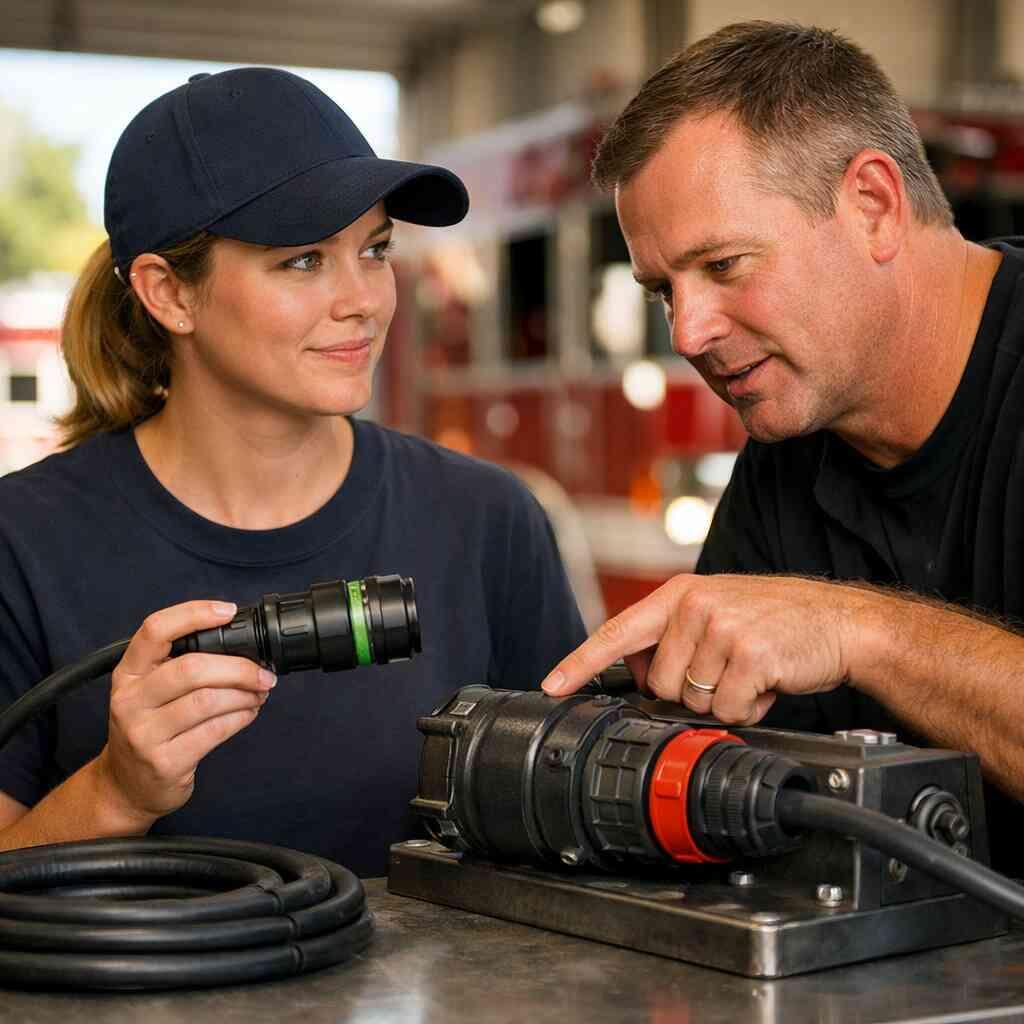
The female side of a connection often hides the earliest signs of trouble. It receives repeated mating, pulling, and cleaning, so wear can build quietly. If you are doing a pre-holiday fire safety check, start here before you move deeper into the system. The question is not whether the part looks okay at a glance. The question is whether it still supports first responder-ready equipment under stress.
On the projects we have finished this year, female pigtails usually reveal issues before the rest of the circuit does. A slight looseness at the shell, a nicked jacket, or residue near the contact area tells a story. You do not need to overhandle it to learn enough. Visual discipline goes farther than tugging and guessing. For a more structured pre-Veterans Day fire equipment inspection checklist for IP68 female connector pigtails, the goal is simple: identify weakness before deployment pressure rises.
The contact points and seals that matter most in a fire equipment inspection checklist
Here is the part most people miss. Contact points can look clean while seals are already compromised. That matters because seal failure invites moisture, grit, and heat-cycling damage. In a fire equipment inspection checklist, you want to verify the mating face, locking features, and any visible gasket area. A tiny seal defect can become a reliability problem faster than people expect.
We hear this from clients almost every week. They notice the issue only after a washdown or a rough staging day. At that point, the connector may still function, but confidence drops. Confidence matters in emergency response readiness. If the female pigtail shows discoloration, cracked material, or a poorly seated seal, document it immediately and compare it with service history.
What to verify on cable condition, strain relief, and connector integrity before deployment
Cable condition tells you how the assembly has been treated. Look for flattening, abrasion, or stiffness along the run. Then inspect the strain relief where movement concentrates. If that area flexes sharply or shows separation, the assembly may be near the end of its useful life. Durable fire equipment should not rely on hope at the bend point.
A crew near the Volusia County side once flagged a pigtail that had a tiny jacket split near the relief. It still passed a casual glance. Yet the split widened after repeated movement during a station prep cycle. That is why operational readiness assessment must include handling history, not just appearance. If you need a fire power products maintenance check for IP68 male pigtails and connector condition on the paired side, plan both pieces together. Matching them saves time and reduces surprises.
When a worn pigtail turns into a reliability problem for first responder-ready equipment
A worn pigtail becomes a problem when it stops behaving predictably. Loose fit, inconsistent contact, or visible wear means the connection may fail under vibration or cleaning. That is not a minor inconvenience. It is a mission-critical equipment reliability issue. Fire gear condition assessment should treat that risk seriously.
The mistake we see most often is waiting for complete failure. By then, the repair window is usually worse. You may lose a unit before a call or scramble for a backup during a commercial fire equipment check. Instead, remove suspect pigtails early, document the reason, and keep a spare on hand. That simple habit protects fire service equipment upkeep and supports readiness for increased event activity.
-
Fire Power IP68 Male Pigtails Electrical Connectors
What makes the male side of the connection worth a separate fire power products inspection
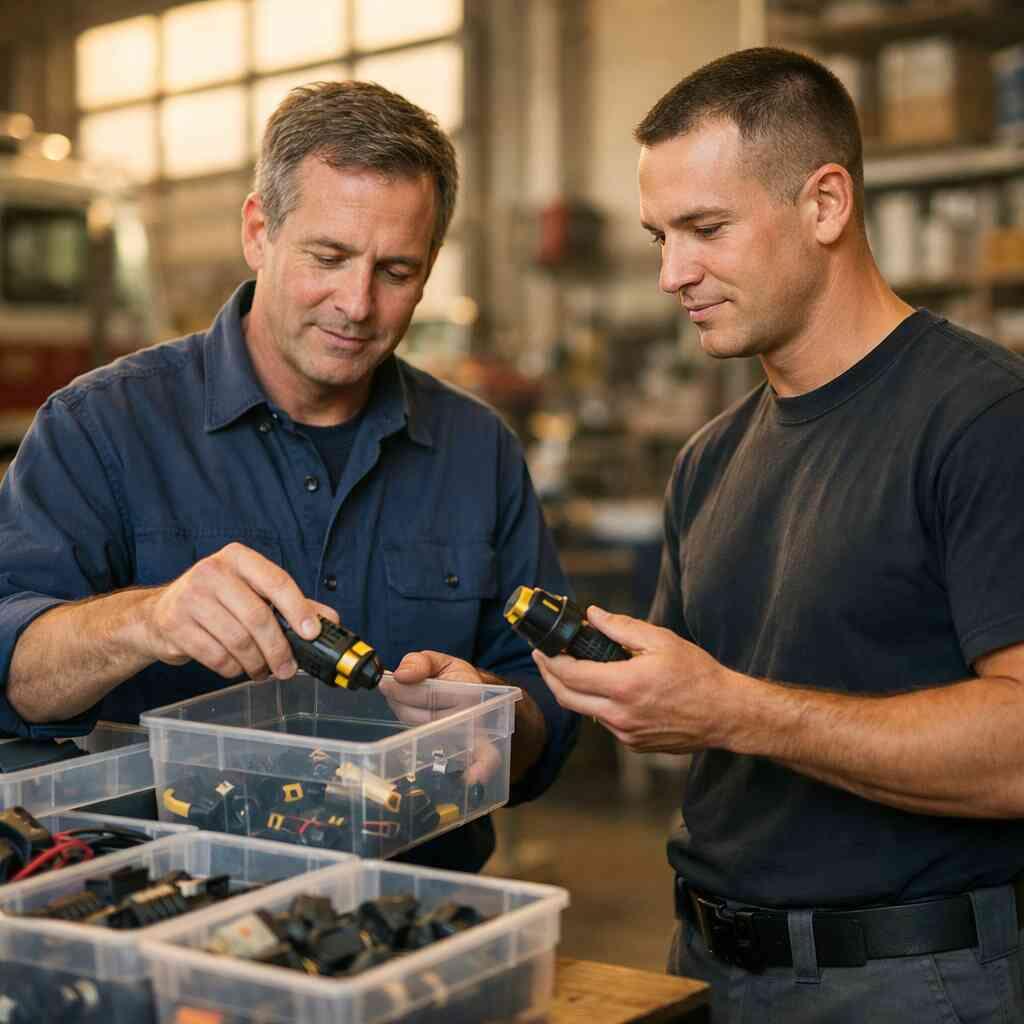
The male connector deserves its own inspection because damage often starts there first. Pins can bend, contamination can collect, and alignment can drift after repeated use. You should never assume the female side tells the whole story. In a fire power products inspection, the male end deserves equal attention. It often carries the hidden evidence of rough handling.
This is especially true for hose-down resistant gear and high-usage equipment. Moisture, foam residue, and dust all settle differently on exposed contact geometry. A quick glance may miss subtle issues. That is why a separate operational readiness review for IP68 male-female electrical extensions in firefighting equipment can be useful when the connector set works as a system. You are not just checking parts. You are checking how the pair behaves together.
How to spot contamination, looseness, or damage without overhandling the assembly
Start with lighting. Good light reveals more than force ever will. Look for debris, oxidation, moisture traces, or any foreign material near the contact path. Then check for looseness by observing fit, not by repeatedly disconnecting and reconnecting. Overhandling can create the exact wear you are trying to prevent.
A practical field habit helps here. Wipe only when needed, and use a clean method that does not push contamination deeper into the assembly. If the male pigtail shows pin movement, cracked housing material, or uneven seating, log it. That is a sign the connector may no longer support durable fire equipment as intended. For teams building a seasonal safety equipment check, this step is non-negotiable. It keeps small defects from hiding in plain sight.
The operational readiness assessment that catches failures before they show up in the field
Operational readiness assessment is about more than pass or fail. It is about predicting behavior under pressure. Ask three questions: Does the connector seat consistently? Does it lock cleanly? Does it stay stable after handling? If any answer feels uncertain, treat the unit as suspect.
The best readiness checks are boring. That is a compliment. Boring means repeatable, and repeatable means trustworthy. In the field, that trust matters when minutes count. You do not want a connector becoming the weak point during an incident response tools check. You want to know it will hold, especially when the apparatus is already moving, vibrating, and carrying load.
Why connector alignment and mating condition affect durable fire equipment performance
Connector alignment controls how the entire system shares stress. If the male end enters at an angle, contact wear increases. If mating feels forced, something is already wrong. Durable fire equipment depends on proper fit, not pressure. Alignment problems often show up after service, cleaning, or storage in cramped compartments.
Inspection pointWhat you wantWhat raises concernAlignmentSmooth, straight matingBinding or forcingContact conditionClean and consistentWear, discoloration, debrisHousingStable and intactCracks, looseness, chipsThat table is simple, but it saves time in the bay. On fire engine readiness and firefighting equipment service review visits, simple checks often catch the best clues. If the male connector no longer mates smoothly, remove it from active rotation. That protects emergency response readiness and reduces last-minute equipment swaps.
-
Fire Power IP68 Male Female Electrical Extensions Fire Fighting Equipment
When an extension is the smartest way to preserve fire apparatus readiness
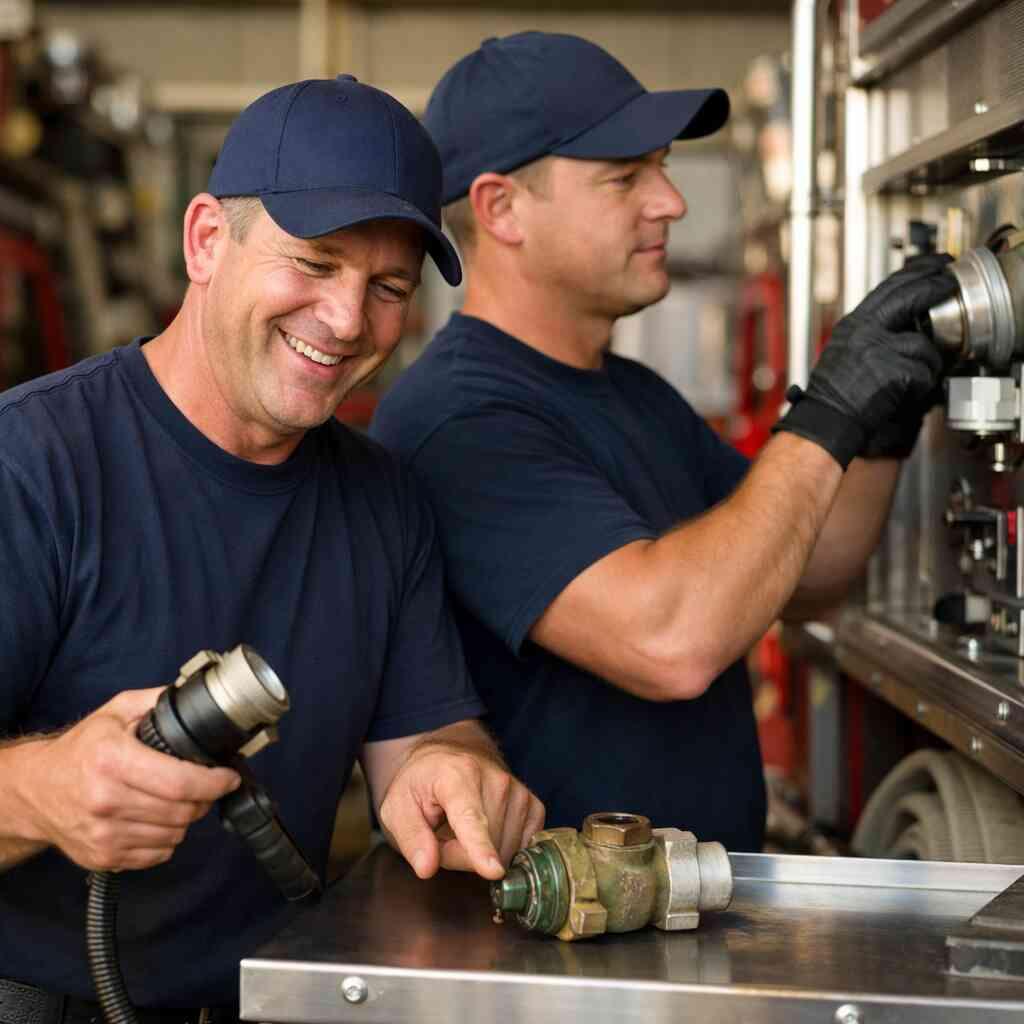
Extensions help when you need flexibility without redesigning the setup. They can preserve fire apparatus readiness by giving you cleaner routing and better reach. But an extension is only helpful when it stays dependable. If it becomes a pinch point or drag point, it starts working against you. That is why extension inspection belongs on every commercial fire equipment checks list.
What we have seen in 2026 specifically is simple. Crews are asking more from compact layouts, especially in tight compartments and busy response vehicles. An extension can solve that, but only if the system is protected from abrasion and strain. A guide to fire truck connector maintenance for summer 2026 mindset applies here too: inspect the entire run, not just the ends. That keeps the extension from becoming a hidden liability.
The length, routing, and protection checks that keep extensions from becoming a weak link
Length matters because excess slack can snag, while insufficient length can stretch the connector. Routing matters because sharp edges and tight bends shorten service life. Protection matters because sleeves, clips, and securement points prevent movement damage. Together, those checks reduce the chance of a field failure. They also make your setup easier to maintain.
If you are storing the extension near metal brackets, hinges, or heat sources, inspect those contact areas closely. The jacket may look fine until repeated rubbing exposes the inner layer. That is why field teams should measure not just distance, but movement. A proper fire truck cabling spec guidance for 2026 fleet readiness review can help you think about the whole route, not only the part number. That broader view supports fire service equipment upkeep.
How to assess jacket wear, connector fit, and environmental exposure after heavy use
After heavy use, the jacket tells the truth. Look for shiny wear spots, embedded grit, and flattened sections. Then check connector fit at both ends. If the connection feels loose or fails to seat fully, the assembly needs more than cleaning. It needs a serious fire gear condition assessment.
Environmental exposure changes the picture too. Heat, humidity, washdowns, and storage in a moving apparatus all leave marks. A crew in central Florida knows this well. Afternoon moisture and repeated cleaning cycles can age gear faster than expected. Here is what almost no online guide mentions: the worst damage often comes from combined exposure, not a single dramatic event. That is why hose-down resistant gear still deserves a careful check after use.
The decision pivot between reusing an extension and removing it from service
There comes a point when reuse stops making sense. If the jacket is compromised, the connectors do not seat properly, or the routing history shows repeated abuse, remove it. That decision protects first responder-ready equipment and limits downstream failures. Waiting for a perfect reason usually costs more later. Good preventative maintenance for fire gear means acting before the assembly reaches the edge.
If you are unsure, compare the suspect extension against a known good one. Differences in stiffness, seating feel, or shell condition often reveal the answer quickly. When in doubt, document the issue and escalate. A short pause now is better than an interrupted deployment later. That is especially true during readiness for increased event activity.
-
Fire Power Fire Fighting Electrical Equipment Junctions Receptacles and Accessories
Which junctions and receptacles deserve a high-usage equipment inspection first
Junctions and receptacles deserve attention because they sit at the center of many failures. They collect vibration, dust, and handling wear. If one fails, the surrounding system often follows. That is why a high-usage equipment inspection should begin with the most accessed points. You want to find the parts that experience the most movement, not the least. A seasonal fire safety check for junctions, receptacles, and accessories works best when you treat these components as a network. Check for looseness, cracked mounting surfaces, and evidence of stress around fasteners. Even a small shift can affect electrical continuity and stability. In emergency response readiness, stability matters as much as function.
The accessory details that often get missed in a seasonal safety equipment check
Accessories fail quietly. Clips, covers, caps, and support hardware may seem minor, but they protect the larger assembly. If a cover does not close correctly, contaminants get in. If a clip loses tension, movement increases. Those details often get missed because they do not look dramatic. Yet they carry real consequences for fire protection equipment review.
We often remind crews to inspect the small stuff before the big stuff. That habit saves time later. A loose bracket can become a noise problem, then a wear problem, then a replacement issue. By the time you hear the rattling, the damage may already be underway. Seasonal safety equipment check discipline helps you catch that early.
How to evaluate mounting stability, seal condition, and connection security in the field
Mounting stability starts with touch, but not force. Gently test for movement at the housing and bracket, then compare it to adjacent hardware. Seal condition requires visual confirmation of intact edges and proper seating. Connection security means the assembly stays engaged without wobble. Those three checks work well in a field walk-through.
A maintenance lead in the region once found a receptacle that looked fine until the mounting screws showed subtle elongation in the panel. That tiny detail told a bigger story. The unit had been vibrating against a compartment wall for months. A complete Duraline Fire Power Products overview for rugged first responder-ready equipment can help frame these inspections around the whole system, not just isolated hardware. That broader perspective supports mission-critical equipment reliability.
Why small accessory failures can interrupt mission-critical equipment reliability
Small failures create disproportionate disruption. A missing cover can let in moisture. A weak mount can shift alignment. A loose accessory can create strain on a nearby connector. None of these seems dramatic by itself. Together, they can interrupt the entire chain of dependable operation.
That is the hard truth behind maintenance work. The obvious failures are not usually the worst ones. The worst ones are the quiet, progressive ones. They hide until you are already under pressure. If your team documents accessory condition now, you reduce surprises later. That is how rugged safety equipment stays reliable during demanding weeks.
-
Duraline Fire Power Products
What to verify when reviewing rugged safety equipment under Duraline Fire Power
When you review rugged safety equipment, verify condition, fit, and consistency first. Do not assume every part aged the same way. Some components may be clean but tired. Others may look rough but still function correctly. The point is to separate appearance from serviceability with discipline.
The Duraline fire power products overview for rugged first responder-ready equipment is useful because it keeps the evaluation grounded. Look at the assembly as a whole. Check the connector family, the jacket, the seal points, and the mounting strategy. If one element looks off, do not dismiss it because the others look fine. Fire safety product reliability depends on the weakest link, not the best one.
How American-made fire equipment is typically evaluated for serviceability without assumptions
American-made fire equipment should still be judged by evidence, not assumptions. The origin does not replace inspection. It gives you a stronger starting point, not a free pass. Serviceability comes from condition, history, and proper use. That applies across every fleet we see.
The best serviceability reviews ask practical questions. Has the part been exposed to repeated washdowns? Has it seen repeated mating cycles? Has it been stored in a way that preserves the seals and housing? Those questions matter more than marketing language. They help you make a fair, honest fire safety performance review. They also keep you from replacing parts too early.
The fire safety performance review that helps separate dependable gear from borderline gear
A fire safety performance review works best when it is consistent. Use the same process for every unit. Inspect, compare, document, and decide. That sequence keeps emotion out of the call. It also gives you a usable record for preventative maintenance for fire gear.
The borderline gear is usually easy to spot once you know where to look. It may function now, but the fit is inconsistent. Or the seal is intact, but the housing has fatigue marks. Maybe the connector still mates, yet the cable memory suggests hard use. None of those signs should be ignored. Borderline gear should not remain in active duty just because it passed once.
What field teams should document during preventative maintenance for fire gear
Documenting matters because memory fades faster than wear does. Write down visible damage, test results, cleaning concerns, and any handling irregularities. Note whether the issue appeared after washdown, transport, or routine staging. That record helps with future fire gear condition assessment. It also helps support decisions on replacement or repair.
Use a simple format:
- Component name
- Visible condition
- Fit and function
- Location on apparatus
- Action taken
That may look basic, but it works. In our experience, the biggest mistake is vague documentation. “Looks okay” does not help the next person. Clear notes support fire department gear maintenance and make future inspections faster and more accurate.
-
Contact Duraline
When a routine check becomes a replacement or escalation decision
Sometimes the inspection tells you what you hoped it would not. The part is no longer trustworthy. That is the moment to stop stretching the timeline. If the connector, extension, or accessory shows repeated wear, replacement may be the correct path. Escalation is not failure. It is professional judgment.
If you need contact Duraline for fire gear inspection support and replacement guidance, gather your notes before you call. That makes the conversation faster and sharper. Include what failed, where it failed, and what the crew observed during use. A clean summary helps support focus on the right solution. It also shortens downtime for critical safety equipment audit decisions.
What information to have ready before reaching out about fire power products maintenance
Have the component name, observed symptoms, and recent handling history ready. Add whether the issue appeared during cleaning, deployment, or storage. If you have photos, keep them organized. Clear information makes fire power products maintenance conversations more productive. It also helps the support team understand whether you are dealing with wear, contamination, or fit.
A good call starts with specifics, not frustration. That is hard when the gear is due back in service. Still, precise details save time. If you can explain the exact failure point, you improve the odds of a fast answer. That is especially useful during fire service equipment upkeep before crowded event periods.
How to frame the issue so support can help with a fast operational readiness assessment
Frame the issue around function, condition, and urgency. Say what you observed, how often it happens, and whether the gear still performs consistently. Avoid broad statements without detail. “Not working right” is too vague. “Connector seats loosely after washdown and vibrates under movement” is useful.
If you want a quick operational readiness assessment, keep the message structured. State the component. State the symptom. State the impact on readiness. That approach supports a faster response and a cleaner recommendation. It also helps the team decide whether a repair, replacement, or deeper review makes sense. That is practical, and it respects your time.
The next-step plan that keeps fire service equipment upkeep moving after Veterans Day preparations
Pick one assembly today and inspect it fully. Then document what you find. If the part looks borderline, set it aside and flag it for follow-up. Do not wait for a failure to force the decision. You do not have to figure this out alone, and you do not have to figure it all out today. Start with one phone call, then one replacement decision, then one clear step toward better readiness.
Frequently Asked Questions
Question: What should I include in a fire equipment inspection checklist before Veterans Day 2026?
Answer: A strong fire equipment inspection checklist should start with the highest-wear connection points, then move to the full assembly. For Fire Power Products checks, that means reviewing female pigtails, male pigtails, extensions, junctions, receptacles, and accessories for visible wear, looseness, seal condition, strain relief issues, and routing damage. The goal is not just appearance; it is fire safety product reliability and emergency response readiness. In DeLand, Florida, where heat, humidity, and frequent handling can affect equipment, this kind of pre-holiday fire safety check helps crews catch small issues before they become field problems. Fire Power Products is focused on rugged safety equipment that is built for demanding conditions, but every part still benefits from routine fire gear condition assessment and preventative maintenance for fire gear.
Question: How do I know if an IP68 female or male pigtail needs replacement during a fire power products maintenance review?
Answer: During a fire power products maintenance review, look for the signs that affect function first: looseness at the shell, cracked housing, jacket splits, bent pins, contamination, discoloration, or seals that are no longer seated correctly. A pigtail can look acceptable at a glance and still be unreliable under vibration, washdowns, or repeated mating cycles. If the connector no longer seats smoothly, feels inconsistent, or shows wear near the strain relief, it should be treated as suspect. That is especially important for first responder-ready equipment and mission-critical equipment reliability. Fire Power Products supports this kind of high-usage equipment inspection by offering field-tested fire products designed to hold up in demanding use, but the inspection itself should always guide the service decision.
Question: What makes the blog Top 6 Fire Power Products Checks Before Veterans Day 2026 relevant to fire apparatus readiness?
Answer: The blog Top 6 Fire Power Products Checks Before Veterans Day 2026 is relevant because it focuses on the exact areas that most often affect fire apparatus readiness: connectors, extensions, junctions, receptacles, and accessories. These are the components that see constant handling, movement, cleaning, and environmental exposure, so they deserve a careful seasonal safety equipment check before the holiday period and increased event activity. A practical inspection like this supports commercial fire equipment checks, fire department gear maintenance, and overall operational readiness assessment. Fire Power Products, based in DeLand, Florida, is committed to dependable fire suppression tools and equipment that are engineered in the USA and intended for demanding use. The key is pairing durable fire equipment with disciplined inspection habits.
Question: How should I evaluate fire fighting electrical extensions for hose-down resistant gear and durable fire equipment performance?
Answer: Evaluate fire fighting electrical extensions by checking the full run, not just the ends. Look at jacket wear, routing, bends, abrasion points, connector fit, and any signs of stress near brackets or storage points. If the extension has been exposed to washdowns, heat, humidity, or repeated movement in the apparatus, the inspection should be even more careful. For hose-down resistant gear, the connectors should still seat cleanly and the jacket should remain intact with no flattened or damaged sections. If you see looseness, force at the mating point, or repeated wear in the same place, the assembly may no longer support emergency response readiness. Fire Power Products offers rugged safety equipment intended for demanding environments, but the best results come from combining quality products with consistent fire service equipment upkeep.
Question: Who should I contact if my fire protection equipment review shows a borderline or damaged connector?
Answer: If your fire protection equipment review reveals a borderline or damaged connector, reach out to Fire Power Products for guidance and next-step support. Have the component name, visible symptoms, handling history, and any photos ready before you call. That makes the conversation more efficient and helps the team understand whether the issue is contamination, wear, fit, or physical damage. Clear documentation also helps with a faster operational readiness assessment and a more informed replacement decision. Fire Power Products serves crews from DeLand, Florida, with a focus on reliable, American-made fire equipment for demanding conditions. When a part no longer supports first responder-ready equipment, a prompt decision protects fire apparatus readiness and keeps preventative maintenance for fire gear on track.